Free Shipping on Orders $199+

Growing Zone: | Garden in
Find your Growing Zone!

How To Use Astilbe In The Garden!

How To Use Astilbe In The Garden!

Charlotte Weidner |

Foamy spires of unique blooms in the shade! Astilbe is a genus of 18 species of perennial flowering plants. Unique plants with lacy, finely-cut foliage, these plants form clumps and can even spread by rhizomes to colonize small garden locations.

Also known as Meadowsweet, False Goat's Beard, or False Spirea, the branched spires appear feathery or plume-like and bring in the pollinators and the hummingbirds!

Amazing Astilbe!

Glamorous flowering plants that boost the visual appeal of dappled shade gardens, you'll find an elegant selection of Astilbe to brighten your garden beds and borders here at Nature Hills! The lacy leaves are gorgeous edging and front-of-the-garden border plants, even when they are not in bloom. Astilbe is the perfect finishing touch to your landscape design!

With a wide range of height and color, these clumping plants look great when mixed and matched, or even massed together to form showy colonies in the shadier locations around your yard! Plant these deer-resistant plants throughout your woodland and wildflower gardens with other ferny foliage plants.

Of course, both the scented flowers and finely cut foliage look great in the garden and fill bouquets with long-lasting showy blooms and greenery!

These versatile perennials shine in many garden locations:

  • Shade gardens: Perfect for dappled shade and partial shade areas
  • Woodland gardens: Natural companions with ferns and other shade lovers
  • Garden edging: Smaller varieties are excellent edging and front-of-border plants
  • Moon gardens: White varieties glow in evening light
  • Container gardens: Work as fillers, spillers, and thrillers in mixed planters
  • Cutting gardens: Outstanding fresh and dried flowers for bouquets
  • Rain Gardens: Handle wet spots better than many perennials
  • Mixed perennial beds: Combine with other shade and part shade-loving plants like Coral Bells, Hostas, and Ferns

Top Astilbe At Nature Hills Nursery

The romantically soft Bridal Veil Astilbe features green, glossy foliage with wide, fluffy, lacy spires of pure white flowers in summer! Perfect for moon gardens and cottage borders.

One of the tallest Astilbe, Bridal Veil® has gorgeous green foliage mounds with tall, feathery plumes of soft white flowers. Growing 18 - 60 Inches tall when in bloom.

Pair with: Variegated Liriope, High Contrast Lungwort, and Northern Exposure™ Silver Coral Bells

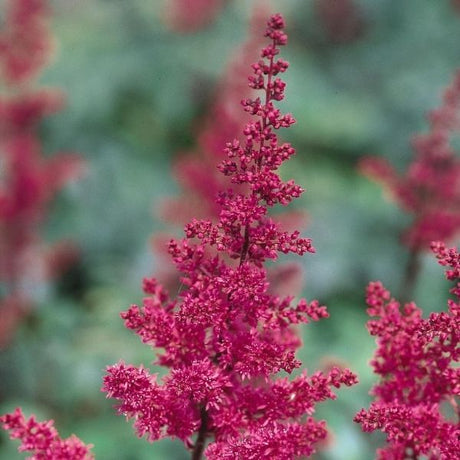
The garnet-red Fanal Astilbe is a colorful feathery bloomer with new foliage appearing as mahogany before aging into lacy deep green/bronze-green. Growing about 2 feet in height and width, wonderfully cold-hardy throughout USDA zones 4 to 9!

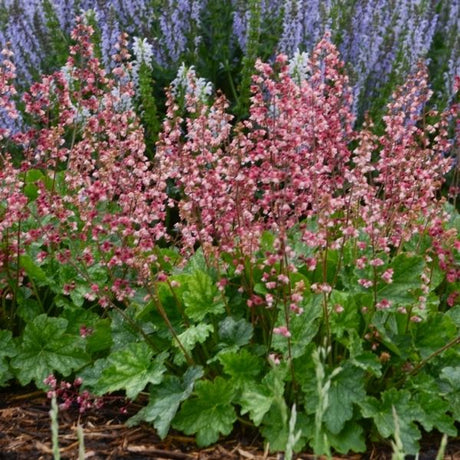
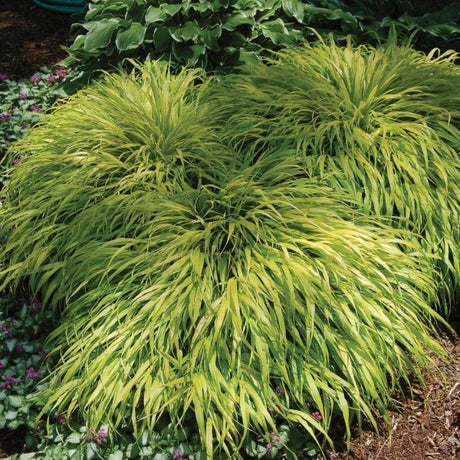
Pair with: Berry Timeless Coral Bells, flowing All Gold Japanese Forest Grass, and Raspberry Splash Lungwort

The sweetly charming Peach Blossom Astilbe boasts lush, dark green mounds of finely cut foliage topped with soft peachy-pink plumes in late spring to summer! These airy, pastel blooms add a delicate, romantic touch to woodland gardens, shady borders, and cottage-inspired beds. Growing 18 - 24 inches throughout USDA zones 4 to 8.

Pair with: Autumn Leaves Coral Bells, EverColor® Everest™ Variegated Sedge Grass, Misty Lace Dwarf Goatsbeard

Dark chocolatey bronzy-purple leaves make Chocolate Shogun Astilbe stand out with lacy white and pink flowers on tall red stems above near-black foliage. Outstanding cut flowers that look great as dried blooms, too! Cold-hardy throughout USDA zones 4 to 8, growing 2-3 feet tall.

Dark theme pairs: Spellbound Coral Bells, Proven Winners® Black Scallop Ajuga, Burgundy Lace Painted Fern

Light contrast pairs: Champagne Coral Bells, Evercolor® Everillo Sedge Grass, and Great Expectations Hosta

  • Visions Series Astilbe

    order the Visions series astilbe at nature hills

The compact Visions Astilbe and the entire Visions series have strong stems, growing to a compact 18 inches tall with fluffy spires for summer months! Available in Vision In Red, Vision In Pink, Vision In White, Little Vision In Purple, and Little Vision In Pink varieties.

Pair with: Patriot Hosta, Variegated Solomon’s Seal, and Twinkle Toes Lungwort

Caring For Astilbe Plants

Easy to grow and resilient, the cold-hardy Astilbe family of plants is one of the hardiest perennial plants and easy to grow! Count on reliable Astilbe to come back year after year!

  • Light: Astilbe grows best in partial shade and needs afternoon shade to maintain its deep hues. The ideal spot receives between 2-4 hours of sunlight per day
  • Zones: Astilbe plants are widely adaptable across USDA planting zones 3 to 9
  • Soil: Needs well-drained soil that is rich in organic matter
  • Water: Don't let your Astilbe plants dry out completely, as they perform best with regular moisture access
  • Mulch: Use a 3-4-inch layer of mulch over their root systems for insulation
  • Wildlife: Deer and rabbits both tend to leave it alone
  • Maintenance: Wait until early spring to cut back old foliage, can deadhead after flowers finish blooming.

Boost Your Garden With Astilbe!

Gorgeous fillers and thrillers for your bouquets, the lacy airy plumes boost the color and texture of your arrangements! Both fresh and dried, Astilbe plumes will look divine! Even the Victorian language of flowers knew its worth, stating Astilbe symbolized patience and dedication to a loved one.

Add these easy-to-grow beauties to your shaded gardens and mixed containers! The flowers are outstanding for drying - simply hang bundles upside down to dry them.

Check out all the gorgeous Astilbe varieties available at Nature Hills today!

Happy Planting!

Shop Astile
Previous Next

Compare Plants

Browse the features and specs side-by-side to find the best fit for your garden.

A table comparing the facets of 5 products
Facet
Bridal Veil Astilbe
Bridal Veil® Astilbe
View details
High Contrast Lungwort
View details
Fanal Astilbe
Fanal Astilbe
View details
Berry Timeless Coral Bells
View details
All Gold Japanese Forest Grass
View details
Rating
Rating----
(1)
Type
TypePerennialPerennialPerennialPerennialPerennial
By
ByNature Hills NurseryNature Hills NurseryNature Hills NurseryNature Hills NurseryPlants That Work
Flower Color
Flower Color
  • White
  • Blue
  • Pink
  • Red
  • Pink
  • Yellow
Growing Zone Range
Growing Zone Range
4-8
4-9
3-8
4-9
5-9
Mature Height
Mature Height
1-5 ft
1 ft
2 ft
1 ft
1-2 ft
Width
Width
1-3 ft
1 ft
1 ft
1 ft
1-2 ft
Price
Price
Regular price $3153
Regular price $3939
Regular price $3156
Regular price From $1699

Frequently Asked Questions

Are astilbes perennials?

Yes, astilbes are herbaceous perennials that return year after year, forming attractive clumps that gradually expand through underground rhizomes. These hardy plants thrive in USDA zones 3-9 and die back to the ground each winter before emerging with fresh foliage in spring. Their perennial nature makes them excellent long-term investments for shade gardens, as they become more spectacular with each passing season. Plant them in partial to full shade with consistent moisture for decades of reliable blooms and beautiful ferny foliage.

Are astilbe perennial?

Yes, astilbe are hardy perennials that return year after year in USDA zones 3-8. These clump-forming plants grow from rhizomes and will gradually spread to colonize small garden areas over time. As perennials, they'll die back to the ground in winter and emerge with fresh foliage each spring. Plant them in partial to full shade with consistently moist soil for best long-term performance.

Are astilbe evergreen?

No, astilbe are not evergreen plants. These perennial flowering plants die back to the ground each fall and emerge with fresh foliage in spring. The finely-cut, lacy leaves provide attractive texture throughout the growing season before going dormant in winter. Leave the dried foliage in place until early spring, then cut back the old stems to make room for new growth.

Are astilbes evergreen?

No, astilbes are not evergreen. These perennial plants die back to the ground each fall and emerge with fresh growth in spring. The foliage provides attractive texture throughout the growing season but will naturally decline after the first hard frost. Leave the dried foliage in place through winter to protect the crown, then cut it back to 2-3 inches in early spring before new growth appears.

Can i have pictures?

You can find detailed photos of our Astilbe varieties on each product page at naturehills.com, showing both the feathery flower plumes and lacy foliage throughout the growing season. Our plant galleries include images of mature plants in garden settings so you can visualize how different varieties will look in your landscape. Browse our Astilbe collection online to compare flower colors, plant heights, and foliage textures before making your selection.

What is the proper amount of sun for astilbes (part shade, full shade, or morning sun)?

Astilbes thrive in partial shade to dappled shade conditions, making them ideal for locations that receive 2-4 hours of gentle morning sunlight followed by afternoon shade. They can tolerate full shade but may produce fewer blooms, while too much direct sun, especially hot afternoon sun, will scorch their delicate foliage and stress the plants. In northern zones (3-5), astilbes can handle slightly more sun exposure than in warmer southern zones (6-8). Plant them under tree canopies or on the north side of structures where they'll receive bright, filtered light throughout the day.

Can astilbes be grown in large containers?

Yes, astilbes grow well in large containers and work as fillers, spillers, and thrillers in mixed planters. Use containers at least 18-24 inches wide and deep to accommodate their spreading rhizomes and clumping growth habit. Choose partial shade locations and maintain consistent moisture, as container-grown astilbes dry out faster than those in garden beds. Select compact varieties for smaller containers or pair taller varieties with complementary shade plants for dramatic mixed arrangements.

What type of soil do astilbes prefer?

Astilbes thrive in consistently moist, well-draining soil rich in organic matter with a slightly acidic to neutral pH between 6.0-7.0. These shade perennials perform best in soil that stays evenly moist but never waterlogged, making them excellent choices for rain gardens and naturally wet areas. They struggle in dry, sandy soils and benefit from regular mulching to retain moisture. Amend heavy clay with compost before planting and ensure adequate drainage to prevent root rot.

Should you deadhead spent blooms to encourage new flowers?

While deadheading spent astilbe blooms won't encourage additional flowers in the same season, it does improve the plant's appearance and prevents unwanted self-seeding. Cut the flower stalks back to the base foliage level once blooms fade, typically in mid to late summer. Leave the attractive foliage intact until it dies back naturally in fall, as it continues to feed the plant's energy reserves for next year's blooms.

Do astilbes bloom the same season they are planted?

Astilbes typically will not bloom their first season when planted from small starter plants or divisions, as they need time to establish their root system. However, larger, more mature plants may produce some blooms in their first year if planted early in the growing season (spring). For best results, plant astilbes in early spring in zones 3-8 and expect full, robust blooming displays in their second year and beyond.

Find Your Garden's Growing Zone!

Your Current Growing Zone:

Zone

ZIP Code:

✓ Growing Zone Set Successfully!

Your zone has been saved and will be used throughout the site.

⚠ Unable to locate a growing zone for that ZIP code.

Please check your ZIP code and try again.

Looking up your growing zone...

When ordering a tree or plant, make sure to know your planting zone.

You can determine your garden's USDA hardiness zone by entering your Zip Code below.