Free Shipping On Orders Over $199

Growing Zone: | Garden in
Find your Growing Zone!

Plum Trees

View as

  • Stanley Prune Plum Tree

    Prunus 'Stanley'

    Regular price $17491
  • Sold out

    Santa Rosa Plum Tree

    Prunus salicina 'Santa Rosa'

    (17)
    Regular price From $14981
  • Sold out

    Italian Plum Tree

    Prunus 'Italian'

    (17)
    Regular price From $12171
  • Howard Miracle Plum Tree
    Sold out
    Up to 5% off

    Howard Miracle Plum Tree

    Prunus salicina 'Howard Miracle'

    (3)
    Regular price From $12483
  • Sold out
    Up to 16% off

    Chickasaw Plum

    Prunus angustifolia

    (12)
    Regular price From $5982
  • Brooks Plum Tree
    Sold out
    Up to 14% off

    Brooks Plum Tree

    Prunus domestica 'Brooks'

    (2)
    Regular price From $12498
  • Sold out
    Up to 14% off

    Toka Plum Tree

    Prunus 'Toka'

    Sale price From $14217 Regular price $16505
  • Sold out
    Up to 5% off

    Hollywood Plum Tree

    Prunus x 'Hollywood'

    (2)
    Regular price From $12489
  • Sold out

    Methley Plum Tree

    Prunus salicina 'Methley'

    Regular price From $13972
  • Sold out

    Sugar Plum Tree

    Prunus domestica 'Sugar'

    Regular price $14982
  • Sold out

    Emerald Beaut Plum Tree

    Prunus salicina 'Emerald Beaut'

    (3)
    Regular price From $14951
  • Sold out

    Burbank Plum Tree

    Prunus 'Burbank'

    Regular price From $6480
  • Sold out

    Beauty Plum Tree

    Prunus salicina 'Beauty'

    Regular price $9998
  • Beach Plum Tree
    Sold out

    Beach Plum Tree

    Prunus maritima

    Regular price $11951
  • Sold out

    Shiro Japanese Plum Tree

    Prunus salicina x 'Shiro'

    Regular price $24976
  • Spice Zee NectaPlum™ Tree
    Sold out

    Spice Zee NectaPlum™ Tree

    Prunus x 'Spice Zee'

    Regular price From $16963
  • Sold out

    Compass Cherry Plum

    Prunus x 'Compass'

    Regular price $000
  • Sold out

    Native American Plum

    Prunus americana

    Regular price From $9962
  • Sold out

    Laroda Plum Tree

    Prunus salicina 'Laroda'

    Regular price $14974
  • Sold out

    Golden Nectar Plum Tree

    Prunus salicina 'Golden Nectar'

    Regular price $9955
  • Sold out

    Early Italian Plum Tree

    Prunus 'Early Italian'

    Regular price $14984
  • Honey Lightning Plum Tree - Nature Hills Nursery - Paper Pot 4 - 5 Feet -
    Sold out

    Honey Lightning Plum Tree

    Prunus salicina 'Honey Lightning'

    Regular price $14974
  • Mount Royal Plum Tree
    Sold out

    Mount Royal Plum Tree

    Prunus 'Mount Royal'

    Regular price $000
  • Sold out

    Damson Plum Tree

    Prunus 'Blue Damson'

    (1)
    Regular price From $14968
  • Flavorella Plumcot Tree
    Sold out

    Flavorella Plumcot Tree

    Prunus x 'Flavorella'

    Regular price From $14989
  • Sold out

    Lavender Showers Plum Tree

    Prunus salicina 'Lavender Showers'

    Regular price $14992
  • Simka Plum
    Sold out

    Simka Plum

    Prunus x 'Simka'

    Regular price $14964
  • Elephant Heart Japanese Plum Tree
    Sold out

    Elephant Heart Japanese Plum Tree

    Prunus salicina 'Elephant Heart'

    Regular price $14985
  • Sold out

    Burgundy Plum Tree

    Prunus salicina 'Burgundy'

    (5)
    Regular price From $14982
  • Caramel Kiss Plum Tree
    Sold out

    Caramel Kiss Plum Tree

    Prunus salicina 'Caramel Kiss'

    Regular price $14976
  • Sold out

    Satsuma Plum Tree

    Prunus salicina 'Satsuma'

    Regular price $14974
  • Reine Claude European Plum Tree - Fruittree - Nature Hills Nursery - 7 Container 4 - 5 Feet Semi Dwarf -
    Sold out

    Reine Claude European Plum Tree

    Prunus domestica subsp. italica

    Regular price $17966
  • Sold out

    Superior Plum Trees

    Prunus 'Superior'

    Regular price $14998

Shop Plum Trees at Nature Hills Nursery

Plums are native to China, North America, and Europe. Archeologists have discovered plum remains in sites of human settlements from thousands of years ago, alongside olives, grapes and figs. Those findings lead experts to believe that plum trees were one of the very first fruit trees domesticated by humans. Today there are more than 200 cultivars being grown all over the world.

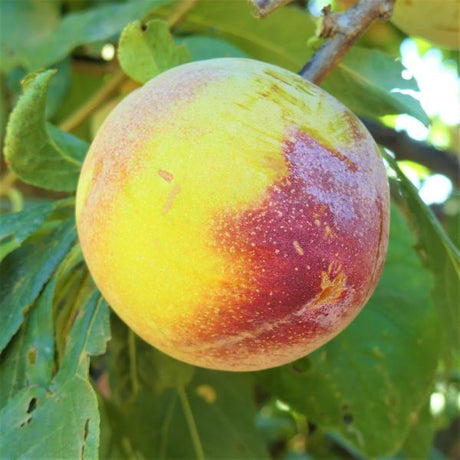
Close up of plums

Healthful Plum Fruit

Most of the plums consumed as fresh fruit and found in grocery stores are Japanese plums. European plums have higher sugar content, so they are often dried and used for making prunes. Plums are rich in dietary fiber that is effective in improving digestion. They are low in calories and contain ample amounts of vitamin C, calcium, potassium and carbohydrates. Plums are excellent when eaten fresh and are a great addition in salads. They are used for making pies, desserts, jams, and jellies. Plum trees are fast growing and usually begin producing fruit 3 to 5 years after planting.

European & Japanese Plum Tree Varieties

There are two main types of plum trees being marketed today: European and Japanese. Generally, Japanese plums are larger than European plums, and Japanese plums ripen earlier than their continental cousins. European plums are generally late bloomers, so they are well suited for areas with late frosts or cool springs. Plum trees may or may not need pollinators. Some are self-fruitful, and some need another plum tree for pollination purposes. Most European plums will either benefit from or require cross-pollination from another European variety. Many Japanese plums require pollinators. Follow nursery recommendations for suitable pollinizers, but here are some of our favorite selections:

  • Italian Plum Tree - Pinkish-white spring blooms, freestone dark purple fruit with yellow flesh, often dried as prunes, sweet flavor with a lemon-tart edge
  • Toka Plum Tree - Nicknamed the bubblegum tree for the candy-like fragrance and flavor of its fruit, produces tons of pollen that spark bountiful crops in neighboring plum trees
  • Elephant Heart Japanese Plum Tree - Ripens later than most other varieties, requires another plum for cross-pollination, produces incredibly large, heart-shaped, clingstone fruit with blood-red flesh
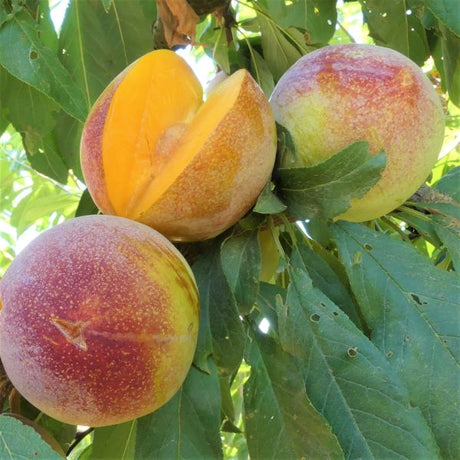
Plums in a tree

New World Plum Varieties

If you’re looking for native plants to beautify your integrated ecosystem, the New World plum trees in our inventory are a great choice. The Native American Plum delivers abundant clusters of white flowers in spring, then handsome toothed leaves in the summer. Autumn brings out red fruit that you or your visiting wildlife can eat, though this plum tree is generally ornamental rather than a fruit-production choice. The Chickasaw Plum, on the other hand, self-pollinates to produce abundant fruit that many Native American tribes once relied on as a food source. Its white spring flowers, red summer fruit, yellow fall foliage and textured bark offer four seasons of visual interest.


Shop Plum Trees

FAQ's for Buying Plum Trees Online

What is the difference between European and Japanese Plum trees?

European Plum trees tend to produce smaller, sweeter fruit that ripens later and stores well, making them ideal for drying into prunes. Japanese Plum trees generally bear larger fruit that ripens earlier and is perfect for fresh eating. European varieties like Italian Plum are great for cool climates, while Japanese types like Elephant Heart thrive in warmer zones and often need a pollination partner.

Do Plum trees need a pollinator to produce fruit?

Some Plum trees are self-fruitful, while others require a compatible pollination partner. Most European Plums benefit from cross-pollination with another European variety. Many Japanese Plums, like the Toka Plum, need another variety nearby to ensure a bountiful harvest. Always check the specific tree’s product page for pollination requirements.

How long does it take for a Plum tree to bear fruit?

Plum trees typically begin producing fruit three to five years after planting. With proper care, sun exposure, and well-drained soil, they will establish quickly and start rewarding you with juicy harvests. Nature Hills offers mature trees that give you a strong start toward early fruiting.

What are the health benefits of eating fresh Plums?

Plums are loaded with dietary fiber, vitamins, and antioxidants. They are low in calories and rich in vitamin C, calcium, and potassium. Whether you enjoy them fresh, in salads, or cooked into jams and desserts, Plums support digestive health and make a tasty, heart-smart snack.

Are there any native Plum trees that grow well in the United States?

Yes, native Plum trees like the American Plum and Chickasaw Plum are perfect for naturalized landscapes and wildlife-friendly gardens. These trees offer beautiful spring blooms, colorful fruit, and seasonal foliage while supporting birds, pollinators, and native ecosystems. Chickasaw Plum also produces edible fruit and self-pollinates, making it both ornamental and functional.

Find Your Garden's Growing Zone!

Your Current Growing Zone:

Zone

ZIP Code:

✓ Growing Zone Set Successfully!

Your zone has been saved and will be used throughout the site.

⚠ Unable to locate a growing zone for that ZIP code.

Please check your ZIP code and try again.

Looking up your growing zone...

When ordering a tree or plant, make sure to know your planting zone.

You can determine your garden's USDA hardiness zone by entering your Zip Code below.