


-
-
-
Phlox subulata 'Emerald Blue'
Regular price From $1999Unit price /Unavailable -
-
-
-
FrostKiss™ Molly's White® Lenten Rose
Helleborus x 'FrostKiss Molly's White'
Regular price $5378Unit price /Unavailable -
-
Brunnera macrophylla 'Jack Frost'
Regular price From $1999Unit price /Unavailable -
-
Rosmarinus officinalis 'Blue Cascade'
Regular price $1999Unit price /Unavailable -
-

Gold® Collection Pink Frost Lenten Rose
Helleborus 'Pink Frost'
Regular price $5028Unit price /Unavailable -
Major Wheeler Honeysuckle Vine
Lonicera sempervirens 'Major Wheeler'
Regular price $10143Unit price /Unavailable -
-
Gold Collection® Merlin Lenten Rose
Helleborus x 'Merlin'
Regular price $5028Unit price /Unavailable -
-
Phlox subulata 'Emerald Pink'
Regular price From $1999Unit price /Unavailable -
-
Georgia Blue Speedwell Veronica
Veronica peduncularis 'Georgia Blue'
Regular price From $1999Unit price /Unavailable -
-
Iberis sempervirens 'Alexanders White'
Regular price $3587Unit price /Unavailable -
-
Epimedium x perralchinum 'Frohnleiten'
Regular price $3932Unit price /Unavailable -
-
-
-
Heuchera 'Midnight Rose'
Regular price From $2499Unit price /Unavailable -
-
-
-
-
-
Bedazzled Lavender Hybrid Spring Phlox
Phlox subulata 'Bedazzled Lavender'
Regular price $3474Unit price /Unavailable -
-
Phlox subulata 'Drummond's Pink'
Regular price $3180Unit price /Unavailable -
-

-
-
-
Phlox subulata 'Scarlet Flame'
Regular price $2847Unit price /Unavailable -
-

-
Rapido Blue Carpathian Bellflower
Campanula carpatica 'Rapido Blue'
Regular price From $4299Unit price /Unavailable -
-

Phlox subulata 'Candy Stripe'
Regular price $2847Unit price /Unavailable -
-
-

-
Sweet Daisy™ Izabel Shasta Daisy
Leucanthemum x superbum 'Sweet Daisy Izabel'
Regular price $1999Unit price /Unavailable -
-
-
-
-


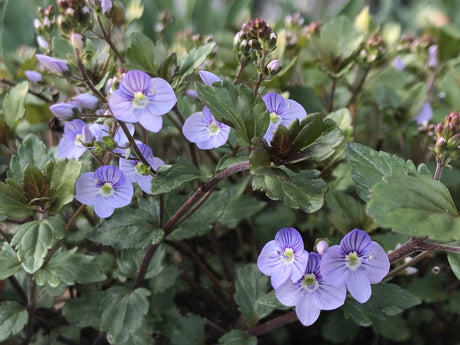


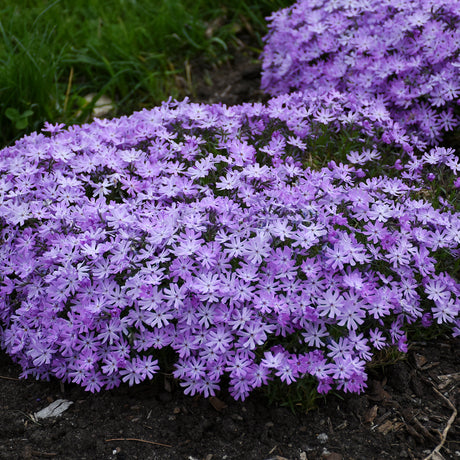
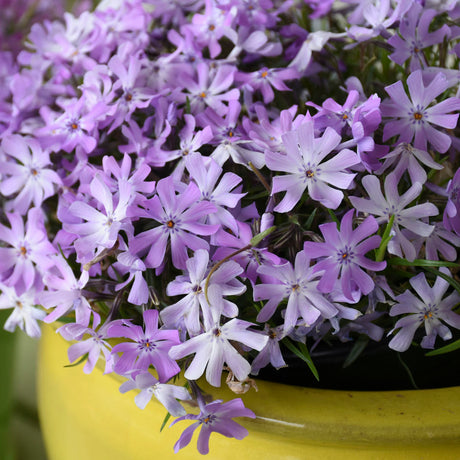
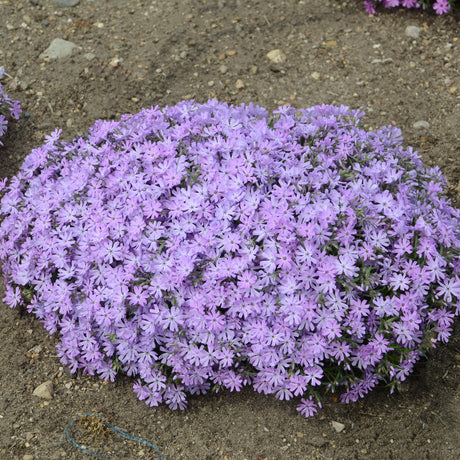


Spring Blooming Perennials
Spring Flowering Perennials Your Garden Needs

Shake off the winter blues and welcome the season of renewal with spring perennial flowers from Nature Hills Nursery. These tough, cold-hardy plants burst into bold blooms and lush foliage, creating waves of continuous color from early spring through fall. From fragrant blossoms to pollinator-friendly blooms, spring perennials are the cure for winter's gray days and the perfect start to a thriving landscape.
Why Choose Spring Perennials?
- A cheerful welcome sign that warmer weather is on the way
- Many perennial varieties bloom from early spring through late fall
- Layered, continuous color when paired with summer-blooming flowers
- Low-maintenance, hardy plants that come back year after year
- A wide selection from Ajuga groundcover to tall, airy Yarrow
- Essential nectar and pollen for bees and butterflies in early spring
Planning Your Spring Garden
Get a head start on garden success by ordering your spring perennials while in stock. Use our USDA Plant Hardiness Zone filters to browse flowers tailored for your region; simply enter your zip code above. Product pages include Plant Highlights and allow you to filter by bloom color, height, and sun exposure for easy shopping.
Sketch a quick garden layout to map out bloom sequence and planting locations. From single specimens to mass plantings of perennials, these spring bloomers make a bold statement but also extend bloom time across your landscape. Pair early-bloomers with summer annuals for nonstop color from March through frost!
What Perennials Bloom Early?
Depending on your growing zone, February and March gardens can already be alive with color. Early-blooming spring perennials include:
- Lenten Rose (Hellebore)
- Spurge Plants (Euphorbia)
- Dianthus
- Bergenia (Pig Squeak)
- Primrose (English Primrose)
- Pulmonaria (Lungwort)
- Winter Aconite
- Iris reticulata
What Perennials Can You Plant In Early Spring?

Plant these perennials in early spring and enjoy flowers in the same season:
- Ajuga (Bugleweed)
- Sea Thrift (Armeria)
- Lamium (Dead Nettle)
- Coral Bells (Heuchera)
- Astilbe
- Bleeding Heart (Dicentra)
- Columbine (Aquilegia)
- Creeping Phlox
- Wild Ginger
- Brunnera (Siberian Bugloss)
- Catmint (Nepeta)
- Sweet Woodruff
Why Shop Nature Hills?
- Safe, secure home delivery with planting instructions included
- Climate-smart shipping for your specific region
- Family-owned and trusted since 2001
- Expert #ProPlantTips and detailed Planting Guides
Shop our full collection of spring-flowering perennials today at Nature Hills Nursery and create a garden that blossoms with color, fragrance, and life this season!
