
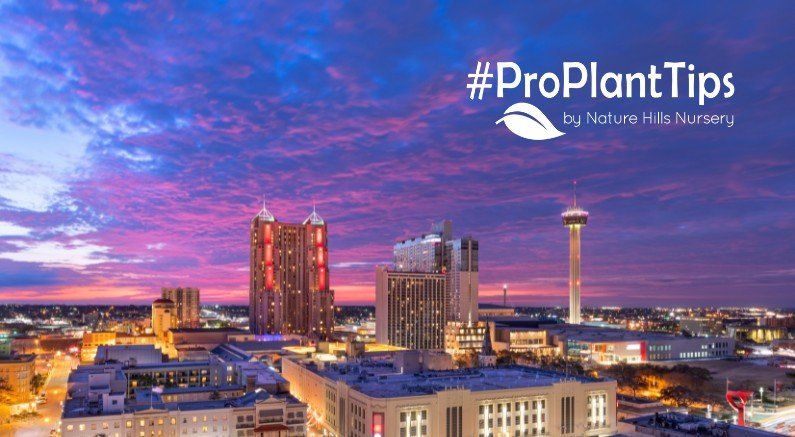

Designing a vibrant, resilient landscape in San Antonio, aka The Countdown City and home of the Spurs, the River Walk, and the heart of Tejano culture, means leaning into what mother nature offers here: hot summers, mild winters, rocky soil, and a splash of Southern and Western grit.
The key? Choosing native, drought-tolerant, and heat-hardy plants that thrive in our semi-arid zone.
Let's dive deep into growing success in this iconic slice of South-Central Texas!
Understanding the Soil, Climate & Landscape of San Antonio
Welcome to USDA Hardiness Zone 8b–9a, where average highs reach the triple digits in summer and winters flirt with frost but rarely get serious. San Antonio gets about 32 inches of rainfall per year, and it often comes in spurts, hello, flash floods and dry spells!
The soil? It's a mixed bag of heavy clay, caliche, and limestone rock, tough stuff for roots. But don't hang up your garden gloves just yet. Add compost, pine fines, and aged manure to lighten the clay and improve water retention. Raised beds and bermed planting areas also help with drainage and root health. It's the perfect conditions for a Xeric garden!
Pro tip: 3-4 inches of arborist mulch will cool the roots, retain moisture, and protect your soil from sunbaked crust! Adding organic matter and plenty of compost to poor soil improves quality and moisture-holding capabilities significantly.
Top 10 Nature Hills Plants for San Antonio, TX
Adding tall shade trees not only cools your world, but gives wildlife shelter and adds a ton of curb appeal to your home! Check out these native varieties that take the heat!
- Chaste Tree (Vitex agnus-castus)
This Texas superstar offers fragrant purple flower spikes all summer long. Drought-tolerant and heat-hardy, it's a pollinator magnet and a showstopper that thrives in well-drained soil.
- Olympic Fire Mountain Laurel (Kalmia latifolia 'Olympic Fire')
Evergreen shrub with bold pink blooms; thrives in part shade and well-drained San Antonio soils.
- Soft Caress Mahonia (Mahonia eurybracteata 'Soft Caress')
Airy and unique, the Soft Caress Mahonia is a fall-flowering, broadleaf evergreen shrub that tolerates partial shade! Finely-cut, fine-textured blue-green summer foliage, plus fall flowers and provides year-round interest!
- First Editions® Vanilla Strawberry™ Panicle Hydrangea (Hydrangea paniculata 'Renhy')
This cone-shaped, ever-evolving flower puts on a color-changing performance, white to pink to deep strawberry-red. Heat-tolerant and jaw-dropping in borders or as a focal point.
- PowWow® Wild Berry Coneflower (Echinacea purpurea 'PAS702917')
A hardy, low-maintenance beauty with large magenta-pink petals that attract butterflies and pollinators alike. Long-lasting blooms and strong drought resistance make this a Texas favorite.
- Denim 'n Lace Russian Sage (Perovskia atriplicifolia 'Denim 'n Lace')
Airy, lavender-blue flower wands rise above silvery foliage. It's a sun-worshipping perennial that dances through heat, drought, and limestone soils with ease.
- Celeste Fig (Ficus carica 'Celeste')
One of the most heat-tolerant fruit trees around, producing honey-sweet, brownish-purple figs that ripen in midsummer. Compact, self-pollinating, and a San Antonio staple.
- Pomegranate (Punica granatum)
With bold red blooms and juicy antioxidant-rich fruit, this shrub or small tree thrives in the heat. Pomegranates are made for South Texas sun and make a tasty, ornamental hedge.
- Goji Berry (Lycium barbarum)
Touted as a superfood, Goji Berries thrive in alkaline soil and bright sun. Easy to grow, they're perfect for edible landscapes in San Antonio.
- Red Baron Peach (Prunus persica 'Red Baron')
This showstopper brings double the dazzle, with stunning double-petaled red blooms in early spring and sweet, juicy peaches in summer. ‘Red Baron' is heat-tolerant, self-pollinating, and a solid producer once established.
Top Native Plants For San Antonio
These native Southern Midwestern plants and their cultivars have stood the test of time and know how to survive in this climate with ease!
5 Native Trees That Love San Antonio
-
Southern Live Oaks like the Texas Live Oak (Quercus)
The Lone Star of Texas trees, evergreen, sprawling, and deeply rooted in local lore. This mighty tree offers dappled shade and supports native wildlife. -
Elm Trees like the Cedar Elm (Ulmus crassifolia)
Adaptable and tough as boot leather, this deciduous beauty thrives in clay and rocky soils. A fall leaf dropper with golden hues. -
Sycamore Trees like the Mexican Sycamore (Platanus mexicana)
Fast-growing with big, showy leaves and shimmering white undersides. Loves the sun and makes a bold backyard statement. -
Laurel like the Texas Mountain Laurel (Dermatophyllum secundiflorum)
Small, ornamental, and fragrant, with purple grape Kool-Aid-scented blooms in spring. A must-have for its scent-sational flower power. -
Anaqua (Sandpaper Tree) (Ehretia anacua)
This semi-evergreen native sports rough leaves and creamy white blossoms. Birds flock to its fruit.
5 Native Shrubs for Color and Cover
-
Flame Acanthus (Anisacanthus quadrifidus var. wrightii)
This hummingbird magnet blazes with red-orange tubular blooms all summer. -
Mahonia Bushes like the Texas Barberry (Mahonia trifoliolata)
Not technically a Barberry, this shrub is spiny, evergreen, and deer-resistant, plus yellow blooms and red berries to boot! Just like its namesake. -
Agarita (Berberis trifoliolata)
Oddly enough, the Agarita is a Barberry! This Texas toughie with spiky evergreen leaves, fragrant flowers, and edible berries. - Texas Lantana (Lantana urticoides)
- This native shrub packs a punch with clusters of fiery orange, red, and yellow blooms that blaze through the heat and drought. Not only is it deer-resistant and low-maintenance, but it's also a magnet for butterflies, bees, and hummingbirds.
-
Elbow Bush (Forestiera pubescens)
Drought-tolerant, bird-friendly, and perfect for windbreaks or hedging.
5 Perennials That Thrive in the SA Sun
-
Mealy Blue Sage (Salvia farinacea)
Native and nectar-rich with spiky blue blooms and grey-green foliage. Find other Salvia here. -
Blackfoot Daisy (Melampodium leucanthum)
Drought-hardy and cheerful, with daisy-like white blooms and a subtle honey scent. -
Gregg's Mistflower (Conoclinium greggii)
A late-summer butterfly banquet with puffy purple flowers. Find hardy Blue Mist Flowers here. -
Purple Coneflower (Echinacea purpurea)
A garden classic with pink-purple petals and a medicinal history. Butterflies say yes. -
Damianita (Chrysactinia mexicana)
Compact, aromatic, and sunshine yellow, this groundcover dazzles in hot, dry beds.
Growing Fruit In The Heat
There are many hot climate fruit bushes and trees, like tropical fruit and Citrus, that are perfect for San Antonio! It's fun to incorporate the double-duty trend of edible landscaping into your garden plan, even if you don't want to have an entire orchard.
Fruiting Trees for the Alamo City
-
Plum Trees like the Mexican Plum (Prunus mexicana)
Fragrant white flowers, sweet small plums, and a lovely early bloomer. -
Native Persimmon or the Texas Persimmon (Diospyros texana)
This native brings dark bark, edible fruit, and local flair.
Fruiting Shrubs & Vines to Grow and Graze
- Grapevines like the Mustang Grape (Vitis mustangensis) A true Texan vine with sour fruit great for jelly, wildlife, or country wine.
- Brambles like the Dewberry (Rubus trivialis) Thorny and ground-hugging, this cousin of the blackberry is spring's tasty treat.
- Blueberry Bushes (Vaccinium spp.) With soil amendment and acidification, Southern Highbush varieties can produce well here in this climate.
- Elderberry Bushes like the Mexican Elderberry (Sambucus mexicana) A hardy, drought-tolerant native with creamy white flower clusters in spring, followed by bunches of small, dark purple berries in summer. These berries are beloved by birds and can be used for jams, syrups, or elderberry wine!
Practical Care Tips For San Antonio Gardens
- Work With Your Soil, Not Against It: Create rock gardens, xeriscaping, and water-wise gardens that can take the heat and soil conditions.
- Plant in fall or early spring to give roots time before the summer blaze.
- Arborist Mulch: Use native mulch like cedar or pecan hulls to cool the soil and keep moisture locked in while blocking weeds and surface evaporation.
- Drip irrigation or olla pots make water conservation easy and efficient!
- Water at the right time of day - morning or evening - to reduce evaporation and the chances of sunburn on your leaves.
- Water only at the roots to further deliver moisture directly to the root system and reduce surface evaporation.
- Avoid getting foliage wet, as this only causes foliar issues.
- Create shade layers, tall trees, mid-height shrubs, and low groundcovers, for natural cooling. Use them strategically around your home to reduce cooling costs.
- Look for xeric 'WaterSaver' approved plants from SAWS (San Antonio Water System).
- Join local groups like the Native Plant Society of Texas – San Antonio Chapter for events, plant swaps, and wisdom from seasoned growers. Your local County Extension Office or Master Gardeners club will have loads of information for you too!
- Visit Phil Hardberger Park, San Antonio Botanical Garden, and Mitchell Lake Audubon Center for native plant inspiration.

Grow Local, Grow Bold!
Gardening in San Antonio means embracing bold colors, native resilience, and a little wild spirit. Whether you're going full xeriscape or mixing fruits with flowers, the best plants for San Antonio are the ones that can handle the heat, dance through the drought, and still bring the party to your yard.
Gardening San Antonio-style! Let's make your garden the pride of the 210.
Happy Planting!


