

Redhaven Peach Tree
Prunus persica 'Redhaven'
This one's sold out. These are ready to ship
Other Cherry varieties
-

-

-

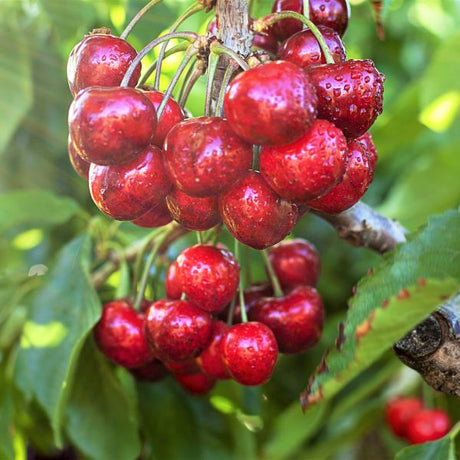
Prunus avium 'Black Tartarian'
Regular price From $13838Unit price /Unavailable -

-

Ozark Premier Japanese Plum Tree
Prunus salicina 'Ozark Premier'
Regular price $5455Unit price /Unavailable -

Prunus cerasus 'Montmorency'
Regular price From $13611Unit price /Unavailable -

-


Plant Sentry™ Protected
Your order is protected by our compliance system that:
- Prevents restricted plants from shipping to your state
- Ensures plants meet your state's agricultural requirements
- Protects gardens from invasive pests and diseases
Specifications
| Hardiness Zone | 5a to 8b |
|---|---|
| Sunlight | Full sun |
| Height | |
| Width | |
| Growth Rate | Moderate |
| Watering Needs | Moderate |
| Preferred Soil | Clay, Sandy |
| Blooms In | Spring |
| Flower Color | Pink |
| Fragrant | Yes |
| Plant Characteristics | Cold hardy, Self-pollinating, Flowering, Edible, Ornamental Berries/Fruit, Thornless, Attracts pollinators, Disease resistant, Fast-growing |
| Botanical Name | |
| Does Not Ship To | AK, CA, HI, ID, MT, OR, PR, VI, WA |
Description
The Ravishing Refreshing Redhaven Peach Tree!
- Golden-Yellow Fuzzy Skin & Prominent Red Blush
- Juicy Deep-Red Flesh
- Firm, Sweet Freestone Fruit
- Beautiful Pink Flowers & Highly Fragrant!
- Pollinators Galore!
- Late Season Bloom
- Vigorous Growth & Reliable Producer
- Handsome Vibrant Green Foliage
- Golden Fall Color!
- Self-Fruitful
- Great for Cold Climates
- Heavy-Bearing Mid-Summer Harvest
- Fresh Eating, Baked Goods, Canning & Freezing
- Great Shipper
- 800-900 Chill Hours
Fruit trees can feel like a huge commitment, especially if you're a home gardener with limited space. If you would like to grow an established, disease-resistant peach that thrives in colder zones, then the Redhaven Peach Tree (Prunus persica 'Redhaven') is one of the best varieties for colder regions and home growers!
A reliable producer, it was developed in western Michigan during the Great Depression and has been one of the most popular varieties since!
If you have a possibility of late frost, the Redhaven Peach is an excellent choice. Its blooms are a beautiful pink and very fragrant, but they appear later to avoid the damage caused by a late frost.
The handsome pyramidal shape and vibrant green foliage turns a glorious golden-yellow in autumn and the fantastic shape makes it a valuable ornamental addition to your landscape!
This dark yellow fruit has a prominent red blush. It’s a firm-textured, freestone peach variety that bursts with juice and flavor when you bite into the yellow flesh. It’s delicious fresh from the tree, but you probably can't eat them as quickly as your tree will produce them, so plan on canning or freezing the ones that you can't eat or put into pies or cobbler.
Redhaven ripens in mid-summer and is a hardy, rapid grower, sometimes producing a crop the second year. This variety is a heavy-bearing, dependable producer, so get ready to enjoy your bumper crop!
How to Use Redhaven Peach Tree In The Landscape
As fall approaches, get ready to enjoy the fruit of your spring and summer labor. You will enjoy the dependable crop of sweet, juicy peaches. Use them fresh-picked, baked or canned! But save enough so you can send some to family and friends because they ship well, too!
If you're looking for a shady haven to sit beneath and enjoy fresh peaches, you’re in luck! Plant Redhaven near your seating or patio areas for lush shade that is dripping with fragrant blooms and juicy snacks!
A beautiful tree to plant front and center in your front landscaping, anchor a side garden or even provide shade and privacy, Redhaven is modestly sized to fit into any garden. Easily tucked into an existing home landscape or orchard of all sizes!
While this variety self-pollinates, planting two trees, or with another Peach variety, will increase your yield. The bees, butterflies and hummingbirds will thank you all spring. No room for two trees? Try this high-density planting technique, plus more pruning tips, tricks and Peach Tree Care in our Garden Blog!
#ProPlantTips For Care
When planting Peach Trees, place them where it will get sun most of the day. A full sun location, favoring morning sun, where it can receive at least 6 hours of direct sunlight. Hardy in USDA hardiness zones 5-8, these are especially cold-tolerant!
Its roots like soil that ranges from loamy or sandy and is tolerant of slightly acidic soil, but it needs to be well-drained soil. While not particular on soil type, any enriched site is best, so add some extra composted manure and organic matter to the site.
Water weekly, maybe more during hot and dry weather. This way you’ll have a bountiful and juicy crop! A generous layer of mulch helps retain soil moisture as well as insulate the root system from heat and chill throughout all growing seasons.
For best results, fertilize your tree regularly with Dr. Earth Fruit Tree Fertilizer or a good organic, slow-release fertilizer. Add Nature Hills Root Booster while planting for a life-long symbiotic relationship with the tiny feeder roots.
Prune to manage the size and keep an open crown for air circulation and allow sunlight to reach the interior.
Easy-to-grow, lush shade, fragrant flowers, luscious fruit and a handsome shaped tree in a compact size? The Redhaven Peach Tree has it all! Order yours today before they’re gone at NatureHills.com!
Delivery and Shipping
Shipping Rates
Ships in 3-5 business days • Tracking provided • Weather protected
| Under $50 | $9.99 |
| $50 - $99.99 | $14.99 |
| $100 - $149.99 | $16.99 |
| $150 - $198.99 | $24.99 |
| $199+ | FREE |
✓ Zone-specific timing • ✓ Professional packaging • ✓ Health guarantee
Find on Page
Type to search specs, description, care, FAQ, and shipping.

