Shop With Confidence: FREE Growing & Glowing Promise

Free Shipping on Orders $199+

View as

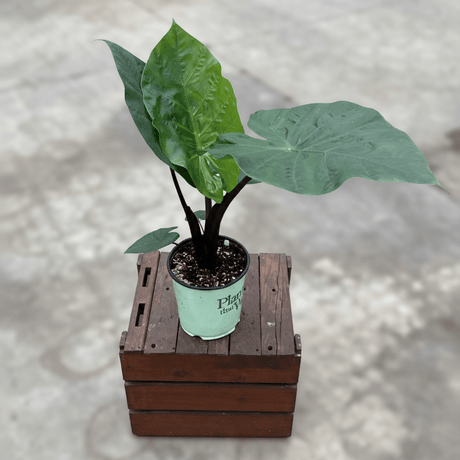
  • Alocasia Odora 'Batik Blizzard' Elephant Ear

    Alocasia odora 'Batik Blizzard'

    New arrival
    Regular price From $3499
  • Alocasia Amazonica 'Polly' Elephant Ear

    Alocasia x amazonica 'Polly'

    New arrival
    Regular price $4999
  • Alocasia Amazonica 'Bambino' Elephant Ear

    Alocasia x amazonica 'Bambino'

    New arrival
    Regular price From $3499
  • Alocasia Baginda 'Dragon Scale' Elephant Ear

    Alocasia baginda 'Dragon Scale'

    New arrival
    Regular price $4499
  • Alocasia Micholitziana 'Frydek' Elephant Ear

    Alocasia micholitziana 'Frydek'

    New arrival
    Regular price $4999
  • Alocasia Baginda 'Silver Dragon' Elephant Ear

    Alocasia baginda 'Silver Dragon'

    New arrival
    Regular price $4999
  • Alocasia 'Tiny Dancers' Elephant Ear

    Alocasia brisbanensis x Alocasia odora 'Tiny Dancers'

    New arrival
    Regular price $4999

Alocasia

Alocasia Plants for Sale

Alocasia is the plant people mean when they say they want a houseplant that looks like a sculpture. Thick, upright stems hold arrow-shaped leaves with pale veins drawn across them, and the whole plant angles itself toward the light through the day. It is not the easiest genus we sell, but nothing else in a pot looks like it. These are the potted, indoor-grown Alocasias; the hardy landscape Elephant Ears are a different plant for a different spot.

The Alocasias We Grow

Alocasia Care

Light

Bright indirect light, and more of it than most houseplants want. An east window, or close to a south or west window with a sheer curtain between the plant and the glass. Too little light and the stems stretch and flop; direct midday sun burns holes in the leaf surface. Turn the pot a quarter turn each week or the plant will lean hard toward the window.

Water and humidity

Water when the top inch of soil is dry and let it drain completely. Alocasia dislikes sitting in a saucer of water, and cold water on a cold windowsill will stall it. Humidity is the other half of the job: dry indoor air causes brown crisping along the leaf edges, so a pebble tray, a humidifier or a cluster of plants makes a visible difference through the heating season.

Dormancy, and why yours might look dead

An Alocasia that drops leaves in late fall is usually not dying. The genus goes dormant when light and warmth drop, retreating to its corm underground. Cut back on water sharply, stop fertilizing, keep the pot somewhere warm and out of drafts, and wait. New growth typically pushes in spring. Repot in spring rather than in fall, and only when roots are circling the pot, since Alocasia flowers and grows better slightly crowded.

More Indoor Plants

Browse Indoor Ferns, Pothos, or the full Houseplants collection.

FAQ's for Buying Alocasia Online

My Alocasia dropped all its leaves. Is it dead?

Probably not. Alocasia goes dormant when light and warmth drop off in fall, pulling back to the corm below the soil, and a plant that looks finished in November often pushes new leaves in spring. Cut watering back sharply so the corm does not rot while it is doing nothing, stop fertilizing, and keep the pot warm and away from drafts and cold windows. Resist the urge to repot or dig around to check. If the corm is still firm when you press the soil, the plant is fine and simply waiting.

Why are the edges of my Alocasia leaves turning brown?

Crisp brown edges point to dry air far more often than to dry soil. Indoor heating drops humidity to levels this genus never sees in the wild. Set the pot on a tray of pebbles and water, group it with other plants, or run a humidifier nearby. Yellowing that starts at the oldest lower leaves and moves up is a different signal and usually means the soil is staying too wet. Water when the top inch is dry, and never leave the pot standing in a full saucer.

How is an indoor Alocasia different from a garden Elephant Ear?

They share a genus and a common name but not a job. The Alocasias in this collection are compact, thin-leaved plants grown in pots for indoor light and consistent household warmth. The Elephant Ears sold for the landscape are large, fast, seasonal plants for outdoor beds and containers, and they are grown for scale rather than for leaf detail. If you want a dramatic foliage plant for a shaded patio or a summer bed, shop the outdoor Elephant Ears. If you want a sculptural plant for a bright indoor spot, this is the collection.

How much light does an Alocasia need?

More than most houseplants, but never direct midday sun. Bright indirect light is the target: an east-facing window, or a spot close to a south or west window with a sheer curtain filtering the glass. Too little light and the stems stretch, the leaves come in smaller, and the plant leans and eventually flops. Too much direct sun burns pale scorched patches into the leaf surface. Give the pot a quarter turn every week or so to keep the growth even.

Is Alocasia safe for cats and dogs?

No. Alocasia is an aroid and contains insoluble calcium oxalate crystals, which cause immediate mouth and throat irritation, drooling and vomiting if a pet chews a leaf or stem. Keep it well out of reach of animals that sample houseplants, or choose from our Pet Safe Plants collection at naturehills.com/collections/pet-safe-plants instead. Pothos, Philodendron, Monstera, Anthurium and Syngonium are aroids as well and carry the same caution.

When should I repot an Alocasia?

In spring, at the start of the growing season, and only when it needs it. Alocasia grows better slightly crowded, so wait until roots are circling the inside of the pot or pushing out the drainage holes, then step up a single pot size in a free-draining mix. Repotting a dormant plant in fall is the common mistake: it disturbs the corm at the exact moment the plant has no capacity to recover, and it is a frequent reason a dormant Alocasia never comes back.