


Photo courtesy of Proven Winners - www.provenwinners.com
Cat's Meow Catmint
Nepeta faassenii 'Cat's Meow'


Plant Sentry™ Protected
Your order is protected by our compliance system that:
- Prevents restricted plants from shipping to your state
- Ensures plants meet your state's agricultural requirements
- Protects gardens from invasive pests and diseases
Specifications
| Hardiness Zone | 3a to 8b |
|---|---|
| Sunlight | Full sun |
| Height | |
| Width | |
| Growth Rate | Moderate |
| Watering Needs | Low |
| Preferred Soil | Chalky, Clay, Loamy, Sandy |
| Landscape Use | Rock Garden, Border, Groundcover, Patio, Mass Planting, Container |
| Growth Habit | Compact, Spreading |
| Blooms In | Summer, Fall |
| Flower Color | Blue, Purple |
| Foliage Color | Green |
| Fragrant | Yes |
| Plant Characteristics | Cold hardy, Low Maintenance, Reblooming, Flowering, Deer-resistant, Heat Tolerant, Drought resistant, Attracts Butterflies, Attracts pollinators, Container Friendly, Fragrant, Mosquito Repelling |
| Botanical Name | |
| Does Not Ship To | AK, HI, ID, MT, PR |
Description
Dense and colorful, the Proven Winners® ColorChoice® Cat's Meow Catmint (Nepeta faassenii 'Cat's Meow') is a vivid and tough perennial with ethereal lavender-blue flower spikes that reach for the sky! The Cat's Meow is an incredibly uniform growing type of Nepeta that blooms almost constantly, and is more compact and fragrant! It also has a more refined habit than others in the family. But the same hardiness and pollinator draw as any other!
The Cat's Meow forms upright stems of brilliant lavender blue, scented blooms atop a spreading mound of tidy sage-green foliage. Highly aromatic from top to bottom, many use these ornamental flowering herbs in tea and as a spice, but they don't have quite the same effect on cats as Cat Nip. They do have a calming effect like many members of the Mint family typically do! They also carry the square stems of the family and their spreading nature - only Cat's Meow does so more politely!
Nepeta Catmints grow vigorously throughout USDA growing zones 3 through 8 and form a dense, neat mat 17-20 inches tall when in bloom, and 24-36 inches wide. The lovely scalloped and heavily textured leaves smell wonderful when brushed past, but also pump out the blooms all summer into fall, sometimes holding on after a light frost! Keep them deadheaded to encourage wave after wave of scented bloom!
Planting and Application:
Cat's Meow Catmint is a must-have for the pollinator and perennial garden border! The dense mats create tidy edging and facer plants, while the brilliant blooms light up the garden and add interest to floral bouquets! Keep them in the kitchen and herb garden, adorn an Herbal Knot Garden, and let them ramble and spill over rocks in the Rock garden or retaining wall.
Proven Winners® Cat's Meow thrives in the sun garden and looks great spilling over garden edges, that hell strip along the road or sidewalk, as fire-wise landscaping barriers, and in xeric garden designs. They are great tumbling over the edges of large planters and containers as a spiller! Try a single plant cascading over the sides of a hanging basket on your porch or patio, filling window box planters, or rambling throughout the garden as living mulch!
- Bright Lavender-Blue Spires of Blooms
- Hummingbird & Pollinator Magnets
- Aromatic Sage Green Foliage
- Low, Dense, Neat & Tidy Form
- Spillers, Edging, Facer Plants, Containers & En Masse Accents!
#ProPlantTips for Care:
Cat's Meow Nepeta are tough herbaceous perennials that soak up full sun all day long! Plant in almost any kind of well-drained soil with moderate moisture access. They appreciate a 3-4 inch thick layer of mulch to hold in more moisture and keep their roots cool. Deadhead often to keep the blooms returning, and clean the mounds in late fall after frost. Their aromatic nature keeps deer at bay most of the time, and even chases away pests from plants!
- Loves Full Sun & Thrives in Most Well-Drained Soil Types
- Moderate Moisture & Low Water Needs Once Established
- Deadhead After Flowers Fade & Prune Back Late Fall
- Drought Tolerant & Urban Conditions
- Water-wise, Xeriscaping, Firescaping!
- Low-Maintenance & Easy To Grow!
Get the Proven Winners® ColorChoice® Cat's Meow Catmint for your garden this year and hear the butterflies sing your praises! Hurry and order this fabulous neat and tidy, new and improved perennial at NatureHills.com today!
Explore More from Nature Hills
Cat's Meow Catmint pairs beautifully with other perennials in mixed borders, especially other drought tolerant and deer resistant plants that thrive in similar conditions. For design inspiration, explore our guide on Create The Perfect Mixed Perennial Garden! and discover how catmint's blue-purple blooms complement other varieties featured in Classic Colors Blue & Purple Flowering Perennials.
Planting & Care
Delivery and Shipping
Shipping Rates
Ships in 3-5 business days • Tracking provided • Weather protected
| Under $50 | $9.99 |
| $50 - $99.99 | $14.99 |
| $100 - $149.99 | $16.99 |
| $150 - $198.99 | $24.99 |
| $199+ | FREE |
✓ Zone-specific timing • ✓ Professional packaging • ✓ Health guarantee
Find on Page
Type to search specs, description, care, FAQ, and shipping.

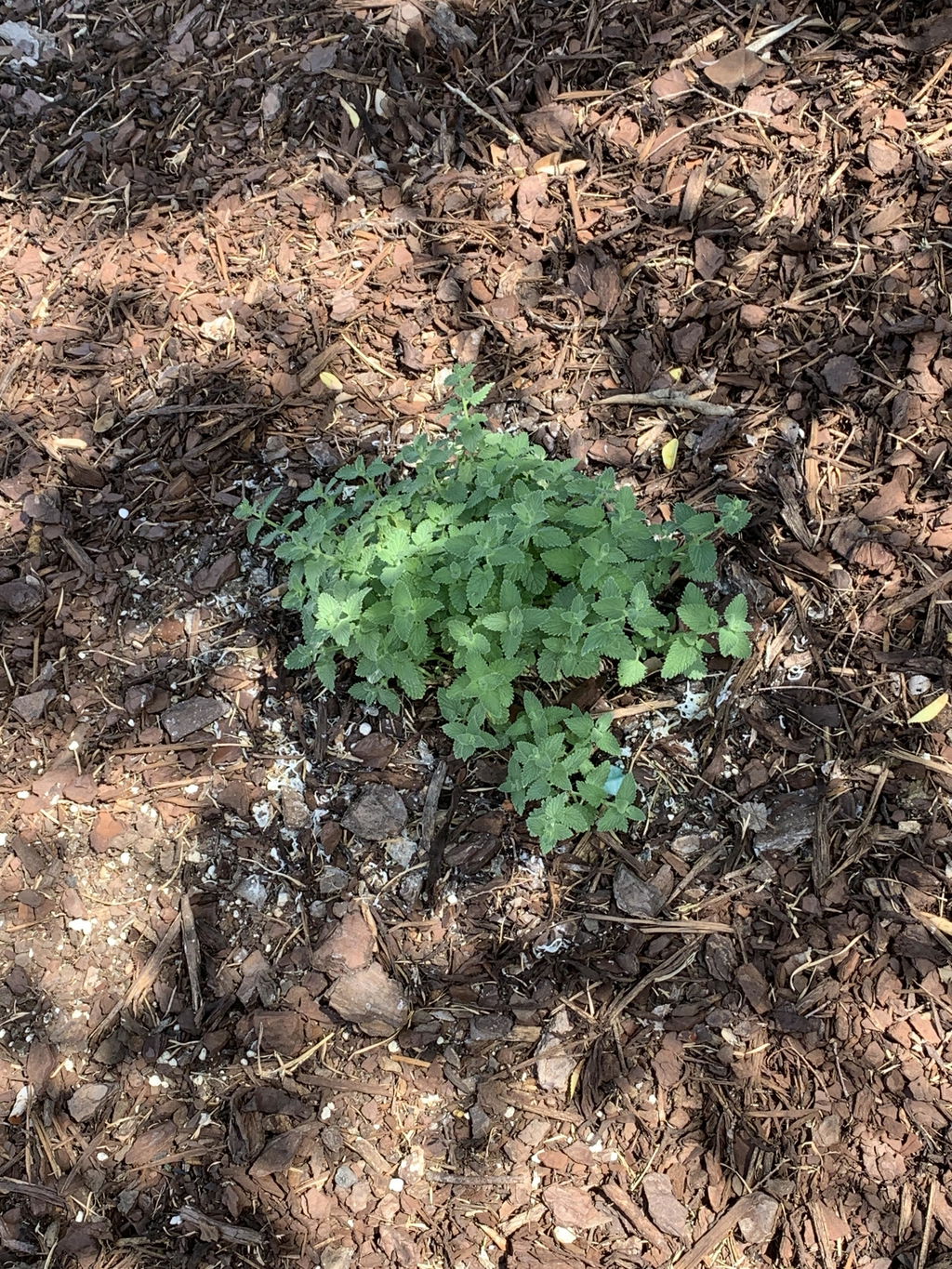
So far so good! Deer have not eaten it so far.
Hi Joan,
Thank you for leaving a review for our Walker's Low Catmint! We're glad to hear that the deer haven't been bothering it. Catmint is usually known for being deer resistant, so we're glad it's living up to its reputation for you. We hope you continue to enjoy your plant and the added bonus of attracting pollinators to your yard. Happy gardening!
Plants are doing well!
Walker's Low is such a reliable performer once it settles in. Thanks for the quick update, and we hope it keeps spreading and blooming well for you. The Nature Hills Team
So far, my plants are doing very well.
Walker's Low is a great performer once it settles in, so it's good to hear yours are off to a strong start, Kelsey. If you haven't already, cutting it back by about a third after the first bloom flush will encourage a nice second wave of flowers later in the season. Thanks for sharing the update.
I ordered the catmint and never received it. I sent 3-4 emails to different “contact us” addresses asking to have another plant sent or money refunded. No one has responded. I’ll probably never buy from Nature Hills again because customer service is so poor.
Very well packed and healthy on arrival
Cat's Meow is a tough one to ship well, so it's good to hear it arrived in solid shape. It should settle in quickly and reward you with a long bloom season. Thanks for letting us know, Dan.
The Early Bird Catmint plant I ordered is now blooming very nicely. Thanks so much for providing a wonderful product!
Catmint in full bloom is such a satisfying sight, and Early Bird earns its name by getting there ahead of most other varieties. Thanks for the update, Richard. If you want to encourage a second flush later in the season, a light shearing after the first bloom cycle usually does the trick.
Really very happy with the high quality of the plants
Hi Monique, Thank you for your kind words about our Walker's Low Catmint! We're so glad to hear that you're satisfied with the health and quality of the plants. As a tip, make sure to prune the plants after the first bloom to encourage a second round of beautiful flowers. Thank you - Nature Hills Customer Support
As usual, the plant was in perfect condition. Great plants and great service!
Dear Mary,
Thank you so much for taking the time to share your glowing review of our Catmint plants! We’re absolutely delighted to hear that your plant arrived in perfect condition once again and that our service continues to meet your expectations. Your continued trust means the world to us.
If you ever have questions about care tips or want advice on other plants that would complement your Catmint, please don’t hesitate to reach out. We’re always here to help your garden thrive.
Rooting for your garden’s success,
Your Nature Hills Plant Care Team
They came in in good shape. Nice plants i planted them and in a week they froze hope for the best. Thank you.Randy Manzonie
Hi Randy,
Thank you so much for taking the time to share your experience with us. We're glad to hear that your plants arrived in good shape and that you were able to get them in the ground quickly. Early planting can sometimes be a bit tricky with unexpected freezes—we completely understand your concern and are hopeful the plants pull through and regain their strength as the temperatures warm.
In the meantime, if you want to give your plants a little extra support, try protecting them with a frost cloth or covering them overnight when a freeze is expected. Also, mulching around the base can help retain soil warmth. If you’d like, we can recommend specific strategies or resilient plant varieties suited to your zone.
Please don’t hesitate to reach out if you have any questions or want guidance on how to care for your garden during cold snaps. We’re here to help every step of the way.
To greener days ahead,
Nature Hills Customer Care & Plant Support
They came in in good shape. Nice plants i planted them and in a week they froze hope for the best. Thank you.Randy Manzonie
Dear Randy,
Thank you so much for taking the time to share your experience with your new plants. We’re glad to hear they arrived in good shape and it’s wonderful that you’ve already taken the step to plant them. Sorry to hear they were affected by freezing temperatures—early winter or unexpected cold snaps can be tough on young plants.
To help your plants recover and thrive, be sure to mulch around the base to retain soil warmth and moisture. Also, if possible, creating a protective barrier with frost cloths or burlap during freezing nights can make a big difference. Feel free to check out our planting and care guides on NatureHills.com for more tips tailored to your specific plants and region.
We truly appreciate you trusting us with your garden, and we’re hopeful that your plants will bounce back stronger. Don’t hesitate to reach out if you have any questions or need further assistance—we’re always here to help!
Wishing you happy planting,
The Nature Hills Plant Experts
You cant go wrong with this plant - grows fast, blooms for a long time, smells great, and looks great all summer even in heat and humidity. Looks great with pink roses.
Dear St K.,
Thank you so much for sharing your wonderful experience with the Walker’s Low Catmint! We're delighted to hear it’s thriving beautifully in your garden and pairing so nicely with your pink roses. It really is a fantastic choice for heat and humidity, and many of our customers appreciate how long it blooms and the lovely fragrance it provides.
If you ever want to enhance your catmint’s health even further, watering early in the morning and adding a bit of mulch can help conserve moisture during the hottest months. Also, pruning spent blooms encourages even more flowering if you want to keep that season-long vibrancy going.
We appreciate you trusting Nature Hills with your garden—your feedback helps us nurture the growing community of plant lovers!
Bloom on,
The Nature Hills Plant Knowledge Team
I planted my catmint last spring and it's been the most delightful, healthy, and nearly maintenance-free specimen in my garden! The bees love it! We even had a late frost this year that wilted some of its growth but it came back right away with new stems. It gets very full so give them room to expand.
Dear Northern G.,
Thank you so much for sharing your wonderful experience with Walker’s Low Catmint! We’re thrilled to hear that it has become such a delightful and resilient part of your garden, especially after a late frost. Your note about giving the catmint plenty of room to expand is such a great tip! It truly thrives when allowed to spread its lovely, aromatic foliage.
It’s fantastic that the bees are enjoying it too—catmint is excellent for supporting pollinators and adding lively activity to your garden space. If you ever want to encourage even more blooms, occasional light pruning after flowering can promote fresh growth and keep it looking lush.
Please don’t hesitate to reach out if you’re thinking about adding complementary plants or have any questions along the way. We’re here to help cultivate your garden into a blooming paradise!
Rooting for your garden’s success,
Your Nature Hills Plant Care Team
I planted my catmint last spring and it's been the most delightful, healthy, and nearly maintenance-free specimen in my garden! The bees love it! We even had a late frost this year that wilted some of its growth but it came back right away with new stems. It gets very full so give them room to expand.
Dear Northern Grower,
Thank you so much for sharing your glowing experience with the Walker’s Low Catmint! We’re thrilled to hear it has become such a healthy, charming, and hardworking star in your garden. It’s wonderful that the bees are buzzing happily around it—it’s always rewarding to know our plants support local pollinators.
You made a great point about giving the catmint plenty of room—it certainly thrives when allowed to spread out. And kudos on your quick action following the late frost; Wolfgang’s Low resilience is remarkable, but keeping an eye out for weather conditions always pays off.
For continued success, you might consider light pruning after the first bloom period to encourage fresh growth and extend its flowering season, as well as allowing good air circulation to keep the foliage healthy. If you’re ever curious about companion plants that pair well with catmint or have questions on winter protection, feel free to reach out.
Happy gardening, and thank you again for your thoughtful feedback!
Wishing you happy planting,
The Nature Hills Plant Experts
I have a flower bed that spreads out in front on my home where I plant this and that as I acquire it. Bulbs rhizomes seeds plants. Whatever. This year I received a surprising reward! Early Spring some bulbs would flower, last a while then fade away, just as other bulbs would flower...all the way thru summer I had color in the front of the house. I knew the catnip would come up but it seems this year it flowered a little later but oh soo abundantly! I've enjoyed color in the front all summer!! I thot the catnip had bloomed but it was so little...then after the last rain they just popped!! The area is full of violet colored flowers in a green background! Oh, and early summer my white peonies look fantastic surrounded by the violet and green of the catnip!! What a joy!!
Hello OkiesKid,
Thank you so much for sharing your delightful gardening story! We love hearing how your flower bed has become a vibrant tapestry of blooms and greenery throughout the season. It’s wonderful that your Walker’s Low Catmint surprised you with such an abundant, late bloom—there’s truly something magical about those lovely violet flowers filling your garden well into summer. Pairing those blooms with your white peonies sounds absolutely stunning; colors that complement each other so beautifully can make all the difference in creating a joyful outdoor space.
If you ever want to boost the catmint’s lushness for next year, you might consider gently pruning any spent flowers once faded to encourage new growth and prolong blooming. Also, Walker’s Low thrives in full sun and well-drained soil, so mulching lightly can help retain moisture without waterlogging the roots.
Please don’t hesitate to reach out if you’d like any companion planting ideas or tips on prolonging blooms and managing perennial gardens—sharing these successes energizes us, too!
Bloom on,
The Nature Hills Plant Knowledge Team
I have a flower bed that spreads out in front on my home where I plant this and that as I acquire it. Bulbs rhizomes seeds plants. Whatever. This year I received a surprising reward! Early Spring some bulbs would flower, last a while then fade away, just as other bulbs would flower...all the way thru summer I had color in the front of the house. I knew the catnip would come up but it seems this year it flowered a little later but oh soo abundantly! I've enjoyed color in the front all summer!! I thot the catnip had bloomed but it was so little...then after the last rain they just popped!! The area is full of violet colored flowers in a green background! Oh, and early summer my white peonies look fantastic surrounded by the violet and green of the catnip!! What a joy!!
Hello Okies K.,
Thank you so much for sharing your delightful gardening experience with us! We’re thrilled to hear that your Walker’s Low Catmint turned out to be such a splendid “great surprise” this season. It sounds absolutely magical to have your flower bed lively with color all summer long, especially with those lovely violet blooms beautifully accentuating your white peonies. There’s nothing quite like that vivid contrast to brighten up your home’s front yard.
Catmint is indeed a wonderful perennial that rewards gardeners with its resilience and charm. Your observation about it blooming a little later yet more abundantly after the rain is spot on — Adequate watering, particularly following dry spells, can really encourage plentiful flower production in catmint. To keep them thriving for many growing seasons, it helps to occasionally prune back fading blooms to promote continuous flowering and manage plant spread effectively.
If you’re interested in further enhancing seasonal blooms, layering bulbs, shrubs, and perennials (like your hydrangeas, salvia, or coneflowers) could keep your flower bed coming alive in vibrant steps all summer long—but it sounds like you are already well partway there! We’re happy to offer personalized plant pairing suggestions or tips if you ever want ideas for next year planting.
Again, we truly appreciate you sharing this lovely testament to how gardening can uplift spirits throughout the season. Here’s to many more colorful, joyous surprises for your beautiful garden!
Wishing you happy planting,
The Nature Hills Plant Experts
Catmint is my favorite of all perennials. Love, love, love it - the color of the foliage and the flowers, the fragrance, the shape and that it attracts butterflies and bees. Can't get enough of it. And separate it, and wa-lah! free plants!!
Hello Ma,
Thank you so much for sharing your wonderful love for Walker’s Low Catmint! We absolutely agree—its silvery foliage, delicate purple flowers, and delightful fragrance make it a standout perennial in any garden. Plus, its ability to attract butterflies and bees is such a joyful bonus for a healthy, vibrant outdoor space. Your tip about dividing the plants for effortless propagation is perfect—Catmint really is generous that way!
If you’re ever looking for ideas to pair it with other pollinator-friendly plants or want advice on perfect growing conditions to keep your Catmint thriving, just let us know. We’re here to support your gardening passions every step of the way.
Bloom on,
The Nature Hills Plant Knowledge Team
Catmint is my favorite of all perennials. Love, love, love it - the color of the foliage and the flowers, the fragrance, the shape and that it attracts butterflies and bees. Can't get enough of it. And separate it, and wa-lah! free plants!!
Hello Ma,
Thank you so much for sharing your wonderful love for Walker's Low Catmint! We’re thrilled to hear how much you appreciate the beautiful foliage, delicate flowers, and delightful fragrance – not to mention the added bonus of those busy butterflies and bees visiting your garden. Your tip about separating catmint to create more plants is such a perfect way to effortlessly expand your garden while enjoying this beloved perennial’s charm.
If you’re ever interested in maximizing the health of your catmint or exploring companion plants that thrive alongside it, we’d be happy to provide some tailored recommendations. Also, long-term tip: catmint thrives with plenty of sunshine and well-drained soil, and pinching back the blooms midseason can promote an extended flowering period just in case you want even more gorgeous color throughout the growing season.
Thanks again for your wonderful feedback and joyous enthusiasm — it truly warms our hearts!
Wishing you happy planting,
The Nature Hills Plant Experts
It is does exactly as stated. The only unexpected thing that happened is that it grew at an alarmingly fast rate. No need to wait a few years for this to grow to maturity. Mine in the 1st year of owning is easily at maturity. Which mine is at least 3 1/2 feet across. I have one in full sun...which is the biggest. And another in partial sun which is still big, but not as big as the full-sun plant. Definitely have a nice smell. And the butterflies and bumble bees can not get enough of them.
Hi Heather,
Thank you so much for sharing your wonderful experience with Walker’s Low Catmint! We’re delighted to hear that your plants have thrived so beautifully—and faster than expected, too! It’s amazing how full sun can really boost their growth rate, as you noted, and the way your garden is attracting butterflies and bumblebees sounds like a true haven of life and fragrance.
Since your catmint is flourishing so well, you might find occasional pruning helpful after peak bloom to maintain a neat shape and encourage continued growth through the season. Just trim back the flowering stems lightly, and your plants will thank you with fresh blooms all summer long! If you ever want tips on companion plants or ways to enhance your pollinator-friendly garden even further, feel free to reach out—we’re always happy to help.
Thanks again for celebrating your gardening success with us!
Rooting for your garden’s success,
Your Nature Hills Plant Care Team
It is does exactly as stated. The only unexpected thing that happened is that it grew at an alarmingly fast rate. No need to wait a few years for this to grow to maturity. Mine in the 1st year of owning is easily at maturity. Which mine is at least 3 1/2 feet across. I have one in full sun...which is the biggest. And another in partial sun which is still big, but not as big as the full-sun plant. Definitely have a nice smell. And the butterflies and bumble bees can not get enough of them.
Hi Heather,
Thank you so much for sharing your wonderful experience with the Walker’s Low Catmint! We’re delighted to hear that it has exceeded your expectations, especially with how quickly it has reached maturity. It’s lovely to know your full sun plant is flourishing so broadly and attracting all those busy pollinators—there’s truly something magical about a garden buzzing with butterflies and bumble bees!
Since your plants are thriving in different sun exposures, you’ve already got a great understanding of their adaptability. Just a quick tip: to keep that catmint looking its best year after year, especially at such a robust size, a regular prune after flowering can encourage lush growth and keep the scent vibrant. And if you ever want to try companion plants that are known to thrive alongside catmint and support pollinators, we’d be happy to recommend some beauties!
Thanks again for your thoughtful feedback. We always love hearing how our plants are doing in your gardens!
Bloom on,
The Nature Hills Plant Knowledge Team
My catmint plants bloom for a long period of time making it constant color and a versatile companion to other colorful perennials that may come and go in a shorter period of time. Beautiful shape and foliage too! It does have a tendency to thrive so easily in many conditions that it can take over a large section of a small garden and crowd out the other plants above and below ground with a large root ball....just plant alone or give it at least a 2-3 ft. radius of it's own space when mixed with other plants. The bees and butterflies love it!
Hi Ericka,
Thank you so much for sharing your wonderful experience with Walker’s Low Catmint! We’re delighted to hear how its prolonged blooms and attractive foliage have added continuous color and charm to your garden. It’s fantastic that the plant's bright flowers are drawing in playful bees and butterflies, truly enhancing your garden’s ecosystem.
You make a great point about its vigorous growth and tendency to spread. Your advice to give it a healthy 2–3 ft. radius or plant it solo to avoid crowding is definitely wise. For those with smaller garden spaces, occasional pruning or dividing the roots annually can help keep the plant happily vibrant without overpowering neighbors in the soil layer.
Please don’t hesitate to reach out if you’d like more tailored tips for balancing Walker’s Low Catmint with other perennials or herbaceous companions. Your thoughtful insights and passion inspire us!
Bloom on,
The Nature Hills Plant Knowledge Team
My catmint plants bloom for a long period of time making it constant color and a versatile companion to other colorful perennials that may come and go in a shorter period of time. Beautiful shape and foliage too! It does have a tendency to thrive so easily in many conditions that it can take over a large section of a small garden and crowd out the other plants above and below ground with a large root ball....just plant alone or give it at least a 2-3 ft. radius of it's own space when mixed with other plants. The bees and butterflies love it!
Dear Ericka,
Thank you so much for sharing your wonderful experience with Walker’s Low Catmint! We’re thrilled to hear how beautifully it blooms and that it brings continuous color to your garden—plants that provide lasting joy are truly special. You made a great observation about its vigorous growth and spreading habit. Your advice on planting it with ample space or on its own is invaluable information for fellow gardeners looking to maintain harmony in mixed beds.
If you ever notice it becoming too expansive, light pruning after the first rush of blooms can help keep its shape and vigor balanced without overwhelming nearby plants. Also, mulching can sometimes curb aggressive root spread, though giving it room is definitely key!
We’re glad the bees and butterflies appreciate your catmint as much as you do — it’s wonderful seeing pollinators thrive in gardens!
Wishing you happy planting,
The Nature Hills Plant Experts
