Care guide
Anemone Care
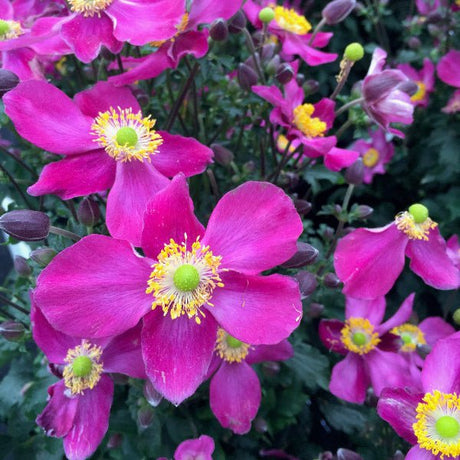
Japanese anemones bring late summer and fall flowers to sun or part shade. Here is where to plant them, how to keep the soil evenly moist without letting it turn soggy, when to cut them back, and how spring-blooming snowdrop and Canada anemones differ.
Zones 4– to 8
This week in Zone
This week:
Hold off:
Where to Plant
Japanese anemones bloom from late summer into fall. Plant them in full sun to part shade in evenly moist, well-drained soil rich in organic matter. In cooler climates they can take full sun if the soil stays moist. In warmer zones, dappled or part shade protects them from hot midday sun and keeps the foliage from burning. Shelter them from wind, and avoid wet, poorly drained soil, especially in winter. Plant in spring.
Japanese anemones grow about 14 inches to 4 feet tall in bloom, depending on the variety, and spread by rhizomes. They may be slow to establish, but in loose, rich soil they can spread and crowd nearby perennials, so give them room. Compact varieties spread slowly.
Snowdrop anemone blooms in spring. It grows in part shade, tolerates full shade, and likes medium moisture, well-drained soil. It can spread aggressively in loose soil and spreads less in clay. Canada anemone also blooms in spring and takes full sun to part shade and medium to wet soil. It flops in too much shade and can spread aggressively by rhizomes.
Watering Requirements
Japanese anemones need soil that stays evenly moist, so do not let it dry out. They also dislike wet, poorly drained soil, particularly in winter, so good drainage matters as much as steady moisture. Water new plants well after planting. A layer of mulch helps keep the roots cool.
Snowdrop anemone grows best in medium moisture, well-drained soil. Canada anemone handles medium to wet soil.
Pruning Tips
Japanese anemones bloom from late summer into fall, and the flowers often keep going past the first frost. Leave the stems until frost kills them. Then cut them back, or leave the stems standing over winter as shelter for pollinators and other wildlife and cut them back in early spring, before bees start flying. If a plant had leaf spot or powdery mildew, cut its stems to about 2 inches above the crown in fall and put the debris in the trash, not the compost.
Taller Japanese anemones may need staking or other support. New plants that come up from the rhizomes where you do not want them are easy to dig or pull, and spring is the time to move them. Divide Japanese anemones in spring. Canada anemone can be divided from May to September.
Wear gloves when handling Japanese anemones. The sap can irritate the skin of some people, and all parts are toxic if eaten.
Fertilizer Needs
Japanese anemones prefer fertile soil rich in organic matter. Work organic matter into the soil when you plant. Fallen leaves raked around the plants as mulch break down and feed the soil as a natural fertilizer. Snowdrop anemone prefers moist soil with sand and humus in it, and Canada anemone prefers moist, humus-rich soil.
Through the year
Spring Care
Japanese anemones are late to emerge in spring. If you left last year's stems standing, cut them back in early spring, before bees start flying. Plant new Japanese anemones in spring, and divide them then. Dig or pull rhizome shoots that come up where you do not want them. Snowdrop and Canada anemones bloom in spring.
Summer Care
Keep Japanese anemone soil evenly moist through summer and do not let it dry out, but avoid soggy soil. Mulch to keep the roots cool. In hot, dry, sunny spots the foliage can burn. Taller plants may need staking. Japanese anemones begin blooming in late summer. Watch for leaf spot and powdery mildew.
Fall Care
Japanese anemones bloom into fall, often past the first frost. Once frost kills the stems, cut them back, or leave them standing over winter for wildlife. Trash the stems of any plant that had disease. In fall, spread a heavy mulch around new Japanese anemones for their first two seasons to help prevent frost heaving. Snowdrop anemone may bloom again in the cooler weather of early fall.
Winter Care
In cold winter climates, Japanese anemones appreciate a winter mulch. They dislike wet, poorly drained soil in winter. Stems left standing over winter help protect the crowns and shelter pollinators. Cut them back in early spring, before bees start flying.
Anemone varieties
Shop all Flowering Perennials-
Fall in Love® Sweetly Japanese Anemone
Anemone x 'Sweetly'
★★★★★(2)Sale price $2493 Regular price $3562 30% offUnit price /Unavailable -
September Charm Japanese Anemone
Anemone x 'September Charm'
★★★★★(5)Regular price From $1999Unit price /Unavailable -
Honorine Jobert Japanese Anemone
Anemone x 'Honorine Jobert'
Sale price $2662 Regular price $3549 25% offUnit price /Unavailable -
Curtain Call Pink Japanese Anemone
Anemone 'Curtain Call Pink'
Sale price $2480 Regular price $3543 30% offUnit price /Unavailable -
Fantasy™ Red Riding Hood Japanese Anemone
Anemone x hybrida 'Fantasy Red Riding Hood'
★★★★★(2)Sale price $2666 Regular price $3554 25% offUnit price /Unavailable -
Anemone sylvestris
Sale price $1790 Regular price $2984 40% offUnit price /Unavailable