


Tina Sargent Crabapple Tree
Malus sargentii 'Tina'


Plant Sentry™ Protected
Your order is protected by our compliance system that:
- Prevents restricted plants from shipping to your state
- Ensures plants meet your state's agricultural requirements
- Protects gardens from invasive pests and diseases
Specifications
| Hardiness Zone | 4a to 8b |
|---|---|
| Sunlight | Full sun |
| Height | |
| Width | |
| Growth Rate | Moderate |
| Watering Needs | Moderate |
| Preferred Soil | Clay, Loamy |
| Blooms In | Spring, Fall |
| Flower Color | White |
| Fragrant | Yes |
| Plant Characteristics | Cold hardy, Disease resistant, Flowering, Ornamental Berries/Fruit, Fall Color/Interest, Attracts pollinators, Compact/Dwarf, Fragrant, Attracts Birds, Attracts Butterflies, Attracts Hummingbirds, Hedge/Screen, Clay Tolerant, Full Sun |
| Botanical Name | |
| Does Not Ship To | AK, CA, HI, ID, MT, OR, PR, VI, WA |
Description
Tina Sargent Crabapple (Malus sargentii 'Tina') is one of the smallest crabapples you can grow, a densely branched, spreading dwarf that reaches about 4 to 5 feet tall and 4 to 6 feet wide. It thrives in zones 4 through 8.
Tina is a compact selection of Sargent crabapple and stays far smaller than the species. In April, pink to red buds open to a profuse bloom of fragrant, single white flowers about an inch across. Small red fruit, only 1/4 inch across, ripens in fall and lasts a long time on the branches, where birds come to feed. Its lobed, dark green leaves stay neat on the dense branches through summer. Tina has excellent disease resistance, with only minor susceptibility to apple scab, leaf spot and fire blight.
Use it where a full-size crabapple would never fit: as a small specimen, in groups in a mixed border, along a fence, or as a low flowering screen or hedge. As a single specimen, allow about 6 feet of space. Tina tolerates clay soil and urban conditions, and it attracts butterflies and hummingbirds as well as birds.
- Light: full sun, at least six hours of direct light a day
- Water: medium moisture; established plants have some drought tolerance
- Soil: well-drained, acidic loam is best, and it adapts to a wide range of soils, including clay
- Care: prune in late winter, not spring, since fresh cuts let fire blight in. For more, see our crabapple care and selection guide
Add Tina Sargent Crabapple to your cart, backed by our 45-day Growing & Glowing Guarantee.
Planting & Care
Delivery and Shipping
Shipping Rates
Ships in 3-5 business days • Tracking provided • Weather protected
| Under $50 | $9.99 |
| $50 - $99.99 | $14.99 |
| $100 - $149.99 | $16.99 |
| $150 - $198.99 | $24.99 |
| $199+ | FREE |
✓ Zone-specific timing • ✓ Professional packaging • ✓ Health guarantee
Find on Page
Type to search specs, description, care, FAQ, and shipping.
Other varieties
-

-

-

-

Sweet Sugar Tyme® Flowering Crabapple Tree
Malus 'Sweet Sugar Tyme'
New arrivalRegular price $11499Unit price /Unavailable -

Coralburst® Flowering Crabapple Tree
Malus x 'Coralburst'
Regular price $6999Unit price /Unavailable


Plants similar to Tina Sargent Crabapple Tree
-

Syringa x 'Bloomerang Dark Purple'
Regular price From $4833Unit price /Unavailable -

-

Syringa x hyacinthiflora 'Scentara Double Blue'
Regular price From $9224Unit price /Unavailable -

-
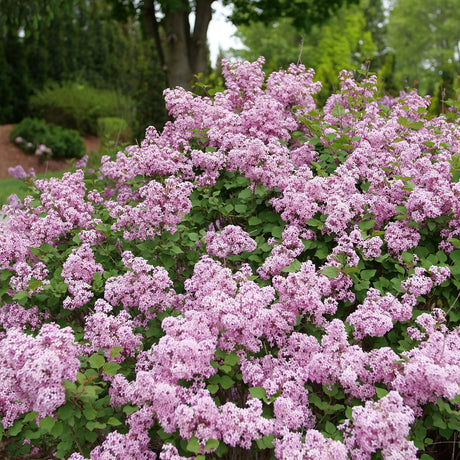
Bloomerang Purpink® Reblooming Lilac
Syringa x pubescens 'Bloomerang Purpink'
Regular price From $9024Unit price /Unavailable -

Bloomables® New Age™ Lavender Lilac
Syringa vulgaris 'New Age Lavender'
Regular price From $8641Unit price /Unavailable -

Syringa x hyacinthiflora 'Scentara Pura'
Regular price From $8903Unit price /Unavailable -

Bloomables® New Age™ White Lilac
Syringa vulgaris 'New Age White'
Regular price $8641Unit price /Unavailable


