


-
-
-
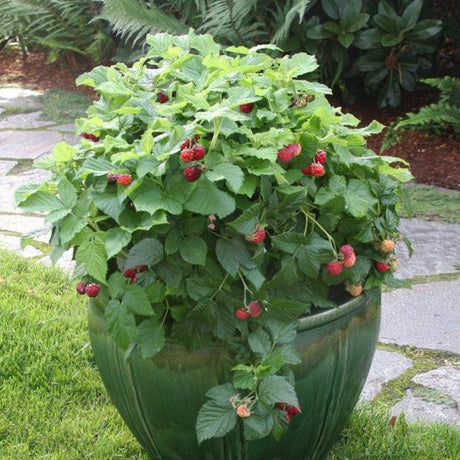
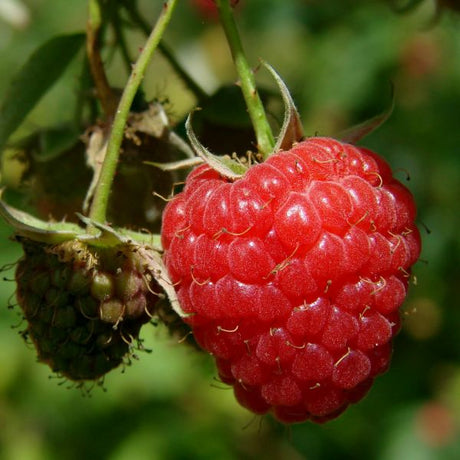
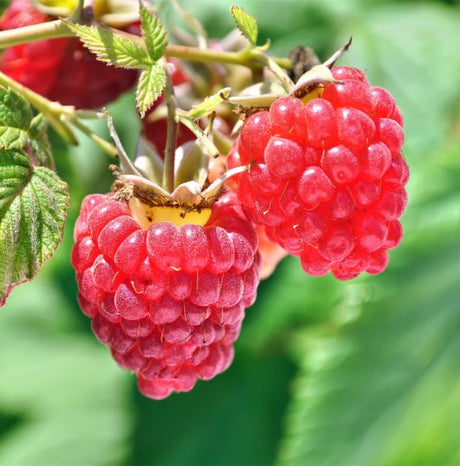
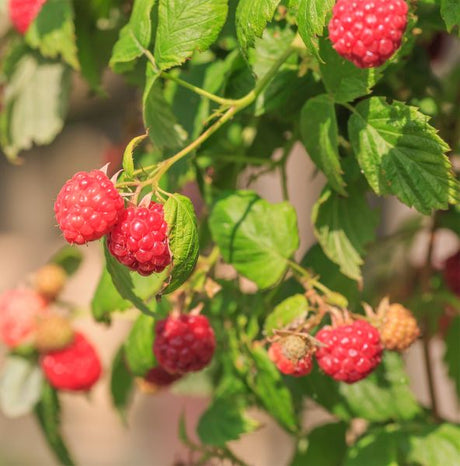
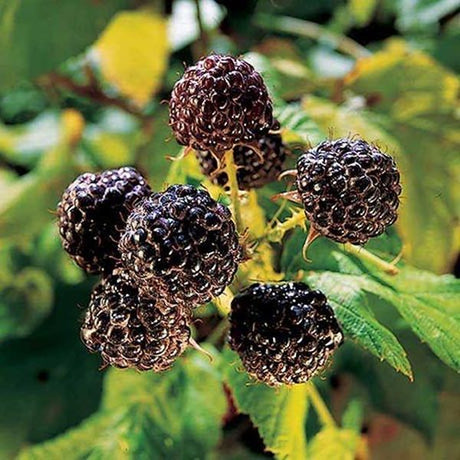
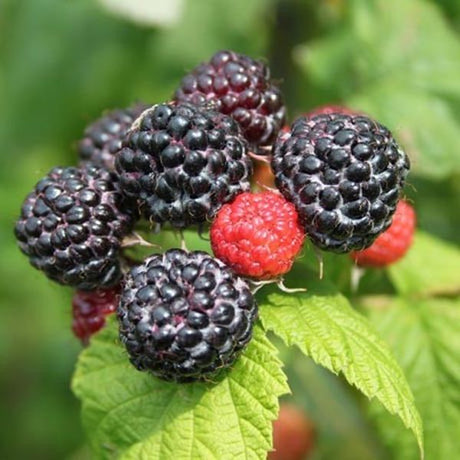
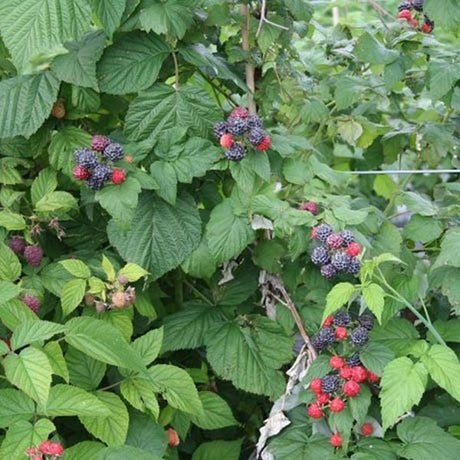
Rubus idaeus var. strigosus 'Heritage'
Regular price $3900Unit price /Unavailable -
-
-

Raspberry Plants
Raspberry Bushes for Sale at Nature Hills
Raspberries are one of the plants we’re most thankful for! Browse our inventory for varieties with sweet berries that range in color from bright red to golden orange to deepest burgundy.

Origins of Raspberry Plants
Red raspberries were said to exist before the Romans came into power, and the Romans are credited with initially spreading the raspberry across Europe. The English took the raspberry and hybridized it, improving its hardiness and production during the Middle Ages. The English also exported the plant to the American colonies in the 1700s, where they’ve thrived ever since. The black raspberry is native to North America.
Raspberries belong to the genus Rubus. There are over 200 species of raspberries, and the fruits can be red, purple, black, yellow, or orange. Botanically, the raspberry is not a berry at all but an aggregate fruit of numerous drupelets around a central core. Raspberries are harvested from early summer into the fall.
Raspberry Varieties
Choose raspberry plants to fill out your garden or grow in containers. These berry plants thrive in many USDA planting zones with many cold-tolerant varieties. Plant them in well-drained soil where they will get plenty of sun, though some varieties tolerate partial shade.
Here are some popular selections:
- Jewel Raspberry Bush - Earliest ripening, deep burgundy colored fruit, petite white blossoms, shade-tolerant, everbearing
- Revolutionary Bushel & Berry® Raspberry Shortcake Bush - Early ripening, bright red fruit, dwarf variety that’s perfect for containers
- Boyne Raspberry Plant - Mid-season ripening, ruby red fruit, thrives in cold climates, superior disease resistance, no staking required
- Fall Gold Raspberry Bush - Produces two abundant crops per year, rare golden colored fruit, cold-tolerant, best in raised beds

Uses for Healthy Berries
Raspberries have many uses. The leaves of raspberry plants are used to make herbal teas that are purported to be soothing for sore throats and stomach ailments. Raspberries contain antioxidants that help promote cardiovascular health. The fruits are rich in vitamin C and are a good source of soluble fiber. They contain less than 1 gram of fat per cup, very little sodium, and no cholesterol. Raspberries are very tasty when eaten as a fresh fruit, and they are excellent in jams, jellies, pies and dessert toppings.
Why Buy Raspberry Plants from Nature Hills Nursery?
Get the highest-quality trees and plants, plus all your gardening needs, delivered right to your door from Nature Hills Nursery. We’re proud to be perpetually in compliance with all federal, state, and local requirements with help from Plant Sentry™, and we guarantee all our plants for their first year of life.

