
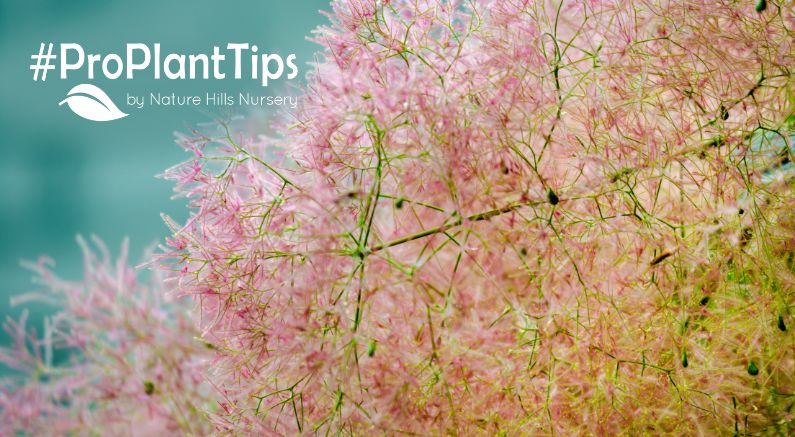

Looking for a head-turning plant that adds color, movement, and charm to your landscape? Meet the Smokebush, your garden's new conversation piece! With its cotton candy-like plumes and bold foliage, Smokebush (Cotinus) brings the drama and backs it up with easy care and powerful pollinator appeal.
Whether you call it Smokebush or Smoketree, this vibrant deciduous shrub is bursting with personality. It's got bold color, soft texture, and a touch of whimsy that will make your landscape stand out in all the best ways!
What Is A Smokebush?
Smokebush is a large shrub or small tree, known for its cloud-like flower clusters that look like puffs of smoke floating over the leaves. These unique blooms show up in late spring to summer and last all the way until frost!
- Cotinus obovatus is native to the Southern and Midwestern U.S.
- Cotinus coggygria has roots in southern Europe and China
Both species offer colorful foliage that shifts with the seasons. Spring starts with shades of purple, red, chartreuse, or blue-green, and fall finishes with blazing tones of orange, burgundy, and gold. Talk about a four-season showstopper!
Female plants can have small, shiny seeds nestled among the smoke-like plumes, and the birds go crazy for them!
Perks of the Smokebush
- Bold, colorful foliage: Shades of purple, red, chartreuse, or nearly black, season-long leaf interest!
- Whimsical smoke-like blooms: Fluffy, airy plumes that add motion and magic to the landscape.
- 4-season interest: Spring color, summer texture, fall fireworks, and winter silhouette.
- Pollinator-friendly: Tiny flowers attract bees, butterflies, and other beneficial insects.
- Bird-approved: Female plants produce seeds loved by songbirds.
- Drought-tolerant once established: Thrives in tough spots and low-water landscapes.
- Cold-hardy and resilient: Stands up to heat, cold, and poor soils with ease.
- Versatile: Can be shaped into a shrub or trained into a small ornamental tree.
Smokebush Planting & Care Guide
These plants are low-maintenance powerhouses, making them perfect for beginners and seasoned gardeners alike.
Planting Tips
- Sunlight: Full sun is best for vivid color and dense growth. Tolerates partial shade.
- Soil: Very adaptable! Grows well in sandy, rocky, or well-drained clay soils.
- pH Range: Prefers acidic soils between 3.7 and 6.8.
- Spacing: Give larger varieties 10-15 feet of room; dwarf types can be spaced closer.
Watering Needs
- Water regularly after planting using the Finger Test (stick your finger 2 inches into the soil; if it's dry, water). Continue during your shrub's first year in the ground and prolonged drought.
- Once established, Smokebush is drought-tolerant and tough as nails.
Mulching
- Apply 3-4 inches of arborist mulch to lock in moisture and maintain acidic soil conditions. Use pine bark, pine straw, or peat moss to keep the pH low.
Pruning
- Prune in late winter or early spring to shape the shrub or encourage new growth.
- Smokebush can be cut back hard for bushier growth and bigger foliage.
- Smokebushes bloom on new wood. Which means it forms its signature fluffy, smoke-like flower plumes on the current season's growth.
Landscape Uses: Endless Possibilities!
Smokebush is more than just a pretty face! Use it to fill practical and decorative roles in your yard:
-
Focal point planting: Add instant "wow" to front yards, garden beds, and entrances.
-
Privacy screens and hedgerows: Tall, bushy varieties make excellent natural fences.
-
Small shade tree: Some larger forms can be trained into multi-stemmed tree shapes. "Limb-up" by removing the lower third of branches along 1-3 main trunks. Remove other smaller trunks to create a tree-form that adds to your landscape big time! Cooke's Purple™ Smokebush is ideal for you to create your own Smoke Tree!
-
Garden backdrops: Create drama and contrast behind flowering perennials or ornamental grasses. Perfect to include in Dark Foliage Gardens!
-
Mixed shrub borders: Pair with Evergreens, Hydrangeas, or native shrubs for a biodiverse planting. The long-lasting color and mist-like flowers add 3 seasons of color.
-
Cottage Gardens and Children's Gardens: Adds a dreamy, Dr. Seuss-like vibe!
-
Rock Gardens: Dwarf Smokebush fits right in with rugged, dry-loving companions.
-
Container Gardens: Compact forms are patio-perfect and mobile. Dwarf forms like Dusky Maiden work great in large planters and raised beds.
-
Outdoor Rooms: Used to define spaces or soften the edges of structures and patios. You'll love the privacy of being enveloped by purple foliage and mist-like plumes!
- Cut Flower arrangements: Add fluffy plumes to bouquets and dried arrangements as filler flowers and fine-textured elements.
Wildlife Benefits
Hardy throughout USDA growing zones 4 to 9, and ranging from deep purple, burgundy, maroon, near-black, and gold, Smokebush isn't just beautiful, it's also wildlife-friendly!
- Pollinators love the airy flower clusters, including bees and butterflies.
- Birds flock to female plants for the tiny seeds.
- The open branching provides shelter and nesting opportunities for songbirds and beneficial insects.
- Deer-resistant and disease-resistant, making it a great addition to eco-conscious landscapes.
Top Smokebush Varieties To Love At Nature Hills!
Choose from a variety of sizes and foliage colors to match your garden's style:
- American Smokebush: Native species that can grow 10-15 feet tall.
- Cooke's Purple™ Smokebush: Large, richly colored foliage and purple plumes. A giant that can grow 15 - 20 feet tall.
- Royal Purple Smokebush: Deep purple foliage with long-lasting flower clouds.
- Golden Spirit Smokebush: Bright chartreuse leaves and soft, white smoky blooms.
- Velvet Cloak Smokebush: Glossy reddish-purple leaves with a dense, upright habit.
- Winecraft Black® Smokebush: Dwarf and dramatic with near-black leaves.
- Dusky Maiden Smokebush: A smaller dwarf size with a refined, elegant look.
Colorful Companion Plants
Pair your Smokebush with these bold-leaved gold and dark foliage favorites to create year-round color contrast, texture, and garden drama.
Dark Foliage Companions
- Ninebark: Diabolo®, Summer Wine®, and Little Devil™ offer deep burgundy to black foliage and spring flowers.
- Elderberry: Black Lace®, Black Tower™, or Laced Up® adds finely cut, almost-black foliage and pink blooms.
- Spirea: Midnight Wine® and Spilled Wine® bring compact forms with dark, glossy leaves and pink flowers.
-
Purple Leaf Sand Cherry: Reddish-purple foliage with spring blossoms for vibrant contrast.
Loropetalum (Chinese Fringe Flower): Ever Red® delivers burgundy evergreen foliage and vivid fuchsia blooms.
Gold & Chartreuse Companions
- Spirea: Goldmound lights up the garden with golden leaves and soft pink flowers.
- Ninebark: Lemon Candy brings bold yellow foliage and a compact habit.
- Barberry: Sunjoy® Gold Beret offers bright yellow color in a tidy mound.
- Smokebush: Golden Spirit contrasts beautifully when paired with darker varieties.
- Evergreens: Golden Mop False Cypress and Fire Chief™ Arborvitae add golden evergreen texture.
- Carex (Sedge): Evercolor® Everillo adds a grassy, chartreuse texture perfect for edging.
- Lemony Lace® Elderberry brings golden-green lace as a contrast.
- Tiger Eyes® Cutleaf Staghorn Sumac also brings lacy chartreuse contrast and fiery fall color.
Bring Misty Magic Home!

If your garden needs a little more magic, color, and curiosity, Smokebush is your go-to shrub! With dramatic foliage, cotton-candy plumes, and whimsical form, these easy-care shrubs are ready to dazzle. Plus, they're pollinator-friendly, bird-approved, and tough enough to thrive in sun, heat, and dry soil.
At Nature Hills Nursery, we carry top-performing Smokebush varieties to suit any garden size or style. Whether you're planting for wildlife, color, privacy, or pure enchantment - Smokebush has the goods!
Happy Planting!


