Closed for Thanksgiving Nov 26 to 29. Orders placed Nov 25 to 30 ship starting Tuesday, Dec 1.

Shop With Confidence: FREE Growing & Glowing Guarantee

Free Shipping on Orders $199+

Care guide

Paperbark Maple Care

Paperbark maple is a slow growing small tree known for cinnamon to reddish brown bark that peels in papery curls. It wants sun to part shade, moist, well drained soil and, like most maples, little pruning. Here is where to plant it, how to water it in and when to prune.

Zones 4 to 8

Paperbark Maple Tree

Where to Plant

Plant paperbark maple in full sun to part shade, in moist, well drained soil. It grows in sand, loam or clay and adapts to a range of soil pH, and it is easily grown in slightly acidic soil. In cold winter areas, it does best in a sheltered spot.

It grows slowly to 20 to 30 feet tall and 15 to 25 feet wide, small enough for an accent tree near a patio or in a small garden.

Balled and burlapped and container trees transplant well in spring. Dig the hole two to three times wider than the root ball, set the tree so the flare where the trunk meets the roots sits at or above ground level, backfill and water right away. A tree planted too deep may struggle.

Watering Requirements

Paperbark maple prefers moist, well drained soil. Water a newly planted tree regularly so the soil is wet about 12 inches down while the roots establish. Sandy and loamy soils may need water every two to four days; heavy clay needs it less often. Establishing a good root system can take up to three years.

Once established, maples need a moderate amount of water. Maples planted in lawns can get too much water, which can lead to root rot and other problems.

Pruning Tips

Paperbark maple is a low maintenance tree. Maples usually need only minimal pruning once their basic structure is set in the early years. Prune in early spring while the tree is still dormant, when the branches are easy to see, and remove dead, diseased or crossing branches.

Fertilizer Needs

Trees do not usually need added fertilizer. If the tree seems to be struggling, with small leaves and less than 5 inches of new growth a year, have the soil tested to see whether it needs more nutrients before you feed.

Through the year

Spring Care

Do any pruning in early spring while the tree is still dormant. Spring is also the time to plant balled and burlapped or container trees. Keep a thin layer of mulch, 1 to 2 inches, around the base to hold down weeds.

Summer Care

Water a newly planted tree regularly so the soil stays wet about 12 inches down. Clear grass 2 to 4 feet out from the trunk, and keep mowers and string trimmers away so they do not wound it. Small leaves and less than 5 inches of new growth are the signal to test the soil.

Fall Care

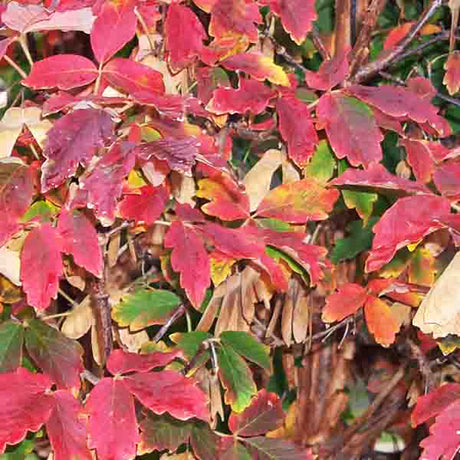
Paperbark maple is one of the last maples to color in fall, in shades from orange and red to bronze green, and the leaves hang on into winter. Pull or hoe weeds under the tree rather than tilling, which damages roots near the surface.

Winter Care

Once the leaves finally drop, the bark is on full display. The papery curls stay on the trunk and limbs instead of falling to the ground. Plan any pruning for early spring, while the tree is still dormant.

Paperbark Maple varieties

Shop all Maple Tree
  • Back in stock

    Paperbark Maple Tree

    Acer griseum

    Regular price From $10499