


Blue False Indigo
Baptisia australis


Plant Sentry™ Protected
Your order is protected by our compliance system that:
- Prevents restricted plants from shipping to your state
- Ensures plants meet your state's agricultural requirements
- Protects gardens from invasive pests and diseases
Specifications
| Plant Characteristics | Cold hardy, Low Maintenance, Native, Flowering, Clay Tolerant, Deer-resistant, Heat Tolerant, Drought resistant, Attracts pollinators, Fragrant |
|---|---|
| Hardiness Zone | 3a to 9b |
| Sunlight | Full sun, Partial shade |
| Height | |
| Width | |
| Watering Needs | Moderate |
| Preferred Soil | Clay |
| Growth Rate | Moderate |
| Plant Life Cycle | Perennial |
| Blooms In | Spring, Summer |
| Flower Color | Blue, Purple |
| Foliage Color | Blue green, Green |
| Native | Yes |
| Native To |
Alabama,
Arkansas,
Connecticut,
Delaware,
Georgia,
Indiana,
Iowa,
Kansas,
Kentucky,
Maryland,
Massachusetts,
Missouri,
Nebraska,
New Hampshire,
New Jersey,
New York,
North Carolina,
Ohio,
Oklahoma,
Pennsylvania,
Tennessee,
Texas,
Vermont,
Virginia,
West Virginia
+19 moreshow less |
| Pet Safety | Toxic to pets |
| Suitable Space | Outdoors |
| Botanical Name | |
| Species | |
| Class | Fabidae, Magnoliopsida |
| Does Not Ship To | AK, HI, ID, MT, PR |
Description
Brilliant Blue Native Wildflower
Blue False Indigo (Baptisia australis) is a stunning American prairie restoration native perennial bursting with true indigo-blue, pea-like blooms that open in early spring. Its flower spikes attract clouds of fluttering butterflies and pollinators while providing an unforgettable color display.
This bushy perennial features deeply divided blue-green leaves on a rounded 3–4 foot tall form. Long-lived and hardy through USDA zones 3–9, it dies back each winter and returns stronger every spring. After the flowers fade, the plant develops intriguing seed pods that rattle in the breeze and add fantastic fall and winter interest to the landscape.
Native to the American Midwest, this plant has been loved for generations. Its tough, adaptable nature and nitrogen-fixing roots improve soil health, while its classic blue blooms have made it a favorite in town squares, prairies, and pollinator gardens across the country.
Key Features
- Gorgeous indigo-blue pea-like floral spikes
- Tall, bushy form with fine-textured blue-green foliage
- Long-lived, cold-hardy native perennial
- Lovely cut flowers and fall seed pods
- Attracts butterflies and beneficial insects
- Great for soil improvement and firewise landscaping
- Works beautifully in specimens, backdrops, accents, and tricky sites
Landscaping Uses
A version of the hardy native Blue Wild Indigo, this resilient beauty quickly fills bare spots in borders or mixed perennial plantings. Its tall spikes and rare blue hues make it a striking companion among Cottage, Meadow, and Pollinator gardens.
This perennial pairs beautifully with other beneficial insect attractors and native plants, creating a living pollinator buffet each spring. Use Blue False Indigo to anchor garden beds, soften corners, or provide a bold blue backdrop for later-emerging perennials and flowering shrubs.
Ideal for firewise landscapes, xeric gardens, and even hellstrips, it thrives in poor soil and dry conditions once established. Its deep roots fix nitrogen naturally, improving soil structure for future plantings.
Blue False Indigo is also a delight in Sensory and Children's Gardens. The rattling seed pods have entertained kids for generations, adding playful sound and texture to the fall and winter landscape.
Landscaping Ideas:
- Cottage, prairie, and meadow gardens
- Pollinator or native restoration sites
- Soil improvement and slope stabilization
- Firewise and xeric landscaping
- Specimens, groupings, and border anchors
- Sensory gardens and children's play gardens
Care & Maintenance
Hardy in USDA zones 3–9, this herbaceous perennial thrives in full sun or partial shade. It tolerates a wide range of soil types but performs best in well-drained, moderately moist conditions. Avoid planting in wet, heavy soil.
Once established, Blue False Indigo becomes exceptionally drought-tolerant and low-maintenance. Water regularly during its first year and during hot, dry spells. A little afternoon shade helps protect the foliage during extreme heat.
After blooming, a quick deadheading tidy-up keeps the plant neat. In late fall or winter, prune to the ground and apply a 3–4 inch layer of arborist mulch over the crown to protect the root system. Add compost or organic fertilizer in spring if desired.
Don't forget to order your Nature Hills Root Booster for lifelong mycorrhizal support and healthier root growth.
Care Details:
- Planting Time: Spring or fall
- Sun Requirements: Full sun to partial shade
- Soil Requirements: Well-drained, moderately moist soil
- Moisture Needs: Moderate; use the Finger Test to check soil moisture and water regularly during establishment
- Mulch: Maintain a 3–4 inch layer of arborist mulch
- Fertilization: Not required; enrich soil with compost if desired
- Pruning: Deadhead after bloom; cut back in winter
- Division: Every 3–5 years if needed
- Special Perks: Deer-resistant, heat-tolerant, drought-tolerant, and chill-resistant
A True Blue Beauty for Every Garden
Vibrant indigo and soft blue-green foliage make Blue False Indigo a must-have for every sunny garden. Long-lived, resilient, and full of seasonal charm, this native perennial will bring butterflies, texture, and color to your landscape for decades to come.
Order your Blue False Indigo today at NatureHills.com and start enjoying this true blue prairie classic in your garden!
Planting & Care
Delivery and Shipping
Shipping Rates
Ships in 7-10 business days • Tracking provided • Weather protected
| Under $50 | $9.99 |
| $50 - $99.99 | $14.99 |
| $100 - $149.99 | $16.99 |
| $150 - $198.99 | $24.99 |
| $199+ | FREE |
✓ Zone-specific timing • ✓ Professional packaging • ✓ Health guarantee
Find on Page
Type to search specs, description, care, FAQ, and shipping.

I received this plant yesterday and planted it this morning. Arrived healthy and the condition is marvelous!
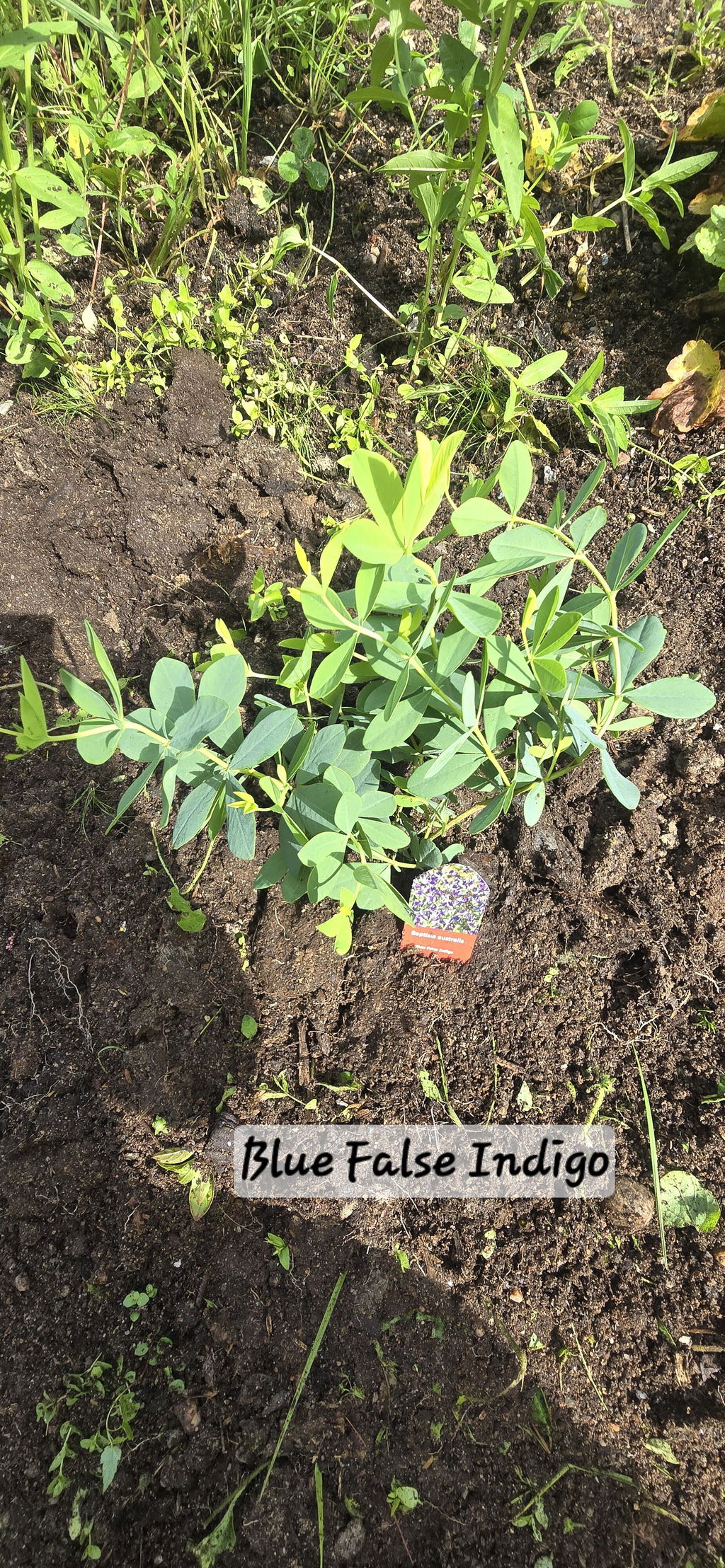
Blue False Indigo is a tough, rewarding perennial once it gets settled in, and it sounds like yours is off to a great start. One tip: give it a season or two to establish before it really hits its stride, but when it blooms, it puts on a show worth waiting for. Thanks for the kind words, Elizabeth, and happy gardening!
The plants were larger than I expected, were in great physical condition (packaging was excellent), and healthy. I had them in pots for a few weeks in semi shade and then moved them to full sun. They are growing gangbusters! Very excited about the high quality of the plants I received.
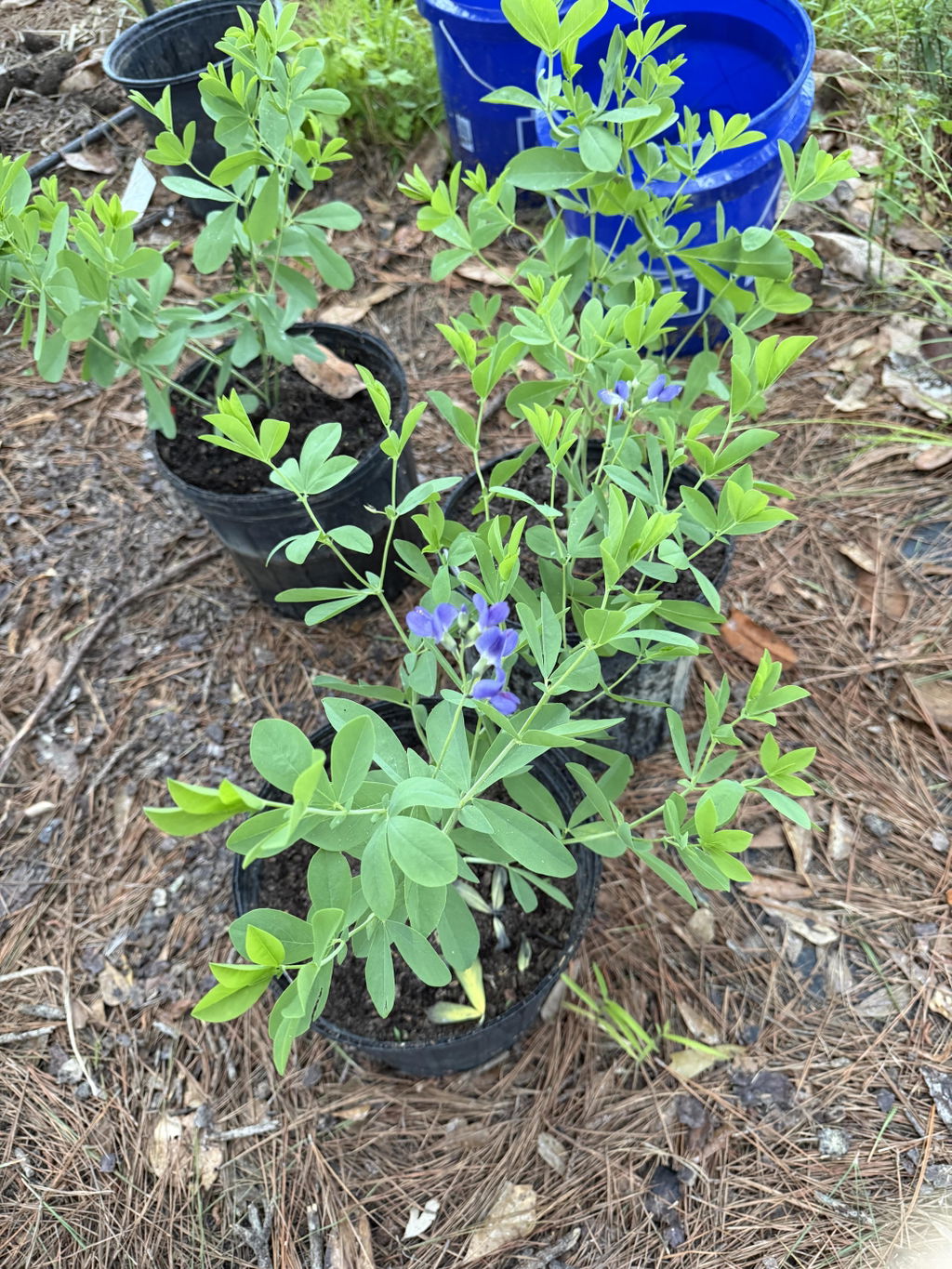
Blue False Indigo is a tough, rewarding plant once it settles in, and it sounds like yours are off to a strong start. The transition from semi-shade to full sun is a smart way to let them acclimate before giving them the conditions they really thrive in. Thanks for the kind words about the packaging too, Paul. We hope you enjoy the blooms for many seasons to come.
These were hard to find in my area, plants arrived healthy and in good size!
nice healthy plant, settling in for first year. we'll see how it does next year.
Blue False Indigo does take a season to get comfortable, so your patience will pay off. Once it establishes that deep root system, it tends to put on a much better show in year two and beyond, often with those striking blue-purple spikes that make it worth the wait. Thanks for the update, Mike, and feel free to check back in next season.
Plant came in great condition and is growing well. Thanks.
Blue False Indigo is a tough, long-lived plant once it gets settled in, so it is great to hear yours hit the ground running. Thanks for the update, Robin. As a heads-up, the root system really deepens in years two and three, so you should see even more vigorous growth and blooms ahead.
The three false indigo plants arrived well packaged, strong and healthy. Can’t wait to see them in blume once established. This was an excellent purchase.
Blue False Indigo is such a rewarding plant once it gets settled in, and those first blooms are really something to look forward to. Glad to hear all three arrived in good shape, Martha. Thanks for choosing Nature Hills, and enjoy watching them fill in over the coming seasons.
Received a strong, healthy plant that is doing wellmakes an excellent addition to the pollinator garden.
Blue False Indigo is such a natural fit for a pollinator garden, and it sounds like yours arrived ready to get established. Once it settles in over the next season or two, you will really see it take off. Thanks for sharing how it is doing, Trevor.
Arrived much quicker than expected, beautifully, securely packaged! Very healthy perfect plants! Thanks for the excellent quality.
Blue False Indigo ships surprisingly well for a plant with such delicate foliage, so it's great to hear yours arrived in good shape. It's a slow starter the first season while it puts down that deep taproot, but once it's established it really takes off. Thanks for the kind words, Marla, and happy growing!
They arrived perfect condition! They are now growing beautifully in my garden! Thank you so much!
Blue False Indigo is such a rewarding plant once it gets settled in. Glad yours made the trip well and are putting on good growth. Enjoy those deep blue flower spikes when they come! -- The Nature Hills Team
The plants arrived in excellent condition. They are about the best (healthy, well grown) plants I have ever received from an online purchase. They are in the ground and doing well.
Blue False Indigo is one of those plants that rewards a patient gardener, and it sounds like yours are off to a great start. Getting them established in the ground quickly is exactly the right move. Thanks for sharing, Lorie. We hope you enjoy years of those deep blue flower spikes each spring.
The plant arrived with a bent stem. It is alive because I split a straw to support it and placed a plastic fork beside it for support. I hope it survives.
