Shop With Confidence: FREE Growing & Glowing Promise

Free Shipping on Orders $199+

When is the best time of day to water plants?

When is the best time of day to water plants? - Nature Hills Nursery

Nature Hills Nursery |

Best time of day to water plants?

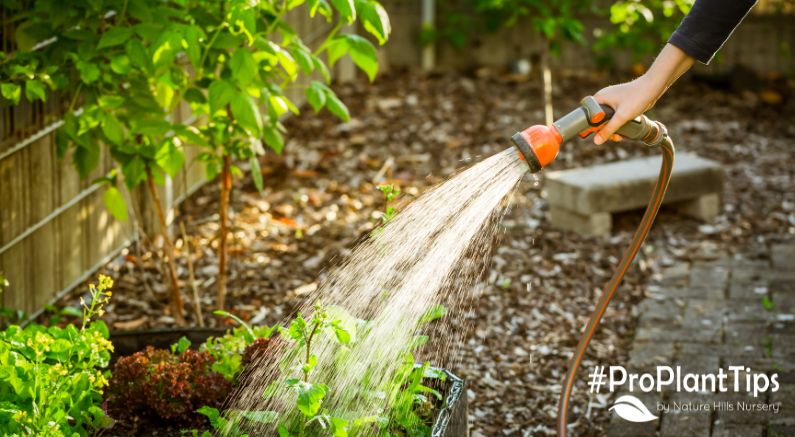
I know you've thought it, but were too afraid to ask anyone. Fear not! You're in good company. We get asked that question a lot around here. "when is the best time of day to water plants?" Super easy answer - Watering in the morning is usually the preferred time. "But, what if I can't do that? I can barely get the toast and coffee in my mouth as I'm running out the door to work in the morning!" You'll be happy to know that watering any time of the day can be done, especially if you are using soaker hoses or watering with a wand. Applying the water below the foliage is the goal.

When watering is done late in the day, the foliage may remain wet overnight and thus the plants will be more likely to get fungal diseases. Morning watering is also more efficient because there will be less evaporation and the plants will be prepared for a hot day in the sun. So you see, watering isn't a big deal...as long as you DO IT!

Previous Next

Frequently Asked Questions

What is the best time of day to water plants?

The best time to water plants is in the morning, as cooler temperatures reduce evaporation and the plants are well-hydrated heading into the heat of the day. Watering in the evening is the least ideal option, since wet foliage overnight creates conditions that promote fungal disease. If morning watering is not possible, use a soaker hose or watering wand to apply water directly at the soil level and keep foliage dry regardless of the time of day.

Is it better to water plants in the morning or evening?

A: Morning watering is the preferred choice for most plants, as it reduces evaporation loss and helps plants stay hydrated through the heat of the day. Evening watering can leave foliage wet overnight, which creates ideal conditions for fungal disease to develop. If mornings are not possible, use a soaker hose or watering wand to apply water directly at the base of the plant rather than over the leaves, which minimizes disease risk regardless of the time of day.

Why should you avoid watering plants at night?

Watering plants at night leaves foliage wet for hours, creating the ideal conditions for fungal diseases to take hold and spread. Without sunlight and daytime temperatures to help dry the leaves, moisture lingers on plant surfaces throughout the night. If your schedule only allows for evening watering, use a soaker hose or watering wand to deliver water directly to the soil and roots rather than the foliage, keeping leaves as dry as possible.

Can watering plants in the middle of the day damage them?

Watering plants in the middle of the day is generally not harmful, though it is the least efficient time due to higher evaporation rates from the heat and sun. The old myth that water droplets act as magnifying glasses and burn foliage has been largely debunked. If midday is your only option, focus on delivering water directly to the soil at the base of the plant using a soaker hose or watering wand rather than overhead watering, which minimizes evaporation loss and keeps foliage dry.

Is it okay to water plants in the afternoon heat?

Watering plants in the afternoon is not ideal but will not harm them as long as you apply water directly to the soil rather than the foliage. The main drawback is increased evaporation from the heat, meaning your plants absorb less of the water you are giving them. If afternoon is your only option, use a soaker hose or watering wand to keep moisture off the leaves and deliver it straight to the root zone where it counts.

How do you know when your plants need watering?

A: The simplest way to check is to stick your finger about an inch into the soil. If it feels dry at that depth, it's time to water. You can also look for early signs of stress like slightly drooping leaves or a dull, grayish tint to foliage, which signal that your plant is thirsty. Make it a habit to check soil moisture every day or two during hot summer months, and less frequently in cooler seasons.

How often should you water your garden?

Q: How often should you water your garden? There is no one-size-fits-all answer, as watering frequency depends on your soil type, climate, plant varieties, and time of year. A general rule of thumb is to provide most garden plants with about 1 inch of water per week, either through rainfall or supplemental irrigation. Sandy soils dry out faster and may need watering every 2 to 3 days, while clay soils retain moisture longer and may only need water once a week. Check the soil moisture by sticking your finger 2 inches into the ground, and if it feels dry at that depth, it is time to water.

Does the best time to water change by season?

The best time to water remains consistent across seasons: morning is always ideal, as it minimizes evaporation and prepares plants for the day ahead. That said, seasonal conditions do affect how much and how often you should water, with summer heat demanding more frequent deep watering and cooler fall and winter temperatures requiring far less. In hot climates like USDA Zones 8 through 11, summer watering may need to happen daily, while the same plants might only need water every week or two once temperatures drop in the fall. Focus on keeping morning as your watering window year-round, and adjust your frequency and volume based on the season and your local conditions.

Should you water plants differently during a heat wave?

During a heat wave, your plants will need more frequent watering, and timing becomes even more critical. Stick to early morning watering so the roots can absorb moisture before the intense midday heat causes rapid evaporation, and the foliage has time to dry before evening. Avoid watering in the afternoon sun, as the soil surface can bake and prevent water from penetrating properly to the root zone. Use a soaker hose or watering wand to deliver water directly to the base of the plant, check soil moisture daily, and be prepared to water deeply every one to two days rather than your normal schedule.

How does watering time affect plant disease and fungal problems?

Watering time has a direct impact on fungal disease risk because foliage that stays wet overnight creates the perfect conditions for fungal problems to take hold. Morning watering is the best defense against this, as leaves have the entire day to dry out in the sun and wind. If morning watering is not possible, focus on delivering water below the foliage using a soaker hose or watering wand to keep leaves dry regardless of the time of day.