
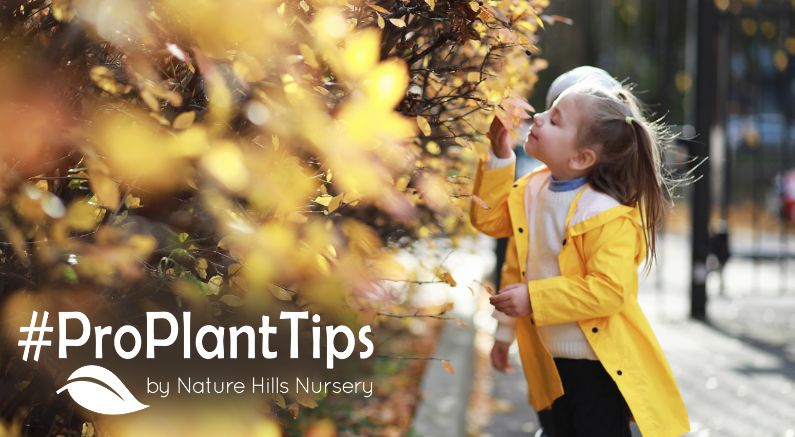
It's Time To Stop & Smell The ... Leaves?

Flowers may steal the show for a few fleeting weeks, but aromatic foliage keeps the fragrance alive all growing season long! Add long-lasting scent and low-maintenance charm to your garden with shrubs, trees, perennials, and evergreens known for their fragrant leaves, not just their blooms!
When you think of fragrant plants, your mind may jump to Roses, Lilacs, or Peonies, but what happens after the petals fall? That's where aromatic foliage steps in!
Create a garden that continues to smell incredible long after the blooms are gone! These plants don't just deliver fleeting flowers. They bring perennial perfume, textural beauty, and often have drought resistance thanks to their resinous oils.
If you are the tactile type and love touching your plants on a pathway or letting their scent waft on a warm breeze, these foliage-scented powerhouses deserve a starring role in your landscape!
Why Aromatic Foliage Deserves The Spotlight!
Sure, flowers are beautiful! But they're often short-lived, and not all blooms are fragrant. Once their color fades, your garden can feel like it's missing something.
Aromatic foliage fills that gap with:
- Season-long to year-round fragrance
- Pollinator-friendly performance
- Heavily scented plants are highly Deer and Rabbit resistant
- Many of these scents repel insect pests, too!
- Scent triggered by brushing against, wind, or even rain
These plants offer not just great looks, but a sensory experience that lasts!
How To Get The Most From Plants With Aromatic Foliage
- Plant near walkways, patios, or seating areas so you can enjoy the scent up close
- Mass plant or cluster varieties to maximize fragrance and visual effect
- Brush, prune, or gently crush foliage to release fragrance after rain or watering
- Mix with short-blooming flowers for season-long performance
- Use mulch or gravel to reduce weeding while letting fragrance carry through the air
Best Aromatic Shrubs, Trees, & Perennials
Whether you're designing a peaceful retreat or simply adding personality to your planting beds, these fragrant foliage plants deliver scent, texture, and charm in every season.
Most Aromatic Perennials
Russian Sage (Perovskia atriplicifolia)
Silvery foliage exudes a cool, camphoraceous-minty aroma while lavender-blue blooms ride tall stems in waves, creating a soft purple haze. These powerhouses flower all summer, right up until frost, and are beloved by hummingbirds, bees and butterflies!
- Zones: 4-9
- Size: 2-4 feet tall and wide
- Best For: Sunny borders, rock gardens, dry, open spaces and commercial sites.
Lavender (Lavandula spp.)
The iconic perfume of Lavender comes from its gray-green foliage and deep purple blooms. Dried or fresh, it keeps its potent, calming aroma. Both the flowers and foliage have a strong, clean smell and can be used in culinary, medicinal, and craft applications.
- Zones: 5-9
- Size: 1-3 feet tall, up to 4 feet wide
- Best For: Herb gardens, Kitchen gardens, edging, tea gardens, and crafts
Hyssop (Agastache spp.)
Spicy-minty with hints of anise or licorice, this plant is alive with bees and color! Hyssops bloom in a wide range of colors, including lavender, purple, pink, coral, orange, red, blue, white, peach, and even bicolor blends, bringing both fragrance and vibrant hues to the garden from mid-summer into fall. Hummingbirds and pollinators adore these blossoms, and a refreshing tea is made from the plant, too!
- Zones: 5-9
- Size: 2-4 feet tall, 1-2 feet wide
- Best For: Pollinator borders, tea and medicinal gardens, and dry gardens
Salvia (Perennial Sage)
Crushed leaves release a musky-herbal scent. Blooms in hues from blue to red last for weeks, attracting hummingbirds, bees, and butterflies! These perennials defy the sun and heat, flowering right up until frost in many growing zones.
- Zones: 4-10 (varies by species)
- Size: 1-3 feet tall and wide
- Best For: Walkways, sensory gardens, pollinator gardens, and mixed beds
Yarrow (Achillea millefolium)
A clean, medicinal herbal scent clings to its feathery foliage. Flat umbels of white, yellow, red, or pink attract pollinators and withstand heat, drought, and look fantastic in a cut flower bouquet!
- Zones: 3-9
- Size: 1-3 feet tall, spreading clumps
- Best For: Rock gardens, mass planting, and pollinator plots
Hay-Scented Fern (Dennstaedtia punctilobula)
This airy, soft-textured Fern releases a sweet scent reminiscent of freshly cut hay when brushed or crushed. Its lacy fronds form dense colonies that wave gently in summer breezes, often glowing golden in the fall. This Fern isn't just fragrant, it's full of movement and grace! It excels in naturalistic plantings and wild gardens, especially where you want lush greenery that needs little pampering.
- Zones: 3-8
- Size: 1-3 feet tall, spreading by rhizomes
- Best For: Woodland groundcover, naturalized shade gardens, or underplanting trees
Be mindful, though, once established, it spreads eagerly and can become a dominant groundcover. Its sweet-summer scent and ferny charm make it a favorite of mother nature's forest edge designs.
Herbs (Thyme, Oregano, Basil, etc.)
Oregano smells savory and strong, Thyme is woodsy, and Basil is sweet and spicy. All add beauty and fragrance to the garden and kitchen! Don't forget Dill, Lemon Balm, Mints, and more, each adding to your health, flavoring up your favorite dishes, and adding to your garden's sensory experience!
- Zones: 4-11 (varies by Herb)
- Size: 6 inches to 2 feet tall
- Best For: Containers, borders, herb gardens, knot gardens, and edible landscapes
Bee Balm (Monarda spp.)
Leaves smell like citrus-mint, they taste like it too (dry for tea!), and the edible flowers come in brilliant hues of red, pink, and purple. The flowers look like fancy crowns or jester hats and are ideal for hummingbirds, bees, and butterflies!
- Zones: 4-9
- Size: 2-4 feet tall
- Best For: Wildlife gardens and herbal borders
Catmint/Catnip (Nepeta spp.)
Soft gray leaves release a sweet, minty fragrance. Lavish blue to purple flowers create a cascade that blooms over a long season. The dried leaves aren't just a favorite of our feline friends; the aromatic foliage makes a calming tea and is a fantastic sensory addition to meditation gardens, seating area pots and planters, as well as scented edging along sunny paths and garden beds.
- Zones: 3-8
- Size: 1-3 feet tall, spreading habit
- Best For: Low borders, hot sunny sites, rock gardens, and pollinator gardens
Cleveland Sage (Salvia clevelandii)
Herbaceous and pungent, with a sharp and clean scent even in peak summer heat. Purple flowers attract pollinators galore. This California native handles hot climates and brings in the bees while thriving without a lot of fuss.
- Zones: 8-11
- Size: 3-5 feet tall and wide
- Best For: Dry slopes and southwestern landscapes
Aromatic Scented Shrubs
From silvery herbs to bold foliage, these Fragrant Shrubs offer long-lasting scent from their leaves, adding structure, sensory appeal, and seasonal interest to borders, pathways, and pollinator-friendly landscapes.
Gro-Low Sumac (Rhus aromatica 'Gro-Low')
Spicy-sweet scented leaves and fiery fall color. Low-growing and dense, perfect for stabilizing slopes or covering large areas.
- Zones: 3-9
- Size: 2 feet tall, 6-8 feet wide
- Best For: Erosion control, slopes, and groundcover
Fragrant Sumac (Rhus aromatica)
Aromatic foliage emits a sweet-spicy scent when crushed. Fall turns the shrub a rich tapestry of reds and oranges.
- Zones: 3-9
- Size: 4-6 feet tall and wide
- Best For: Wildlife gardens, hedgerows, and mass planting
Bluebeard (Caryopteris x clandonensis)
Mint-scented foliage and fuzzy blue blooms appear late in the season. Humming with bees when most other plants are fading.
- Zones: 5-9
- Size: 2-3 feet tall and wide
- Best For: Low hedges and fall interest
Tuscan Blue Rosemary (Rosmarinus officinalis)
Aromatically piney, this herb-shrub hybrid is evergreen in warm zones. The needle-like leaves are beloved in cooking and landscaping. Tuscan Blue is an upright Rosemary, but you can also try the Creeping Rosemary for a more sprawling groundcover.
- Zones: 7-10
- Size: 3-5 feet tall and wide
- Best For: Edible landscapes and fragrant walkways
Scented Geranium (Pelargonium spp.)
Crush the leaves to release rose, lemon, or peppermint aromas. Typically grown more for their showy scented leaves than flowers, like other Geraniums. These plants are typically used around seating areas to drive away mosquitoes.
- Zones: 10-11 (or annual/seasonal planters/houseplants in cold climates)
- Size: 1-2 feet tall
- Best For: Container gardens and patio pots
Summersweet (Clethra alnifolia)
Cinnamon-clove fragrance from long white spires of bloom. Attracts pollinators even in damp, shady spots. Also known as Sweet Pepperbush, these flowering shrubs thrive in a variety of conditions, including shade and wet areas where other plants struggle.
- Zones: 3-9
- Size: 3-5 feet tall
- Best For: Moist soils, woodland edges, and pollinator gardens
Powis Castle Wormwood (Artemisia x 'Powis Castle')
Technically a woody perennial sub-shrub, this mounded beauty has finely dissected silver foliage with a pungent, earthy fragrance. The scent is dry, almost sage-like, and unmistakably herbal, perfect for drought-tolerant borders! You can also try Artemisia Makana™ Silver for an annual accent in seasonal planters in all growing zones.
- Zones: 5-9
- Size: 2-3 feet tall and wide
- Best For: Texture in xeriscapes, moon gardens, and scented borders
Grey Santolina (Santolina chamaecyparissus)
Also known as Lavender Cotton, this shrubby evergreen is prized for its dense, button-like silver foliage that smells strongly of camphor or pine. Compact and sun-loving, it adds structure and fragrance to dry Mediterranean-style gardens.
- Zones: 6-9
- Size: 1-2 feet tall and wide
- Best For: Rock gardens, low hedges, xeriscaping, and fragrant edging
Trees & Evergreens With Fragrant Foliage
Towering and timeless, these Fragrant Trees and Evergreens bring bold structure, year-round beauty, and foliage that releases refreshing, spicy, or citrusy aromas, perfect for anchoring sensory gardens or adding fragrant shade to your landscape!
Bay Laurel (Laurus nobilis)
Glossy, leathery leaves smell like spice and can be used in cooking. Grows into a small tree or large shrub.
- Zones: 8-10
- Size: 10-30 feet tall
- Best For: Culinary gardens and clipped forms
Pine Trees & Shrubs (Pinus spp.)
A fresh, resinous forest scent wafts from long needles and cones all year long. Strong vertical presence, wildlife habitat, and evergreen screen.
- Zones: 2-9 (varies)
- Size: 30-80 feet tall
- Best For: Windbreaks and year-round texture
Fir Trees (Abies spp.)
Softer needles than spruce, and an unmistakable Christmas-tree scent. Sap and bark offer fragrance, too.
- Zones: 3-8
- Size: 40-60 feet tall
- Best for: Tall privacy, wildlife fortresses, and native woodlands
Spruce Trees (Picea spp.)
Stiff needles and woody cones with a deep, clean scent. Great for winter structure and wildlife shelter.
- Zones: 2-7
- Size: 40-80 feet tall
- Best For: Cold-hardy windbreaks and conifer forests
Juniper Trees (Juniperus spp.)
Aromatic blue-green foliage and berries with a spicy, dry scent. In addition to these upright types, Juniper Bushes have a wide range of sizes from short and rounded, pointed and narrow, and ground-hugging forms.
- Zones: 3-9
- Size: 1-20 feet tall, depending on type
- Best For: Rock gardens, low hedges, and evergreen accents
Southern Magnolia Tree (Magnolia grandiflora)
A grand, broadleaf evergreen presence in Southern gardens, this stately tree bears massive white blossoms that release an unforgettable scent, which is rich, creamy, and sweet with hints of lemon and spice. Its large, leathery leaves are also aromatic when crushed, exuding a light citrusy-woody scent that complements its floral perfume.
- Zones: 6-10
- Size: 30-60 feet tall
- Best For: Shade trees and fragrant southern charm
Chaste Tree (Vitex agnus-castus)
Lavender-blue flowers and sage-scented foliage thrive in heat. A small tree or large shrub with a Mediterranean feel. The tall wands of blooms bring in swarms of pollinators and hummingbirds!
- Zones: 6-9
- Size: 10-15 feet tall
- Best For: Drought gardens and seasonal color
How To Care For Fragrant Foliage Plants
To get the richest scent and healthiest growth from these aromatic wonders, follow these tried-and-true tips:
Care Tips For Maximum Scent and Health
-
Full Sun Brings Out Fragrance: Most scented foliage plants produce the strongest aromas in full sun. At least 6-8 hours of direct sunlight daily is ideal.
-
Avoid Overfertilizing: High nitrogen can reduce essential oil content in herbs and scented plants. Opt for low-nitrogen or organic fertilizers only when needed.
-
Use the Finger Test Before Watering: Scented plants often prefer well-drained soil and slightly dry conditions. Use the Finger Test to determine if your plant really needs water.
-
Deadhead When Applicable: Though foliage is the star here, if your plant also blooms, deadhead to keep energy focused on new growth and scent production instead of seed production.
-
Provide Good Air Circulation: Scent intensifies in the breeze! Plus, proper spacing helps prevent mildew and other fungal issues.
- Mulch for Soil Health: Use arborist mulch around base zones to maintain moisture and suppress weeds without crowding stems.
Creative Ways To Use Fragrant Foliage In The Landscape
These plants aren't just pretty and perfumed, and they're practical too! Here's how to make the most of them:
-
Pathway Edging: Place aromatic plants like Thyme, Catmint, or Hyssop where passersby can brush against them and release their scent. Creeping Thyme and other groundcover that handles foot traffic can perfume your path by growing between pavers and steps!
-
Fragrant Hedges and Borders: Use plants like Bluebeard, Rosemary, or Evergreen shrubs to form low-structure borders that double as sensory delights.
-
Rock Garden Accents: Silver-toned, drought-tolerant species like Bush Sage, Wormwood, or Lavender shine in rock gardens.
-
Container Displays: Mix Oregano, Lemon Balm, and Scented Geraniums in decorative pots for portable bursts of aroma on porches and patios.
-
Edible Landscapes: Many of these plants pull double duty in the kitchen. Use them in an edible landscape that feeds both body and soul.
-
Pollinator Stations: Plants like Russian Sage, Mountain Mint, and Bee Balm attract bees, butterflies, and hummingbirds while filling the air with their fragrance.
-
Drying & Craft Use: Harvest Lavender, Rosemary, and Artemisia for use in wreaths, bundles, sachets, or herbal crafts.
- Medicinal Gardens: Many fragrant foliage plants, like Hyssop, Lemon Balm, and Bay Laurel, shine in edible landscapes, herbal tea plots, or medicinal gardens where their scent pairs with practical use. Plant them near your kitchen or in raised beds for easy harvest.
Create a Sensory Garden That Sparks the Senses
A sensory garden is more than just beautiful, it's immersive. It welcomes all who enter to slow down, breathe in, touch, and reflect. Here's how to create one:
-
Layer Scents: Combine multiple fragrant foliage plants so there's always something to smell, from the spicy heat of Mountain Mint to the sweet hay notes of Hayscented Fern.
-
Mix Textures: Include fuzzy Lamb's Ear, airy Yarrow, or feathery Fennel alongside scented leaves to engage both touch and smell.
-
Plant by Paths and Seating Areas: Keep these treasures within reach so visitors can interact with them easily.
- Keep it Year-Round: Choose evergreen options like Rosemary, evergreens, and Juniper to ensure there's always scent and structure, even in winter.
Sensory gardens offer comfort, therapy, and connection, especially for children, the elderly, and anyone seeking peace in mother nature's embrace!
Foliage That Fills The Gap When Flowers Fade

Flowers are fleeting, but aromatic foliage keeps the show going long after petals have fallen! Whether it's the spicy snap of Hyssop in your pollinator garden, the calming aroma of Lavender around your outdoor seating, or the earthy richness of Fragrant Sumac in your sensory garden, these plants invite you to stop and breathe in your landscape, not just admire it!
And the best part? These plants do double duty! They're beautiful and useful, offering beneficial insect support, bird food, erosion control, deer resistance, and drought tolerance in one scented package.
Design your garden not just for color, but for scent that lingers, comforts, and connects you to every season. Let aromatic foliage be your garden's encore.
Happy Planting!


