
Scorching summers and sizzling soil don't have to spell doom for your landscape. If you're gardening in USDA Growing Zones 8-11, you already know mother nature brings the heat, but that doesn't mean your yard must wither under the sun. With the right shrubs, you can fill your garden with beauty, fragrance, color, and evergreen structure all year long.
We've rounded up the top heat-tolerant flowering and evergreen shrubs available at NatureHills.com, all tough enough to thrive in hot, dry, and humid climates across the South, Southwest, and beyond. These shrubs don't just endure - they flourish!
10 Best Heat-Tolerant Shrubs For Zones 8-10 and even Zone 11!
1. Oleander (Nerium oleander)

A true sun-lover, Oleander offers bold blooms and leathery evergreen leaves in one tidy package. From white to crimson, its flowers perfume the air and brighten up long, hot summers!
- Zones: 8-11
- Growth Habit: Upright, bushy; 6-20 feet tall
- Wildlife: Attracts pollinators but is deer-resistant
- Fragrance: Sweetly scented blooms
- Caution: Toxic if ingested, keep away from pets and children
2. Scarlet Bottlebrush (Callistemon citrinus)

This Australian native is a showstopper with bristly red flower spikes that hummingbirds adore. Glossy green leaves release a citrusy scent when crushed. No room? Try the Dwarf Little John!
- Zones: 9-11
- Growth Habit: Rounded; 10 - 15 feet tall
- Wildlife: Beloved by bees and hummingbirds
- Drought-tolerant once established
- Evergreen foliage adds year-round texture
3. Mexican Bush Sage (Salvia leucantha)

Also called Texas or Velvet Sage, this pollinator magnet thrives in heat and drought. Its fuzzy, purple flower spikes bloom from late summer into fall, offering vibrant color and movement. The aromatic, silvery green foliage is also touchably soft.
- Zones: 7 to 10
- Growth Habit: Upright and arching; 3 to 4 feet
- Leaves: Silvery-green and soft to the touch
- Wildlife: Loved by hummingbirds, bees, and butterflies
- Cut for arrangements or enjoy as a long-season bloomer
4. Indian Hawthorn (Rhaphiolepis indica)

This compact evergreen bursts with clusters of pink or white flowers in spring. Glossy leaves and a tidy shape make it ideal for borders. Try the Clara White or the Pink Lady.
- Zones: 8-10
- Growth Habit: Rounded, dense; 3-6 feet
- Wildlife: Pollinator-friendly
- Great for coastal or urban gardens
- Drought- and salt-tolerant once mature
5. Sunshine Privet (Ligustrum sinense 'Sunshine')

Who needs flowers when you've got foliage this bright? The Sunshine Ligustrum brings a burst of neon-yellow leaves that stay bold and beautiful all year long without needing a single bloom (but they are there, hidden among the branches for the bees to find).
- Zones: 6 to 10
- Growth Habit: Compact, mounded; 3 to 4 feet tall and wide
- Leaves: Golden chartreuse, small and dense
- Wildlife: Non-fruiting and pollen-free, so allergy-friendly
- Landscape use: Low hedge, accent, or bright foliage contrast
- Deer and drought tolerant, thrives in heat and sun
6. Abelia Shrubs (Abelia × grandiflora)

Elegant arching branches and fragrant tubular flowers from summer into fall. Semi-evergreen in warm climates.
- Zones: 5-10
- Growth Habit: Mounded, graceful; 3-6 feet
- Wildlife: Butterflies and hummingbirds galore!
- Small, profuse, tubular flowers. Long blooming period
- Glossy leaves (some varieties are variegated) often take on bronze or purple in fall
7. Calamondin Orange (Citrus madurensis Lour.'Calamondin')

A charming dwarf citrus that doubles as an ornamental shrub, Calamondin Orange bears glossy evergreen leaves, fragrant white blossoms, and small, tart fruits. It's cold-hardy for a citrus and thrives in the heat.
- Zones: 8 to 11 (may need winter protection in Zone 8)
- Growth Habit: Rounded and bushy; 16 to 18 feet (smaller in containers)
- Leaves: Deep green, glossy, aromatic foliage
- Flowers: Fragrant, white, bloom over a long season!
- Fruit: Small orange fruits, edible and tart
- Perfect for edible landscapes, evergreen hedges, and container growing
- Wildlife: Pollinator-friendly blossoms
8. Dwarf Pink Rock Rose (Cistus × skanbergii)

This sunny evergreen blooms with delicate rose-pink flowers edged with golden anthers and features aromatic, sage-green leaves. It's heat-resistant and drought-tolerant, deer-resistant, and ideal for hot, sunny gardens.
- Zones: 8 to 11
- Growth Habit: Low-growing and mounded; 2 to 4 ft tall, spreading 4 to 5 ft
- Leaves: Fine-textured, aromatic, sage-green
- Flowers: Single-petaled pink blooms in late spring and summer
- Wildlife: Attracts butterflies and native bees
- Uses: Perfect for rock gardens, borders, erosion control, edging, and containers
9. Manzanita (Arctostaphylos spp.)

Graceful, drought-tough, and undeniably striking, Manzanita shrubs offer reddish bark, twisting branches, leathery evergreen leaves, and delicate urn-shaped flowers that bloom in late winter or early spring. They're ideal for dry gardens and thrive in full sun. Try the Louis Edmunds, low-growing Emerald Carpet, Whiteleaf, the upright Sentinel, or Howard McMinn.
- Zones: 7 to 10 depending on the variety.
- Growth Habit: Mounding or upright, depending on variety
- Leaves: Waxy, deep green or gray-green, often with red stems
- Flowers: Small, bell-shaped, pink to white, bloom in cool seasons
- Wildlife: Early nectar source for pollinators; berries attract birds
- Landscape use: Rock gardens, slopes, foundation planting, and firewise landscapes
- Evergreen and drought-tolerant once established; prefers well-drained soil. Perfect for Southwestern US climates and Xeric Gardens
10. Cool Blue Variegated California Lilac (Ceanothus thyrsiflorus ‘Cool Blue')

This evergreen flowering shrub brings elegant, fine-textured foliage edged in white and stunning pale-blue spring blooms. Heat-resistant and drought-tolerant, California Lilacs are perfect for sunny borders, rock gardens, pollinator gardens, and mass planting.
- Zones: 7 to 10
- Growth Habit: Mounded; 3-4 ft tall × 4-5 ft wide
- Leaves: Green with crisp white margins, fine texture
- Flowers: Light-blue clusters in early to late spring, lightly fragrant
- Wildlife: Pollinator-friendly, bees, butterflies, and hummingbirds love it
- Landscape Uses: Ideal for foundation planting, bright accents, fire-wise gardens, and low-water designs
Honorable Mention: Gardenia Bushes (Gardenia jasminoides)
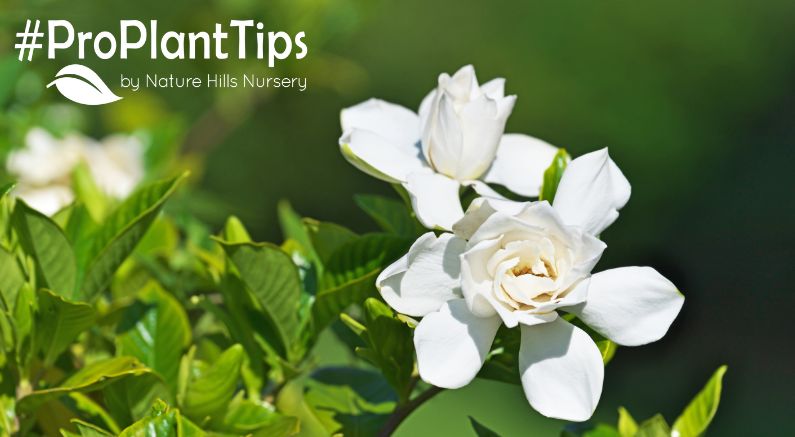
Though they may need a little extra TLC in extreme heat or alkaline soils, Gardenias are worth the effort for their creamy white, rose-like blooms and unforgettable perfume. These evergreen Southern classics are ideal for front yard foundations, patio containers, or moon gardens near windows where their rich fragrance can waft indoors.
- Zones: 7 to 11 (can be wintered indoors for zones 4 and up)
- Growth Habit: Rounded, bushy; dwarf types as small as 2 feet, others up to 6 feet
- Leaves: Glossy, dark green, leathery
- Flowers: Creamy white, single or double, intensely fragrant
- Wildlife: Attracts pollinators and nostalgia-loving gardeners
- Care Tips: Prefers acidic, well-drained soil and consistent moisture. Some shade in the hottest part of the day helps in extreme heat.
Gardenias are unmatched for fragrance and classic charm in warmer regions. If you’ve got a sweet spot for scent and are willing to pamper a plant or two, Gardenias are a fine choice for foundation plantings, specimens, hedges, and evergreen flowering beauty!
Shade-Loving Hot Climate Shrubs
While heat and sun go hand in hand, some shrubs handle the heat but do best in shade! Some other great options that handle shade and heat:
- Daphne Marianni®: Great for zones 6 - 10
- Currant Bushes: Many handle shade (but you'll see fewer flowers) in zones 6 - 10
- Boxwood Hebe: Great evergreens for zones 7 to 10
- Sugar Shack® Buttonbush: Loves shade and wet sites from zones 4-10
-
Japanese Cleyera: Colorful broadleaf evergreen for shady zones 7-10
Tips For Successfully Growing Shrubs In Hot Climates
- Plant in the very early spring or in the fall to reduce transplant shock.
- Use arborist mulch to hold moisture and cool roots.
- Keep new plants consistently moist throughout their first season in the ground for the best results. Water deeply and less often, preferably during the early morning hours, once plants are established. Use the Finger Test to check soil moisture.
- Prioritize native or regionally adapted plants that already know how to roll with mother nature's heatwaves.
- Group by water needs and plant in layers. Groundcovers, shrubs, and trees all work better together.
- Deadhead blooms as needed to encourage more flowering. Here's all about deadheading.
Sun's Out, Shrubs Out!
From desert foothills to Gulf Coast breezes, gardeners between Zones 8 to 11 can turn up the heat on beauty without wilting their landscapes. These heat-tough flowering and evergreen shrubs give you color, texture, fragrance, and wildlife charm with very little fuss.
Check out great Trees For Zones 9-11 to complete your garden! Then pick your favorites and beat the heat like a gardening pro!
Happy Planting!


