
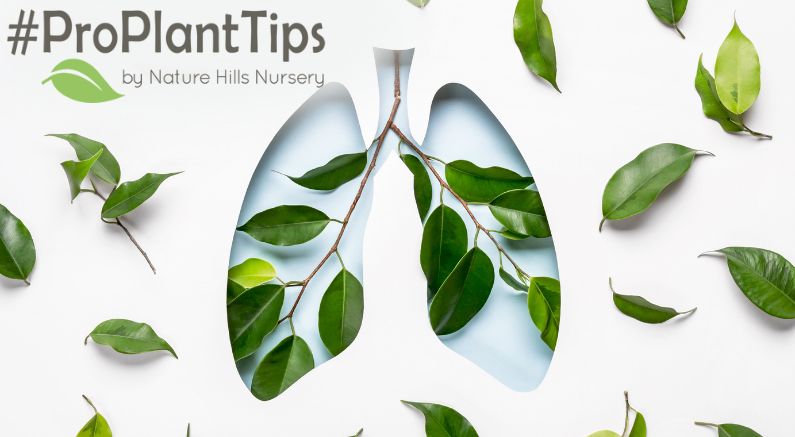

Our leafy friends do far more than beautify our gardens! They also clean the very air we breathe! From giant shade trees to petite perennials, plants trap, absorb, and neutralize pollutants with astonishing efficiency! In fact, the right plants can remove chemicals like benzene, formaldehyde, ozone, and carbon monoxide from the air, all while producing clean oxygen in return!
Through the processes of photosynthesis, transpiration, and surface adhesion, plants remove particulate matter and hazardous gases, making them invaluable allies in combating urban pollution and creating healthy microclimates at home.
Let's dig into which trees, shrubs, evergreens, and perennials do the heavy lifting, and how to keep them healthy so they can keep us breathing easy!
How Plants Clean the Air
Plants purify air in several key ways:
- Photosynthesis: Leaves absorb carbon dioxide and release oxygen.
- Stomatal Uptake: Tiny pores on leaves draw in air pollutants like ozone, NOx, and sulfur dioxide.
- Surface Adsorption: Waxy or hairy leaf surfaces trap particulate matter (PM2.5 and PM10), smoke, and dust.
- Phytoremediation: Roots and leaves absorb toxic compounds such as formaldehyde and benzene, storing or breaking them down naturally.
- Microbial Activity in Soil: Root-associated microbes metabolize harmful compounds and break down VOCs.
Airborne pollutants that plants can remove include:
- Carbon monoxide
- Nitrogen dioxide
- Ozone
- Formaldehyde
- Benzene
- Toluene
- Xylene
- Sulfur dioxide
- Particulate matter (PM2.5/PM10)
- Smoke and heavy metals
Top Air-Purifying Trees
1. River Birch (Betula nigra) and Silver Birch (Betula pendula)
- Fast-growing, peeling bark thrives in wet or dry sites.
- Removes PM and ozone; bark texture traps airborne particles.
- Wildlife love it too! It's an important nesting tree for birds.
2. Tulip Tree (Liriodendron tulipifera)
- Broad, waxy leaves are ideal for capturing pollutants.
- Removes ozone, CO2, and sulfur dioxide.
- Host plant for Tiger Swallowtail butterflies.
3. Redbud Trees (Cercis canadensis)
- Early spring blooms feed pollinators; heart-shaped leaves.
- Excellent for NOx and CO2 uptake in suburban areas.
- Beautiful fall color and low branching form for privacy.
4. Norway Maple (Acer platanoides)
- Large-leafed tree that casts dense shade and creates calm, clean microclimates.
- Excellent at removing CO2 and absorbing ozone and NOx.
- Durable in compacted soils and urban environments.
5. Oak Trees (Quercus spp.)
- Sturdy, drought-tolerant Oak with lobed foliage and rough bark.
- Filters airborne toxins, especially in industrial zones.
- Immense wildlife value includes acorns for birds and mammals.

Honorable Mention For Tropical Flair:
Palm Trees (Chamaedorea, Areca, etc.)
- Waxy fronds and tall stems that sway and cleanse.
- Effective at removing airborne VOCs indoors and in warm climates outdoors.
- Palms like Areca Palm are ideal for patios, tropical gardens, and porch pots.
- Outdoor Palms like Jelly Palms, Windmill Palms, and Mediterranean Fan Palm Tree purify the air outdoors.
Air-Cleansing Shrubs & Evergreens
1. Pacific Wax Myrtle (Morella californica)
- Aromatic evergreen; tolerates salt and poor soils.
- Dense foliage filters particles and absorbs VOCs.
- Berries feed birds; leaves are once used medicinally.
2. Arborvitae (Thuja occidentalis)
- Dense, fragrant evergreen screen that acts as a pollution buffer.
- Removes PM and serves as a windbreak and noise buffer.
- Excellent for urban and suburban privacy hedges.
3. Sweetspire (Itea virginica)
- Fragrant blooms, fiery fall color, adaptable roots.
- Leaves capture airborne particles; support bees.
- Spreads slowly in moist soils, making it an excellent choice for erosion control.
4. Eastern Red Cedar (Juniperus virginiana)
- Native evergreen that creates year-round screens with fragrant, scaled foliage.
- Captures PM, traps toxins near roads, and absorbs VOCs.
- Cedar berries are vital winter food for birds like waxwings.
5. Yew Bushes (Taxus spp.)
- Soft-needled evergreen with a history of medicinal use.
- Hairy leaves and waxy surfaces trap air pollutants.
- Performs well in shade, urban gardens, and formal hedges.

Perennials That Help You Breathe Easy
1. Coneflower (Echinacea spp.)
- Strong stems, daisy-like blooms, medicinal roots.
- Leaves trap particles; supports clean air while feeding pollinators.
- Excellent in rain gardens and native meadows.
2. Bee Balm (Monarda spp.)
- Showy, mint-scented perennial loved by hummingbirds.
- Leaves and stems help filter air; add fragrant texture.
- Anti-microbial roots improve soil biology too.
3. Switchgrass (Panicum spp.)
- Tall, fluttering ornamental grass with deep roots.
- Breaks down toxins in soil; absorbs CO2 and PM.
- Ideal for windbreaks, meadows, and bioswales.
4. Yarrow (Achillea millefolium)
- Soft foliage and umbel flowers have been used historically in medicine.
- Absorbs VOCs and ozone; dense growth traps dust.
- Attracts beneficial insects and requires little care.
5. Western Sword Fern (Polystichum munitum)
- Evergreen, lush texture with finely divided fronds.
- Fronds capture dust, spores, and moisture from the air.
- Thrives in shade and works well in forested gardens or courtyards.

Honorable Mention:
English Ivy (Hedera helix)
- Classic evergreen climber, container spiller, houseplant, or groundcover with air-filtering superpowers.
- Removes benzene, xylene, formaldehyde, fecal matter, and mold spores from indoor or outdoor air.
- Needs pruning to prevent spread, but ideal for walls, fences, and urban fences.
Where to Plant for the Purest Air
Choosing the right plant is just the beginning! Where you place it makes a world of difference when it comes to air-cleaning power. Strategic planting can amplify the benefits and help you build a healthier microclimate right where it's needed most.
Best locations for air-purifying trees, shrubs, evergreens, and perennials:
- Street Plantings & Sidewalk Buffers: Line busy roads with River Birch, Tulip Trees, or Arborvitae to capture particulate matter and reduce noise.
- Along Driveways & Parking Areas: Install Switchgrass, Wax Myrtle, or Sweetspire to trap car exhaust, road dust, and oil-based pollutants.
- Front Berms & Lot Perimeters: Use large trees like Tulip Tree or dense hedges of Arborvitae as green shields against nearby pollution sources.
- Suburban Backyards and Front Yards to create your own clean-air zone. Build private, breathable oases with Eastern Redbud, Purple Coneflower, Bee Balm, and Sweetspire for air filtering plus beauty.
- Between Buildings & Structures: Plant in courtyards or narrow side yards to funnel airflow through green filters.
- Near HVAC Units & Vents: Surround mechanical areas with hardy perennials or evergreen shrubs to absorb VOCs and ozone.
- Urban Pocket Gardens & Rooftops: Compact species like Yarrow, Bee Balm, and Switchgrass thrive in planters while cleaning confined spaces. Pollution-resistant trees scrub the air.
- Green Buffers Around Schoolyards, Community Gardens, and Play Areas: Maximize healthy breathing zones for kids with diverse plant layers and year-round cover.
- Commercial landscapes for healthier work environments and heat reduction
- Apartment courtyards and balconies with container-friendly options like Switchgrass and Coneflower
Planting with intention turns your yard, or your sidewalk, into a vital part of a neighborhood clean-air network!
How To Support Air-Purifying Plants
Plants need to be healthy to clean the air effectively! Here's how to help:
-
Water Wisely: Use the Finger Test to check soil moisture before watering. Most new plants need regular water during their first year.
-
Avoid Leaf Coatings: Do not spray foliage with oils or leaf shine; these block stomata.
-
Use Arborist Mulch to conserve moisture and improve soil microbiology. Here's How and Why to Mulch Your Plants.
-
Prune Regularly: Keep plants open and growing vigorously by pruning dead or congested growth.
-
No Pesticide Overload: Many beneficial microbes that support detoxification live in the soil and leaf surfaces, avoiding broad-spectrum chemicals.
- Dust Plants: If plants become coated with dust, gently rinse them to reactivate their air-filtering surfaces. Do this in the morning so the leaves can be dried of excess moisture by the sun.
Leaf It Better Than You Found It!
Plants are mother nature's lungs, and ours too! Every leaf, stem, and root is part of a living filtration system designed to keep our skies a little clearer, our cities a little cooler, and our lungs a lot happier.
These hard-working trees, shrubs, evergreens, and perennials are perfect for:
Whether you garden on a balcony, backyard, or business property, adding the right plants can turn your landscape into a clean-air sanctuary.
Happy Planting!


