Shop With Confidence: FREE Growing & Glowing Promise

Free Shipping on Orders $199+

How to Garden in the Winter With Amaryllis!

How to Garden in the Winter With Amaryllis! - Nature Hills Nursery

Charlotte Weidner |

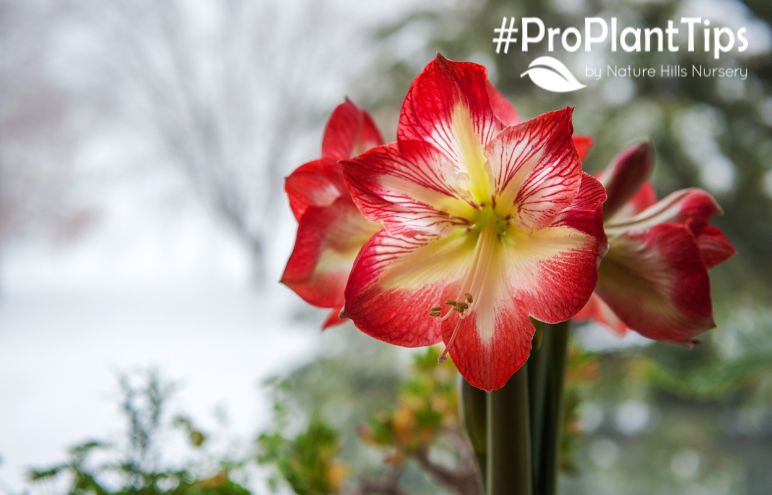
Gorgeous Amaryllis and their enormous satellite blooms have become the embodiment of Christmas gift-giving and brighten our homes during the winter months! Easy to grow and vibrant, the showy blooms from these perennial bulbs are sure to grab all the attention when you start growing them inside this winter!

Amaryllis and other bulbs are shipping this time of year and you’ll soon be able to force spring flowering bulbs indoors to extend your enjoyment of the gardening season into the dreary winter months!

Learn how to force, grow, care for Amaryllis, and check out all the fantastic new Amaryllis Nature Hills has to offer your indoor gardens and holiday living décor!

Amaryllis - Perfect Indoor Décor For Winter!

red

With huge, trumpet-shaped blossoms this winter blooming bulb is sure to bring joy to a home. Amaryllis (Hippeastrum) forms multiple buds atop a sturdy deep green stalk with a fringe of strappy green leaves, sprouting from a high-quality fresh bulb!

The Amaryllis flower will produce 4 to 6 massive clusters of blooms for all to gaze upon. You’ll have weeks to express the oohs and aahs! Imagine gifting a ready-to-be-planted beautiful Amaryllis for the holidays.

Dress up a holiday dining table centerpiece, or the fireplace mantle with the showy blooms of an Amaryllis! Add these big bright flowers and their greenery to a sofa side table, or welcome yourself and your visitors home with a blooming Amaryllis on your front entry console!

It’s so easy and so convenient with the Amaryllis options available at NatureHills.com!

Nature Hills Newest & Favorite Amaryllis

Amaryllis now have so many color options, new and unusual forms, and even more sizes to choose from besides the old-fashioned red, pink, and white! Check out these unique Amaryllis to spice up your winter and holiday seasons!

  1. African Joker® Amaryllis - showy crimson red striped white, these double blooms have curled petals and a showy wow factor!
  2. Candy Floss African Amaryllis - showy coral-candy pink blossoms with green throats
  3. Charisma Amaryllis Decorative Planter - Featuring dramatically large flowering perennial bulb with large cream and salmon-striped blooms and everything you need to grow an Amaryllis at home - the soil, pot, instructions, and a large, quality bulb!
  4. Desire Amaryllis - a unique salmony blooms for those who desire something a bit more exotic this winter!
  5. Double Blossom Peacock Amaryllis - triple layers of white petals with coral-red feathered edges!
  6. Double Dragon Amaryllis - a traditional velvety red Amaryllis with a frilly double-petalled twist!
  7. Gervase Amaryllis - features feathered pink and red petals with streaks and stripes that vary from bloom to bloom! Or try the Gervase Amaryllis Decorative Planter that has the pot, soil, and bulb for you to have everything you need to grow one at home or give an easy-to-grow gift!
  8. Minerva Amaryllis Decorative Planter - a classic Amaryllis with red edges and white throats in a planter with the soil and bulb plus easy-to-follow instructions.
  9. Picotee Amaryllis - a pretty white Amaryllis with a barely-there red edge and ruffled margins to the petals!
  10. Red Pearl Amaryllis - a classically shaped deep velvety red Amaryllis with a pearlescent sheen!
  11. Santiago Fragrant Variety Amaryllis - big candy-striped dark red and pure white petals and a dreamy sweet scent!
  12. African Milady® Amaryllis - showy rose pink blossoms through and through!

    How To Plant Your Festive Amaryllis

    Growing Amaryllis is not a tricky trait that takes practice. You just have to follow our easy planting steps and continue to provide proper care!

    Materials

    Lucky for you, all of our winter Amaryllis bulbs are high-quality enormous bulbs and ready to start growing once you plant them! No chill period needed!

    Pot Up Your Plant

    plant

    Now that you have all the materials, it's time to add the soil to your pot! When adding the potting mix, you want to make sure the rooted end is on the button and the top of the bulb sits slightly above the soil as seen in the picture.

    Add enough soil around the bulb so that the pot is filled up to the point where the flower stalk can still see the sunlight.

    Water and Sunlight Time!

    For strong Amaryllis blooms, place your flower where it will receive full sun. On your dining room table near a sunny window will do the trick. Or place it on a living room end table where it can soak up the sunlight there.

    windpw

    As your bulb starts to sprout, we suggest watering sparingly when the soil begins to feel dry beneath the soil surface. As it continues to grow, increase the amount of water you supply it with in order to keep the soil evenly moist. Use a dribble catch tray for excess water and dispose of this to prevent soggy conditions.

    Caring For Amaryllis

    Once your Amaryllis blooms have faded, snip off the entire stem cleanly as low as you can above the foliage.

    Now just the strappy foliage is all that remains, you can move your plant into the garden for the summer and dig it up in the fall to start all over, keep it as a green houseplant, or simply dispose of it in the compost bin.

    If you choose to keep your plant indoors as a potted plant, keep it in a sunny window with some fertilizer this spring and trim back the leaves once they begin to yellow (as an Amaryllis does once it finishes its growth cycle).

    Once your plant has gone dormant, place it in a chilly dark place (above freezing) and barely water it so the bulb does not dry out. Then, in the late fall or winter of the following year, start the process of planting and growing your Amaryllis all over again!

    Gear Up For Winter Gardening Now!

    Nature Hills is shipping fall-planted spring-flowering and winter-forcing bulbs now! Get your order in today and we’ll ship high-quality bulbs to your doorstep at the proper planting time for your USDA growing zone!

    The eye-popping beauty and vibrant colors of Amaryllis are a surefire way to brighten your indoor spaces and help tide you over until you can get your garden growing in the spring!

    Nature Hills Nursery is here to help you with all your gardening needs - indoors and out - all year round!

    Happy Planting!

    banner
    Previous Next

    Frequently Asked Questions

    Can amaryllis bulbs survive winter outdoors or do they need to come inside?

    Amaryllis bulbs (Hippeastrum) are tropical plants that can only survive outdoors year-round in USDA Hardiness Zones 9-11, where frost is rare or nonexistent. In colder climates, they must be brought indoors before the first frost in fall, as freezing temperatures will kill the bulbs. Store them in a cool, dry location around 50-55 degrees Fahrenheit during their dormancy period, or simply pot them up and grow them as stunning indoor winter bloomers. If you live north of Zone 9, plan to dig up outdoor bulbs in early to mid-fall and transition them inside to protect your investment and enjoy their spectacular blooms all winter long.

    Is amaryllis a perennial that comes back every year or does it need to be replanted?

    Amaryllis (Hippeastrum) is a true perennial bulb that will come back and rebloom year after year with proper care. After blooming, allow the foliage to die back naturally, then store the bulb in a cool, dry location before replanting or encouraging a new growth cycle. In frost-free climates (zones 9-11), amaryllis can be grown outdoors year-round, while gardeners in colder zones should treat the bulbs as indoor perennials or lift and store them over winter. Feed your bulb with a balanced fertilizer during the growing season to ensure strong blooms the following year.

    How do you overwinter amaryllis bulbs so they stay healthy until spring?

    To overwinter amaryllis bulbs successfully, stop watering in late summer or early fall to trigger dormancy, then cut back the foliage once it yellows and store the dry bulb in a cool, dark location between 50 and 55 degrees Fahrenheit for 8 to 10 weeks. Keep the bulb in a breathable bag or open container with dry peat or vermiculite to prevent rot during storage. About 6 to 8 weeks before you want blooms, bring the bulb back into a warm, bright space, pot it up with the top third of the bulb above the soil line, and resume watering to kick-start another spectacular bloom cycle.

    When should you stop watering amaryllis to trigger winter dormancy?

    To trigger winter dormancy in amaryllis, stop watering gradually in late summer, around August or September, and cease watering entirely by October. Allow the foliage to yellow and die back naturally during this period, then store the dry bulb in a cool, dark location between 50 and 55 degrees Fahrenheit for a minimum of 8 to 10 weeks. After the rest period is complete, repot the bulb, resume watering, and move it to a bright warm location to kickstart the bloom cycle in time for the holiday season.

    How do you keep amaryllis bulbs from rotting or drying out during winter storage?

    To prevent amaryllis bulbs from rotting during winter storage, keep them in a cool, dark, and dry location such as a basement or garage where temperatures stay between 40 and 50 degrees Fahrenheit. Do not water the bulbs at all during their dormant rest period, which typically lasts 8 to 10 weeks after the foliage has been allowed to die back naturally. Store bulbs in a paper bag, mesh bag, or open cardboard box with good air circulation, never in sealed plastic which traps moisture and invites rot. Check bulbs every few weeks, discarding any that show signs of softness or mold, and move healthy bulbs to a warm, bright spot in late fall or early winter to begin forcing them back into bloom.

    How much sunlight does an amaryllis need indoors during winter to stay healthy?

    Amaryllis grown indoors during winter thrive best in a bright location that receives at least six hours of indirect sunlight daily, such as a south- or west-facing windowsill. Direct harsh sunlight can scorch the leaves and blooms, so filtered light through a sheer curtain is ideal. Rotate the pot every few days to encourage straight, even stem growth since the plant will naturally lean toward the light source.

    When do amaryllis bloom outdoors and how does that affect winter care timing?

    Amaryllis (Hippeastrum) are winter-hardy outdoors only in USDA zones 8 through 10, where they typically bloom in spring and summer when planted in the ground. In colder climates, the bulbs must be brought indoors before the first frost in fall, usually when temperatures drop below 50 degrees Fahrenheit, and allowed to go dormant for 8 to 10 weeks before being coaxed into bloom. This dormancy period is what allows you to time your indoor blooms for the winter holidays by starting the process in October or November. To enjoy blooms by Christmas, bring your bulbs indoors in early fall, withhold water for 8 to 10 weeks, then pot them up and place them in a warm bright location to trigger flowering.

    When should you plant amaryllis bulbs to get them to bloom in time for Christmas?

    To get amaryllis blooming by Christmas, plant your bulbs 6 to 8 weeks before your target bloom date, which means getting them in the ground or pot by late October to early November. Amaryllis typically take 4 to 8 weeks from planting to bloom depending on the variety and indoor conditions, with warmer rooms around 70 to 75 degrees Fahrenheit speeding up the process. Place your newly planted bulb in a warm, sunny window and water sparingly until you see the first signs of growth, then increase watering as the stalk develops.

    How do you get an amaryllis to rebloom for the Christmas holiday season?

    To get your amaryllis to rebloom for Christmas, you need to trigger a dormancy period by withholding water and moving the bulb to a cool, dark location around late August or early September. Allow the foliage to die back naturally, then store the bulb for 8 to 10 weeks at temperatures between 50 and 55 degrees Fahrenheit. After the rest period, bring the bulb back into a warm, bright location, resume watering, and new growth should emerge within a few weeks, timing your blooms perfectly for the holiday season.

    How do you bring an amaryllis out of dormancy after overwintering it indoors?

    To bring an amaryllis out of dormancy after overwintering, move the bulb to a warm, bright location and resume watering gradually, starting with just a small amount of water every few days. Once you see the first green shoot emerge, typically within 4 to 8 weeks of restarting the watering cycle, you can increase moisture and begin feeding with a balanced liquid fertilizer every two weeks. For best results, start this process about 8 to 10 weeks before you want blooms to appear, making it easy to time flowering for the holidays or any special occasion.