Heat-Tolerant Plants for Zones 9+ Landscapes

When summer's grip tightens and the sun leans in close, landscapes can go from lush to lifeless in a blink. Roots sizzle in parched earth, petals crinkle under relentless rays, and even the shade hums with heat. In Zone 9 and beyond, the air hangs thick, rain may forget to fall, and mother nature tests gardeners with a furnace instead of frost.
Yet, some plants rise to the occasion, undaunted by drought, unflinching beneath cloudless skies. These sun-kissed survivors don't just endure, they thrive, unfurling color, fragrance, and resilience even as temperatures soar.
The key? Right plant, right place! A few smart tactics to help roots stay cool and blooms keep coming. Let's explore the best heat-tolerant plants from the Nature Hills collection and how to help them beat the heat year after year!
Top 10 Heat-Tolerant Perennials
These powerhouse perennials laugh in the face of full sun, poor soils, and blazing temps. Many are native to arid or Mediterranean climates and bloom beautifully with minimal fuss.
1. Russian Sage (Perovskia atriplicifolia)
Airy lavender-blue flower wands wave over silvery foliage from mid-summer into fall. Drought-tolerant, deer-resistant, and adored by pollinators, Russian Sage thrives in rocky soils and intense heat. Aromatic stems and lacy leaves add movement and a spicy herbal fragrance.
2. Canna Lilies (Canna indica hybrids)
With bold tropical leaves in green, bronze, or striped forms, and vibrant blooms in shades of red, orange, and yellow, Canna Lilies bring the heat. These rhizomatous perennials love warmth, moisture, and sun, and they bloom from summer to frost in Zones 9+.
3. Blanket Flower (Gaillardia)
A low-maintenance native with fiery red and yellow daisy-like blooms. Excellent for pollinator gardens, slopes, or rock gardens, it blooms through heatwaves with a shrug. Try warm Arizona Apricot, spicy Arizona Red Shades, or the fancy Fanfare Blaze.
4. Coneflowers (Echinacea spp.)
A prairie classic with bold, daisy-shaped blooms in vivid hues. Deep roots help it withstand drought, while seed heads feed birds in fall. Used in herbal medicine for centuries, Coneflower is as useful as it is beautiful. Try Cheyenne Spirit, the native Pale Purple, or the yellow Artisan™ Yellow Ombre for some heat-loving options.
5. Proven Winners® Starship™ Blue Cardinal Flower (Lobelia x speciosa)
With vibrant, deep blue-violet flower spikes that rise above rich green foliage, this tropical-looking beauty loves the heat and moist soils of southern gardens. Great for pollinators and water features, it's a garden showpiece. Try the burgundy-flowered sister form, Starship™ Burgundy, for even more visual intrigue and contrast in sunny beds. These perennials adore high moisture to average moisture locations and bring in the hummingbirds!

6. Yarrow (Achillea millefolium)
Flat-topped flower clusters in warm colors top feathery, fragrant foliage. Historically valued for healing wounds, Yarrow withstands extreme conditions and adds rustic charm.
7. Star Jasmine Vine (Trachelospermum jasminoides)
This twining evergreen vine or sprawling groundcover offers glossy green leaves and masses of star-shaped white blooms with an intoxicating fragrance. Star Jasmine thrives in Zones 9–11, tolerating heat, humidity, and reflected sun once established. Whether grown on a trellis, draped over a wall, or used as a lush groundcover, it brings elegance and sweet perfume to any warm-climate landscape. Its tough nature and timeless charm make it a southern favorite.
8. Lily of the Nile (Agapanthus africanus)
Agapanthus dazzles with globes of blue or white, starry flowers held above strappy, evergreen foliage. A favorite in Mediterranean and coastal gardens, it thrives in full sun, tolerates heat and drought once established, and adds graceful movement to beds, borders, and containers. Indigo Frost™ is a dark and light blue variation, and the Dwarf Lily of the Nile is a great, smaller form. Its tidy clumps are deer-resistant and long-blooming, making it a top pick for Zones 9–11 landscapes that crave both structure and color.
9. Society Garlic (Tulbaghia violacea)
Not a true Garlic, ornamental is tough as nails and oh-so pretty! Lilac-pink flowers rise above onion-scented foliage that's right at home in xeriscapes and Mediterranean beds. Despite not being a true Garlic, the flowers and foliage are edible and impart a garlicy flavor without being overpowering.
10. Blue Mistflower (Conoclinium coelestinum)
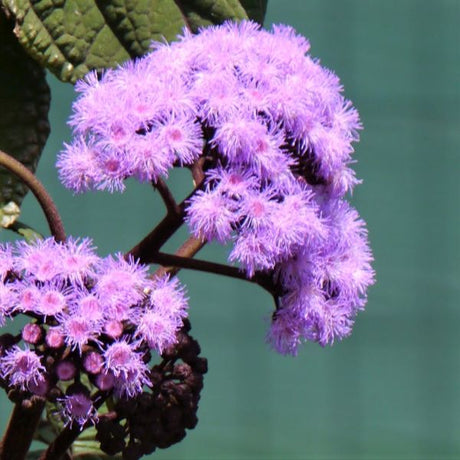
A favorite of butterflies, this native produces clusters of fuzzy, sky-blue flowers late in the season. Once established, it handles heat and drought with ease. Super hardy throughout USDA Zones 6 to 11.

Top 10 Heat-Tolerant Shrubs At Nature Hills
These shrubs provide structure, fragrance, color, and resilience, even when the hose is taking a break.
1. Louis Edmunds Manzanita (Arctostaphylos densiflora 'Louis Edmunds')
This evergreen shrub boasts smooth, reddish-brown bark and dense, gray-green foliage, providing year-round interest. In late winter to early spring, it produces clusters of pink, urn-shaped flowers that attract pollinators. Once established, it's highly drought-tolerant and thrives in full sun with well-drained soil. Its upright growth habit makes it an excellent choice for hedges, screens, or as a focal point in xeriscape gardens in Zones 8-10.
2. White Oleander (Nerium oleander (white))
A Mediterranean favorite with glossy leaves and snow white blooms from spring through fall. Known for its toughness and elegance, Oleander tolerates heat, drought, salt, and urban smog. There is also a Red and Pink form to choose from! Able to be trained into a tree-form, shrub, or vine-like garden addition, Oleander is highly versatile but does need to be minded when kids and pets are nearby.
3. Pomegranate Trees (Punica granatum)
An edible beauty! Glossy foliage, bright red flowers, and antioxidant-rich fruit make this shrub a superstar for edible landscaping in hot climates. The leathery-skinned fruits ripen in late summer to fall, filled with juicy, gem-like arils. Its sculptural branching and twisting trunk add winter interest, especially in milder climates where it remains semi-evergreen. Nature Hills offers several exceptional varieties, including the classic 'Wonderful', rich 'Purple Heart', citrusy 'Desertnyi', and the rare 'Gissarskii Rozovyi', each with unique flavors and colors.
4. Blue Italian Cypress (Cupressus sempervirens 'Glauca')
Tall, slender, and impossibly elegant, Blue Italian Cypress brings a Mediterranean charm to hot-climate landscapes. Its powdery blue-green needles grow on a narrow, upright form that works beautifully as a living column, privacy screen, or architectural accent. Heat-tolerant, drought-resistant, and evergreen, it's tailor-made for formal gardens, desert landscapes, and sunbaked soils. For a bolder green look, try the Green Italian Cypress, which shares the same stately habit and resilience but with deeper emerald tones.
5. Bay Laurel (Laurus nobilis)
A Mediterranean classic, Bay Laurel offers glossy, dark green evergreen foliage and elegant form as a shrub or small tree. Its aromatic leaves are used in cooking, adding both utility and fragrance to the garden. Bay Laurel thrives in full sun, heat, and well-drained soils, making it ideal for dry summers and warm winters in Zones 9 to 11. Shape it as a hedge, topiary, or grow it in containers. It's as beautiful as it is useful, and deer tend to leave it alone.

6. Crape Myrtle (Lagerstroemia indica)
Thrives in southern heat and humidity with stunning summer blooms and exfoliating bark. Compact cultivars fit tight spaces and bring color when few others bloom, and the papery bracts these shrubs are named for, last and last! For something larger, look into Crape Myrtle Trees!
7. Bougainvillea (Bougainvillea spp.)
A vibrant climber or sprawling shrub with papery blooms in magenta, orange, or white. Tough, sun-loving, and salt-tolerant. The Elizabeth Angus Bougainvillea is a gorgeous selection with violet-purple bracts. Train yours into a vine or a gorgeous small ornamental tree!
8. Double Red Tropical Hibiscus (Hibiscus rosa-sinensis 'Double Red')
This tropical shrub boasts large, ruffled, double red blossoms that stand out against its glossy green foliage. Thriving in full sun, it blooms nearly year-round in frost-free areas, making it a vibrant addition to any landscape. Hardy in USDA Zones 10-11, the Double Red Tropical Hibiscus attracts hummingbirds and butterflies, adding lively movement to your garden. There is also a Double Peach, and President's Red Tropical Hibiscus available.
9. Little John Dwarf Bottlebrush (Callistemon 'Little John')
Compact, tidy, and evergreen with deep red flower brushes. Ideal for containers, borders, or sunny foundations. Or try the full-sized Scarlet Bottlebrush Shrub
10. Pacific Wax Myrtle (Morella cerifera)
A semi-evergreen native with aromatic foliage and great wildlife value. It handles sandy soil, salt spray, and drought once established.

Unusual Tropical & Heat-Loving Gems
In the warmest growing zones, mother nature gives gardeners the opportunity to embrace bold textures, vibrant flowers, and plants that thrive on sun and heat. These selections are anything but ordinary, perfect for adding flair, fragrance, and tropical drama to your Zone 9–11 garden.
-
Red Kangaroo Paw (Anigozanthos): These fuzzy, tubular blooms in vivid scarlet hues rise like flames on wiry stems. Native to Australia and adapted to dry heat, Kangaroo Paw is a true heat-lover that attracts hummingbirds and thrives in sunny, sandy spots. Plant in containers or borders for sculptural interest. A fun addition to cut flower gardens!
-
Wynyabbie Gem Westringia (Westringia fruticosa 'Wynyabbie Gem'): Also known as Coastal Rosemary, this shrubby evergreen has slender gray-green leaves and soft lavender flowers. It's perfect for coastal and inland heat, requiring little water once established and forming a tidy, clipped hedge or naturalistic shrub.
-
Tree Germander (Teucrium fruticans): Silvery foliage and pale blue flowers define this shrubby Mediterranean native. Drought-tolerant and heat-loving, Tree Germander forms a graceful, mounding structure that blooms nearly year-round in mild climates. Ideal for hedges, slopes, and bee-friendly gardens.
-
Gardenias (Gardenia jasminoides): For unmatched fragrance and glossy green leaves, Gardenias are a southern classic. Their creamy white, waxy, rose-like blooms perfume the garden in late spring and summer. Ideal for containers, foundations, and partial shade, they shine in high-humidity zones and warm evenings.
-
California Lilac (Ceanothus spp.): A surprising drought-tolerant standout with vivid blue blooms, California Lilac forms a shrubby hedge or mounding accent in warm, dry climates. It requires well-drained soil and thrives with little water, making it ideal for xeriscaping and pollinator-friendly gardens in Zones 9–10. Try Concha, Skylark, Cool Blue Variegated, or Ray Hartman for some variations.

-
Romeo® Cleyera (Ternstroemia gymnanthera 'Contherann'): An evergreen with glossy, dark green leaves that flush with deep burgundy new growth. Romeo® Cleyera adds a rich, refined structure to hot climates and performs beautifully in sun or partial shade. Heat-tolerant and low-maintenance, it's a fantastic alternative to Boxwood in Zones 7–10.
-
Cherry On Top™ Sorbaria (Sorbaria sorbifolia 'Bococot'): Though often used in cooler climates, this Spirea relative thrives in mild-winter Zones 9–10 with proper placement. It boasts cherry-red new foliage that matures to green and returns with fire in fall. Creamy-white plumes in summer add to the visual drama.
-
Sunset Gold Coleonema (Coleonema pulchrum 'Sunset Gold'): A stunning evergreen shrub with fine, golden chartreuse foliage and delicate pink flowers in late winter through spring. Compact and highly ornamental, Sunset Gold glows in full sun and brings soft texture to rock gardens, borders, and containers in Zones 9–11. Its scent and color make it a show-stealer.
- Sunshine Blue Blueberry (Vaccinium corymbosum 'Sunshine Blue'): A compact, semi-evergreen Blueberry with silvery-green foliage, rosy-pink spring flowers, and flavorful midsummer berries. Heat-tolerant and self-pollinating, it thrives in Zones 5-10 and is perfect for containers, edible landscapes, or low hedges in hot climates.
Heat-Tolerant Rose Bushes (Zones 10–11)
In the sun-drenched climates of Zones 10 and 11, certain Rose varieties flourish, offering vibrant blooms and resilience to heat and humidity! Nature Hills Nursery provides a curated selection of Roses well-suited for these conditions:
- Ch-Ching!™ Grandiflora Rose: This striking Rose boasts bold, golden-yellow blooms with a delightful fragrance. It's known for its disease resistance and thrives in full sun, making it a standout in warm climates.
- Red Drift® Groundcover Rose: A low-growing Rose that forms a carpet of vibrant red blooms. It's perfect for borders or as a groundcover, offering continuous color throughout the growing season.
- Playful Happy Trails™ Groundcover Rose: Featuring cheerful red and yellow blooms, this Groundcover Rose adds a playful touch to gardens. Its spreading habit makes it ideal for covering slopes or filling in garden spaces.
- Red Sunblaze® Miniature Rose: A compact Rose bush that delivers deep red blooms. Its small size makes it suitable for containers or small garden spaces, and it's known for its hardiness and prolific flowering.
- Oh My!™ Floribunda Rose: This Rose offers velvety, deep red blooms with a mild fragrance. It's a robust plant that performs well in heat, providing continuous color and lush foliage.

Tips For Supporting Plants In Hot & Dry Climates
Read more in-depth information on Protecting Gardens From Heat Stress in our Garden Blog, but here are some quick tips to get you started:
1. Use Arborist Mulch Wisely
Apply a thick layer of arborist mulch around the base of plants to reduce surface evaporation, keep soil temperatures stable, and suppress weeds.
2. Water Deeply, Not Daily!
Water less often but more deeply to encourage deeper root growth, saturating the area well each time. Use drip irrigation or soaker hoses and only water early in the morning or late afternoon (morning being better so the sun can dry the leaves of dew, therefore reducing instances of foliar fungus and disease). Use the Finger Test to know when it's time to water.
3. Create Afternoon Shade
Plant taller shrubs or trees to block western sun exposure for more sensitive perennials. Shade cloths or strategically placed awnings can also create relief zones.
4. Improve Soil Health
Sandy or rocky soils? Mix in compost and organic matter to help hold moisture. In clay and hardpan soils, create berms or raised beds to ensure proper drainage. Learn how to create a Rock Garden to work with mother nature instead of fighting against her.
5. Group Plants by Water Needs
Keep thirsty plants near each other to reduce waste (referred to as hydrozoning) and prevent overwatering more xeric species.
6. Choose Reflective or Light-Colored Hardscaping
Reduce radiant heat by using light-colored mulch, gravel, or pavers instead of dark ones that absorb and hold heat.
7. Let Some Plants Go Dormant
Don't panic if native perennials or ornamental grasses look rough mid-summer. Many take a break during peak heat and bounce back with autumn rains and cooler temperatures.
8. Understand the Effects of a Mild Winter
In zones with little to no winter chill, some traditional perennials and fruiting shrubs may not thrive without cold exposure. Look for low-chill hours or subtropical-adapted varieties for fruit trees and flowering shrubs. In areas where frost is rare and rainfall is unreliable, plant in fall or early winter to take advantage of cooler temperatures and seasonal moisture. For desert-like zones, supplemental water during dry winters may be necessary. Even if plants are dormant.
So Hot, Yet So Hardy

Tropical sun and heat won't scare these plants; they thrive in it. Whether you're landscaping in Tucson, Tampa, or the Texas Hill Country, the right heat-hardy shrubs and perennials will bloom long after more delicate plants have wilted. With the right prep and care, your yard can be bold, colorful, and buzzing with life, even in the dog days of summer.
And remember: gardening in Zones 9 and up isn't about fighting the heat, it's about learning to dance with it. Choose plants that embrace their environment, conserve water, feed pollinators, and offer beauty in every blistering season. Let your landscape celebrate the sun instead of hiding from it.
Happy Planting!