
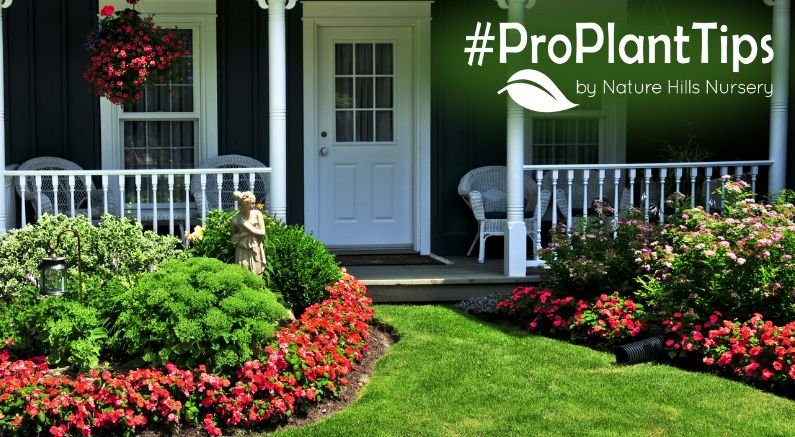
Transform your home's exterior with the perfect foundation plants that boost curb appeal and property value!

Foundation planting is one of the most important aspects of front yard landscaping, creating a seamless transition between your home's architecture and garden while concealing unsightly crawl spaces and stark, bare walls.
Let's dig into how to do it right!
Why Foundation Plants Matter For Your Home Landscaping
The best foundation plants serve multiple purposes in your landscape design! They provide year-round structure, require minimal maintenance, and stay compact enough to complement your home without overwhelming windows or walkways.
When choosing shrubs for foundation planting, look for varieties that offer attractive foliage, seasonal flowers, and/or evergreen structure while avoiding plants with aggressive root systems that could damage your home's foundation.
10 Foundation Plants For All-Around Appeal
These tried-and-true picks are low-maintenance, visually charming, and fit well under windows or along the home's base:
- Proven Winners ® Sprinter® Boxwood (Buxus microphylla 'Sprinter'): A fast-growing, cold-hardy Boxwood with glossy foliage and a naturally tidy shape.
- Excellent for low hedges and clean borders
- Grows more vigorous than other Boxwoods, yet still compact
- Zones 5-9
- Compact Japanese Holly (Ilex crenata 'Compacta'): A fine-leaved Boxwood alternative. Or try Heller's Japanese Holly for brighter green fine-textured foliage.
- Small, dark green leaves
- Low profile, mounded, wider-than-tall shape
- Zones 5-8
- Otto Luyken Laurel (Prunus laurocerasus): Glossy evergreen with spring flower spikes.
- Spreads politely without suckers
- Deer and drought-tolerant
- Zones 6-9
- Densiformis Yew (Taxus x media 'Densiformis'): Dense evergreen with soft needles.
- Easy to shear or shape
- Tolerates shade and cold
- Zones 4-7
- Dwarf Rhododendron or Azalea Shrubs (Rhododendron spp.): Spring blooms, plus many have broadleaf evergreen leaves. Use our mature height filter to choose the size you need!
- Acid soil-loving beauties!
- Great in filtered light or partial shade
- Wide Range of USDA Planting Zones 3-11
- Wintergreen Boxwood (Buxus sinica var. insularis 'Wintergreen'): Cold-hardy and lush.
- Holds color in winter
- Easy to shape and maintain
- Zones 4-9
- Little Lime® Hydrangea (Hydrangea p. 'Little Lime'): A dwarf mophead Hydrangea that's compact and floral.
- Bright green cones turn pink in fall
- Tidy habit, perfect under the windows
- Zones 3-8
- Great Boxwood substitute
- Handles wet spots and poor drainage
- Zones 5-9
- Cavatine Pieris (Pieris japonica 'Cavatine'): Also known as Andromeda, these are broadleaf evergreens with cascading fragrant blooms in spring.
- Naturally dwarf and dense. Ideal for small spaces and under windows
- Early floral display feeds early pollinators
- Deer resistant and shade tolerant
- Zones 5-8
- Dwarf Gardenia (Gardenia jasminoides 'Radicans' or 'Kleim's Hardy')
- Glossy evergreen with ultra fragrant white blooms!
- Great for warmer climates
- Zones 7-10
Foundation Plants For Home Corners and Entryways
Many homes have limited space between the foundation and walkways, making narrow or columnar shrubs essential for proper foundation planting. These vertical growers are perfect for narrow beds, tight corners, or flanking walkways. They won't crowd windows, eaves, or interfere with foundations:
-
Sky Pencil Holly: Tall, slender, broadleaf evergreen with fine-textured foliage. Great for tight formal spaces.
-
Blue Arrow Juniper: Silvery-blue, pencil-thin conifer with strong vertical form. Drought-tolerant once established.
-
Degroot's Spire Arborvitae: Twisting green foliage and a tight pyramidal habit. Cold-hardy and eye-catching.
-
Fine Line® Buckthorn: Very vertical, columnar, fine-textured foliage, and non-invasive
-
Fastigiata Boxwood: Tall, narrow Boxwood with rich evergreen foliage. Excellent for formal vertical accents. Zones 5-8
-
Green Spire Columnar Euonymus: Glossy, evergreen foliage with a fastigiate habit. Works well in sun or part shade.
-
Italian Cypress: An iconic Mediterranean vertical accent and best in warm climates. Or choose the Blue Cypress form to match your home's aesthetic.
-
Green Mountain Boxwood: Upright, pyramidal form with lush green foliage. Cold-hardy and easy to shape. Zones 4-8
-
First Editions® Autumn Inferno® Cotoneaster: Upright, arching shrub with fiery red fall color and ornamental berries.
- Orange Rocket Columnar Barberry: Vivid orange-red new growth and compact form. Deer-resistant and sun-loving.
Sample Foundation Gardens: Two Layouts For Instant Charm
Flowering and Broadleaf Evergreen Design (Full Sun to Part Shade). Choose from:
Corner Shrubs:
- Blue Muffin® Arrowwood Viburnum: Rounded form, spring flowers, fall berries, and fiery foliage.
- Strongbox® Inkberry Holly: A compact native evergreen offers a neater, fuller shape alternative to Boxwood.
Under Window Shrubs:
- PJM Elite Rhododendrons: Compact size and stunning spring blooms.
- Dorothy Wycoff Pieris: Early spring flowers, evergreen with red-tinged new growth.
Entry/Stairway Framing:
- Enci Dwarf Mugo Pines: Naturally rounded conifers with rugged texture and tidy size.
- Limelight Hydrangea Trees: A showstopping small tree with a single trunk and globe of creamy green blossoms that age to soft pink.
Facer Plants:
- Spirea ('Little Princess' or 'Double Play Candy Corn'): Compact, flowering shrubs with vibrant foliage and cheerful blooms from late spring into summer.
- October Magic Camellia series: Evergreen with fall or winter flowers; lovely structure. Try the white Shi-Shi™, or red Ruby™.
- Bloomin' Easy™ Daisy Duke™ Gardenia: Glossy evergreen leaves and intensely fragrant blooms.
- Facer plants like: Coral Bells, Hellebore, Creeping Phlox
- Include arborist mulch to help maintain moisture and visual polish.
Evergreen & Conifer Design (Full Sun). Choose from:
Corner Shrubs:
- Blue Arrow Juniper: Slim, silvery-blue columnar evergreen.
- North Pole Arborvitae: Narrow, formal look that won't overpower corners.
Under Windows:
- Densiformis Yew: Lush, spreading evergreen that handles part shade.
- Winter Gem Boxwood: Tidy and low-growing for clean lines.
Entry Framing:
- First Editions® Straight Talk® Privet: A fastigiate deciduous shrub with deep green foliage and a clean, vertical habit.
- Ground layer: Add Dwarf Catmint, Sedum, or Creeping Phlox for floral contrast.
Foundation Plant Care and Maintenance

Proper Planting Techniques
Successful foundation planting begins with proper installation. Space plants according to their mature width, not their current size, to prevent overcrowding as they grow. This spacing also ensures adequate airflow between plants and your home's siding.
Always add a layer of quality mulch around foundation plants to retain soil moisture and suppress weeds. It also acts as a tidy transition between the lawn and the foundation garden bed. Organic mulches like shredded bark or compost also improve soil structure over time.
Pruning and Shaping Foundation Plants
Most foundation plants benefit from regular pruning to maintain their shape and size.
- Pruning: Shape Boxwood, Yew, and Holly in early spring or late summer. Avoid cutting into bare wood. Try creating Topiary with these shrubs!
- Shearing: Use hand pruners for natural looks or hedge shears for formal lines.
- Watering: Use the Finger Test to know when the soil needs water. Especially during the first year.
- Spacing: Don't crowd plants. Always check mature width and leave airflow space from siding or brick.
- Mulching: Always add a layer of arborist mulch to maintain soil health and reduce weeds.
Perennial Groundcover Plants For Foundation Beds
Instead of relying on annual flowers that require yearly replanting, consider these perennial options that provide lasting color and texture in foundation plantings.
- Heuchera (Coral Bells) offers colorful foliage in shades from deep purple to bright chartreuse. These perennials work well in partial shade and provide year-round interest.
- Liriope creates a grass-like texture with purple flower spikes in late summer. This tough perennial tolerates a wide variety of growing conditions and works well as an edging plant. Try Big Blue, Silvery Sunproof, or Silver Dragon.
- Creeping Phlox provides early spring color with masses of small flowers in pink, white, or purple. This ground cover spreads to form colorful mats while remaining well-behaved.
- Hellebore (Lenten Rose) produces early blooms when few other plants are flowering. These shade-tolerant perennials have leathery, evergreen foliage that looks attractive year-round.
- Hosta varieties provide excellent foliage for shady foundation beds. These reliable perennials come in various sizes and leaf patterns, from solid green to variegated gold and white combinations.
Honorable Mentions
- Dwarf Daylilies: Reliable and reblooming
- Sea Thrift (Armeria): Cute, low, and floriferous
- Creeping Jenny: Golden groundcover for shade
Creating The Perfect Foundation Landscape

The key to successful foundation planting lies in choosing the right plants for your specific conditions and maintaining proper scale with your home's architecture. Consider factors like mature plant size, sun exposure, soil conditions, and your growing zone when selecting foundation plants.
Remember that foundation landscaping is a long-term investment in your home's curb appeal and property value. Choose quality plants that will grow and mature beautifully over time, creating a welcoming entrance that enhances your home's natural beauty while providing practical benefits like energy savings and erosion control.
With proper planning and plant selection, your foundation garden will provide years of low-maintenance beauty while creating the perfect frame for your home's architectural features.
Give Your Foundation Some Flair!
Good foundation planting isn't just about hiding bare walls! It's about creating balance, welcoming entrances, and timeless curb appeal. The right combination of evergreen structure, flowering highlights, and seasonal texture turns your home into a four-season showcase. By choosing plants that stay compact, behave around roots and walls, and bring joy to every glance, you're investing in beauty that grows with time.
Whether you're working with a blank slate or giving tired beds a fresh new face, you now have the top performers! From columnar companions to cheerful bloomers, these foundation favorites deliver charm without the chaos, season after season!
Happy Planting!


