Even if you're juggling work, family, or just don't have the time or extra cash, you can still show love to Mother Nature this Earth Day.
Celebrating our beautiful planet doesn't have to mean grand gestures. It's the tiny choices that often matter most. From your own backyard (or windowsill) to your neighborhood park, there are plenty of free, fun, and feel-good ways to honor Earth Day and keep that green spirit going all year round.
These ideas are perfect for the busy parent, the frugal college student, or anyone who wants to give back with little time and no money. You'll find passive actions, quick activities, and little ways to get the whole family involved without adding stress.
Quick and Free Earth Day Ideas for Everyone
1. Take a Walk and Pick Up Trash
Whether you're walking the dog, heading to the mailbox, or just stretching your legs, bring a small bag and pick up litter as you go. Even 5 minutes of tidying helps keep Earth tidy.
2. Pull a Few Weeds
Not all heroes wear capes. Sometimes they just pull a few invasive weeds from garden beds or sidewalk cracks. Leave native wildflowers to grow, as these "weeds" are often relied on by pollinators and beneficial insects.
3. Feed Wildlife the Right Way
Toss out the bread and opt for cracked corn, oats, or bird seed for your feathered friends. It's a great way to engage kids and learn about native species.
4. Make a Bee or Bird Watering Station
Take a shallow dish, add clean pebbles or marbles, and fill with just enough water. Bees and smaller birds can land safely and take a sip. Add a few pieces of fruit and sponges for butterflies to land on and drink from.
5. DIY Bird Feeders
Roll pinecones in peanut butter, sprinkle on bird seed, and hang with a string. Simple, sweet, and the birds will thank you.
6. Hang a Hummingbird Feeder
Use a simple sugar-water solution with 4 parts water to 1 part (organic if possible) sugar. Skip the red dye and invite these flying jewels to your yard.
7. Set Up a Wildlife Watching Station
Set up a window spot or garden bench with binoculars, a nature journal, or a camera. Let your kids or your inner child enjoy some nature TV.
8. Plant a Container or Patch of Wildflowers
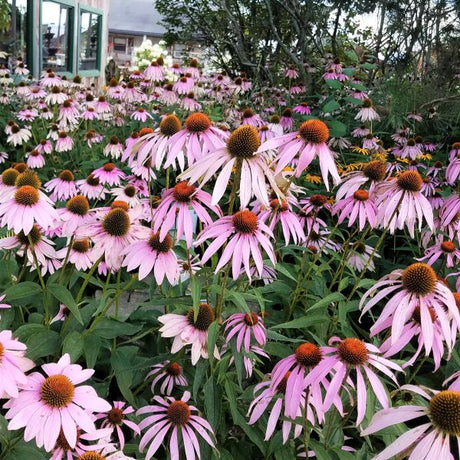
Even a small pot on your porch helps local bees and butterflies. Try Purple Coneflower or Black-Eyed Susan. Or just let a small patch of weeds grow for the beneficial insects.
9. Start a Compost Jar or Bin
No yard needed. Use a big jar or a bin with a lid to start collecting veggie peels, coffee grounds, and eggshells. Great for reducing waste, and you can use your "black gold" in pots and porch planters too.
10. Give Your Houseplants a Spa Day
Wipe dusty leaves, water with care, and repot if needed. A thriving indoor plant improves your air quality and your mood.
Micro Gardening Wins for Earth Day
Even if you don't have a garden, you can grow something green:
- Plant Wildflowers: Sprinkle a few packets of wildflower seeds in your yard or in a neglected public space (ask permission if needed). Great for pollinators and pretty, too.
- Repurpose Containers: Use yogurt cups or egg cartons to start seeds on a sunny windowsill.
- Compost Scraps: Even just saving your coffee grounds or banana peels for garden soil helps cut landfill waste.
Visit Nature Hills for pollinator favorites like:
All are native pollinator favorites. Browse our full Butterfly and Pollinator Plants collection.
Passive or Daily Actions to Celebrate Earth All Year
- Unplug devices overnight to save energy. Or choose solar options for outdoors.
- Use a reusable water bottle or bag instead of single-use plastics.
- Let dandelions bloom. Early spring bees love and need them.
- Share extra plants or veggies with neighbors.
- Spend time outdoors: Water plants, deadhead spent blooms, smell the flowers, and connect with nature.
- Recycle.
Rooted in Love: Earth Day Made Easy

You don't need to be a tree-hugging expert or have an organic garden to celebrate Earth Day. Whether you build a bee bath or just wave at a squirrel, every small act helps. Together, these little choices ripple out and make a mighty difference.
Small steps, big love: Happy Earth Day 2026. After all, it isn't just about one day. It's about small steps every day.
Happy Planting and Love Your Mother Earth!