Shop With Confidence: FREE Growing & Glowing Guarantee

Free Shipping on Orders $199+

Care guide

Juniper Care

Junipers want sun, well-drained soil and very little pruning, but every cut has to stay in green, leafy growth. Here is how to prune, water, feed and protect upright and spreading junipers through the year.

Zones 2 to 9

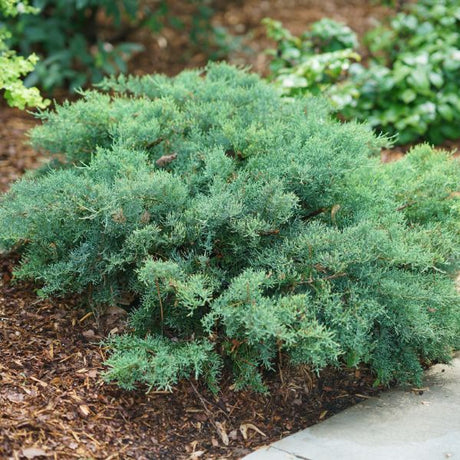
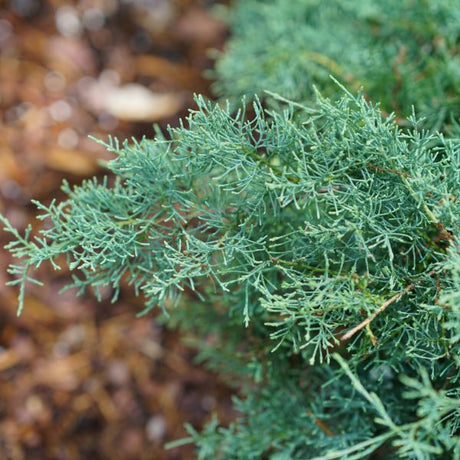
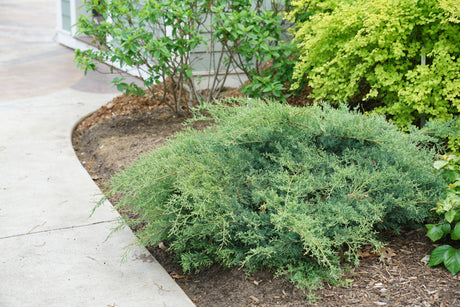
Blue Star Juniper
Blue Star Juniper

Where to Plant

Plant junipers in full sun and well-drained soil. Wet, poorly drained soil can lead to root rot. Junipers growing in shade grow slowly and do not take pruning well.

Creeping, Japanese garden and shore junipers make good groundcovers in rock gardens and spilling over retaining walls.

Shore juniper is hardy only to zone 6 and can be injured when winter drops below minus 10 degrees F. Rocky Mountain juniper does not tolerate high humidity or hot nights, and singleseed juniper struggles in the hot, humid summers of the Deep South.

Junipers are often hit by winter burn. A spot by the south or west wall of a white or brick building catches reflected heat and light in winter and burns more often.

Watering Requirements

Junipers like average, well-drained soil that never stays soggy.

One good way to prevent winter burn is to send junipers into fall well watered. In fall, water deeply during dry spells and keep at it until the ground freezes. When fall rain falls short, give established plants, in the ground more than three years, at least 1 inch of water a week from the trunk out to the branch tips. Sandy soil may need 2 inches, and plants set out within the past three years need about 2 inches a week through fall.

Spread 1 to 3 inches of mulch over the root zone to hold moisture, and keep it off the trunk.

Pruning Tips

Junipers need little or no pruning. The best time is early spring, before new growth starts. Light tip pruning in summer is fine. Skip pruning in late summer and fall, so new growth can harden off before winter, and skip it in subzero weather.

New growth comes only from the green, leafy tips, so never cut back into bare wood. A branch cut past its foliage leaves a permanent bare spot. Cut single branches back to a side branch so the cut hides under the foliage. Do not shear junipers: shearing leaves a thin shell of foliage that browns more easily in winter.

Spreading and groundcover junipers: when a branch reaches a walk or the edge of the bed, follow it back to a side branch or the main stem and cut it there instead of lopping it off at the edge. Trim a plant as it starts to outgrow its space, since cutting back a badly overgrown juniper usually reaches bare wood.

Upright and tree junipers: young trees need only light shaping. Leave the main leader alone, and if a second leader forms, remove it with a cut back to the trunk. Trees with several leaders break more easily under wind and snow.

Fertilizer Needs

Junipers often need no fertilizer. If growth and color look normal for the variety, skip it. A soil test tells you whether a plant needs feeding and what kind.

If you do feed, apply fertilizer before new growth expands in spring and no later than mid July. Later feeding pushes soft growth that is easily injured over winter. Water a dry plant before you feed it, and never feed one under drought stress.

Through the year

Spring Care

Do any pruning before new growth starts, keeping every cut in green, leafy wood. Feed only if growth or color looks weak, and finish by mid July.

Summer Care

Light tip pruning is fine, with each cut hidden under the foliage. Skip feeding after mid July and skip pruning in late summer. Bagworms can be a problem on junipers, and mites may show up, so check plants now and then.

Fall Care

Water deeply each week without rain until the ground freezes. Spread 1 to 3 inches of mulch over the root zone, keeping it off the trunk. On exposed, windy sites, set up a burlap screen at least 6 inches from the foliage to block drying wind and winter sun.

Winter Care

After a heavy, wet snow, gently brush it off with a broom, sweeping upward so you do not add weight to the branches. Never throw snow from the driveway onto the plants. Wait for early spring to prune.

Some junipers change color in winter. Creeping juniper often takes on purple tones, shore juniper turns bronze green to yellow green, and eastern red cedar may turn brownish green.

Juniper varieties

Shop all Juniper Bushes
  • Blue Star Juniper

    Juniperus squamata 'Blue Star'

    (12)
    Sale price From $2015 Regular price $3359 40% off
  • Grey Owl Juniper Bush

    Juniperus virginiana 'Grey Owl'

    (6)
    Sale price From $2015 Regular price $3359 Up to 60% off
  • Back in stock

    Blue Rug Juniper Bush

    Juniperus horizontalis 'Blue Rug'

    (6)
    Sale price From $6356 Regular price $8475 25% off
  • Dwarf Japanese Garden Juniper

    Juniperus procumbens 'Nana'

    (3)
    Sale price From $2940 Regular price $4200 30% off
  • Green Sargent Juniper

    Juniperus sargentii 'Viridis'

    (11)
    Sale price $6989 Regular price $8736 20% off
  • Blue Pacific Juniper Bush

    Juniperus conferta 'Blue Pacific'

    Sale price From $2940 Regular price $4200 30% off
  • Gold Lace Juniper Bush

    Juniperus chinensis 'Gold Lace'

    (2)
    Sale price $6550 Regular price $9357 30% off
  • Blue Point Juniper

    Juniperus chinensis 'Blue Point'

    (11)
    Sale price From $9728 Regular price $12970 25% off
  • Pancake Creeping Juniper

    Juniperus horizontalis 'Pancake'

    (6)
    Regular price $6499
  • Old Gold Juniper Bush

    Juniperus x pfitzeriana 'Old Gold'

    Sale price From $6780 Regular price $8475 20% off
  • Montana Moss® Juniper

    Juniperus chinensis 'Montana Moss'

    (2)
    Regular price From $2659 Up to 25% off
  • Miniature Common Juniper

    Juniperus communis 'Miniature'

    Regular price $7499