Shop With Confidence: FREE Growing & Glowing Guarantee

Free Shipping on Orders $199+

Care guide

Shrub Dogwood Care

Red and yellow twig dogwoods show their best color on young stems, so regular renewal pruning matters. Here is how to prune, water and care for shrub dogwoods through the year.

Zones 2 to 7

Bailey Red Twigged Dogwood

Where to Plant

Shrub dogwoods grow in full sun to part shade. Silky dogwood also handles close to full shade.

Red-osier dogwood likes organically rich soil that stays moist, and it handles wet, boggy ground and heavy clay. In hot southern summers, full sun can stress it. Tatarian dogwood likes rich, moist soil that drains well. Once established it takes some dry soil and occasional standing water. Silky dogwood wants medium to wet, slightly acidic soil. Gray dogwood takes moist, dry, wet and poor soils.

Red-osier and Tatarian dogwood get stressed and more prone to canker in hot summer areas south of zone 7.

Watering Requirements

All four prefer soil that stays moist. Water during dry spells.

Silky dogwood needs its roots kept cool and moist in summer and shows stress when they dry out. Spread 2 to 4 inches of mulch around it. Established Tatarian dogwood handles some dry soil, and gray dogwood withstands dry soil.

Pruning Tips

Red-osier and Tatarian dogwood are grown for their winter stems, and the best color is on young stems. Renewal pruning keeps young stems coming. Every year or two, in early spring, cut about a fifth to a third of the oldest stems off at the base. On red-osier, the bright bark is on stems less than 3 years old.

For a quicker reset, you can instead cut every stem to about 8 inches in early spring every 2 to 3 years. Spring pruning costs some of the small flowers, which matters little on these shrubs.

Both sucker and can spread into a colony, though Tatarian spreads less. To keep the clump in bounds, trim the roots with a spade and pull suckers promptly.

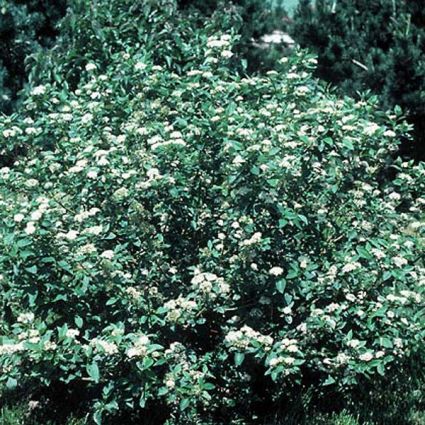
Gray dogwood forms thickets unless you remove its root suckers, and it can be trained into a small tree. Silky dogwood forms thickets if its growth is not kept in check, and branches that touch the ground can root.

Fertilizer Needs

Red-osier, Tatarian and silky dogwood do best in organically rich soil. Gray dogwood withstands poor soil.

Through the year

Spring Care

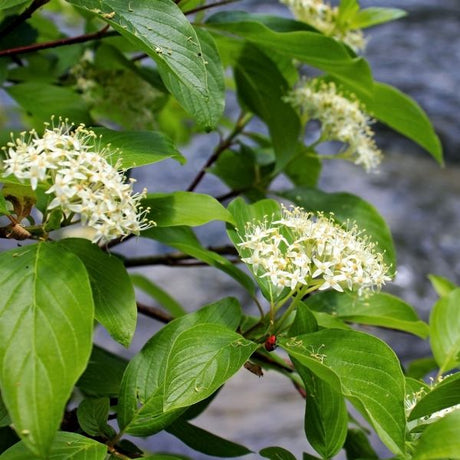
Do renewal pruning on red-osier and Tatarian dogwood in early spring. Clusters of small white flowers open in late spring, in May and June.

Summer Care

Water during dry spells so the soil stays moist. Keep mulch around silky dogwood to hold moisture at the roots.

White or bluish berries follow the flowers, and birds eat them. On red-osier and Tatarian dogwood, watch for leaf spot, twig blight and canker, which hit stressed plants hardest. Gray and silky dogwood have no serious pest or disease problems.

Fall Care

Red-osier leaves turn red to orange, then purple. Gray dogwood turns a dusky purplish red. Silky dogwood usually has little fall color. On red-osier, the younger stems take on their red or yellow color in late summer, and it deepens through winter.

Winter Care

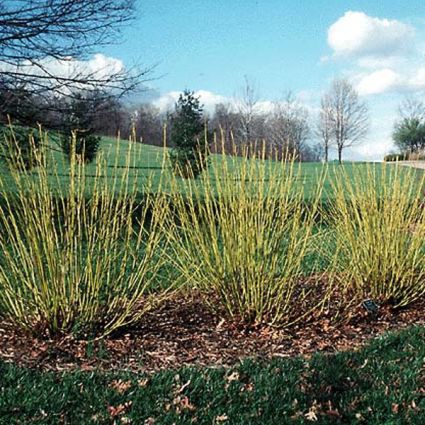
This is when red-osier and Tatarian dogwood shine. Red-osier comes in red or yellow stem types, and the bright twigs stand out against snow. Gray dogwood's red stems often hold their color into early winter.

Shrub Dogwood varieties

Shop all Dogwood Bushes
  • Bailey Red Twigged Dogwood

    Cornus sericea 'Baileyi'

    (18)
    Sale price From $5222 Regular price $8703 40% off
  • Ivory Halo® Dogwood

    Cornus alba 'Ivory Halo'

    (16)
    Sale price From $2999 Regular price $3999 25% off
  • Red Gnome Dogwood

    Cornus alba 'Red Gnome'

    (2)
    Sale price From $6766 Regular price $8458 20% off
  • Sgt. Pepper™ Dogwood

    Cornus alba 'Sgt. Pepper'

    (16)
    Sale price From $5911 Regular price $9851 40% off
  • Back in stock

    Cardinal Red Osier Dogwood

    Cornus sericea 'Cardinal'

    (8)
    Regular price $3999
  • Back in stock

    Bud's Yellow Dogwood

    Cornus alba 'Bud's Yellow'

    Regular price $4499