Care guide
Barberry Care
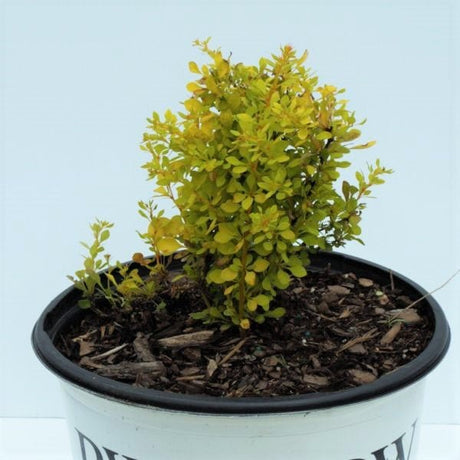
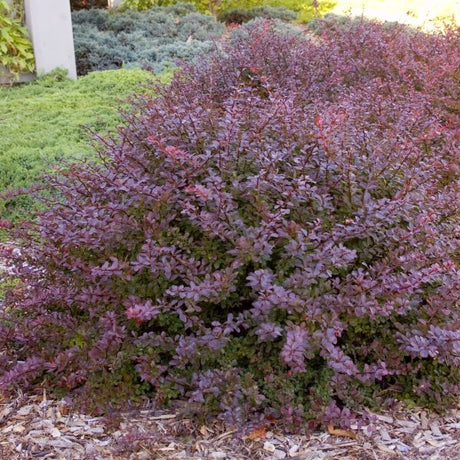
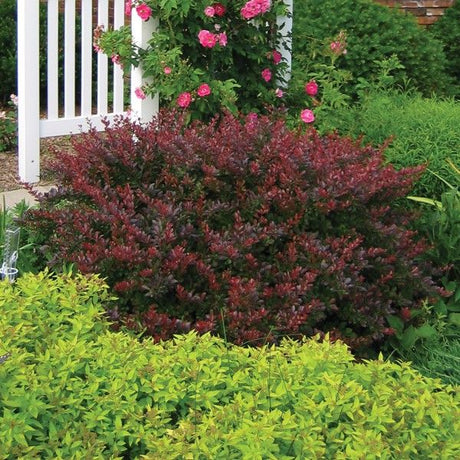
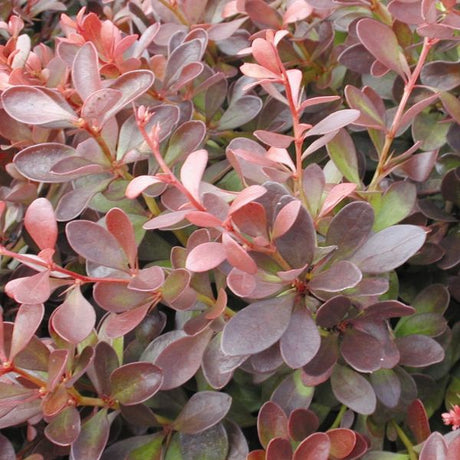
Barberries are tough, thorny shrubs grown mainly for their colorful leaves, and they make good hedges and barriers. They handle dry soil and city conditions but need good drainage. Prune in late winter or early spring, before growth starts. Here is how to site, water, prune and feed them.
Zones 4– to 8
This week in Zone
This week:
Hold off:
Where to Plant
Barberries grow best in full sun or part shade. Japanese barberry grows in zones 4 to 8 and performs best in full sun, which also keeps plants more compact than shade does.
Plant in well-drained soil. Barberries tolerate most soil types, dry conditions and city sites better than many shrubs, but Japanese barberry does not tolerate poorly drained, wet soil. Barberries transplant easily.
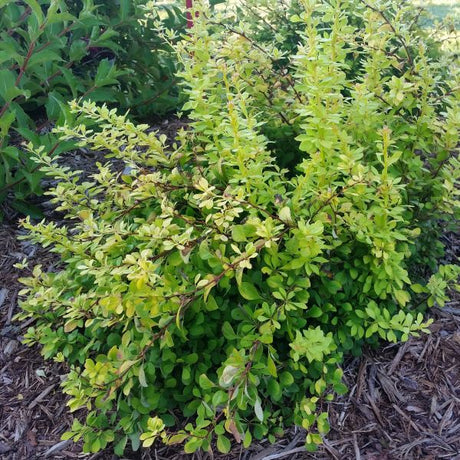
Japanese barberry grows 3 to 6 feet tall and 4 to 7 feet wide, while dwarf selections grow slowly and stay more compact. Size varies by variety, so check the mature size of the plant you choose before spacing it.
The thorny stems make barberries good hedge and barrier plants, and they also work in mass plantings, shrub borders and foundation beds. Japanese barberry is deer resistant.
Watering Requirements
Water newly planted barberries regularly until they are established, soaking the root ball about once a week. Watering new shrubs well is the most important care while their roots establish.
Once established, barberries withstand dry conditions. Water them when the top 6 to 9 inches of soil dry out. Avoid keeping the soil wet, since Japanese barberry does not tolerate wet, poorly drained soil.
A 2 to 3 inch layer of organic mulch helps conserve soil moisture and protect the roots.
Pruning Tips
Barberries withstand pruning well, but apart from formal hedges they need little of it. As shrubs grown mainly for their leaves, they are best pruned in late winter or early spring, before new growth begins. Light pruning can also be done right after the spring flowers fade. On Japanese barberry, regular pruning removes some flower buds, so shrubs that are not pruned often flower more.
Formal hedges need shearing one or more times a year. Shear them in spring and again in midsummer to keep them dense, and shape the hedge so the base is wider than the top, which lets sunlight reach the lower branches.
An overgrown barberry can be renewed by cutting it back very hard, even to within a foot or so of the ground, in late winter.
Fertilizer Needs
Healthy shrubs in most landscapes seldom need fertilizer, and none should go on at planting time. If a soil test shows a need, feed barberries in spring with a slow-release fertilizer and follow the label.
Never fertilize in late summer or early fall, when it pushes new growth just as the shrub prepares for dormancy.
Through the year
Spring Care
Japanese barberry is one of the first shrubs to leaf out in spring, as are most deciduous barberries, so finish pruning and any renewal cuts before growth begins. If scale insects were a problem, apply dormant horticultural oil before growth starts. Feed only if a soil test calls for it, and add 2 to 3 inches of organic mulch.
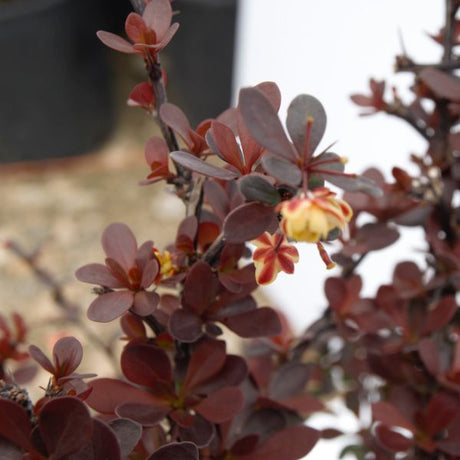
Yellow flowers open in spring. On Japanese barberry they are not very showy, since they are small and borne under the leaves.
Summer Care
Give formal hedges a second shearing in midsummer. Water new plantings about once a week, and established shrubs when the top 6 to 9 inches of soil dry out.
Barberries are not usually seriously affected by pests or diseases. Watch for leaf spots, anthracnose and powdery mildew, and for aphids, scale and barberry webworm, a small black caterpillar with white spots that ties leaves and shoot tips together.
Fall Care
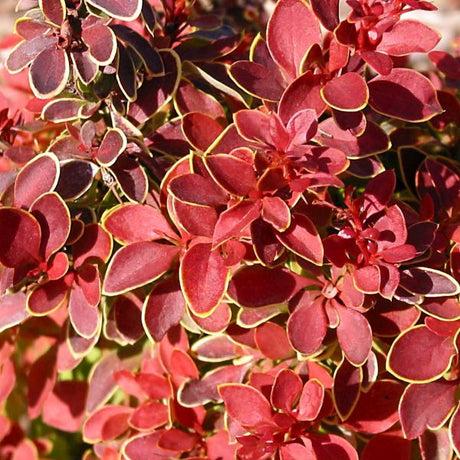
Skip fertilizer in late summer and early fall. The leaves of Japanese barberry turn shades of orange, yellow and red in fall before they drop.
Winter Care
Japanese barberry is deciduous, so its thorny stems stand bare in winter. Late winter, just before spring growth starts, is the best time for most pruning, including renewal cuts on an overgrown shrub.
Barberry varieties
Shop all Barberry Bushes-
Berberis thunbergii 'Orange Rocket'
★★★★★(13)Sale price From $5568 Regular price $6960 20% offUnit price /Unavailable -
Berberis thunbergii 'Sunjoy Mini Saffron'
Regular price From $2649 Up to 40% offUnit price /Unavailable -
Berberis thunbergii 'Sunjoy Tangelo'
★★★★★(1)Regular price From $2649 Up to 20% offUnit price /Unavailable -
Sunjoy Orange Pillar® Barberry
Berberis thunbergii 'Sunjoy Orange Pillar'
Regular price From $2649 Up to 20% offUnit price /Unavailable -
Berberis thunbergii 'Sunjoy Fast Neo'
Sale price From $7952 Regular price $9940 20% offUnit price /Unavailable -
Berberis thunbergii 'Admiration'
Sale price $2799 Regular price $3499 20% offUnit price /Unavailable -
Berberis thunbergii 'Sunjoy Mini Maroon'
★★★★★(4)Regular price From $2649 Up to 20% offUnit price /Unavailable -
Berberis thunbergii 'Sunjoy Citrus'
Regular price $2649Unit price /Unavailable -
Berberis thunbergii 'Sunjoy Really Red'
★★★★★(1)Regular price $2649Unit price /Unavailable -
-
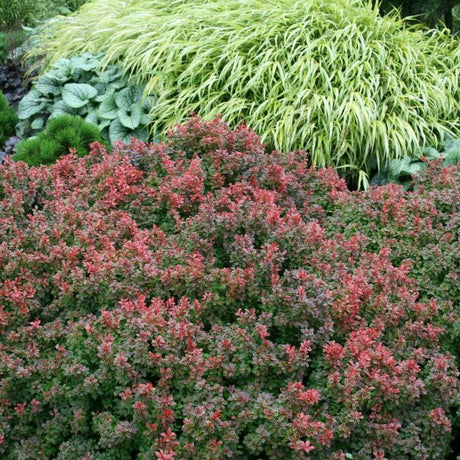
Berberis thunbergii f. atropurpurea
★★★★★(15)Sale price $2799 Regular price $3499 20% offUnit price /Unavailable