


Ann Magnolia Shrub
Magnolia x 'Ann'


Plant Sentry™ Protected
Your order is protected by our compliance system that:
- Prevents restricted plants from shipping to your state
- Ensures plants meet your state's agricultural requirements
- Protects gardens from invasive pests and diseases
Specifications
| Plant Characteristics | Cold hardy, Flowering, Fragrant, Attracts pollinators, Container Friendly |
|---|---|
| Hardiness Zone | 4a to 8b |
| Sunlight | Full sun |
| Height | |
| Width | |
| Watering Needs | Moderate |
| Preferred Soil | Loamy, Peaty |
| Growth Rate | Moderate |
| Growth Habit | Bushy, Spreading, Upright |
| Blooms In | Spring, Summer |
| Flower Color | Purple, Red, White |
| Foliage Color | Green |
| Fragrant | Yes |
| Suitable Space | Outdoors |
| Plant Name | Magnolia |
| Botanical Name | |
| Cultivar | |
| Class | Magnoliopsida |
| Does Not Ship To | AK, HI, ID, MT, PR |
Description
Ann Magnolia Shrub Blooms Weeks Later Than Others
- Magnificent Flowers Bloom Late in Spring to Avoid Spring Frosts
- Fragrant, Purple-Red Flowers Open with White Interior
- Huge Spring Floral Display, Sporadic Blooms in Summer
- Great Size and Shape for Modern Yards
- Use as Shrub or Small Tree
- Dense Foliage Gives Beautiful Privacy
- Low Maintenance
- Moderately Fast Growing
- Pest & Disease Resistant
- Some Tolerance to Drought
- Little to No Pruning Needed
- Deer Seem to Leave This Plant Alone
What a great plant for modern homeowners! Ann Magnolia (Magnolia x Ann') is one of our customer favorites, and it's easy to see why. This Magnolia is low maintenance, perfect for the smaller yard or garden, and will fit practically any landscape.
Ann is a really nice Magnolia selection that deserves a prominent location in your yard. Let it become the focal point of your backyard, protect you from prying eyes in a side yard, or make a big, beautiful statement in the front yard.
Use it as a dense, deciduous shrub for pretty privacy. Or, train it into a small tree to use near your patio or front door. There really is no wrong way to use this plant in today's smaller lots.
You'll appreciate the lovely, fragrant spring flowers that bloom a couple of weeks later than other Magnolias. While late spring cold snaps may damage some flower buds of early spring bloomers, Ann gives you an extra window of forgiveness.
It's well worth the wait! Ann's blossoms are huge, fuchsia, and goblet-shaped. They start as beautiful, tapered buds that resemble tulips on every single branch tip. The buds quickly grow 7 to 9 inches long and open to reveal a tender white. The deep flower color of the petals contrasts beautifully to the white insides of the bloom.
Ann's flowers develop just prior to the leaves emerging, so they are incredibly showy and eye-catching. If the weather remains cool during the bloom the flowers will last much longer. The flower display is phenomenal, so be sure to site this where you can see it from indoors.
Then, just when you think it has completed its show for the summer, Ann may still surprise you with a repeat bloom in mid-summer. Keep your eyes open and sneak one or two in your summer bouquets as a special treat.
Ann Magnolia shrub is a member of the 'Little Girl' series of Magnolias, and a popular choice for both novice and expert gardeners. This improved variety was developed at the National Arboretum by expert horticulturists.
It's a vigorous and hardy shrub that won't require a lot of your time in return for the brilliant displays it produces. It has no significant disease or insect problems. You can even prune these into small tree-form flowering trees for higher impact in the landscape!
Leathery green foliage is an added bonus that maintains an attractive sight for your landscape even when the Ann Magnolia is not in bloom.
Ann Magnolia grows naturally beautiful without shaping as a dense, shrubby, upright plant that grows more rounded as the plant matures. Or, keep it smaller with an annual pruning to maintain the desired size and shape.
You'll love the Ann Magnolia, so order yours today! But hurry, others are interested in this variety, too. We sell out regularly.
How to Use Ann Magnolia in the Landscape
Ann's wonderful flower display and dense shrubby growth habit make it an excellent specimen or anchor for the corner of your home. The lush look easily softens up the corner of your garage to ease the transitions from front to side yard.
Ann belongs where you can see, appreciate, and smell the blooms. Why not use it near the front door to add major style points and curb appeal? Underplant it with red, purple, and white spring-flowering bulbs to coordinate with the blooms.
We love the idea of planting it as a specimen plant anywhere you'll be able to study and smell the blooms in spring. Try it by the patio furniture, or near your back door.
Ann also provides an easy, elegant solution for privacy screening. You won't feel like you live in a fortress, but rather, you'll block eyesores with an easy charm.
Remember, specimen plants aren't just for the front yard, but what about that focal point in the backyard, too? Use a single specimen near the patio to screen out the adjacent neighbors.
Or do a bit more screening to hide an ugly garage or unsightly view by using 3 or 5 plants in a group. Plant Ann Magnolia 5 - 6 feet apart on center. Measure from the center of one plant to the center of the next.
It won't take long at all for the branches to touch and create an excellent informal, untrimmed hedge. Much better!
Add Ann Magnolia across the back of your perennial or mixed shrub borders. The mid-toned, large, green leaves will be a beautiful backdrop to other perennials, groundcovers, and smaller shrubs.
This great little Magnolia can be used to face an evergreen windbreak or screen. You'll soften the look, and the evergreens will really set off the massive flower display.
#ProPlantTips for Care
Use care when siting your new Ann Magnolia. They won't like to be moved once they get their roots settled in your native soil. Hardy USDA hardiness zones 4-8, hybrid Magnolias developed with significant cold and heat endurance.
Give cold hardy Ann Magnolia a spot in full sun for the best flowering. If you live somewhere with hot summers, she does appreciate partial shade in the afternoon. Add a thick layer of mulch over the root system to protect it.
It really prefers moist, well-drained, slightly acidic soil. But Ann is no diva. She is quite adaptable to other soil conditions. Cover the top of the root ball with NatureHills.com Root Booster, and cover the soil over the root zone with mulch.
Young plants require a medium amount of even, uniform watering for the first season as they grow their roots to get established in your landscape. Older plants can tolerate a bit of occasional drought. Be sure to provide supplemental water during extended dry spells.
Ann can be left to grow naturally. Pruning is typically not needed. If you need to remove damaged branches or want to shape the tree, prune after the flowers finish in spring.
People across the country love this wonderful, small Magnolia. Add one or several to your landscape. Order today!
Planting & Care
Delivery and Shipping
Shipping Rates
Ships in 3-5 business days • Tracking provided • Weather protected
| Under $50 | $9.99 |
| $50 - $99.99 | $14.99 |
| $100 - $149.99 | $16.99 |
| $150 - $198.99 | $24.99 |
| $199+ | FREE |
✓ Zone-specific timing • ✓ Professional packaging • ✓ Health guarantee
Find on Page
Type to search specs, description, care, FAQ, and shipping.
Other Magnolia varieties
-

Magnolia virginiana 'Jim Wilson'
Regular price From $8907Unit price /Unavailable -

-

Magnolia grandiflora 'Edith Bogue'
Regular price $12120Unit price /Unavailable -


Very happy with my magnolias! They’re going to grow into a great screen for the south side of the house!
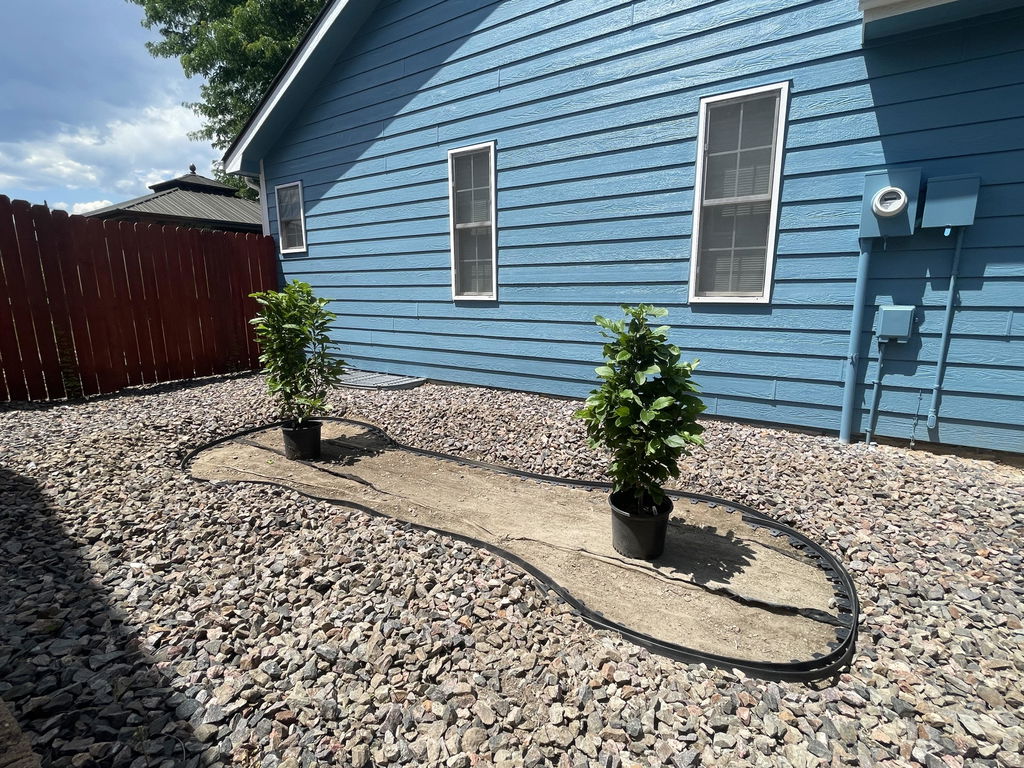
Hi Maegan! Thank you for your review of our Ann Magnolia! We're thrilled to hear that you're happy with your purchase and that they will serve as a great screen for your house. As a gardening tip, make sure to water your magnolias regularly and provide them with plenty of sunlight for optimal growth. Happy gardening! -Nature Hills Customer Service
It came in a massive big box, well wrapped and covered in leaves, with very helpful planting instructions. Having investigated many smaller nurseries I find 99% of them have terrible websites, many do not even list what is in stock nor their prices or sizes. Even worse, they can take weeks to ship the item you ordered (or respond to an email). Smaller nurseries really do not comprehend the 21st century world (example: one small nursery wanted me to email them my credit card info - they did not even have SSL-encrypted payment methods! Fraud alert). Thankfully Nature Hills does understand the modern world of shopping and customer service. I will be back (sorry local nurseries, but you are just way too primitive, drop into the 21st century and I might shop with you).
Hi,
Thank you so much for sharing your thoughtful and detailed review! We’re truly delighted to hear that your tree arrived safely and perfectly cared for, and that our planting instructions helped make the process smooth and enjoyable. We understand how frustrating it can be to encounter outdated websites and slow service, so it means a lot to us that Nature Hills stands out for providing a seamless, modern shopping experience you can trust.
We completely agree—your security and convenience are paramount, which is why we utilize encrypted payment options and strive for quick communication so you feel confident every step of the way. If you ever want more recommendations or personalized planting advice, please don’t hesitate to reach out—we’re always here to help you grow something wonderful.
Looking forward to welcoming you back to Nature Hills for your next gardening adventure!
Rooting for your garden’s success,
Your Nature Hills Plant Care Team
Hoping to see it bloom perhaps next year. Looking healthy and thriving.
Hi,
Thank you so much for sharing your hopes and excitement with us! We’re delighted to hear that your plant is looking healthy and thriving—that’s such a wonderful sign as you patiently wait for it to bloom, possibly next year.
If you’d like, we can share some tips to encourage blooming, such as ensuring your plant gets the right amount of sunlight and consistent watering schedule, along with proper fertilizing during the growing season. Feel free to reach out anytime for specific care instructions tailored to your plant type!
We’re cheering you on as you watch your garden flourish.
Bloom on,
The Nature Hills Plant Knowledge Team
Hoping to see it bloom perhaps next year. Looking healthy and thriving.
Hi Vera,
Thank you so much for sharing your journey with your new plant! We’re delighted to hear it’s looking healthy and thriving—that’s a fantastic start. Many plants do take some time to bloom, sometimes even into their second year, so your patience will surely be rewarded with beautiful blossoms. If you want, we’d be happy to share specific care tips tailored to your plant variety to help encourage blooming next season. Please don’t hesitate to reach out for any advice or questions along the way!
Wishing you happy planting,
The Nature Hills Plant Experts
It came in a massive big box, well wrapped and covered in leaves, with very helpful planting instructions. Having investigated many smaller nurseries I find 99% of them have terrible websites, many do not even list what is in stock nor their prices or sizes. Even worse, they can take weeks to ship the item you ordered (or respond to an email). Smaller nurseries really do not comprehend the 21st century world (example: one small nursery wanted me to email them my credit card info - they did not even have SSL-encrypted payment methods! Fraud alert). Thankfully Nature Hills does understand the modern world of shopping and customer service. I will be back (sorry local nurseries, but you are just way too primitive, drop into the 21st century and I might shop with you).
Dear Plasko20,
Thank you so much for sharing such a thoughtful and detailed review! We are absolutely delighted to hear that your “perfect little tree” arrived safely, well-packed, and accompanied by clear planting instructions. We strive to provide not only beautiful plants but also a seamless and trustworthy experience — especially given how frustrating it can be with less organized suppliers. Your insights about smaller nurseries highlight just how important it is to us to stay ahead with modern technology and outstanding customer service.
If you ever have any questions about your new tree or want recommendations for complementary plants to enrich your garden, please don’t hesitate to reach out. We're always here to help you thrive through every green endeavor!
Wishing you happy planting,
The Nature Hills Plant Experts
The tree arrived in very healthy condition. I'm looking forward to enjoying it for years to come.
Dear Kelly,
Thank you so much for sharing your wonderful feedback! We’re delighted to hear that your tree arrived in such great health and we’re just as excited as you are for it to bring beauty and joy to your space for many years to come. If you’d ever like tips on caring for your new tree or suggestions for companion plants to enhance your garden, don’t hesitate to reach out—we’re always here to support your gardening journey.
Wishing you happy planting,
The Nature Hills Plant Experts
The tree arrived in very healthy condition. I'm looking forward to enjoying it for years to come.
Dear Kelly,
Thank you so much for sharing your kind review! We're thrilled to hear that your tree arrived healthy and ready to thrive. With proper care and a bit of gardening love, it sounds like you’ll have many beautiful years enjoying it. If you ever need tips on watering, pruning, or soil management, please don’t hesitate to reach out—we’re here to help your tree flourish.
Wishing you happy planting,
The Nature Hills Plant Experts
Don’t worry about how it will arrive because they are excellently packaged. The driver had one on top and on it’s side, I expected a big mess but it was fine because of the way it was packed. The plants were full of leaves and they looked healthy. Very happy with this purchase and will order more plants in the future.
Dear Donald,
Thank you so much for taking the time to share your wonderful experience with your Ann Magnolia shrub! We’re thrilled to hear that the packaging protected your plants so well, even with mixed orientation during delivery, and that your new shrubs arrived healthy and full of vibrant leaves. It's always our goal to ensure your plants arrive in great condition and ready to thrive in your garden.
When your Ann Magnolias continue to settle in, be sure to plant them in well-drained soil with some afternoon shade if you’re in a hotter climate to keep their leaves lush and healthy. Regular watering during the first few months will really help them establish strong roots. If you have questions about planting tips or future orders, please don’t hesitate to reach out – we’re here to support your green thumb efforts!
We’re grateful for your trust and look forward to helping you grow a beautiful landscape for years to come.
Wishing you happy planting,
The Nature Hills Plant Experts
Don’t worry about how it will arrive because they are excellently packaged. The driver had one on top and on it’s side, I expected a big mess but it was fine because of the way it was packed. The plants were full of leaves and they looked healthy. Very happy with this purchase and will order more plants in the future.
Dear Donald,
Thank you so much for sharing your wonderful experience with your Ann Magnolia shrub! We're thrilled to hear that our packaging exceeded your expectations and that the plants arrived healthy and full of leaves. We truly take pride in ensuring your plants journey safely from our nursery to your garden.
As you look forward to ordering more plants, feel free to reach out if you ever need guidance on planting, care, or selecting varieties to complement your new magnolia. Our team is always here to support your growing garden.
Wishing you happy planting,
The Nature Hills Plant Experts
I have loved Magnolia trees for years and finally bought one for my front yard of my new home. The packaging was great, the roots were very well protected and I just planted it yesterday and will be anticipating the blooms next spring!! So far am very pleased with my purchase.
Dear Pam,
Thank you so much for sharing your wonderful feedback! We’re thrilled to hear that your Ann Magnolia Shrub arrived beautifully packaged and that the roots were well protected. Magnolias are truly stunning, and it’s exciting that you’ve finally added one to your new front yard. With the right care, it will surely reward you with those lovely blooms next spring!
As you get settled in, remember magnolias enjoy well-drained, slightly acidic soil and flourish in a spot with morning sun and some afternoon shade—this will help promote healthy growth and vibrant flowers. If you ever need tips on ongoing care or wanting to explore companion plants that thrive alongside magnolias, feel free to reach out. We’d love to assist anytime!
Thank you again for trusting Nature Hills as part of your gardening journey, and congratulations on your new home and beautiful addition to your landscape.
Wishing you happy planting,
The Nature Hills Plant Experts
I have loved Magnolia trees for years and finally bought one for my front yard of my new home. The packaging was great, the roots were very well protected and I just planted it yesterday and will be anticipating the blooms next spring!! So far am very pleased with my purchase.
Dear Pam,
Thank you so much for sharing your wonderful experience with your new Ann Magnolia Shrub! We’re delighted to hear that the packaging met your expectations and that your plant arrived healthy and well-protected—our team takes great care to ensure each plant is ready to thrive in its new home. Magnolia trees are indeed stunning and we’re sure your front yard will be beautifully transformed once the blooms emerge next spring.
As you watch your magnolia establish itself, be sure to provide it with plenty of well-draining soil and keep it watered consistently during the first growing season to encourage strong root development. Mulching around the base can also help retain moisture and regulate soil temperature. If you have any questions along the way or need tips on care specific to your climate zone, don’t hesitate to reach out — we’re always happy to support your gardening journey.
Wishing you the most delightful blossoming season!
Bloom on,
The Nature Hills Plant Knowledge Team
The Ann magnolia blooms and blooms without me paying a whole lot of attention to its care. I do prune some every other year or so to keep it a little smaller so it fits in the side yard very nicely.
Hello Berky,
Thank you so much for sharing your wonderful experience with the Ann Magnolia shrub! It’s fantastic to hear that its easygoing nature has brought vibrant blooms to your side yard with such minimal effort. Your pruning routine sounds perfectly balanced—just enough to keep your shrub looking its best while fitting beautifully in its space. If you ever need tips on timing your pruning or spot care to enhance blooms even further, we’re happy to help!
Wishing you happy planting,
The Nature Hills Plant Experts
The Ann magnolia blooms and blooms without me paying a whole lot of attention to its care. I do prune some every other year or so to keep it a little smaller so it fits in the side yard very nicely.
Dear Berky,
Thank you so much for taking the time to share your experience with your Ann magnolia shrub! We’re delighted to hear that it thrives so beautifully with minimal care and fits perfectly in your side yard. It sounds like your occasional pruning routine is just the right approach to keep it healthy and the size just right.
If you ever want to boost those blooms even further, a little compost or balanced fertilizer in early spring can work wonders, though it sounds like your magnolia is already happy as can be! Also, mulching around the base helps retain moisture and protects roots, especially during dry spells.
We truly appreciate your thoughtful feedback—it helps us and fellow gardeners alike understand what makes these shrubs so special!
Bloom on,
The Nature Hills Plant Knowledge Team
The Ann magnolia fits my nickname, shorty. Small plant and great flowers.
Hi Shorty,
Thank you so much for your wonderful feedback! We’re delighted to hear that the Ann Magnolia Shrub fits your nickname perfectly and that you’re enjoying its lovely flowers. Although it’s a smaller shrub, its beauty often surprises those who appreciate more compact plants.
If you want to help your Ann Magnolia thrive even more, we recommend ensuring it gets ample morning sunlight and well-draining soil. Regular mulching can also protect its roots and retain moisture during warmer months. Feel free to reach out if you'd like tips on pruning or seasonal care for maximum flowering!
Wishing you happy planting,
The Nature Hills Plant Experts
The Ann magnolia fits my nickname, shorty. Small plant and great flowers.
Dear Shorty,
Thank you so much for sharing your thoughtful review of the Ann Magnolia shrub! We love hearing that the plant fits your nickname so perfectly—it’s always fun when a garden companion feels just right. The Ann Magnolia’s compact size and delightful flowers truly make it a charming addition to any space.
If you’re interested in helping your 'shorty' shrub thrive and perhaps encourage even more blooms season after season, nurturing it with well-draining soil and regular watering during dry spells can make a big difference. Don’t forget to look into light pruning after flowering to maintain its shape and overall vitality!
Feel free to check out our detailed care guides on the website, or reach out anytime for personalized tips—we’re always happy to assist!
Growing with you,
Nature Hills Nursery – Your Trusted Plant Specialists
I had to seek out a Ann Magnolia and am glad I did. I planted mine four years ago and it is now about seven feet wide and seven feet tall. It stays low to the ground and has the most beautiful blooms that people stop their cars to look at the house. I plan on putting two more in my backyard. I water it and give it fertilizer every spring and fall, but otherwise it is easy to maintain and has beautiful blooms.
Dear mothergardner,
Thank you so much for sharing your wonderful experience with your Ann Magnolia shrub! It’s truly heartwarming to hear how your plant has flourished over the past four years, gracefully spreading to seven feet wide and tall. Your dedication with watering and fertilizing each spring and fall really shows in those stunning blooms that even passersby can’t help but admire. It’s inspiring knowing you’re excited to add two more to your backyard — they’ll surely enhance your garden’s charm even more!
If you ever want tips on pruning or protecting your Ann Magnolia from pests, please don’t hesitate to reach out. We also have some great resources on maintaining shrub health throughout the seasons on our blog that might be helpful as you care for these beauties going forward.
Thanks again for choosing Nature Hills and for your thoughtful review—we truly appreciate your passion for gardening!
To greener days ahead,
Nature Hills Customer Care & Plant Support
I had to seek out a Ann Magnolia and am glad I did. I planted mine four years ago and it is now about seven feet wide and seven feet tall. It stays low to the ground and has the most beautiful blooms that people stop their cars to look at the house. I plan on putting two more in my backyard. I water it and give it fertilizer every spring and fall, but otherwise it is easy to maintain and has beautiful blooms.
Dear Mothergardner,
Thank you so much for sharing your wonderful experience with your Ann Magnolia shrub! We’re thrilled to hear how beautifully it has flourished under your care, growing wide and tall with such stunning blooms that even passersby take notice. It sounds like you've created a true showstopper in your garden!
Your routine of watering and fertilizing each spring and fall is an excellent practice to keep your magnolia healthy and vibrant. If you ever want to boost its bloom production further, consider adding a layer of organic mulch to help retain moisture and regulate soil temperature. Additionally, pruning right after it finishes flowering can encourage stronger growth for the following season.
We are excited that you plan on adding two more shrubs to your backyard — planting multiples really transforms a space and creates lovely impact. If you’d like, we can help with recommendations on companion plants or ideas to maximize your garden’s beauty.
Thank you again for your thoughtful review and for choosing Nature Hills. We appreciate having devoted gardeners like you in our community.
Bloom on,
The Nature Hills Plant Knowledge Team
