


Heritage Raspberry Bush
Rubus idaeus var. strigosus 'Heritage'


Plant Sentry™ Protected
Your order is protected by our compliance system that:
- Prevents restricted plants from shipping to your state
- Ensures plants meet your state's agricultural requirements
- Protects gardens from invasive pests and diseases
Specifications
| Plant Characteristics | Edible, Flowering, Cold hardy, Fast-growing, Self-pollinating |
|---|---|
| Hardiness Zone | 4a to 8b |
| Sunlight | Full sun |
| Height | |
| Width | |
| Watering Needs | High |
| Preferred Soil | Clay, Loamy, Peaty, Sandy |
| Growth Rate | Moderate |
| Growth Habit | Bushy, Spreading, Upright |
| Blooms In | Spring, Summer, Fall |
| Flower Color | White, Green |
| Foliage Color | Green |
| Suitable Space | Outdoors |
| Botanical Name | |
| Species | |
| Cultivar | |
| Class | Rosales |
| Does Not Ship To | AK, HI, ID, MT, OR, PR, WA |
Description
Everbearing and brilliant, the Heritage Raspberry (Rubus idaeus var. strigosus 'Heritage') is an excellent self-fertile raspberry that offers pristine flavor and a large crop. This vigorous grower is a great choice for raspberry fans that want to snack on sweet berries all season long!
As an everbearing raspberry, Heritage produces drifts of gorgeous white flowers and juicy berries in July and then again, as fall arrives! It will keep popping out berries until your first frost hits!
The cold-hardy Heritage fruit is full of flavor and its firm texture makes it easy to pick. Each berry is a host of extra-sweet juice. You'll love the look of these berries too! They're deep pinkish-red and one of the larger berries you can find on the home orchard market.
Planting and Application:
You will love the berries, and also enjoy the low-maintenance nature. Its vigorous growth won't need stakes or support. Use anywhere in your landscape to replace flowering shrubs! Take advantage of those thorns and create linear orchards that double as screening and privacy, as well as property division that says 'keep out'!
Show off your Heritage Raspberries as part of an edible garden. They grow fast and spread well, so give them space and watch them go! Birds and wildlife adore them for nesting and cover, plus the delectable fruit! You may want to cover at least one for yourself. Pollinators will arrive in droves for the feast twice a year too!
- Vigorous Growth
- Self-Fertile Everbearing
- Large Extremely Juicy Red Berries
- High Sugar Levels
- Edible Hedge, Property Division, Privacy & Shelterbelts
#ProPlantTips for Care:
Everbearing Raspberries produce a crop in August-September on the tips of the canes that formed that spring. Leave these canes in place overwinter and they'll reward you with a June crop the following spring. When those 2nd-year canes are harvested, they can be cut to the ground. Leaving the new, younger green canes to start the cycle over.
Otherwise, provide full sun and a well-drained moist location for your shrub. Keep them mulched and provide slightly acidic fertilizer.
- Full Sun
- Low Maintenance!
- Moderately Moist, Mulched Fertile & Well-Drained Soil
- ~300 Chill Hours
- Prune Very Early Spring
Don't settle for bland or bitter fruit. The Heritage Raspberry Bush is a sweet treat that won't stop giving until the frost arrives. Invest in the best with some now from NatureHills.com!
Planting & Care
Delivery and Shipping
Shipping Rates
Ships in 3-5 business days • Tracking provided • Weather protected
| Under $50 | $9.99 |
| $50 - $99.99 | $14.99 |
| $100 - $149.99 | $16.99 |
| $150 - $198.99 | $24.99 |
| $199+ | FREE |
✓ Zone-specific timing • ✓ Professional packaging • ✓ Health guarantee
Find on Page
Type to search specs, description, care, FAQ, and shipping.
Other varieties
-

-

-

Triple Crown Thornless Blackberry Bush
Rubus x 'Triple Crown'
Regular price $3900Unit price /Unavailable -

-

-

Chester Thornless Blackberry Bush
Rubus 'Chester Thornless'
Regular price $3780Unit price /Unavailable


Fantastic plant delivered in super heathy shape!!! Ready for homemade raspberry scones!
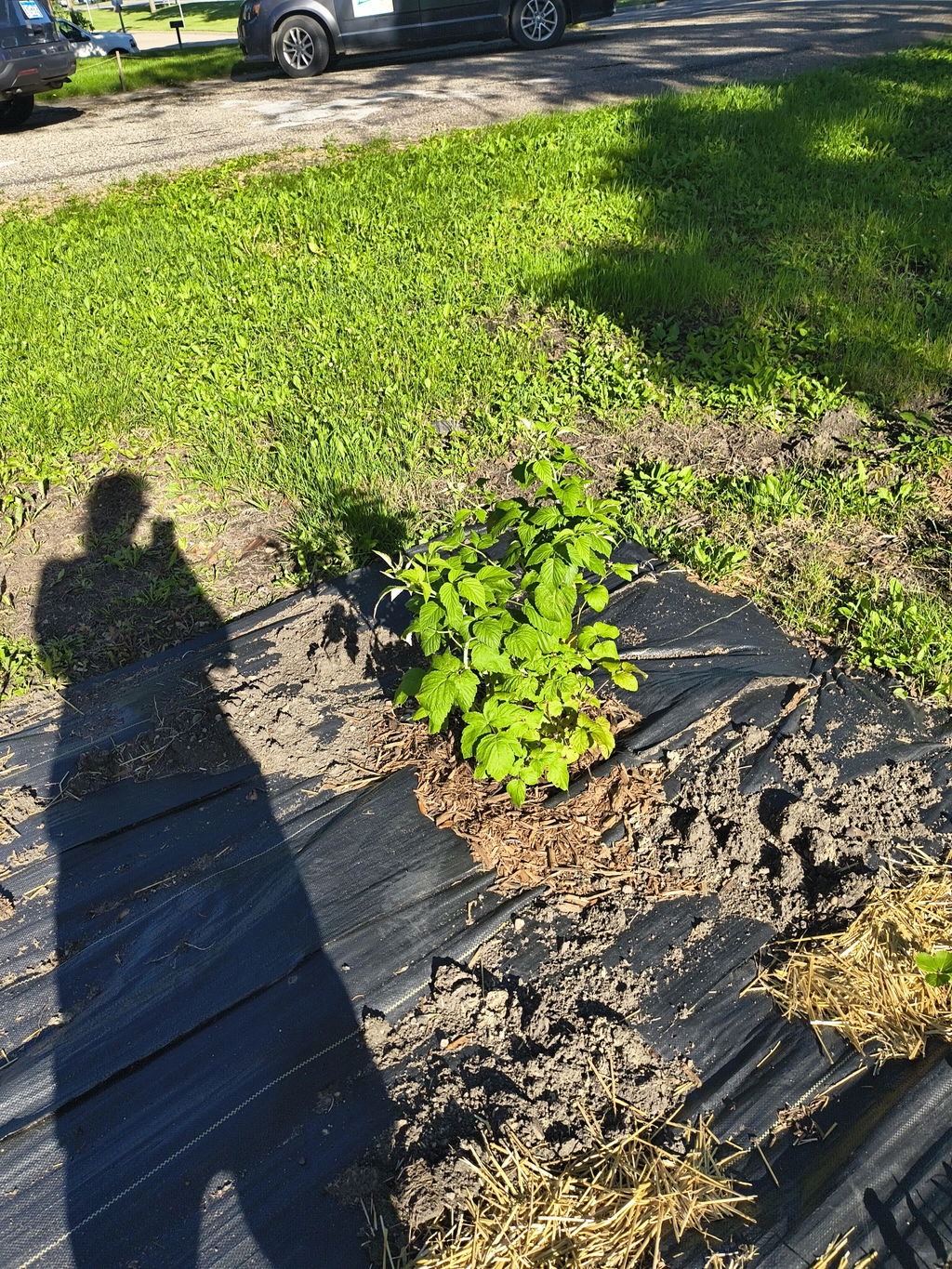
Heritage Raspberry is a great choice for the kitchen garden, and it sounds like yours arrived ready to hit the ground running. Enjoy those scones. Thanks for sharing, Shannon. The Nature Hills Team
Beautiful healthy everbearing raspberry plants
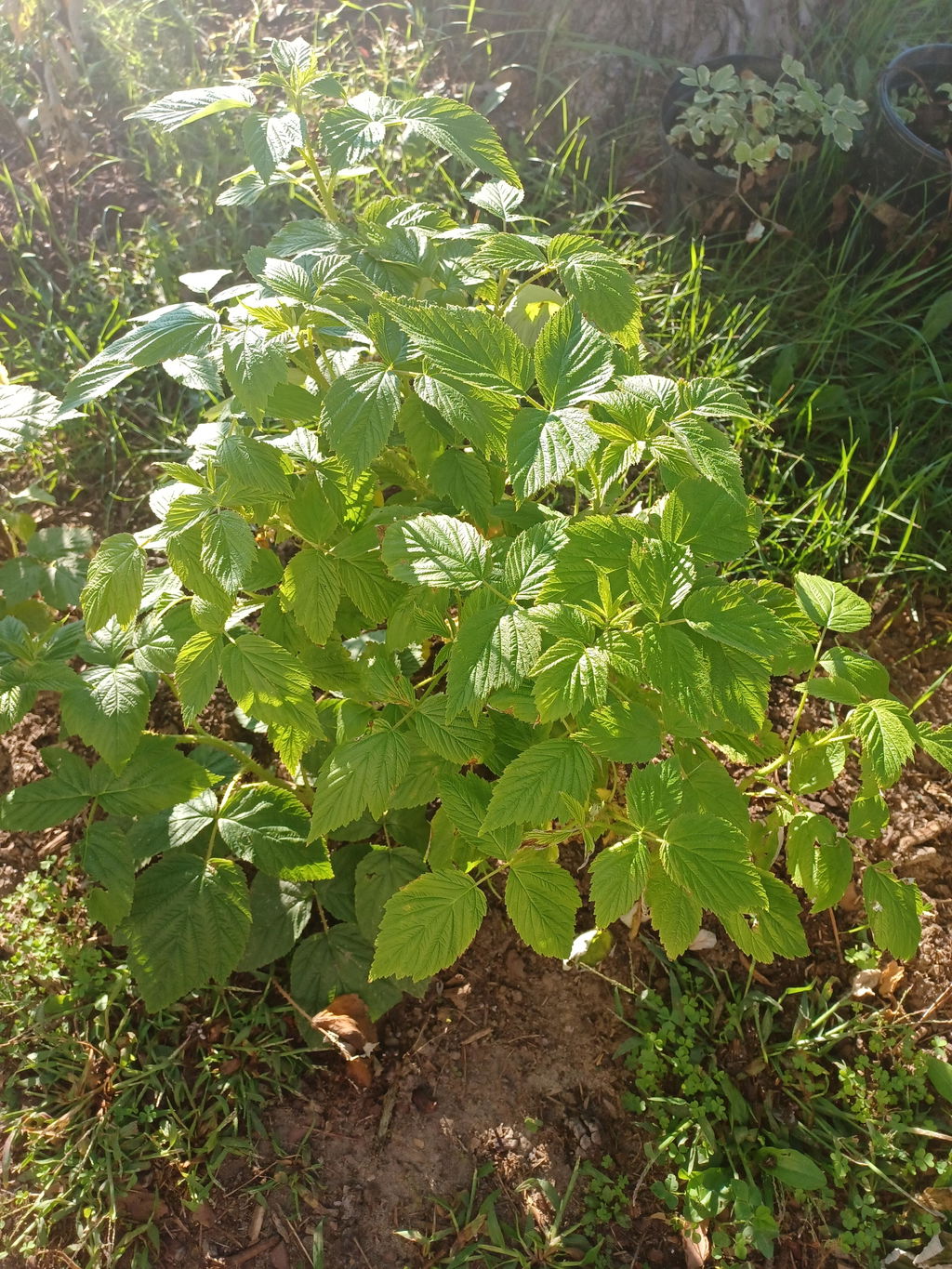
Hi Jason,
Thank you for the 5-star review and for sharing a photo of your Heritage Raspberry bush - it looks fantastic! May it provide you with many yummy raspberries for years to come! Thank you - Nature Hills Customer Support
Arrived alive and its thriving in the ground.
Plant arrived healthy and all the green leaves. I'm already seeing new growth after transferring it to a bigger pot.
The plant came alive. I ordered one more.They are both doing great.A lots of leafs .
It arrived lush and healthy. Packaged well!
I would order again, the plant was well packaged and 24 inch tall, green healthy leaves, I can't wait for raspberries to grow
The plant arrived well-packaged, with the roots protected and the soil still slightly moist, which helped it transition smoothly after shipping. The plant was vibrant and healthy and bright green leaves already showing promise. We planted it in our garden the day after receiving it. It seems to be thriving. Care instructions were included which has helpful. We are looking forward to watching it grow and (hopefully!) enjoying fresh raspberries by next season.
Arrived super quick, great packaging, plant looks healthy, no insects or pests, no diseased leaves. If anything goes wrong from here, it’s probably my fault because this appears to be a great and healthy plant.
I’m beyond surprised by the size and quality of this plant! It’s much bigger than the ones I’ve seen in town, it’s loaded with blooms and I’m so excited for my littles to pick raspberries this summer. I bought this to plant in the ground once we close on our new home and I’m kicking myself for not getting more.
Yes, I got raspberry first year of purchase. Just wondering if this is a GMO raspberry because it was free of diseases and need not much effort to maintain it.
Hello Su,
Thank you so much for sharing your wonderful experience with your Heritage Raspberry Bush! We're delighted to hear that you're enjoying raspberries in your first year—that’s always a special gardening milestone.
To address your thoughtful question: Heritage Raspberry Bushes are not genetically modified organisms (GMOs). They are heirloom varieties selected over time for their great flavor, hardiness, and resistance to common raspberry pests and diseases. This natural resilience often means less upkeep is needed, which sounds like it’s been a perfect fit for you. To keep your raspberry bush thriving, we recommend mulching to retain moisture and doing light pruning every spring to promote vigorous new growth. You might also enjoy our Raspberry Growing Guide on NatureHills.com for tips on fertilizing, pest control, and maximizing your harvest.
If you ever have any questions as your raspberry plants grow, feel free to reach out—we’re here to help every step of the way!
Bloom on,
The Nature Hills Plant Knowledge Team
Yes, I got raspberry first year of purchase. Just wondering if this is a GMO raspberry because it was free of diseases and need not much effort to maintain it.
Hello Su,
Thank you so much for sharing your experience with your Heritage Raspberry Bush! We’re thrilled to hear you enjoyed a fruitful harvest in your very first year—that’s truly rewarding.
Regarding your question about whether the Heritage Raspberry is a GMO variety, rest assured that our plants, including raspberries, are not genetically modified. The disease resistance and ease of care you’ve experienced is a wonderful benefit of carefully selected, naturally robust cultivars. Helping you grow healthy, thriving plants without excessive effort is what we strive for!
To keep your raspberry bushes happy, be sure to provide them with full sun and well-drained soil. Pruning in late winter can encourage stronger, more productive canes for next season’s harvest. If you ever want details on soil amendments or fertilizing guides, feel free to reach out or visit our blog for handy care tips.
Thanks again for your thoughtful note, and happy gardening with those delicious berries!
Rooting for your garden’s success,
Your Nature Hills Plant Care Team
Heritage raspberries live up to their hype. I got berries in the first year, so they must be easy to grow. Looking forward to this years larger crop.
Hi Freddy,
Thank you so much for sharing your experience with the Heritage Raspberry Bush! We’re thrilled to hear that you enjoyed berries in the first year—it's wonderful when a plant lives up to expectations so quickly. As your crop continues to flourish, you might find that regular pruning and mulching can boost both the size and quality of the harvest. If you ever want tips on caring techniques or raising abundant raspberries in the coming seasons, don’t hesitate to reach out!
Happy growing and here’s to an even more bountiful harvest this year.
Rooting for your garden’s success,
Your Nature Hills Plant Care Team
Heritage raspberries live up to their hype. I got berries in the first year, so they must be easy to grow. Looking forward to this years larger crop.
Hi Freddy,
Thank you so much for sharing your experience with the Heritage Raspberry Bush! We’re delighted to hear that it lived up to its reputation and rewarded you with fruits in the first year—it truly is one of the easier berries to grow for such tasty results. As you look forward to this season’s crop, you might find it helpful to give your raspberry patch some balanced fertilizer in early spring and ensure good air circulation by pruning after harvest, which can help promote larger, healthier yields. If you ever want tips on pest prevention or soil care for your raspberries, don’t hesitate to reach out!
Wishing you happy planting,
The Nature Hills Plant Experts
Part of my bushes are behind a small fence and the other are out in the open more. The protected raspberries bear more fruit. I may have to build the others a little wind protection.
Hi Beccy,
Thank you so much for sharing your experience with the Heritage Raspberry Bush! It’s wonderful to hear that your protected bushes are thriving and producing more fruit—that’s a classic example of how shelter and wind protection can really make a difference for raspberries. Building a small wind barrier or even a simple screen made from garden fabric or natural materials like brushwood can provide that extra protection your other bushes need.
If you’d like, we also have some helpful resources on our website covering seasonal care and shelter ideas for berry plants that could guide you in maximizing your harvest. And remember, consistent mulching can help protect roots and retain moisture, further supporting a bountiful crop.
We appreciate your proactive approach and hope your other raspberries will catch up in no time!
Wishing you happy planting,
The Nature Hills Plant Experts
Part of my bushes are behind a small fence and the other are out in the open more. The protected raspberries bear more fruit. I may have to build the others a little wind protection.
Dear Beccy,
Thank you so much for sharing your experience with your Heritage Raspberry Bushes! We’re delighted to hear that the protected plants are thriving and producing more fruit. It’s true that raspberry bushes appreciate some shelter from strong winds, which can stress the plants and reduce yield. Building wind protection for the more exposed bushes sounds like a great plan!
If you’re considering barriers, materials like garden fencing, mesh screens, or even rows of tall plants or shrubs can help break the wind while still allowing airflow. Just be mindful that raspberries also enjoy good air circulation to minimize disease risks.
For additional tips on caring for your Heritage Raspberry Bush, including maintenance and pest control, feel free to explore our Raspberry Growing Guide on NatureHills.com or reach out anytime—we’re happy to help!
Wishing you happy planting,
The Nature Hills Plant Experts
It is true that this plant flowers and bears fruit the first year it is planted. We had a lot more raspberries than expected and this being the second year I expect a lot more. There are always berries to pick from this plant and the flavor is very, very good!
Hi Mary,
Thank you so much for your wonderful feedback on your Heritage Raspberry Bush! We're thrilled to hear that it not only started bearing fruit in the first year but also exceeded your expectations with its abundant and delicious raspberries. As it matures in its second year, you can definitely expect even more fruitful harvests!
If you’d like to maximize your bush’s productivity, consider providing it with ample sunlight (6-8 hours daily) and well-drained, slightly acidic soil. Pruning the canes after harvest can also encourage healthy new growth and larger yields in the following seasons. And if ever you're looking for recipes or preservation tips, we’d be happy to share recommendations for turning those fresh berries into jams, desserts, or frozen treats.
We appreciate you choosing NatureHills.com to help grow your garden and look forward to supporting you with excellent plants like this for years to come!
Bloom on,
The Nature Hills Plant Knowledge Team
It is true that this plant flowers and bears fruit the first year it is planted. We had a lot more raspberries than expected and this being the second year I expect a lot more. There are always berries to pick from this plant and the flavor is very, very good!
Hi Mary,
Thank you so much for sharing your wonderful experience with the Heritage Raspberry Bush! We’re delighted to hear that your plant started producing so well in its first year and that the flavor exceeded your expectations. It sounds like your berry harvest must be a delicious delight! For even more bountiful raspberry crops in the coming years, be sure to prune the canes after fruiting and provide plenty of sunlight and water—these little steps can really keep your plants vigorous and productive.
If you ever want tips on companion planting or preserving your berries, feel free to reach out; we’re here to help your garden thrive.
Wishing you happy planting,
The Nature Hills Plant Experts
I bought one of these bad boys about two months ago. Didn't take it long to flower as it was already spring. I guess I didn't expect it to bear fruit, so I was surprised when I saw the bundles of little white raspberries getting ready to ripen and turn red. I suppose the only problem I have is that sometimes the leaves scorch or brown around the tips. I just pinch them off. I am also intimidated by the prospect of pruning; I've read what I'm supposed to do, but I'm not sure if pruning the canes means completely cutting them off, or taking off the leaves or what. The plant hasn't sent any shoots up, so I don't know how I'd get fruit next year if I do prune the two canes it has.
Hi Kampin,
Thank you so much for sharing your experience with your Heritage Raspberry Bush! We’re delighted to hear it started flowering quickly and even surprised you with those early raspberries—that’s always an exciting moment for any gardener.
Regarding the leaf tips browning, this can sometimes happen from too much direct sunlight, inconsistent watering, or nutrient imbalance. Pinching off the browned leaves is a good approach to keep your plant looking its best. You might also try ensuring consistent moisture in the soil and, if possible, feeding your raspberry bush with a balanced fertilizer designed for berries.
As for pruning, we totally understand it can feel intimidating. When pruning raspberries, it’s important to recognize that Heritage Raspberry plants usually produce fruit on second-year canes (called floricanes) while first-year canes (primocanes) grow its needless structure. The typical practice is to remove last year’s fruiting canes after they finish producing, cutting them nearly to the ground. Be sure not to remove all the branches at once so nothing supports future fruiting shoots; new primocanes usually will appear during the growing season, and they’ll ripen the following year’s crop once matured. Removing leaves generally isn’t part of the pruning, just the canes that have fruited or appear weak/diseased.
If you’d like, you could check out our online Raspberry Pruning Guide [insert link if available] for step-by-step photos and tips to take the guesswork out of the process.
Don’t hesitate to reach out again anytime! With your care and a little pruning practice, your Hardy Heritage raspberry should be thriving for many seasons ahead.
Wishing you happy planting,
The Nature Hills Plant Experts
I bought one of these bad boys about two months ago. Didn't take it long to flower as it was already spring. I guess I didn't expect it to bear fruit, so I was surprised when I saw the bundles of little white raspberries getting ready to ripen and turn red. I suppose the only problem I have is that sometimes the leaves scorch or brown around the tips. I just pinch them off. I am also intimidated by the prospect of pruning; I've read what I'm supposed to do, but I'm not sure if pruning the canes means completely cutting them off, or taking off the leaves or what. The plant hasn't sent any shoots up, so I don't know how I'd get fruit next year if I do prune the two canes it has.
Dear KampinKarl1,
Thank you so much for sharing your impressive experience with the Heritage Raspberry Bush! We’re delighted to hear it has been such a fruitful surprise for you already this season. It sounds like you’re giving it attentive care, especially with removing those browned leaf tips.
Regarding pruning, it’s a common question and totally understandable to feel a bit intimidated at first. For raspberries, pruning mostly refers to cutting the canes (the woody stems) after they’ve finished fruiting rather than just trimming leaves. Fruiting canes typically produce berries only one year before they die back, so they need to be pruned out to encourage new growth from younger canes or shoots the next season. Since your plant hasn’t sent up new shoots yet, it might still be maturing and will likely produce new canes before next spring. We recommend gently monitoring the base of your raspberry bush in early spring—keep an eye out for fresh shoots emerging from the roots, which will become next year’s fruiting canes.
In the meantime, avoid cutting all fruiting canes so the plant can continue producing berries this season. If you need to prune now, strip out just the dead or damaged parts to keep it healthy. Additionally, providing plenty of light, well-drained soil, consistent moisture, and some balanced fertilizer can help encourage new growth.
For detailed guidance on raspberry pruning, we have some practical step-by-step tips and videos here on our blog [insert relevant Nature Hills link] that might help you feel more confident—please feel free to reach out if you’d like us to send you those links or strain info to nourish your bush best.
Happy to support your gardening adventure—we’re delighted your Heritage Raspberry Bush has become such a star already!
Bloom on,
The Nature Hills Plant Knowledge Team
