Shop With Confidence: FREE Growing & Glowing Promise

Free Shipping on Orders $199+

Sun Perennials That Beat the Heat and Bloom All Summer

Sun Perennials That Beat the Heat and Bloom All Summer - Nature Hills Nursery

Charlotte Weidner |

Want non-stop color and lasting blooms in the hottest, sunniest spots in your yard? Discover Nature Hills' top-rated Full Sun Perennials!

sun perennials

These are your go-to garden champions that thrive where mother nature shines her brightest! These rugged, radiant plants handle intense sunlight with ease, producing lush growth, bold color, and pollinator-friendly blooms from spring to frost.

Full Sun Perennials are garden staples that come in all colors, heights, and bloom times, offering a long-lasting, low-maintenance show year after year. Whether you're looking for fast-growing, compact, tall, cold-hardy, or drought-tolerant types, Nature Hills Nursery delivers the best full sun plants directly to your door, just in time for planting in your growing zone.

These plants will reward you year after year with spectacular blooms, pollinator-friendly flowers, bird-friendly seeds, color, fragrance, and fresh-cut flowers all season long!

Full Sun Perennials are top performers in gardens that bask in at least 6 to 8 hours of direct sunlight. They're resilient, beautiful, and perfect for landscape designs, rock gardens, borders, and even small perennials for containers.

Not just pretty faces, Full Sun Perennials come in a wide range of colors, sizes, shapes, and bloom times from spring until late summer and flowering until fall, and even some varieties with winter interest! Some even smell amazing! Each allows you to fill your landscape with something new from early spring until frost and even remain showy during the winter months!

How To Choose The Right Full Sun Perennial

When selecting full-sun perennials, start by confirming your area receives 6 or more hours of direct sun each day. Then, match plants to your Hardiness Zone, flower color, height, bloom season, and moisture needs. Ask yourself:

  • Is the space sunny all day, or partially shaded later?
  • Is the soil soggy or dry most of the time?
  • Will trees or buildings grow to cast future shade?

Match plants to your soil type: For soggy spots, opt for moisture-loving species. For dry, poor soil, seek drought-tolerant varieties. Use a raised bed or 12-18 inch mound if your soil drains poorly.

Need more guidance? Your County Extension Office can help you select the best options for your microclimate.

How To Care For Full Sun Perennials

Caring for sun-loving perennials is easy, but success starts at planting time:

  • Ensure well-drained soil unless you're planting water garden varieties.
  • Keep new plants watered consistently in their first year. Use the Finger Test to know when to water.
  • Use 3-4 inches of arborist mulch to help retain soil moisture and insulate roots. Do not let it pile up over the crown.
  • Enrich the soil with compost or organic matter to boost moisture retention.
  • Deadhead often to keep flowers returning.
  • Pinch back leggy growth to encourage more branching.

Check out our helpful Garden Blog on Planting Perennials, dividing Perennials, and winterizing Perennials.

Top Full Sun Perennials For Every Garden

Nature Hills Nursery offers a vibrant selection of the best full sun perennials that handle drought, heat, cold, and humidity. Here's a curated list of favorites, some top classics, some bold show-offs. Every one of them is spectacular!

Tried-and-True Garden Classics:

These are what most people think of when they picture a sun-drenched perennial garden.

  • Black-Eyed Susan (Rudbeckia) – Golden daisy blooms that brighten borders and feed pollinators.
  • Coneflower (Echinacea) – Colorful, drought-tolerant, and medicinal; a butterfly magnet.
  • Daylily (Hemerocallis) – Tough-as-nails, trumpet-like blooms in nearly every color.
  • Shasta Daisy (Leucanthemum) – Cheerful white flowers with yellow centers and sturdy stems.
  • Bee Balm (Monarda) – Spicy-scented, vibrant blooms that attract hummingbirds and bees.
  • Russian Sage (Perovskia) – Silvery stems with long-lasting lavender-blue spires.
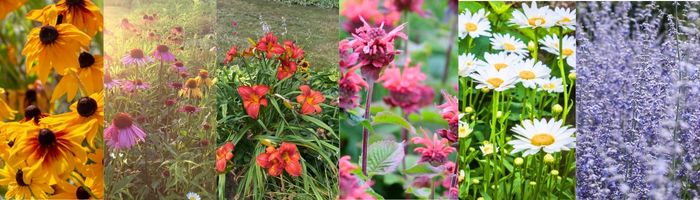
Sun Perennial Garden Classics

Pollinator Favorites & Fragrant Beauties:

Support beneficial insects with these pollen and nectar-filled plants.

  • Catmint (Nepeta) – Aromatic, compact, and full of tiny purple blooms all summer.
  • Salvia – Fragrant spikes that bloom prolifically and attract beneficial insects.
  • Coreopsis (Tickseed) – Cheerful daisy-like flowers in shades of gold, red, and pink.
  • Penstemon – Tubular blooms in bold hues that bring hummingbirds dancing.
  • Lavender (Lavandula) – Sweetly scented silvery foliage and purple flower spikes beloved by bees and butterflies, perfect for edging and drying.
Pollinator Favorite & Fragrant Perennials

Bold Blooms & Summer Stars:

Summer and late-season bloomers that take the heat and sunlight.

  • Perennial Hibiscus – Dinner-plate blooms in late summer add dramatic color.
  • Sedum (Stonecrop) – Fleshy leaves, drought-resistant, and fall-blooming.
  • Asters – Late-season bursts of purple, pink, and white to feed the bees.
  • Gaillardia (Blanket Flower) – Long bloom time and cheerful red-yellow bicolor blooms.
  • Yarrow (Achillea) – Ferny leaves with medicinal history and flat-topped flower clusters.
Bold Blooming Perennials

More Sun-Worthy Additions:

Bring in the Hummingbirds with these sun-lovers.

  • Hyssop/Agastache (Hummingbird Mint) – Fragrant spikes of blue, purple, orange, or pink blooms.
  • Tall Garden Phlox (Phlox paniculata) – Large clusters of scented flowers in pink, purple, or white.
  • Liatris (Blazing Star) – Purple spires with vertical drama and butterfly appeal.
  • Sea Holly (Eryngium) – Unusual texture with spiny leaves and metallic blooms.
  • Red Hot Poker (Kniphofia) – Torch-like blooms with tropical vibes and hummingbird traffic. Try Fire Dance or Flamenco Red.

And so many, many more!

Showy Honorable mentions

Where & How To Use Full Sun Perennials

Read here about how to create the perfect Mixed Perennial garden; otherwise, try these other great uses

Sun perennials are endlessly versatile:

  • Use as facer plants in front of shrubs or trees
  • Cutting and Cottage Gardens
  • Edge walkways or patio spaces
  • Fill a sunny rock garden or rockery
  • Brighten foundation beds
  • Create a cut flower patch or pollinator sanctuary
  • Anchor foundations with large Perennials
  • Create drifts and large groupings in mass plantings

Mix different heights, textures, and bloom times for a full-season display that evolves through the months!

A Bright Idea That Keeps Blooming

sun loving perennial garden plants

Planting Full Sun Perennials is one of the easiest ways to bring lasting color and life to even the sunniest, driest corners of your yard!

With options that bloom from spring through frost, and even winter interest, these beauties thrive where others wilt.

Each of Nature Hills Nursery's plants is delivered safely to your home at the proper planting time for your growing zone. Including instructions for planting, care, and storage, so you can order knowing you'll have exactly what you need!

Happy Planting!

Previous Next

Compare Plants

Browse the features and specs side-by-side to find the best fit for your garden.

A table comparing the facets of 1 products
Facet
Blazing Star (Liatris spicata), a perennial featuring purple flowers and perennial.
Blazing Star
View details
Rating
Rating
(1)
Type
TypePerennial
By
ByAmerican Beauties
Flower Color
Flower Color
  • Purple
Growing Zone Range
Growing Zone Range
3-9
Mature Height
Mature Height
2-4 ft
Width
Width
1-2 ft
Price
Price
Regular price $3899

Frequently Asked Questions

Which full-sun perennials bloom all summer long in hot, dry climates?

Several full-sun perennials thrive in hot, dry climates and deliver continuous color from spring through frost, including drought-tolerant standouts like coneflowers, black-eyed Susans, salvia, and catmint, all of which perform best in spots receiving at least 6 to 8 hours of direct sun daily. These plants are built for heat, handling poor soils and minimal moisture once established, making them ideal for rock gardens, borders, and sunny landscape beds across a wide range of hardiness zones. Browse Nature Hills' full selection of drought-tolerant full-sun perennials to find the best-matched varieties for your growing zone, and check your USDA Hardiness Zone before ordering to ensure long-term success in your garden.

How many hours of direct sun do perennials need to keep blooming consistently through summer?

Full sun perennials need a minimum of 6 to 8 hours of direct sunlight each day to bloom consistently and vigorously through the summer season. Before planting, observe your space at different times of day to confirm it meets this threshold, since shadows from trees, fences, or buildings can reduce sun exposure more than you might expect. If your site receives fewer than 6 hours, choose shade-tolerant perennials instead to avoid weak, leggy growth and poor flowering.

How should I water sun perennials during periods of extreme summer heat?

During extreme summer heat, water your full sun perennials deeply and less frequently, aiming for about 1 inch of water per week delivered slowly at the root zone rather than with a light, daily sprinkle. Water in the early morning so foliage dries quickly and roots can absorb moisture before midday heat causes evaporation. Apply 2 to 3 inches of mulch around the base of plants to retain soil moisture and keep roots cooler between watering sessions. For drought-tolerant varieties, allow the soil to dry slightly between waterings to avoid root rot, but check moisture levels regularly during heat waves lasting more than a week.

Do sun perennials need deadheading, and which ones will bloom longer if I remove spent flowers?

Deadheading is not required for all sun perennials, but removing spent flowers on reblooming types like Coneflowers, Salvia, and Gaillardia can extend their bloom season significantly from midsummer all the way through frost. Plants like Black-Eyed Susans and Rudbeckia can be deadheaded for more blooms early in the season, then left to go to seed in late summer to attract goldfinches and other birds. Grab your hand pruners and deadhead every 7 to 10 days during peak blooming season on reblooming varieties to keep flowers coming strong.

What type of soil do long-blooming sun perennials prefer for the best performance?

Most long-blooming sun perennials perform best in well-drained soil, though the ideal conditions vary by plant. Moisture-loving species thrive in consistently damp ground, while drought-tolerant varieties excel in dry, lean soil. If your site drains poorly, build a raised bed or a 12 to 18 inch mound to improve drainage and protect roots from rot. Match your plant selection to your existing soil type rather than fighting it, and consult your County Extension Office for tailored recommendations based on your local conditions.

Which sun perennials are the most drought tolerant once they are established?

A: Among the best drought-tolerant sun perennials once established are Coneflower (Echinacea), Black-Eyed Susan (Rudbeckia), Salvia, Lavender, Yarrow (Achillea), and Catmint (Nepeta), all of which thrive in lean, dry soils with minimal supplemental watering after their first season. Most of these tough performers are hardy across a wide range of zones and excel in hot, sunny spots with at least 6 to 8 hours of direct sun daily. To set them up for success, water consistently during the first growing season to encourage deep root development, then scale back significantly once plants are established. Browse Nature Hills' drought-tolerant perennial collection and filter by your hardiness zone to find the best fit for your specific growing conditions.

How do I plan a perennial garden bed that stays in bloom continuously from early summer through fall?

To keep a full sun perennial bed blooming continuously from early summer through fall, select varieties with staggered bloom times, pairing early-summer performers with mid-season and late-season bloomers that carry color through frost. Choose plants suited to your USDA Hardiness Zone and make sure the bed receives at least 6 to 8 hours of direct sunlight daily for best performance. If your soil drains poorly, build a raised bed or mound the planting area 12 to 18 inches to give roots the conditions they need to thrive. Browse Nature Hills' full sun perennial collection filtered by bloom time and zone to build your season-long color plan with confidence.

Can I plant sun perennials in the middle of summer, or should I wait until fall?

You can plant sun perennials in midsummer, but you'll need to give them extra attention during establishment since heat and drought stress are your biggest obstacles. Water new plantings deeply every 2 to 3 days for the first few weeks and apply 2 to 3 inches of mulch to keep roots cool and retain moisture. Fall planting is often easier because cooler temperatures reduce transplant stress and allow roots to establish before winter. That said, Nature Hills ships plants ready to go in the ground, so if you plant now, keep them well-watered and they'll reward you with blooms before the season ends.

How do I keep sun perennials looking their best when temperatures stay above 90 degrees for weeks at a time?

During extended heat waves above 90 degrees, deep watering is your most important tool, so soak the root zone to a depth of 6 to 8 inches every few days rather than giving shallow daily sprinkles. Apply 2 to 3 inches of mulch around the base of plants to retain soil moisture, regulate root temperature, and reduce watering frequency. Deadhead spent blooms regularly to redirect the plant's energy away from seed production and keep new flowers coming through the hottest stretch of summer. Choose proven heat-tolerant varieties like Coneflower, Black-Eyed Susan, or Salvia from Nature Hills, and site them where they receive morning sun with some relief from the harshest late-afternoon rays if temperatures are consistently extreme.

Which sun perennials work well together to create a low-maintenance, heat-tolerant garden border?

For a heat-tolerant, low-maintenance border that blooms from spring through frost, combine drought-tolerant sun perennials in layers by height, with taller varieties like coneflowers or black-eyed Susans anchoring the back and compact varieties filling the front. Choose plants with staggered bloom times and similar moisture needs so the bed stays cohesive without constant fussing. Confirm all selections are rated for your USDA Hardiness Zone and suited to soil that receives at least 6 to 8 hours of direct sun daily. Browse Nature Hills' full sun perennial collections filtered by zone, height, and bloom season to build a complementary grouping that works together right from the start.