Shop With Confidence: FREE Growing & Glowing Promise

Free Shipping on Orders $199+

Protect Trunks of Young, Newly Planted Trees

Protect Trunks of Young, Newly Planted Trees - Nature Hills Nursery

Nature Hills Nursery |

Newly planted young trees, fruit trees, ornamental cherries and pear trees, and those more expensive grafted weeping ornamental specimen plants are easily damaged from rodents and rabbits during the winter months. If the bark is chewed off all around the base of the plant the tree will die every time.

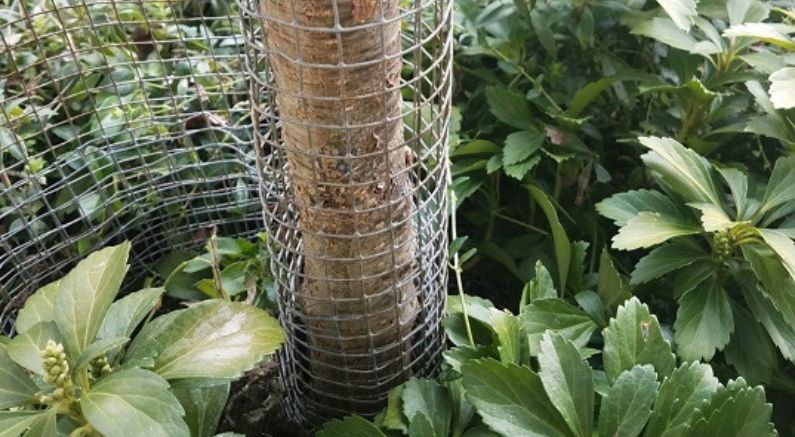
The simple most efficient way to prevent damage to young trunks of these plants is to wrap them tightly (right up against the trunks) with metal screening, hardware cloth, or even doubled up chicken wire.

Wrap from the bottom up two or three feet or to the first branches. The metal screening prevents vermin from chewing off that tasty, young, outer bark that is so important to protect. It also protects from deer rubbing the bark off with their antlers.

The screening allows the tree trunks to dry quickly following the snow and rainfall.

Using black drain tile on the trunks of the trees is not a good idea as it can allow the trunks to heat up and does not always protect from rodents getting inside of the tile.

Previous Next

Frequently Asked Questions

How do I protect the trunk of a newly planted tree from mowers and string trimmers?

Mower and string trimmer damage is one of the leading causes of young tree death, as repeated wounding to the bark can girdle and kill the tree over time. Keep a 2 to 3 foot diameter ring of mulch around the base of the tree to naturally discourage equipment from getting too close to the trunk. You can also install a physical barrier such as a plastic tree guard or short wire cage around the base to keep mowers and trimmers at a safe distance.

How do I protect young tree saplings during spring planting?

Newly planted young trees, fruit trees, and ornamental specimens are vulnerable to rodent, rabbit, and deer damage, so trunk protection is essential from the moment you plant. Wrap the trunk tightly with metal screening, hardware cloth, or doubled chicken wire from the base up two to three feet or to the first branches, keeping the material flush against the trunk. Avoid black drain tile, as it can trap heat and may still allow rodents inside. Install your wrap at planting time and check it regularly to ensure it stays snug and damage-free as the tree establishes.

How do I protect newly planted trees from deer damage?

Deer can damage young trees by rubbing their antlers against the bark, which can girdle and kill the tree if left unprotected. The most effective solution is to wrap the trunk tightly with metal screening, hardware cloth, or doubled-up chicken wire, starting at the base and extending two to three feet up or to the first set of branches. Press the material directly against the trunk and secure it before deer activity increases in fall and winter. This same wrapping will also protect against rodents and rabbits that chew bark during the colder months.

How do I protect young fruit tree trunks from animals and pests?

Wrap the lower trunk of young fruit trees tightly with metal screening, hardware cloth, or doubled chicken wire from the ground up two to three feet or to the first set of branches. This protects against rodents, rabbits, and deer rubbing with their antlers, and allows the trunk to dry quickly after rain or snow. Avoid black drain tile, as it traps heat and does not reliably keep rodents out. Install the wrapping before winter arrives and check that it fits snugly against the trunk with no gaps for pests to squeeze through.

How do I care for young trees after planting to help them establish?

Young trees need protection from rodents, rabbits, and deer during their first few winters, as bark damage around the entire base of the trunk will kill the tree. Wrap the trunk snugly with metal screening, hardware cloth, or doubled chicken wire from the soil line up two to three feet or to the first set of branches. This allows the bark to dry quickly after rain or snow while keeping vermin from chewing through the tender outer layer. Avoid black drain tile, which can overheat the trunk and may not fully exclude rodents.

How do I protect baby tree trunks from sunscald and frost damage?

Sunscald and frost cracking are common problems on young tree trunks, particularly on the southwest-facing side where winter sun heats the bark during the day and freezing temperatures cause damage at night. Wrapping trunks with metal hardware cloth or wire mesh from the soil line up two to three feet is one of the most effective forms of protection, as the material allows moisture to dry quickly while shielding bark from temperature swings. Apply your trunk wrap in late fall before the first hard freeze and remove it in spring once temperatures stabilize.

How do I keep newly planted tree roots from surfacing above the soil?

This question is outside the scope of the article provided, which focuses on protecting young tree trunks from rodent and deer damage rather than addressing surface roots. For accurate guidance on managing surface roots, please visit naturehills.com or contact the Nature Hills customer support team directly for advice tailored to your specific tree and growing conditions.

How do I protect tree saplings from drought stress in their first season?

This question falls outside the scope of the provided article, which focuses on protecting young tree trunks from rodents, rabbits, and deer during winter months rather than drought stress management. For newly planted saplings, a general best practice is to water deeply and consistently during the first growing season, applying 2 to 3 inches of mulch around the base to retain soil moisture. Visit naturehills.com or contact our team for tailored advice on establishing your specific tree in your growing zone.

When should I remove trunk protection wraps from young trees?

Remove trunk protection wraps in early spring once the threat of rodent and rabbit damage has passed, typically after the ground thaws and natural food sources become available to wildlife again. For most growing zones, this means unwrapping sometime in March or April. Inspect the trunk carefully when you remove the wrap to check for any signs of damage or disease that may have gone unnoticed over winter. If deer pressure remains high in your area during spring, you can leave metal hardware cloth or screening in place a bit longer, as it allows airflow and will not cause the trunk to overheat the way black drain tile can.

Why is protecting the trunk of a newly planted tree so important for long-term health?

The bark of a young tree is its lifeline, transporting water and nutrients between the roots and canopy, so if rodents or rabbits chew it away completely around the trunk, a process called girdling, the tree will die without exception. Newly planted trees are especially vulnerable during winter months when hungry wildlife actively seek out the tender outer bark. Protect your investment by wrapping the trunk with metal hardware cloth or doubled chicken wire from the ground up two to three feet, or to the first set of branches, fitting it snugly against the trunk to keep rodents out.