Shop With Confidence: FREE Growing & Glowing Promise

Free Shipping on Orders $199+

Get To Know Audubon® Native Bird-Friendly Plants

Get To Know Audubon® Native Bird-Friendly Plants - Nature Hills Nursery

Nature Hills Nursery |

Introducing the Bird-friendly line of Audubon® Native Plants, Trees, and Shrubs! It’s easy to provide food and shelter for local and migrating birds, and other wildlife, while adding privacy and beauty to your landscape!

Since 1905, Audubon® has envisioned a world where people and wildlife thrive! Audubon is a nonprofit conservation organization, and through state programs, nature centers, chapters, and partners, all have developed an unparalleled vision that reaches millions of people each year to inform, inspire, and unite diverse communities in conservation action!

Why Choose Bird-Friendly Native Plants For Your Garden?

Native plants are perfectly suited to their environment and handle anything your region, climate and weather can throw at them! The hardiness you’d expect from a tough local is only surpassed by their quality, beauty, and of course, their far-reaching benefits to your local pollinators, native bees, native and migratory birds, and other wildlife. Don’t forget the many benefits for people too!

  • For the Insects
  • For the Birds
  • Do it For You!
  • The Benefits Of Natives
  • Find the Right Ones For You!
Benefits Infographic

Audubon® For the Insects

Butterfly Bush

By purchasing native flora, you attract beneficial insects and pollinators that become food for your native and migrating birds - and their chicks! Exotic and non-native plants just don’t attract the insects that birds recognize as food.

Native plants are also Host Plants for endangered or at-risk butterflies and pollinators! The larvae of these insects are supported by endemic plants and become beautiful butterflies and cool moths. These plants also attract beneficial insects and help to keep your local ecosystem in check.

You are also supporting native and wild bees! These in turn pollinate your vegetable gardens and orchards better!

For the Birds!

Coneflower
Bird-friendly natives are living recharging stations for birds passing through your area in spring and fall! They’re also vital resources for birds raising chicks. They provide safe shelter, nesting and roosting for birds all year long, becoming a sanctuary for overwintering birds and wildlife during harsh temperatures, snows and storms!

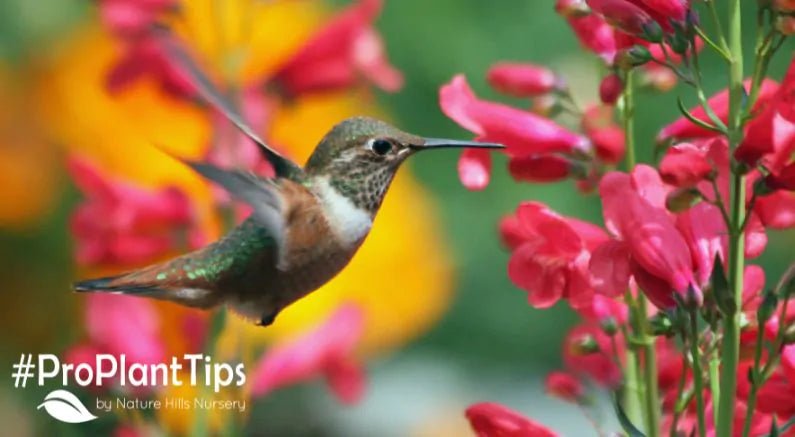
Non-native plants don’t produce the seeds and fruit that local birds recognize as food! Creating a food desert for wildlife! Their flowers are vital nectar resources for Hummingbirds, native bees and other pollinators! Many birds eat the catkins and buds, while others use the seed fluff to line their nests!

Do it For You!

We admit it, that new colored flower, different style shrub, or fancy tree will turn our heads too! But at what cost? They may look new and exciting, but you need to

Benefits of Natives

remember that the vast majority of hardy native plants are such that you’ve most likely not seen some of these hidden gems from the wilderness! They may look a bit more wild or leggy, but that is part of their charm!

It’s nothing a bit of pruning won’t fix.

Native plants are lower maintenance and easier to care for than exotic species which often can take so much more work, use more water, require pesticides, and need a lot of fussing over!

Natives are adapted to your region, and your local weather extremes once they are established. They’re adapted to your weather and climate, hardy to temperature changes and seasonal fluctuations. They just roll along with any changes because it’s in their genes!

Plus many of these plants produce fruit or nuts that we eat too! They’re beautiful and just as ornamental and beneficial to your garden and landscape as the imported plants.

The Benefits of Natives:

  • Helps American Bird Species Threatened by Climate Change
  • Reduces Noise Pollution
  • Privacy, Food, Shelter, Hedges, Specimen Plants & Shade
  • Less Mowing, Trimming & Fuel Consumption
  • Fewer Pests & Pesticide Use
  • Low Maintenance & Less Pampering
  • Saves Water & Drought Tolerant
  • Naturally Adapted to Flooding & Slows Water Runoff
  • Adaptable to Their Environment, Climate & Winters

Create Your Own Native Plant Garden

Save time, money, and energy, and save the environment from pesticides and dead zones devoid of birds and wildlife! By purchasing and planting native flora, you support the Audubon®’s conservation mission and impact, while helping birds, pollinators, and wildlife thrive!

Find the Right Ones For You!

Because Audubon® has already specifically selected these plants for your area for you, they’ve taken the guesswork out of choosing the right plants! Find out by Checking Here to learn which are suitable for your region! And find Native Plants For Your State at Nature Hills as well!

Audubon® is proud to grow their perennials, trees, and shrubs free of Neonicotinoid sprays, further ensuring the safety of your birds, pollinators, and wildlife ... and you!

Preserving our great natural heritage for future generations, while preserving our shared quality of life, helps foster a healthier environment for us all! Head over to NatureHills.com to start reintroducing hardy native plants today!

Audubon® is licensed & registered to the National Audubon Society.

Happy Planting!

Shop Native Plants for Your State
Previous Next

Frequently Asked Questions

How can Audubon help me choose the best native plants for attracting birds to my specific region?

Audubon has spent over a century developing regional conservation expertise, and their Native Bird-Friendly Plant collection at Nature Hills is curated to match plants to the specific climate, wildlife, and ecological needs of your area. Native plants are naturally adapted to your region's soils, rainfall, and hardiness zones, making them far more effective at attracting the local and migratory birds that pass through during spring and fall migration seasons. Browse the Audubon Native Plant collection at naturehills.com and filter by your growing zone to find trees, shrubs, and perennials that will provide season-long food, shelter, and nesting habitat for the birds in your backyard.

What habitat features should I include in my yard to support native birds year-round?

To support native birds year-round, your yard should include a layered mix of native trees, shrubs, and flowering plants that provide shelter, nesting sites, and food sources across all seasons. Native plants produce the seeds, fruits, berries, and insects that birds recognize as food, while non-native plants create what amounts to a food desert for local wildlife. Focus on plants that offer multiple functions: dense shrubs for nesting and roosting during harsh winter weather, flowering natives that attract the caterpillars and insects baby birds depend on in spring, and seed-producing plants that fuel migrating birds in fall. Browse the Audubon Native Plant collection at Nature Hills to find bird-friendly natives suited to your specific region and hardiness zone.

What plants, trees, and shrubs are most effective at attracting native songbirds to a backyard garden?

Native plants are the most effective choice for attracting songbirds because they produce the seeds, fruits, berries, and insects that birds naturally recognize as food sources. Oaks, native viburnums, dogwoods, and berry-producing shrubs like elderberry and serviceberry are top performers across a wide range of hardiness zones. The Audubon Native Plant collection at Nature Hills is specifically curated to support both resident and migratory birds throughout every season, including critical spring and fall migration windows. Browse the Audubon Native Plant line at naturehills.com and filter by your hardiness zone to find the best bird-friendly options for your specific region.

How do I use the Audubon native plants database to find bird-friendly plants for my zip code?

Nature Hills has partnered with Audubon to make finding regionally appropriate native plants simple. Visit naturehills.com and browse the Audubon Native Plants collection, where you can filter by your growing zone to find plants perfectly matched to your local climate and wildlife. For the most targeted results, cross-reference your USDA Hardiness Zone with the Audubon Plants for Birds database at audubon.org, which allows you to search by zip code for species native to your specific region. Start by selecting two or three plants that offer a mix of shelter, fruit, and seed production to give local and migrating birds the best year-round support.

Which native plants work best for attracting birds in a small garden or container planting?

Native shrubs like dwarf varieties of American Beautyberry or compact Serviceberry cultivars work beautifully in small spaces, offering berries that birds readily recognize as food. For containers, native grasses such as Little Bluestem provide seed heads through winter while sheltering ground-feeding birds. Pair these with a compact native Viburnum to add seasonal fruit and dense cover for nesting and roosting. Browse the Audubon Native Plant collection at Nature Hills to filter by mature size and find the right fit for your space and hardiness zone.

Which native plants attract hummingbirds the most, and do they perform better in sun or shade?

Hummingbirds are most reliably drawn to native flowering plants with tubular blooms, such as native Salvias, Trumpet Vine, Wild Columbine, Cardinal Flower, and native Honeysuckles, all of which produce the nectar-rich flowers hummingbirds depend on during migration in spring and fall. Most of these high-performers thrive in full sun to part shade, though Cardinal Flower and Wild Columbine tolerate shadier conditions better than most. Browse the Audubon Native Plant collection at Nature Hills to find regionally appropriate selections suited to your hardiness zone, and aim to plant in groups of three or more to create a nectar corridor that hummingbirds will reliably return to season after season.

Should I plant straight native species or cultivars when building a bird-friendly garden?

Straight native species are generally the gold standard for bird-friendly gardens because they have evolved alongside local wildlife and reliably produce the seeds, fruits, and insects that birds recognize as food. However, many native cultivars still support birds and pollinators effectively, especially when they retain the fruiting and seeding characteristics of the parent plant. Avoid cultivars with doubled flowers or dramatically altered foliage, as these traits can reduce nectar, pollen, and insect-hosting value. Focus on selecting plants native to your specific region, and browse the Audubon Native Plant collection at Nature Hills to find vetted options suited to your hardiness zone.

Are neonicotinoid-treated plants harmful in a bird garden, and how can I avoid buying them?

Neonicotinoid-treated plants are a serious concern in bird-friendly gardens because these systemic pesticides persist in plant tissue, pollen, and nectar, poisoning the very insects that birds and their chicks depend on for food. The Audubon Native Plant line at Nature Hills is selected with wildlife health in mind, prioritizing plants that support healthy insect populations rather than undermining them. When shopping anywhere, ask your supplier directly whether plants have been treated with neonicotinoids, look for certified organic or untreated labels, and always prioritize true native species sourced from responsible growers like those featured in the Audubon collection at naturehills.com.

How much sun, water, and soil do native bird-friendly plants typically need to thrive?

Native bird-friendly plants vary in their requirements depending on the specific species and your region, but their greatest advantage is that they are already adapted to local conditions, meaning they generally need less supplemental water, fertilizer, and intervention than exotic alternatives. Most natives thrive in average, well-drained soils without amendment, and once established, typically after one to two growing seasons, they require little to no irrigation beyond natural rainfall. Sun requirements range widely, from full sun lovers like native coneflowers and switchgrass to shade-tolerant understory shrubs like native viburnums and elderberries. Browse the individual plant pages on naturehills.com to match the right species to your specific light, moisture, and soil conditions before you buy.

How should I group and space native plants to create the most useful habitat for birds and beneficial insects?

Group native plants in clusters of three to five of the same species rather than scattering them individually, as massed plantings are far more attractive to pollinators, beneficial insects, and foraging birds. Layer your plantings with a mix of canopy trees, understory shrubs, and groundcover natives to replicate natural habitat structure and provide nesting, roosting, and feeding opportunities at every level. Space shrubs according to their mature spread so they eventually form dense thickets, which offer the protective cover birds need for shelter and nesting. Start by selecting Audubon Native plants suited to your hardiness zone, then combine berry-producing shrubs with catkin-bearing trees and nectar-rich perennials to ensure a continuous food source from early spring through winter.