Shop With Confidence: FREE Growing & Glowing Promise

Free Shipping on Orders $199+

Flourish in Hanover: Discover Top Plants for Pennsylvania Gardens

Flourish in Hanover: Discover Top Plants for Pennsylvania Gardens - Nature Hills Nursery

Nature Hills Nursery |

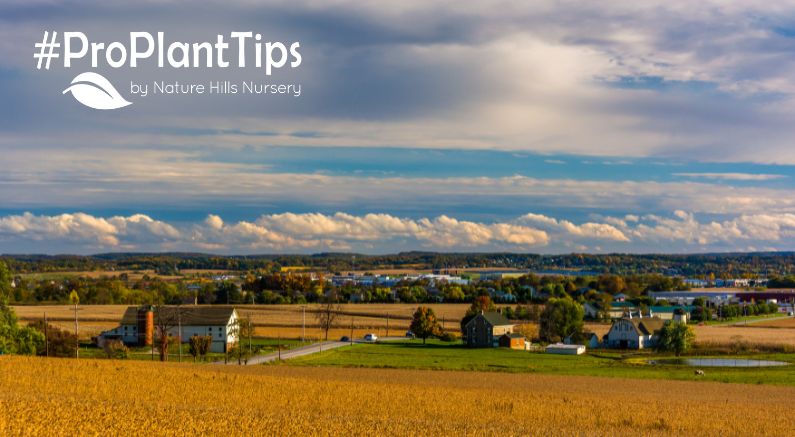
Hanover, Pennsylvania scenery in fall

Hanover, Pennsylvania, fondly called Snack Town, USA, thanks to its famed pretzel and potato chip legacy, is more than just a food lover's haven. Nestled in York County and brushing the Mason-Dixon Line, Hanover sits in a scenic area filled with historic charm, rolling farmland, and old stone homesteads.

Whether you're sprucing up a Colonial Revival or a cozy ranch-style home, selecting the right plants for your Mid-Atlantic landscape ensures year-round curb appeal and ecological harmony.

In USDA Hardiness Zone 7a, Hanover enjoys four distinct seasons, with hot, humid summers and crisp, snowy winters. The region supports a wealth of ornamental and native plantings, perfect for creating vibrant, low-maintenance landscapes that thrive under mother nature's mood swings. Let's dig into the soil and sunlight of south-central Pennsylvania and turn your yard into a botanical masterpiece.

Hanover's Soil, Landscape, and Weather Details

Hanover's landscape is a mix of gentle hills, fertile valleys, and suburban sprawl surrounded by agriculture. This area's soil is generally loamy or silty clay loam, which drains well but benefits from organic matter for improved fertility and structure. Older neighborhoods may see more compacted or slightly acidic soils, so testing soil pH before planting is wise.

  • Climate: Humid continental
  • Average summer high: 85°F
  • Average winter low: 20°F
  • Precipitation: Roughly 42 inches annually, evenly spread
  • Snowfall: Around 25 inches each winter

With this variety, it's key to know your microclimates, sheltered corners, sunbaked borders, and wind tunnels by fences all impact plant success.

Pennsylvania's State Tree

Before we branch out, let's root ourselves in state pride: the Eastern Hemlock (Tsuga canadensis) is Pennsylvania's state tree. A graceful evergreen with soft, feathered needles and small cones, it provides shelter to wildlife and symbolizes both endurance and historic significance in Appalachian lore!

Top 10 Ornamental Plants For Hanover at Nature Hills

Sourced from NatureHills.com and perfect for Hanover's climate:

  1. Laceleaf Japanese Maple – Lacy leaves and rich red color; great specimen tree.
  2. Coral Bells (Heuchera) – Colorful foliage, compact mounds.
  3. Maiden Grass (Miscanthus) – Tall, feathery plumes and arching stems.
  4. Hosta – Large, variegated leaves for shady spots.
  5. Drift® Roses – Low-growing with continual blooms.
  6. Boxwood – Classic evergreen for hedges and borders.
  7. Stella d'Oro Daylily – Repeat bloomer, easy to grow.
  8. Lavender – Fragrant and drought-tolerant.
  9. Butterfly Bush – Attracts butterflies, long-blooming.
  10. Serviceberry – Multi-season interest with berries and blooms.

Local Native Hanover Favorites

While you're strolling past Codorus State Park or downtown's Hanover Square, you'll see many beloved trees and shrubs on display! However, these Pennsylvania native selections are sure to thrive in Hanover's weather:

Native Trees of Pennsylvania

  • Black Gum (Nyssa sylvatica): Glossy foliage with radiant fall color; wildlife magnet.
  • Tulip Poplar (Liriodendron tulipifera): Fast-growing with tulip-like blooms; host plant to tiger swallowtails.
  • American Hornbeam: Muscular-looking trunk and golden fall color.
  • White Oak: Majestic tree with deeply lobed leaves and vital acorns for wildlife.

Native Shrubs

  • Spice Bush: Lemon-scented leaves, yellow spring flowers, and red fall berries.
  • New Jersey Tea: Once used as a Revolutionary War tea substitute; nectar-rich.
  • Virginia Sweetspire: Arching white flowers and rich fall color.
  • Arrowwood Viburnum: Clusters of white blooms and blue berries for birds.

Perennial Favorites For Hanover Gardens

  • Columbine (Aquilegia canadensis): Delicate red-and-yellow flowers loved by hummingbirds.
  • Blue False Indigo: Tall, pea-like blooms with deep roots.
  • Wild Geranium: Woodland flower with cheerful blooms and pollinator appeal.
  • Joe Pye Weed: A towering plant with lavender umbels that butterflies adore.

Explore more perennials that come back year after year, offering beauty and ease.

Native Fruiting Trees

  • American Persimmon: Sweet orange fruit after frost; important for local wildlife.
  • Wild Plum: Fragrant white blooms and tart red fruit; great for jams.
  • Pawpaw: Tropical-flavored fruit with large, droopy leaves.
  • Chickasaw Plum: Small tree with early blooms and edible fruit.

Native Fruiting Bushes

  • Common/American Elderberry: Dark berries used for syrup and jams; pollinator-friendly blooms.
  • Blackberry: Thorny canes with sweet fruit; great hedge plant.
  • Highbush Blueberry: Bell-shaped flowers and delicious summer berries.
  • Red Raspberry: Fast-growing with high yield; perfect for edible borders.

Learn more about edible landscaping and how these plants can serve double-duty in your landscape.

Tips and Tricks For Gardening in Hanover, Pennsylvania

  • Use Arborist Mulch to retain moisture and protect plant roots through summer heat and winter chill. Learn why arborist mulch is best.

  • When establishing new plants, water deeply using the Finger Test to monitor moisture needs. Here's how to do it.

  • Choose native plants for better adaptability and fewer pest issues.

  • Take advantage of Codorus Creek floodplain areas for moisture-loving plants.

  • For sunny yards, design Rock Gardens with native perennials and ornamental grasses. Perfect for rocky creativity.

  • Plan for four-season interest: evergreens for winter, flowering shrubs for spring, perennials for summer, and colorful foliage in fall.

Let's Get Growing: Hanover's Garden Greats

Hanover map

From the rolling fields near Gettysburg to your own backyard oasis, gardening in Hanover, Pennsylvania, invites you to weave a living tapestry that honors both tradition and innovation.

Whether you're nurturing an edible landscape filled with Pawpaws and Elderberries or designing a colorful haven for butterflies and birds, your efforts will enrich both the land and your soul. Lean into sustainable practices, let native plants lead the way, and remember that every shovelful of earth you turn connects you to centuries of Pennsylvania's proud horticultural history.

With a little patience, a lot of passion, and a deep respect for this fertile Mid-Atlantic landscape, your Hanover garden will flourish into a legacy of beauty, abundance, and wonder. Here's to crafting a landscape that grows stronger and more breathtaking, with each passing year!

Happy Planting!

Previous Next

Compare Plants

Browse the features and specs side-by-side to find the best fit for your garden.

A table comparing the facets of 5 products
Facet
Black Gum Tree (Nyssa sylvatica), a tree featuring white flowers and deciduous.
Black Gum Tree
View details
Tulip Poplar (Liriodendron tulipifera), a tree featuring orange, yellow flowers and deciduous.
Tulip Poplar
View details
American Hornbeam
American Hornbeam
View details
White Oak Tree (Quercus alba), a tree featuring deciduous and broad, dense form.
White Oak Tree
View details
Spice Bush (Lindera benzoin), a shrub featuring yellow, green flowers and deciduous.
Spice Bush
View details
Rating
Rating
(5)
--
(1)
(1)
Type
TypeTreeTreeTreeTreeShrub
By
ByNature Hills NurseryNature Hills NurseryNature Hills NurseryNature Hills NurseryAmerican Beauties
Flower Color
Flower Color
  • White
  • Orange
  • Yellow
-
  • Green
  • Yellow
  • Green
Growing Zone Range
Growing Zone Range
5-9
4-9
4-8
3-9
4-9
Mature Height
Mature Height
40-60 ft
60-90 ft
20-30 ft
60-90 ft
12 ft
Width
Width
20-30 ft
30-50 ft
20-30 ft
50-90 ft
12 ft
Price
Price
Regular price $9790
Regular price $9790
Sale price From $6875 Regular price $12500
Regular price $9790
Regular price From $6696

Frequently Asked Questions

What USDA hardiness zone is Hanover, PA, and how does it affect what I can grow?

Hanover, Pennsylvania falls in USDA Hardiness Zone 7a, which means average annual minimum temperatures range from 0 to 5 degrees Fahrenheit. The region experiences four distinct seasons with hot, humid summers reaching average highs of 85 degrees Fahrenheit and cold winters with lows around 20 degrees Fahrenheit, along with roughly 42 inches of annual rainfall. This zone supports a wide range of ornamentals, natives, and broadleaf evergreens, but tender tropicals and frost-sensitive plants will not reliably overwinter outdoors. Use your zone as a starting point, then factor in your yard's microclimates, such as sheltered south-facing walls or low frost pockets, to fine-tune your plant selections and get the most from your landscape.

Can I grow creeping thyme as a ground cover in a Pennsylvania garden?

Creeping thyme is an excellent ground cover choice for Pennsylvania gardens, thriving in USDA Hardiness Zones 4 through 9, which makes it well suited for Hanover's Zone 7a climate. It spreads to about 18 inches wide, stays under 3 inches tall, and tolerates the region's loamy soils as long as drainage is good. Plant creeping thyme in spring after frost danger has passed, choosing a full sun location for the best flowering and fragrance. Browse Nature Hills' selection of creeping thyme varieties and pair it with drought-tolerant companions like lavender or Stella d'Oro Daylily for a low-maintenance, pollinator-friendly border.

What are the best plants to grow in Hanover, Pennsylvania gardens?

Hanover, Pennsylvania falls in USDA Hardiness Zone 7a, where hot, humid summers and winters that dip to around 20°F call for adaptable, resilient plants. Top performers for this region include Laceleaf Japanese Maple, Coral Bells, Maiden Grass, Hosta, Drift Roses, Boxwood, Stella d'Oro Daylily, and Lavender, all of which thrive in the area's loamy to silty clay loam soils with adequate organic matter. Before planting, test your soil pH since older Hanover neighborhoods often have compacted or slightly acidic conditions that may need amendment. Browse the full selection of Zone 7a-tested plants at naturehills.com to find the right fit for your specific sun exposure and microclimate.

How do I choose native plants that will thrive in Hanover's climate and soil?

Hanover, Pennsylvania falls in USDA Hardiness Zone 7a, with loamy to silty clay loam soils, around 42 inches of annual rainfall, and winters that dip to roughly 20 degrees Fahrenheit, so prioritize native plants adapted to these Mid-Atlantic conditions. Great choices include Eastern Hemlock, native ornamental grasses, and shade-tolerant Hostas for the dappled spots common in older Hanover neighborhoods with established tree canopy. Test your soil pH before planting, as older yards in the area can trend acidic or compacted, and amend with organic matter to improve fertility and drainage. Browse the native and zone-appropriate selections at NatureHills.com, filter by Zone 7a, and plan your planting for spring or early fall to give roots time to establish before temperature extremes set in.

What are the most low-maintenance plants for Pennsylvania landscaping?

For Pennsylvania gardeners in USDA Zone 7a, some of the most reliably low-maintenance options include Stella d'Oro Daylilies, which repeat bloom throughout the season with minimal care, Drift Roses that flower continuously without heavy pruning, and ornamental grasses like Maiden Grass that thrive in Hanover's hot summers and cold winters with little intervention. Hostas are another excellent choice for shady areas, forming tidy clumps that largely care for themselves once established. Before planting, test your soil pH since Hanover's older neighborhoods often have compacted or slightly acidic soils, and amend with organic matter to give your plants the best possible start. Browse Nature Hills' full selection at naturehills.com to find zone-appropriate varieties ready to thrive in south-central Pennsylvania.

How do I fertilize flowers, shrubs, and perennials in a Hanover garden without overdoing it?

In Hanover's Zone 7a, a soil test is your best first step since the region's loamy to silty clay loam soils may already hold adequate nutrients, and over-fertilizing is a common mistake that leads to excessive foliage at the expense of blooms. For most flowers, shrubs, and perennials, apply a balanced slow-release granular fertilizer such as a 10-10-10 in early spring as new growth emerges, then follow up lightly in midsummer if plants look pale or sluggish. Avoid fertilizing after late August, as pushing new growth heading into Hanover's cold winters can leave plants vulnerable to frost damage. Test your soil every two to three years, follow package rates precisely, and let your plants' growth and color guide any additional feeding decisions.

How and when should I deadhead, prune, and divide plants to keep them blooming and healthy in Pennsylvania?

For Zone 7a gardens in Hanover, deadhead repeat bloomers like Stella d'Oro Daylilies and Drift Roses throughout the growing season by snipping spent flowers just above the next bud or leaf node to encourage continuous blooms. Prune spring-flowering shrubs like boxwood immediately after flowering, while late-summer bloomers and ornamental grasses like Maiden Grass should be cut back hard to about 4 to 6 inches in late February or early March before new growth emerges. Perennials such as Hostas and Coral Bells benefit from division every 3 to 4 years, ideally in early spring or early fall when temperatures are mild, to prevent overcrowding and reinvigorate blooming. Grab sharp, clean pruners, work with your plant's natural bloom cycle, and always remove diseased or dead material promptly to keep your landscape performing at its best.

What pests and diseases are most common in Pennsylvania gardens, and how can I prevent or treat them?

Pennsylvania gardeners in Zone 7a commonly deal with Japanese beetles, aphids, spider mites, and spotted lanternfly, along with fungal issues like powdery mildew and black spot that thrive in the region's humid summers. Deer pressure is also significant in York County and surrounding areas, particularly on hostas, daylilies, and arborvitae. Prevent most problems by choosing disease-resistant varieties, spacing plants properly for airflow, and watering at the base rather than overhead. Scout your garden weekly from May through September, treat insect issues early with insecticidal soap or neem oil, apply fungicides preventively before humid stretches, and report any spotted lanternfly sightings to the Pennsylvania Department of Agriculture.

How do I plan plant spacing and layout when designing a garden in Hanover, PA?

When designing a garden in Hanover's Zone 7a, start by mapping your yard's microclimates, since sheltered spots, south-facing borders, and wind-exposed areas near fences all influence how plants perform and how large they ultimately grow. As a general rule, space shrubs like boxwood and drift roses according to their mature spread, typically 2 to 4 feet apart for low-growing varieties, and give larger specimens like maiden grass or laceleaf Japanese maple at least 5 to 6 feet of clearance from structures and other plants. Hanover's loamy to silty clay loam soils benefit from amended planting holes, so work in compost at planting time to improve fertility and give roots room to establish before summer heat arrives. For best results, plan your layout on paper first using mature plant dimensions from the product pages at naturehills.com, then plant in early spring or fall when moderate temperatures help new plants settle in with less stress.

Which trees, shrubs, and perennials grow best in Hanover's climate and return reliably year after year?

Hanover, Pennsylvania sits in USDA Hardiness Zone 7a, where four distinct seasons and around 42 inches of annual rainfall support a wide range of reliably returning plants. Top performers include Laceleaf Japanese Maple, Boxwood, and Maiden Grass for structure and year-round interest, while perennials like Hosta, Coral Bells, Stella d'Oro Daylily, Drift Roses, and Lavender come back dependably each spring with minimal fuss. Pennsylvania's own state tree, the Eastern Hemlock, is also an excellent long-term addition for evergreen shelter and wildlife value. Browse Nature Hills' full selection at naturehills.com filtered to Zone 7a, amend your loamy or silty clay soil with organic matter before planting, and aim to install trees and shrubs in early fall so roots establish before winter.