Shop With Confidence: FREE Growing & Glowing Promise

Free Shipping on Orders $199+

Climbing Hydrangeas Brooklyn: Elevating Urban Landscapes

Climbing Hydrangeas Brooklyn: Elevating Urban Landscapes - Nature Hills Nursery

Nature Hills Nursery |

Discovering the Charm of Climbing Hydrangeas!

Embrace the botanical elegance of Climbing Hydrangeas!

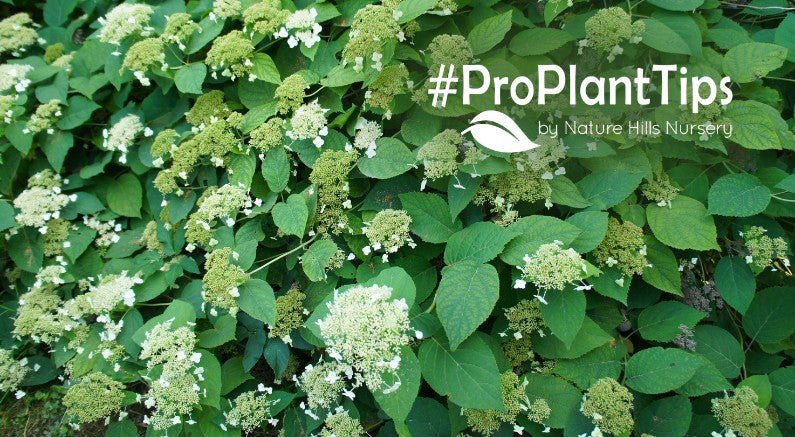
White Climbing Hydrangea Lacecap Blooms

Scientifically known as Hydrangea anomala subsp. petiolaris, these remarkable plants adhere to structures like brick walls and wooden fences, thanks to their aerial rootlets. Covering entire vertical spaces in that difficult garden setting - shade!

Envision vibrant foliage and creamy white flower clusters adding summer elegance to your urban sanctuary.

Navigating Brooklyn’s unique urban landscape requires the right cultivar of plant, rugged enough to handle urban settings and pollution. The classic Hydrangea anomala subsp. petiolaris is celebrated for its adaptability and breathtaking blooms, making it a resilient choice!

Key Benefits of Climbing Hydrangea

  • Breathtaking Blooms – Produces large, fragrant white Lacecap flower clusters in late spring to early summer.
  • Versatile Climbing Beauty – Easily climbs walls, fences, arbors, and trellises, adding vertical interest to your garden.
  • Shade Tolerant – Thrives in partial to full shade, making it perfect for areas where other vines struggle.
  • Low Maintenance – Once established, it requires minimal care and is disease-resistant.
  • Pollinator-Friendly – Attracts bees, butterflies, and beneficial insects, enhancing your local ecosystem.
  • Four-Season Interest – Offers lush green foliage in summer, golden leaves in fall, and textured peeling bark in winter.
  • Cold Hardy & Adaptable – Grows well in USDA zones 4-10 and adapts to various soil conditions.
  • Self-Clinging Vines – No need for extra support—aerial rootlets allow it to attach securely to surfaces.
  • Excellent Ground Cover – Can also be used as a sprawling groundcover for slopes or large spaces.
  • Long Lifespan – A long-lived perennial that gets better with age, providing beauty for decades.

Creating Optimal Growth Conditions

Ideal Soil and Climate:

Climbing Hydrangeas thrive in moist, well-draining soil enriched with organic matter. Brooklyn, nestled in USDA hardiness zones 4-8, provides a welcoming climate. These Hydrangeas flourish in partial shade to full sun. Think of them as nature’s adaptive solar panels!

Structuring Urban Gardens

Transform barren urban surfaces by utilizing structures like trellises, brick walls, or fences for Climbing Hydrangeas. Select materials that complement the plant's growth habits to ensure lasting beauty and stability. Optimize sunlight exposure to enhance growth and flowering potential.

Planting and Care: Simple Tips

  1. Space-Saving Planting: In-ground planting enhances your landscape, but containers offer flexibility in limited spaces.
  2. Regular Pruning: Trim in late winter or early spring to encourage lush growth and prolific blooms. Imagine it as a refreshing hair trim for your garden!
  3. Watering Techniques: Aim for consistent moisture to keep these beauties thriving amid urban challenges.

Embrace Urban Green Spaces

Climbing Hydrangeas create stunning "green screens" for privacy, seamlessly transforming fences into verdant wonders. Not only do they elevate your property’s aesthetics, but they also boost air quality and support urban biodiversity—a win-win for your garden and the environment.

Environmental Harmony

Enjoy the positive impact of Climbing Hydrangeas as they tackle challenges like limited sunlight and urban air quality. They attract pollinators and provide habitats, fostering vibrant ecosystems within city bounds—a miniature, thriving park right at home.

Sustainable Urban Gardening Practices

Modern gardening shines with sustainability, and Climbing Hydrangeas play their part.

Climbing Hydrangea covering a house

From water-saving techniques like drip irrigation to organic soil amendments, your garden will flourish naturally, like a sponge absorbing just the right nutrients.

Join the Urban Gardening Movement

Vertical gardening is more than a trend—it's a movement improving city lives while nurturing environmental health, with Climbing Hydrangeas at the forefront. Envision your Brooklyn landscape brimming with these dynamic, lush climbers—an inspiration for creative, eco-friendly gardening.

Helpful Resources

Dive into urban gardening with Climbing Hydrangeas by connecting with local gardening clubs and online forums or visiting nurseries specializing in urban plants. These communities provide invaluable support and engagement, helping you cultivate your green oasis.

Despite urban constraints, cultivating a thriving garden offers ecological and personal rewards. By embracing Climbing Hydrangeas, you contribute to a greener, more sustainable future right in the heart of the city.

Happy Planting!

Shop for Climbing Hydrangeas Today!
Previous Next

Frequently Asked Questions

How do you care for a climbing hydrangea in an urban garden setting?

Climbing hydrangeas (Hydrangea anomala subsp. petiolaris) thrive in USDA zones 4-10 and adapt well to urban conditions, tolerating pollution, shade, and a range of soil types as long as the soil is moist and well-draining with plenty of organic matter. Plant them against a brick wall, fence, or trellis where their aerial rootlets can self-cling without additional support, and aim for a spot with partial shade to full sun for the best blooms in late spring to early summer. Once established, they require minimal maintenance, but during the first few seasons focus on consistent watering to help roots settle in. Mulch around the base to retain moisture, and prune lightly right after flowering to keep the plant tidy and encourage healthy growth the following season.

How do you get a climbing hydrangea to start climbing on its own?

Climbing hydrangeas use self-clinging aerial rootlets to attach to surfaces on their own, but they need a little help getting started in the first two to three years while the plant establishes itself. Gently guide the young stems toward your wall, fence, or trellis and secure them loosely with garden ties until the rootlets find their grip. Rough or textured surfaces like brick and wood are ideal because they give the rootlets something to grab onto. Plant in moist, well-draining soil in partial to full shade, keep the root zone consistently watered during establishment, and be patient as this vine is a slow starter that rewards you with decades of vigorous self-supported climbing.

Does climbing hydrangea need a trellis, fence, or wall to climb?

Climbing hydrangea (Hydrangea anomala subsp. petiolaris) is a self-clinging vine that uses aerial rootlets to attach directly to surfaces without the need for a trellis or additional support. It adheres naturally to brick walls, wooden fences, stone, and other rough surfaces on its own. That said, a trellis or arbor can work well if you want to guide its growth in a specific direction during the early years while the plant establishes. Choose a sturdy structure that can handle the weight of a mature vine, and position it in partial to full shade for the best results in urban settings like Brooklyn.

How long does it take for a climbing hydrangea to bloom after planting?

Climbing hydrangeas are famously slow to establish, typically taking 3 to 5 years after planting before producing their first significant flush of blooms. During those early years, the plant directs most of its energy into developing a strong root system and attaching its aerial rootlets to available surfaces. Once established, usually around years 4 to 7, you can expect large, fragrant white lacecap flower clusters to appear reliably each late spring to early summer. Be patient, plant in moist well-draining soil with partial shade to full sun, and trust that the long-term payoff is well worth the wait.

Where should you plant a climbing hydrangea in Brooklyn or other urban environments?

Climbing hydrangeas thrive in partial shade to full sun and perform exceptionally well in the shaded spots that challenge other vines, making them ideal for north or east-facing walls, fences, and urban structures common in Brooklyn's USDA zones 4 through 8. Plant them in moist, well-draining soil enriched with organic matter, positioning them near a sturdy surface like brick, wood, or a trellis so their aerial rootlets can self-cling without additional support. For best results, prepare the planting site by amending the soil with compost before installing your vine, and give it consistent moisture during the first one to two growing seasons while it establishes.

Can climbing hydrangea damage brick walls, fences, or building exteriors?

Climbing hydrangea attaches to surfaces using aerial rootlets rather than invasive tendrils, making it far less damaging than aggressive vines like English ivy or Virginia creeper. On sound, well-mortared brick and solid wood fences, the plant typically causes no structural harm, though it can exploit pre-existing cracks or weaknesses in aging mortar over time. For painted wood siding or surfaces that require regular maintenance, growing the vine on a freestanding trellis positioned a few inches from the wall is the smarter approach. Inspect your surface condition before planting and choose sturdy supports like metal or cedar trellises to get the benefits of this beautiful vine without risk to your structures.

Is climbing hydrangea considered invasive in urban or residential landscapes?

Climbing hydrangea (Hydrangea anomala subsp. petiolaris) is not considered invasive and is actually well-suited for urban and residential landscapes across USDA zones 4 through 10. Unlike aggressive vining plants, it attaches to surfaces using aerial rootlets and spreads gradually, making it manageable and predictable in its growth habit. To keep it tidy, simply prune it back after flowering in late summer, cutting wayward stems to your desired boundary.

Can you grow climbing hydrangea on a slope or raised garden bed?

Yes, climbing hydrangea (Hydrangea anomala subsp. petiolaris) works beautifully as a sprawling groundcover on slopes, where its dense foliage helps control erosion and suppress weeds. It thrives in USDA zones 4 through 10 and adapts well to raised beds as long as the soil is moist, well-draining, and enriched with organic matter. Plant in partial shade to full sun, water consistently during the first two to three seasons while the plant establishes, and let it spread naturally across the slope for low-maintenance, long-lived coverage.

Do climbing hydrangea roots cause problems for foundations, sidewalks, or pavement?

Climbing hydrangeas attach to surfaces using aerial rootlets, not aggressive underground roots, so they pose minimal risk to foundations, sidewalks, or pavement compared to invasive vining species. Their root system is relatively non-invasive and well-behaved, making them a safer choice for urban settings like Brooklyn where hardscape surfaces are plentiful. That said, avoid planting directly against aging mortar or crumbling masonry, as the rootlets can exploit existing weaknesses over time. Plant at least 12 to 18 inches away from foundations and inspect attachment points annually to keep growth controlled and surfaces protected.

Should you use a support structure when first planting a climbing hydrangea?

When first planting a climbing hydrangea, providing a temporary support structure such as a trellis, fence, or wire framework is a smart practice while the plant establishes its aerial rootlets. Although mature climbing hydrangeas are self-clinging and will eventually adhere securely to walls and surfaces on their own, young plants benefit from gentle guidance during their first few seasons. Tie new growth loosely to your chosen structure and position the plant close to the surface you want it to climb so the rootlets can make contact and anchor themselves naturally.