
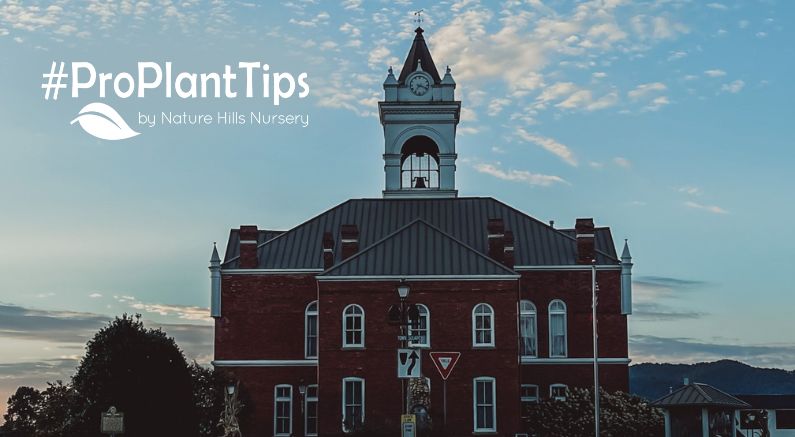

Nestled in the heart of the North Georgia Mountains, Blairsville is fondly dubbed “Georgia's Garden Gateway” and offers a fertile haven for home gardens. Surrounded by National Forests and at the northernmost part of the state, Blairsville is a haven of woodland and nature!
Sitting in USDA Hardiness Zones 6b to 7a, this charming mountain town is surrounded by lush forests, rolling elevations, and pristine streams. With acidic, well-draining soils and a climate of cool winters, misty springs, and warm, humid summers, Blairsville is a paradise for native plant enthusiasts and eco-conscious gardeners.
Whether you're coaxing blooms from a rocky slope or designing a pollinator patch beneath the canopy, Blairsville's distinctive blend of weather, terrain, and forested beauty offers both challenges and rewards. The secret is to embrace native flora that have grown here long before trowels met topsoil. Let mother nature lend a hand!
Georgia Roots: Understanding Blairsville's Soil, Weather & Landscape
Blairsville sits snugly in the Blue Ridge Mountains with high elevations and a canopy-rich landscape. The soil is predominantly sandy loam or clay-loam with a naturally acidic pH, making it ideal for native Appalachian species. Rainfall averages over 55 inches per year. While summers are hot and muggy, winters bring occasional snow and frost.
State Tree: The Southern Live Oak (Quercus virginiana) may reign across the state, but Blairsville locals also revere the Canadian/Eastern Hemlock and Sugar Maple for their mountain majesty.
Local Highlights:
-
Meeks Park for landscape inspiration
-
Vogel State Park for natural plant ID
- The Appalachian Trail to observe native flora in their wild habitat
Your local County Extension Office will have a ton of information for you, too!
Top Ornamental Plants Perfect For Blairsville Gardens at Nature Hills
- Sugar Maple: Known for its vibrant fall foliage, this native tree offers shade and visual appeal. It thrives in Blairsville's moist, well-drained soils.
- Mountain Laurel (Kalmia latifolia): An iconic evergreen shrub that loves shaded areas, producing stunning blooms in late spring and early summer.
- Porcupine Grass: This low-maintenance ornamental grass adds texture and movement to your garden, requiring minimal care.
- Bald Cypress Tree: Admired for its soft, feathery foliage, this tree thrives in wet areas and lends a rustic charm to landscapes.
- Cherokee Rose: Georgia's state flower, with delicate white blooms that attract pollinators and bring heritage and beauty to your garden. This is a sprawling, climbing wild Rose.
- Moonglow® Sweet Bay Magnolia: Evergreen with fragrant flowers, this tree remains lush year-round and is perfect for privacy screens.
- Rhododendrons and Azaleas: Flourishing in Blairsville's acidic soils, these plants provide color and structure, essential for both beauty and ecological balance.
-
Bottlebrush Buckeye (Aesculus parviflora)
A showy native shrub with tall white flower spikes that bloom in midsummer, this Southeastern beauty thrives in Blairsville's part-shade gardens and attracts hummingbirds, butterflies, and plenty of compliments with its bold, tropical-like presence. - Chaste Tree: Known for its drought tolerance and lovely violet flowers, making it ideal for low-maintenance gardens.
- Dogwood Trees (Cornus florida): A classic choice featuring beautiful spring flowers and red autumn berries, supporting wildlife in your yard.
Honorable Mentions:
Consider adding choices like the White Snow Fountains® Weeping Cherry and Ginkgo Trees for further beauty and variety. The Wine & Roses Weigela also offers striking colors that complement the mountainous landscape.
Embrace Native Plants and Sustainable Practices
Native plants require less water, enhance biodiversity, and fit seamlessly into the local southeastern ecosystem. Use sustainable techniques like organic fertilizers, natural pest control, and water-saving strategies, such as mulching and adding organic matter to your soil, to conserve moisture and add drainage to heavy clay.
Best Native Plants for Blairsville, GA
Native Trees for Mountain Majesty
-
Southern Sugar Maple (Acer saccharum subsp. floridanum)
A blazing beacon of fall color, this native shade tree thrives in Blairsville's moist, well-drained soils and offers syrup-worthy sap along with serious curb appeal. -
Bald Cypress (Taxodium distichum)
This water-loving tree features feathery foliage and funky "knees" and is perfect for creek edges, rain gardens, and adding rustic Southern charm to your yard. -
Fringetree aka: Old Mans Beard/Grancy Greybeard (Chionanthus virginicus)
A charming native ornamental known for its airy clusters of white, fringe-like blooms in late spring, this small tree thrives in Georgia's woodlands and adds graceful texture, pollinator appeal, and seasonal interest to Blairsville gardens. -
Flowering Dogwood (Cornus florida)
A four-season beauty with spring blossoms, summer greenery, fall berries, and winter texture that supports local wildlife and brings nostalgic Southern style. -
Loblolly Pine (Pinus taeda)
A towering native evergreen of the Southeast, this fast-growing pine features long needles and large cones and is perfect for adding year-round height, privacy, and wildlife cover in Blairsville's varied terrain.
Native Shrubs for Structure and Wildlife
-
Mountain Laurel (Kalmia latifolia)
A beloved evergreen with glossy leaves and late spring clusters of pink-to-white blooms that flourishes in Blairsville's shady, acidic soils. -
Sweetshrub (Calycanthus floridus)
An aromatic native with deep red blooms and glossy green foliage that adds beauty and fragrance to part-shade borders and sensory gardens. -
Virginia Sweetspire (Itea virginica)
This adaptable shrub shows off white flower spikes and red fall foliage and works well on slopes, in soggy areas, or as a showy border plant. -
Fothergilla (Fothergilla major)
Compact and colorful with bottlebrush-like white blooms in spring and some of the best fall color around, this native is a deer-resistant winner for all seasons. Try the Mount Airy Fothergilla for a heat-tolerant shrub with amazing fall color. -
Smooth Hydrangea aka: Wild Hydrangea (Hydrangea arborescens)
A woodland gem with creamy white summer blooms and sturdy stems that invite pollinators and hummingbirds while brightening shady spaces.
Honorable Mention:
Wild Roses (Rosa blanda): Unfortunately, the Cherokee Rose isn't native to the US, so for a native option, you can grow Smooth Wild Roses instead.
Native Perennials for Color and Pollinators
-
Purple Coneflower (Echinacea purpurea)
This pollinator favorite features bold purple petals and a spiky center, thriving in sunny spots and bringing long-lasting color and resilience. -
Bee Balm (Monarda didyma) and Wild Bergamot (Monarda fistulosa)
Draws hummingbirds, bees, and butterflies while holding its own against deer. Wild Bergamot (Wild Bee Balm) has lavender blooms and citrus-scented foliage, making this native a favorite for herbal teas and beneficial pollinators in drier garden spots. -
Black-Eyed Susan (Rudbeckia hirta)
Golden petals and dark centers create a cheerful wildflower that's easy to grow and blooms from mid-summer into fall in meadows and borders. -
Eastern (Wild) Columbine (Aquilegia canadensis)
This airy woodland flower features red and yellow nodding blooms that provide early nectar for hummingbirds and bring a delicate flair to rockeries and shady beds. -
Blazing Star (Liatris spicata)
A striking native with tall spikes of purple flowers that bloom from top to bottom in mid to late summer, this perennial thrives in sunny Blairsville gardens and draws butterflies, bees, and beneficial insects with its bold vertical flair.
Native Fruiting Trees for Edible Beauty
Try the Belle of Georgia for a namesake Peach or one of these hardy natives:
-
American Persimmon (Diospyros virginiana)
A stately native tree with golden-orange fruits that ripen in fall and offer a sweet, custard-like flavor perfect for fresh eating or preserves. -
Pawpaw (Asimina triloba)
This understory tree produces large, tropical-flavored fruit and thrives in moist, shady spots where it quietly supports native wildlife. -
Black Cherry (Prunus serotina)
A tall tree with fragrant white blooms and small, dark cherries that feed birds and make rich jams and flavorful syrups. -
Chickasaw Plum (Prunus angustifolia)
A thicket-forming native with early white blossoms and tart red fruits that are popular with birds and perfect for jelly lovers. -
Serviceberry (Amelanchier arborea)
A multi-season favorite offering early spring flowers, blueberry-like summer fruit, and brilliant orange fall foliage that lights up the landscape.
Native Fruiting Shrubs for Wildlife and You
-
Blackberry (Rubus allegheniensis)
An easygoing bramble with arching canes and sweet black fruit that feeds the whole family and supports pollinators and songbirds. Try Ouachita and Navaho, two thornless varieties with reliability and true Blackberry flavor. -
American/Common Elderberry (Sambucus canadensis)
A vigorous shrub with umbrella-shaped white flowers and dark purple berries, often used for syrups, jams, and immune-boosting tonics. Birds rely on their bounty as well! -
Blueberry (Vaccinium pallidum)
This low-growing native shrub loves acidic soils and rewards gardeners with dainty flowers and juicy summer fruit that birds adore. Native Rabbiteye and Southern Highbush types do best in the sticky southern climate. -
American Beautyberry (Callicarpa americana)
An ornamental and edible delight with vibrant purple berries that ripen in late summer and provide striking color and bird food. -
Spicebush/Spice Bush (Lindera benzoin)
A fragrant woodland shrub with golden fall leaves and red berries that feed birds and host the caterpillars of spicebush swallowtail butterflies.
Care and Maintenance Tips For Successful Blairsville Gardeners
-
Test Your Soil First
Blairsville's native soils are typically acidic. Get a soil test to check pH and nutrient levels before planting.
-
Choose Native and Adapted Plants
Georgia Native species are better suited to the local climate, support wildlife, and often require less maintenance.
-
Use Arborist Mulch to Retain Moisture
Mulch around plants to reduce watering needs, suppress weeds, and insulate roots. Learn about arborist mulch.
-
Water New Plants Wisely
Use the Finger Test to check soil moisture before watering. Most new plants need regular watering during their first growing season. Water during the morning or late evening to prevent your hard work from evaporating in the sun.
-
Plan for Slopes and Drainage
Use terracing, groundcovers, or plants that control erosion to stabilize hillsides and manage runoff on uneven terrain.
-
Watch for Wildlife Pressure
Deer and rabbits are common in the mountains. Use fencing, repellents, or choose deer-resistant plants to protect your garden.
-
Plant in Spring or Fall
Take advantage of cooler temperatures and consistent moisture to establish strong root systems.
-
Amend Heavy Clay or Rocky Soil
Mix in compost or leaf mold to improve drainage and fertility in challenging spots.
-
Create a Pollinator Patch
Plant a mix of native perennials, flowering shrubs, and herbs to support butterflies, bees, and hummingbirds.
-
Go Organic When Possible
Use natural fertilizers, compost, and pest control methods to keep your garden healthy and eco-friendly.
-
Watch the Weather
Frosts can hit into April and arrive early in fall. Use row covers or cloches to protect tender plants during cold snaps. Knowing your frost dates is important!
-
Join Local Garden Groups or Clubs
Connect with the Union County Extension office or local Master Gardeners for region-specific advice and events.
A Garden Fit for a Mountain Town

Whether you're building your dream garden, adding to your front yard curb appeal, or dabbling in edible landscaping, Blairsville gives you the perfect backdrop for year-round garden magic. With native plants that thrive in the hills, moisture-conserving tricks, and mother nature's guidance, your garden will blossom into a true Appalachian Eden!
Plant like a local. Grow with the mountains.
Happy Planting!


