

Wardii Yew Shrub
Taxus × media 'Wardii'
This one's sold out. These are ready to ship
Other varieties
-
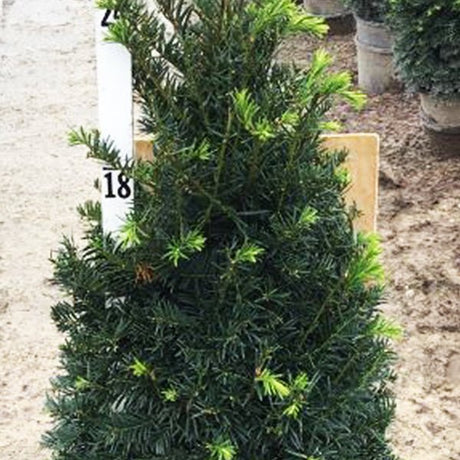
Taxus cuspidata 'Captain'
Regular price $9640Unit price /Unavailable -

-

-

Dwarf Bright Gold Japanese Yew
Taxus cuspidata 'Dwarf Bright Gold'
New arrivalRegular price $7499Unit price /Unavailable -

Taxus baccata 'Standishii'
New arrivalRegular price $6499Unit price /Unavailable


Plant Sentry™ Protected
Your order is protected by our compliance system that:
- Prevents restricted plants from shipping to your state
- Ensures plants meet your state's agricultural requirements
- Protects gardens from invasive pests and diseases
Specifications
| Plant Characteristics | Attracts Birds, Attracts pollinators, Cold hardy, Compact/Dwarf, Container Friendly, Deer-resistant, Drought resistant, Evergreen, Full Sun, Groundcover, Low Maintenance, Non-invasive, Ornamental Berries/Fruit, Rabbit Resistant, Shade Tolerant |
|---|---|
| Hardiness Zone | 4a to 7b |
| Sunlight | Full sun, Partial shade |
| Height | |
| Width | |
| Watering Needs | Moderate |
| Preferred Soil | Loamy, Sandy |
| Growth Rate | Moderate |
| Growth Habit | Upright |
| Blooms In | Spring |
| Flower Color | Yellow, White, Green |
| Foliage Color | Green |
| Pet Safety | Toxic to pets, Toxic to horses |
| Suitable Space | Outdoors |
| Botanical Name | |
| Species | |
| Cultivar | |
| Class | Coniferopsida, Pinopsida |
| Does Not Ship To | AK, HI, ID, MT, PR |
Description
Chic little evergreen edging plant, you'll love the low-growing look of Wardii's Yew (Taxus x media 'Wardii')! This is a long-lived plant that beautifully fills many roles in the landscape. It's a sophisticated alternative to Juniper groundcovers.
Staying low but growing wide over time with a distinctly flat top, Wardii's Yew looks magnificent all year long. Best of all, it can be shaped and pruned to suit your unique vision. Wide spreading, up to 12 feet at maturity, Wardii won't grow taller than 3-4 feet and can be pruned even lower if needed!
A wise gardener knows to rely on foliage plants like Wardii's Yew to carry the style and give structure to the landscape year-round. This plant features dark green needles held densely on branches that extend down to the ground.
For a low-maintenance garden, simply allow it to grow into its full and natural shape. It won't grow too tall. There's no real need to add any other plants if you want to keep things nice and tidy. Hardy throughout USDA planting zones 4 top 7, Wardii can handle all kinds of sun to shade with ease! Yews are easy to care for, and bring structure to any garden design!
Planting and Application:
Homeowners and commercial property owners across the country have created memorable experiences using multiples of this year-round, easy-to-grow shrub!
They've massed planted them, created long low hedges and even tried their hand at the ancient pruning art of topiary. You can keep the cuts angular for a contemporary look or curve the lines a bit if you want to encourage a sinuous, organic style. You won't need any edging plants with this evergreen. In fact, we recommend you use Wardii's Yew as the edging for any planting!
Can you start to see the power of the Wardii's Yew? It's a blank slate that you can use to capture your vision. Wardii's Yew can be used in lavish mixed shrub borders or marched along a foundation. Fill concrete bound planter boxes with this and keep it trimmed perfectly flat.
Why not vary the pruning heights a bit with different squared-off sections within that planter box? You'd create a subtle checkerboard effect with interesting shadows. Can you imagine a restaurant using this to drive more foot traffic?
Use this Hybrid Yew as a living groundcover to fill in between larger plants or trees, with this adaptable evergreen not minding their shade one bit! Or plant en masse as erosion control to fill that troublesome hillside or slope for year-round coverage and fill!
- Wide-Spreading, Low-Growing Fluffy Evergreen
- Fantastic Fluffy Green Needles
- Long-Lived & Very Easy To Grow
- Works in Large Planters & Containers
- Living Groundcover, Edging, Erosion Control & En Masse
#ProPlantTips for Care:
Your Hybrid Yew does wonderfully in any kind of sun or shade! It performs in a variety of well-drained soil and moisture conditions. Young plants need a regular schedule of even amounts of water for the first season or two. Once the roots are established in the soil, they become more tolerant of drought. Wardii's Yews can easily handle urban conditions. In the fall, give your evergreens a good long drink so they can better withstand windburn and dry winter months.
If you see puddles in your planting area after a rain, you'll need to bring in additional soil. "Mound up" to 18 - 24 inches above your soil line, then plant in that mound. Dig a wide hole, but no deeper than the pot. Please don't plant Yews too deep. Use care when planting, as Yew roots are delicate. Protect them further with a 3-4 inch layer of arborist bark chips and plant them with Nature Hills Root Booster for life-long symbiotic support.
Keep the planting weeded and give it Dr. Earth Acid Lover's Organic and Natural Premium Fertilizer in early spring and mid-summer. Prune or shear after their flush of growth in the spring and that's it! Older plants can be rejuvenated by trimming out longer portions of the plant back to a part of the stem that still has needles on it. Then just sit back and relax.
- Grows in Sun or Shade
- Prefers Moist Conditions
- Needs Very Well-Drained Soil
- Tightly Pruned or Kept Natural
- Very Low Maintenance, Cold Hardy & Highly Adaptable
Order your classy, fine-textured Wardii's Yew evergreen plants today! We predict you'll be back to get more, so order enough now to complete your entire project from Nature Hills Nursery!
Planting & Care
Delivery and Shipping
Shipping Rates
Ships in 3-5 business days • Tracking provided • Weather protected
| Under $50 | $9.99 |
| $50 - $99.99 | $14.99 |
| $100 - $149.99 | $16.99 |
| $150 - $198.99 | $24.99 |
| $199+ | FREE |
✓ Zone-specific timing • ✓ Professional packaging • ✓ Health guarantee
Find on Page
Type to search specs, description, care, FAQ, and shipping.

