

Tsuma Gaki Japanese Maple Tree
Acer palmatum 'Tsuma Gaki'


Plant Sentry™ Protected
Your order is protected by our compliance system that:
- Prevents restricted plants from shipping to your state
- Ensures plants meet your state's agricultural requirements
- Protects gardens from invasive pests and diseases
Specifications
| Plant Characteristics | Attracts Birds, Cold hardy, Compact/Dwarf, Container Friendly, Deer-resistant, Disease resistant, Fall Color/Interest, Full Sun, Low Maintenance, Non-invasive, Ornamental Berries/Fruit, Shade Tolerant |
|---|---|
| Hardiness Zone | 5a to 8b |
| Sunlight | Full sun, Partial shade |
| Height | |
| Width | |
| Watering Needs | Moderate |
| Preferred Soil | Peaty |
| Growth Rate | Moderate |
| Blooms In | Spring |
| Flower Color | Red |
| Suitable Space | Outdoors |
| Plant Name | Maple |
| Botanical Name | |
| Species | |
| Cultivar | |
| Class | Magnoliopsida |
| Does Not Ship To | AK, HI, ID, MT, PR |
Description
This Japanese Maple Tree is full of fall colors such as red-purple, yellow, and bronze. And who doesn't love fall colors?
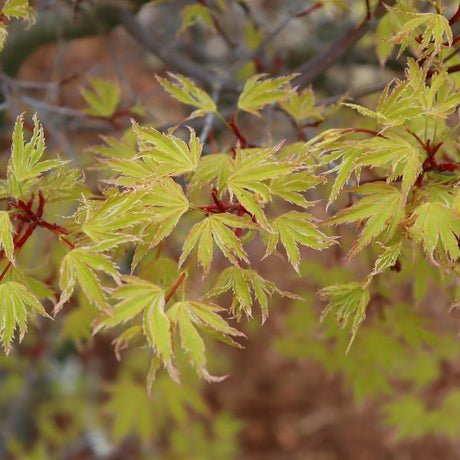
The Tsuma Gaki Japanese Maple Tree (Acer palmatum 'Tsuma Gaki') has lobes that are yellow-green that transition out to red at the tips for a lovely two-tone effect! The lobes appear as if they just got done with a relaxing manicure!
In the summer the leaves turn green before they eventually take on a ravishing red and yellow coloration in the fall. Throughout the year this deciduous tree gives off a variety of colors that always give you something to look forward to!
On top of the natural beauty of the foliage, they also produce petite reddish-purple flowers that bloom in the middle of spring. Although these flowers are noticeable from a distance, they are quite adorable close-up! The bees certainly will appreciate them each spring!
Landscape Application:
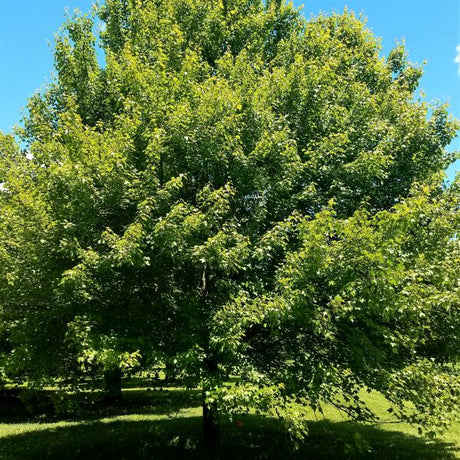
Japanese Maple Trees have such a unique size and shape, growing 6 - 9 feet tall and spreading just 4 - 5 feet in width, which makes Tsuma Gaki a fantastic specimen plant. They thrive to be the center of attention and are the perfect addition to any landscape or even large planter!
The Tsuma Gaki Japanese Maple has a rounded shape which creates a pretty focal point among your bed and borders in the partial shade landscape or near the canopy of larger trees where it can bask in the filtered sun. Both front and backyards benefit from these showy ornamental trees!
- Yellow-Green Lobes Transition To Red Tips
- Red & Yellow Coloration in the Fall
- Produce Petite Reddish-Purple Flowers
- Upright Oval Canopy
- Fantastic Specimen Plant, Accents & Great In Large Containers
#ProPlantTips for Care:
Plant Japanese Maples in full sun in cooler climates, but in partial, filtered, or afternoon shade locations in hotter growing zones 5 to 9 to prevent the delicate leaves from burning. Maples need a well-drained soil location with regular moisture access and a 3-4 inch deep layer of mulch around the roots. Not only does the mulch look great, but it helps keep even moisture as well as protect your maple against pesky diseases and pests. Prune in the late winter to shore up any broken or unruly branches.
- Performs in Full Sun or Part Shade
- Well-Drained Soil
- Moderate Regular Moisture
- Prune When Dormant
- Cold-Hardy, Versatile & Adaptable
Brighten your landscaping up today with the array of fall colors that the Tsuma Gaki Japanese Maple Tree has to offer! Order now at NatureHills.com today!
Planting & Care
Delivery and Shipping
Shipping Rates
Ships in 3-5 business days • Tracking provided • Weather protected
| Under $50 | $9.99 |
| $50 - $99.99 | $14.99 |
| $100 - $149.99 | $16.99 |
| $150 - $198.99 | $24.99 |
| $199+ | FREE |
✓ Zone-specific timing • ✓ Professional packaging • ✓ Health guarantee
Find on Page
Type to search specs, description, care, FAQ, and shipping.
Other Maple varieties
-

Acer x freemanii 'Jeffersred'
Regular price $11900Unit price /Unavailable -

Acer palmatum 'Atropurpureum'
Up to 25% offSale price From $5128 Regular price $6837Unit price /Unavailable -

Acer palmatum var. dissectum 'Inaba Shidare'
Regular price From $5620Unit price /Unavailable -

Tamukeyama Japanese Maple Tree
Acer palmatum var. dissectum 'Tamukeyama'
Regular price From $7999Unit price /Unavailable -

Acer palmatum 'Sango Kaku'
Regular price From $8736Unit price /Unavailable -
Acer palmatum ''ARJOS1'' USPP 32,420
New arrivalRegular price From $9071Unit price /Unavailable -
-

Green Laceleaf Japanese Maple Tree
Acer palmatum dissectum ‘Viridis’
Regular price $18465Unit price /Unavailable


