

Pinky Pollen Ring™ Hydrangea
Hydrangea arborescens 'Pinky Pollen Ring'


Plant Sentry™ Protected
Your order is protected by our compliance system that:
- Prevents restricted plants from shipping to your state
- Ensures plants meet your state's agricultural requirements
- Protects gardens from invasive pests and diseases
Specifications
| Hardiness Zone | 3a to 9b |
|---|---|
| Sunlight | Full sun |
| Height | |
| Width | |
| Growth Rate | Moderate |
| Watering Needs | Moderate |
| Preferred Soil | Chalky, Clay, Loamy, Peaty, Sandy |
| Landscape Use | Border, Mass Planting, Woodland Garden, Slope Planting, Rain Garden |
| Growth Habit | Bushy, Compact, Spreading |
| Blooms In | Summer, Fall |
| Flower Color | Pink |
| Foliage Color | Green |
| Native | Yes |
| Native To |
Alabama,
Arkansas,
Delaware,
Florida,
Georgia,
Illinois,
Indiana,
Kentucky,
Louisiana,
Maryland,
Mississippi,
Missouri,
New Jersey,
New York,
North Carolina,
Ohio,
Oklahoma,
Pennsylvania,
South Carolina,
Tennessee,
Vermont,
Virginia,
Washington DC,
West Virginia
+18 moreshow less |
| Pet Safety | Toxic to pets, Toxic to horses |
| Plant Characteristics | Cold hardy, Flowering, Attracts pollinators, Container Friendly, Non-invasive |
| Botanical Name | |
| Does Not Ship To | AK, HI, ID, MT, PR, VI |
Description
Unique Fairy Rings For You - Pinky Pollen Ring™ Hydrangea !
- Otherworldly Pink and Light Pink Flower Colors
- Intriguingly Unique Lacecap Flowers
- Deep Green Handsome Foliage
- Easy Care & Low Maintenance
- Sturdy Stems
- Blooms on New Wood
- Part Sun Loving Ornamental Shrub
- Pollinators Galore!
- Reblooming Garden Hydrangea
- Cold Hardy Native Plant
- Deer Pass It By
- Dried and Fresh Floral Decor
- Plant in Mass, Specimen or Borders
Absolutely enchanting! The Hydrangea Pinky Pollen Ring™ (Hydrangea arborescens 'SMHALP') is like no lace-cap Smooth Hydrangea you've experienced before!
Fluffy clouds of sterile florets open into large flat-topped blooms. Ranging from light to dusky pink, each cluster is ringed in light pink bracts around the perimeter like a circlet! The perfect landing pad for your garden's real fairies like butterflies and bees!
These lovely blooms appear on new wood over the fresh green foliage. Compactly growing mounds are good sized, up to 4' tall and wide, to create magical borders, privacy and habitat in your landscape.
The large leaves are textured and serrated, plus compact and a lovely deep-green. The perfect foil for the curious flower clusters, as well as the other plants in your garden.
The blooms of Pinky Pollen Ring™ remain all summer long and even provide winter interest when dried on the plant after frost. Snip a few of these flowers fresh for your floral arrangements or wait until autumn for dried decor.
How to Use Pinky Pollen Ring™ Hydrangea In The Landscape
Pinky Pollen Ring™ is an amazing privacy and screening hedge and lush backdrop to your borders. For enchanting definition between your property and road, or to hide your neighbors with mass planting of these curious Hydrangea!
Flank your entrance or anchor your foundation plantings with Pinky Pollen Ring™ for instant curb appeal or brighten your garage or shed with one of these lovelies to soften the corner.
Reblooming Hydrangeas have improved buds that keep magically appearing on your shrub all summer into fall for armloads of curious blossoms!
Your pollinators will be entranced by these anchoring native or mixed-shrub beds and cottage gardens. Pinky Pollen Ring™ would be a stand out specimen or accent plant that will have everyone talking!
#ProPlantTips For Care
Pinky Pollen Ring™ Hydrangea does wondrously in part sun, whether that is the dappled sun from large trees or your morning sun with afternoon shade, Hydrangea are hardy and adapt natives.
Able to tolerate full sun in the colder growing zones, Hydrangea will appreciate shade in the hottest sun months. Mountain Hydrangea are typically found growing around the southeastern US, so you know they'll do great in the coddled conditions of your landscape!
Preferring cool, moist soil that is organically rich, Pinky Pollen Ring™does not like to dry out for too long, so be ready to supplement water during the worst of the summer heat.
Appreciating a generous layer of mulch over their roots to help retain soil moisture as well as insulate the root system from heat and chill. Just be sure your ground is well-drained so the roots do not sit in water.
Prune in late winter or early spring to remove the previous seasons winter dieback. Pruning at this time also prevents removing those unique blooms that appear all summer on new wood. Deer will rarely damage your shrub, so no need to worry about them volunteering to help prune.
For a fascinating new plant with unexpected, unique pink blooms, add a few Pinky Pollen Ring™ Hydrangea and enjoy your own fairy rings every year! Order today!
Planting & Care
Delivery and Shipping
Shipping Rates
Ships in 3-5 business days • Tracking provided • Weather protected
| Under $50 | $9.99 |
| $50 - $99.99 | $14.99 |
| $100 - $149.99 | $16.99 |
| $150 - $198.99 | $24.99 |
| $199+ | FREE |
✓ Zone-specific timing • ✓ Professional packaging • ✓ Health guarantee
Find on Page
Type to search specs, description, care, FAQ, and shipping.
Other Hydrangea varieties
-

Hydrangea paniculata 'Limelight'
Regular price From $8092Unit price /Unavailable -

Vanilla Strawberry™ Panicle Hydrangea
Hydrangea paniculata 'Vanilla Strawberry'
Regular price From $2781Unit price /Unavailable -

Endless Summer® The Original Bigleaf Hydrangea
Hydrangea macrophylla 'Endless Summer'
Regular price From $6510Unit price /Unavailable -

Endless Summer® Summer Crush® Bigleaf Hydrangea
Hydrangea macrophylla 'Summer Crush'
Regular price From $1999Unit price /Unavailable -

Endless Summer® BloomStruck® Bigleaf Hydrangea
Hydrangea macrophylla 'BloomStruck'
Regular price From $2349Unit price /Unavailable -

Hydrangea arborescens 'Incrediball'
Regular price From $4829Unit price /Unavailable -

Ruby Slippers Oakleaf Hydrangea
Hydrangea quercifolia 'Ruby Slippers'
Regular price From $2804Unit price /Unavailable -

Strawberry Sundae® Panicle Hydrangea
Hydrangea paniculata 'Strawberry Sundae'
Regular price From $6619Unit price /Unavailable


This is my second Invincibelle Limetta. The 1st I gave to a neighbor as a good gesture after I had purchased a plant while waiting for another shipment to arrive.
Each hydrangea were very nice considering their quart size container. The price came to around $42 with shipping & 1 year guarantee, and while that seems like a lot considering its size, try to find a nice hydrangea in late July without going to an expensive garden center. Unless you plan to pay in excess of $80, and are willing to take whatever they have left in stock, you won't have much luck. Plant was well packaged, UPS left in the shade for me.
Very happy with the purchase.
** Just a warning for people planting new Limetta's in areas where rabbits/voles are plentiful. **
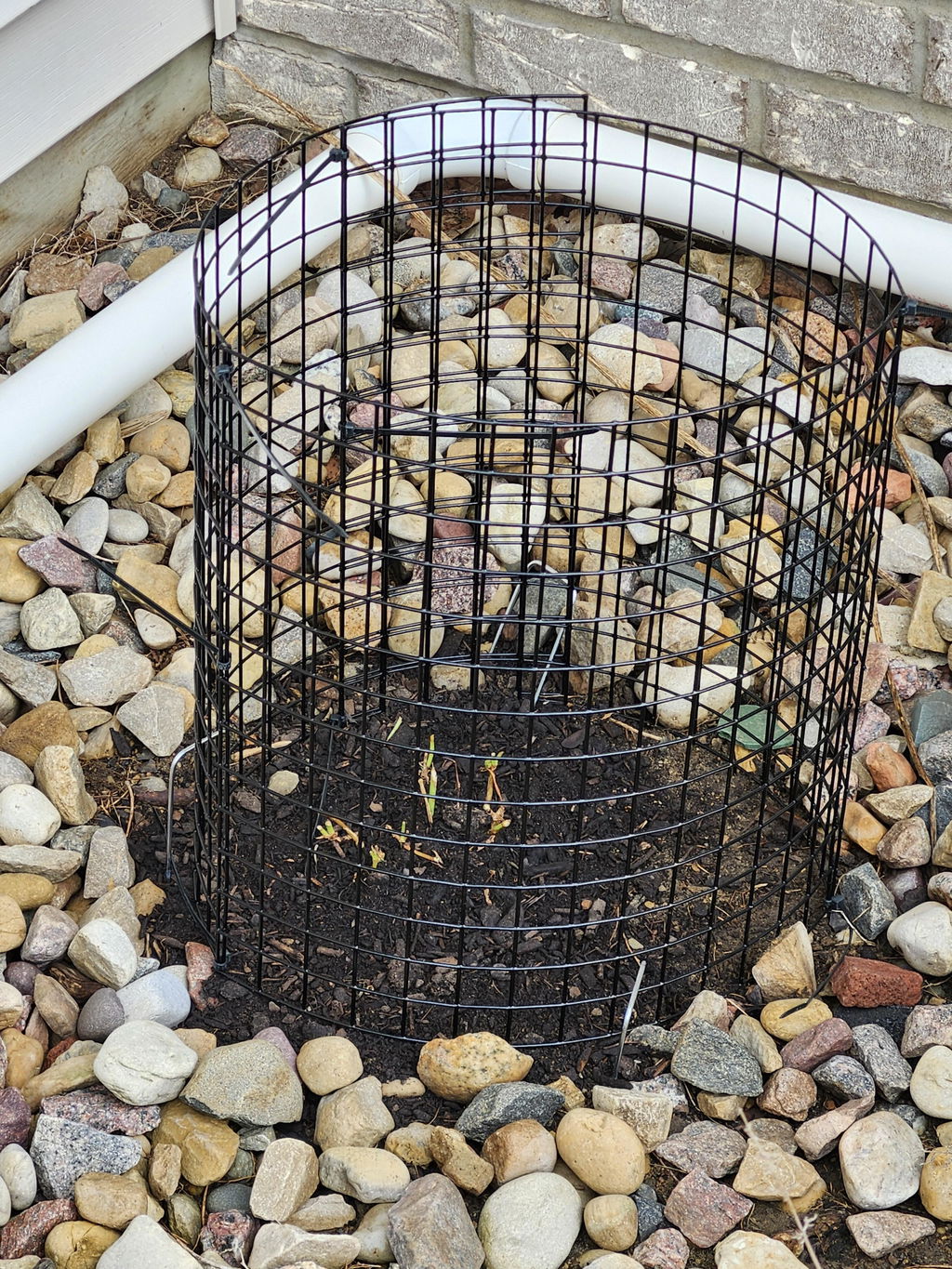
It took 1 night for a rabbit or vole to eat every stem but 1 on my newly planted hydrangea. What was a beautiful plant is now quite sad looking. I surrounded it today with a 16" tall translucent pail to save what's left, but the damage is extensive. Of all 15 hydrangeas I've planted since late May, this is the only one rabbits have destroyed or even looked at. So keep in mind, that your new Invincibelle Limetta should be surrounded by a cage or other fencing to keep out the fury thieves.
* 2nd update - yesterday my plant cage arrived so I enclosed my Limetta with a nice cage to keep the rabbits out. I felt pretty confident that this was the cure, gave a quick watering and off I went. This morning I glanced over to see nothing left of the plant but small stems from the root ball. This tells me that voles are the likely cause and the plant will require a solid guard approximately 3-4" high to keep out the rodents. I'll be replacing the plant with a 2 gal version from a garden center 73 miles away. Hoping the more mature plant will deter the voles from continued foraging on my wallet. *
Having a second Invincibelle Limetta on the way after giving the first one to a neighbor is a pretty good sign the plant made an impression. You make a fair point about sourcing hydrangeas in late July. Local garden centers are usually picked over by then, and the variety selection gets slim fast. Give it a season to settle in and it should fill out well from that quart size. Thanks for sharing your experience, Jeff.
It's alive and growing, and extremely thirsty for gallons of water. Mine is a #3 size shrub, tall enough to have a noticeable "front" and "back." The front has a fuller look, more flowering branches, and the back has taller branches at the top and more spindly stems down the side. Probably from its orientation at the nursery. I planted it back to front before I noticed this growing pattern, but I expect after a year or two with pruning, the shape will even out. It already attracts pollinators to the pretty flowers. I've seen tiny native bees and honeybees checking it out, so we're good to go!
Hydrangeas do drink heavily, especially while they're getting established, so it sounds like yours is right on track. The front-to-back asymmetry you noticed is common with nursery-grown shrubs, and your instinct is correct: a couple of seasons of growth and a good late-winter pruning will fill in those spindly sides. The fact that native bees found it so quickly is a great sign, since Invincibelle Lace is genuinely one of the better pollinator hydrangeas we carry. Thanks for the thoughtful observations, Melissa.
I received these hydrangeas in great condition and look forward to seeing their beautiful blooms.
Invincibelle Lace is a great one to watch unfold, Bonnie. The lacecap flower form is a little different from the typical smooth hydrangea, and it tends to get better with each passing season as the plant matures. We hope your first bloom season is just the beginning.
My new hydrangea arrived within a few days of placing my order. It is a beautiful healthy plant! I can't wait to see the new blooms!
A healthy hydrangea hitting the ground running is exactly what you want heading into bloom season. Invincibelle Mini Mauvette is a real charmer when those mauve-pink flowers open up, and because it blooms on new wood, a light cutback in early spring each year will keep the flowers coming strong. Thanks for sharing, Kathryn. The Nature Hills Team
I love this hydrangea. It’s my favorite. Great shipping and packaging.
Invincibelle Spirit II has a way of becoming a favorite fast, especially once those pink blooms really get going. Glad it arrived in good shape too. Thanks for planting with us, Celeste!
My 2 hydrangeas arrived, small in size, but with several blooms on each! I'm so pleased! As always, they were packaged perfectly. They will be great additions to my garden.
Wee White is a fun one. It really does bloom at a small size, so those flowers on arrival are a good sign the plants are settled and ready to grow. Thanks for being a returning customer, Martha. We hope they become a reliable part of your garden for years to come.
Plant was very small and somewhat sickly looking.
Very happy with my purchase
Hi,
Thank you so much for your wonderful feedback! We’re thrilled to hear that you’re very happy with your purchase and that the plants arrived healthy. We know how important it is to receive quality plants that both thrive and bring joy to your gardening experience.
If you ever have any questions about planting, care, or need recommendations for your garden, don’t hesitate to reach out. We’re always here to support your gardening journey with tips and expert advice.
Wishing you happy planting,
The Nature Hills Plant Experts
fast shipping and plants are doing well so far
Hi Danielle,
Thank you so much for taking the time to share your feedback! We’re thrilled to hear that your plants arrived quickly and are doing well so far. It’s always a joy to know our efforts help your garden thrive.
If you ever need tips on care or inspiration for what to add next, don’t hesitate to reach out — our team is here to support your gardening journey every step of the way.
Rooting for your garden’s success,
Your Nature Hills Plant Care Team
Very happy with my purchase
Hello Jean,
Thank you so much for your wonderful feedback! We're delighted to hear that your plants arrived healthy and that you’re very happy with your purchase. Taking excellent care of each plant is something we take pride in, and it’s fantastic to know it made a positive difference for you. If you ever have any questions about care tips or want advice on expanding your garden, please don’t hesitate to reach out—we’re always here to help.
Bloom on,
The Nature Hills Plant Knowledge Team
fast shipping and plants are doing well so far
Hello Guest,
Thank you so much for taking the time to share your experience! We're delighted to hear that your plants arrived quickly and are doing well so far. Prompt shipping and healthy plants are top priorities for us, so it's wonderful to know we hit the mark with your order.
If you ever have questions about plant care or need specific tips to help your new arrivals thrive, please don’t hesitate to reach out. We also have a helpful online resource library filled with care guides and planting advice—you might find some great inspiration there!
Wishing you happy planting,
The Nature Hills Plant Experts
The Invincibelle Spirit II is a very nice well mannered shrub year after year.
This hydrangea hold the big blooms upright even in heavy rains. It has strong stems.
I really love the shade of the pink flowers and the Invincibelle Spirit makes a lot of them.
Hi Kk,
Thank you so much for sharing your lovely thoughts about the Proven Winner® Color Choice® Invincibelle® Spirit Hydrangea! We’re delighted to hear you enjoy the beautiful shade of pink and the abundance of blooms that this wonderful plant provides. It’s truly one of our favorite sun-loving hydrangeas, prized for its reliably vibrant color and prolific flowering.
If you’d like to keep your Invincibelle Spirit Hydrangea flourishing year after year, be sure to plant it in well-draining soil with morning sun and some afternoon shade for the best color payoff. Light pruning after bloom can also encourage healthy growth and a tidy shape. Should you ever want ideas on companion plants or detailed care tips, don’t hesitate to reach out — we’re here to help your garden thrive!
Bloom on,
The Nature Hills Plant Knowledge Team
This hydrangea hold the big blooms upright even in heavy rains. It has strong stems.
Hello Catcher,
Thank you so much for sharing your wonderful experience with the Invincibelle® Spirit II Hydrangea! We're delighted to hear how well it holds those big, beautiful blooms upright even through heavy rains. Strong stems truly make a difference protecting the showy flowers and keeping your garden looking picture-perfect.
If you ever need tips on fertilizing or seasonal care to keep your hydrangea thriving, don’t hesitate to reach out—we’re happy to provide recommendations tailored to your region and conditions. Also, regular watering combined with mulching helps maintain soil moisture, especially for hydrangeas.
We appreciate your feedback and wish you many more vibrant blooms to come!
Rooting for your garden’s success,
Your Nature Hills Plant Care Team
I really love the shade of the pink flowers and the Invincibelle Spirit makes a lot of them.
Dear KK,
Thank you so much for sharing your wonderful feedback about the Proven Winner® Color Choice® Invincibelle® Spirit Hydrangea! We're delighted to hear that you love the lovely shade of pink and that your hydrangea is producing so many beautiful blooms. This variety truly shines with its abundant flowers, making gardens vibrant and charming.
If you’re looking for tips to keep your hydrangea thriving even more, make sure it receives morning sun with afternoon shade and is watered regularly, especially during dry periods. Mulching around the base can help retain moisture and protect the roots. Also, since Invincibelle Spirit blooms on new wood, pruning in late winter or early spring can stimulate healthy growth and colorful blossoms the following season.
We hope your garden continues to bring you joy and beauty with every bloom!
Bloom on,
The Nature Hills Plant Knowledge Team
The Invincibelle Spirit II is a very nice well mannered shrub year after year.
Dear Ic,
Thank you so much for sharing your kind words about the Invincibelle® Spirit II Hydrangea! We're delighted to hear it's been a well-mannered and reliable addition to your garden year after year. These hydrangeas are known for their beautiful blooms and easy care, making them a favorite for so many gardeners.
If ever you want tips to keep your Invincibelle® Spirit II thriving or are curious about companion plants that would complement its beauty, feel free to reach out. We're always happy to help you make the most of your gorgeous garden.
Bloom on,
The Nature Hills Plant Knowledge Team
My Invincibelle Spirit is one tough hydrangea. Comes back each and every year even in my cold climate.
Dear Captain Jack,
Thank you so much for sharing your experience with the Proven Winner® Color Choice® Invincibelle® Spirit Hydrangea! We’re thrilled to hear how resilient your hydrangea has been, blooming back faithfully despite the chilly winters. Your success story truly highlights the hardiness of this variety — it’s wonderful to know it’s thriving in your cold climate.
To keep your Invincibelle Spirit at its best year after year, you might consider light mulching in late fall to help insulate the roots against extreme cold snaps. Also, pruning after the last frost can encourage healthy growth and beautiful blooms. If you ever have questions or want detailed care tips for your zone, we’re here to help!
Thanks again for your thoughtful feedback. We appreciate you turning to Nature Hills to support your gardening passions.
Bloom on,
The Nature Hills Plant Knowledge Team
My Invincibelle Spirit is one tough hydrangea. Comes back each and every year even in my cold climate.
Dear Captain J.,
Thank you so much for sharing your experience with the Proven Winner® Color Choice® Invincibelle® Spirit Hydrangea! We’re delighted to hear that your hydrangea returns each year despite the challenges of a colder climate. It truly is a testament to the resilience and quality of this variety, making it a fantastic choice for gardeners looking for dependable color season after season.
If you ever want to boost its bloom performance or help it thrive even more, remember that these vigorous hydrangeas appreciate well-drained soil and a bit of mulch to protect their roots during extreme cold snaps. You might also consider feeding your plant with a balanced slow-release fertilizer in early spring to give it an energy boost.
Thanks again for your feedback and for entrusting us with your gardening journey.
Wishing you happy planting,
The Nature Hills Plant Experts
