


-
-
-
-
-
Vaccinium corymbosum 'Bluecrop'
Regular price $4067Unit price /Unavailable -
-
Vaccinium corymbosum 'Chandler'
Regular price From $4073Unit price /Unavailable -
-
-
-
-
-
Vaccinium corymbosum 'Jelly Bean'
Regular price $4612Unit price /Unavailable -
-

Vaccinium corymbosum 'Peach Sorbet'
Regular price $4612Unit price /Unavailable -

-
-
-
Vaccinium 'Northcountry'
PreorderRegular price $2747Unit price /Unavailable -
-

-
Vaccinium corymbosum 'Splendid! Blue'
New arrivalPreorderRegular price $2614Unit price /Unavailable -
-
Vaccinium corymbosum 'Sky Dew Gold'
New arrivalPreorderRegular price $2614Unit price /Unavailable -
-

Vaccinium vitis-idaea 'Red Candy'
New arrivalPreorderRegular price $8125Unit price /Unavailable -
Vaccinium corymbosum 'Northland'
PreorderRegular price $2747Unit price /Unavailable -
-
Vaccinium corymbosum 'Pink Icing'
Sold outRegular price $4612Unit price /Unavailable -
-
Blue Jay Highbush Blueberry Bush
Vaccinium corymbosum 'Blue Jay'
PreorderRegular price $3064Unit price /Unavailable -


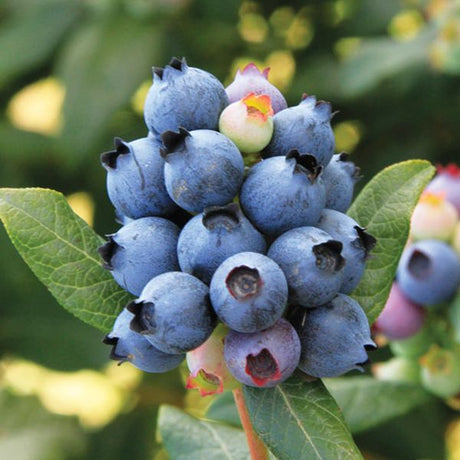
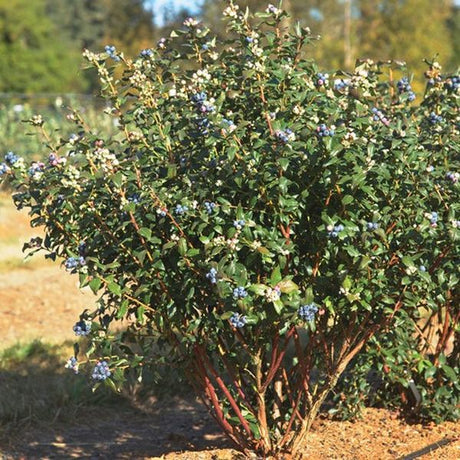
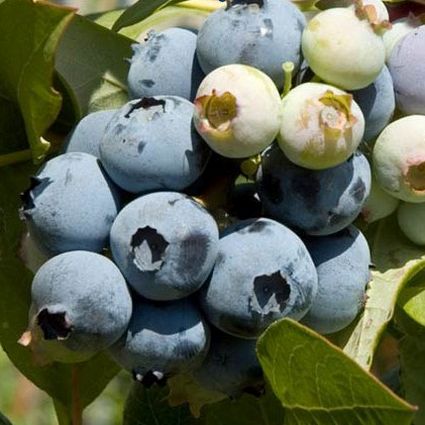
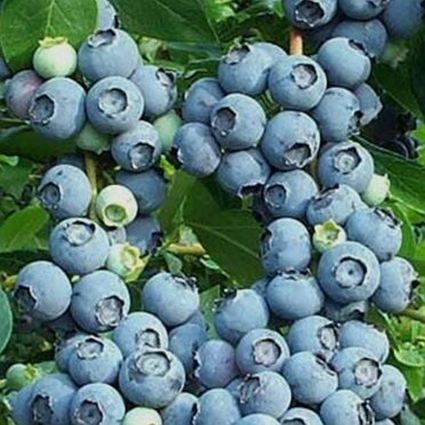


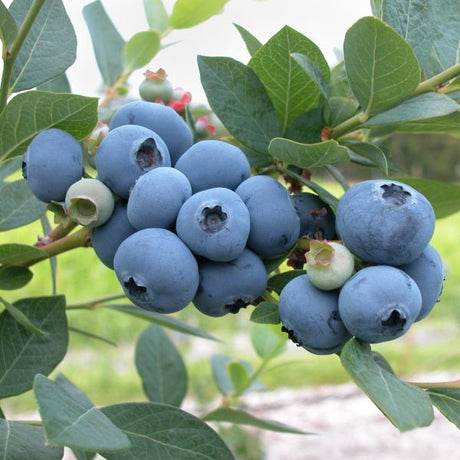
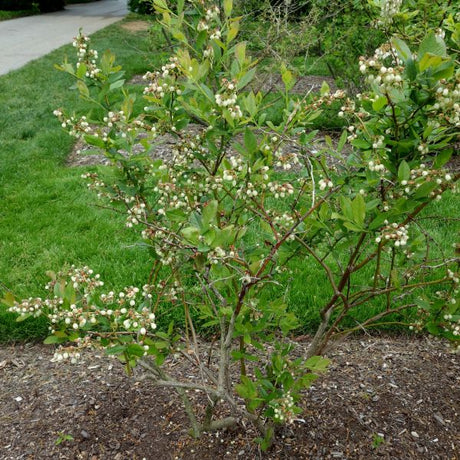
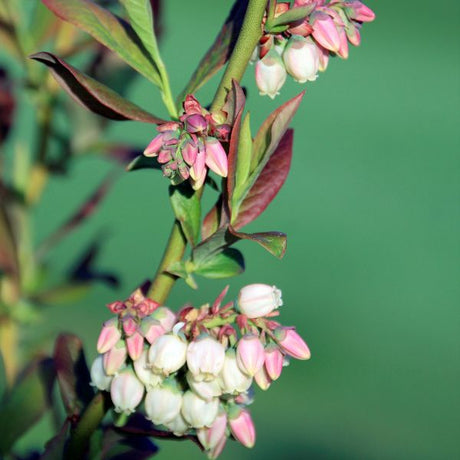
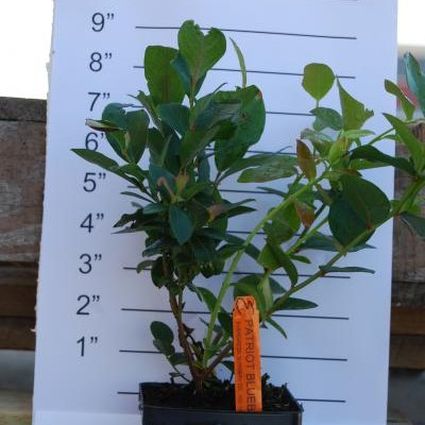


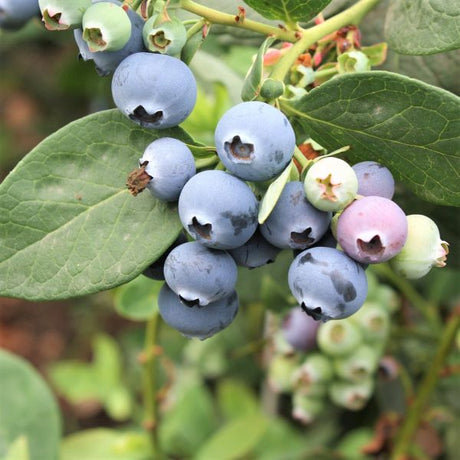
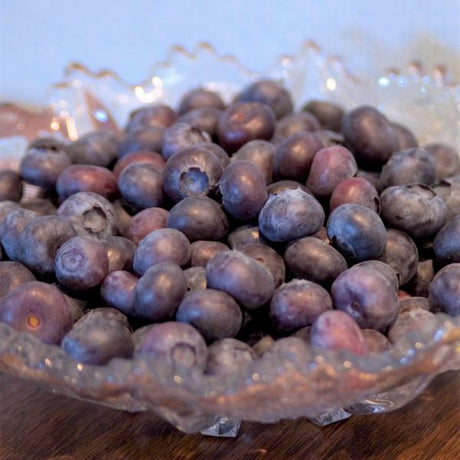


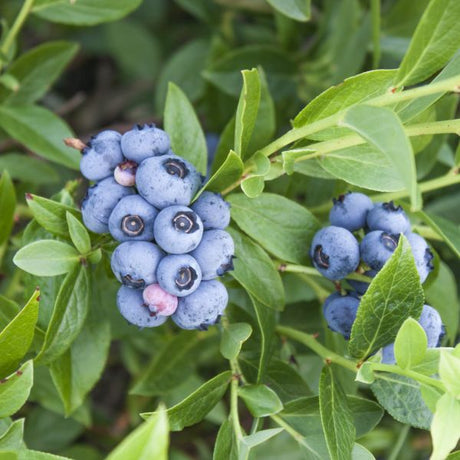
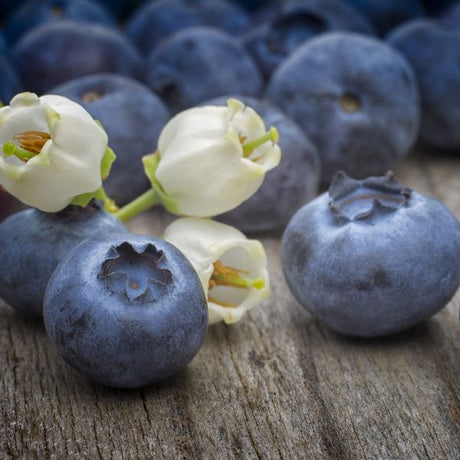
Blueberry Bushes
Blueberry Plants for Sale at Nature Hills Nursery

Blueberry plants are among the most rewarding choices for edible landscaping. They are beautiful, productive, and easy to grow. You will find a wide selection of healthy, high-quality Blueberry bushes for sale right here at Nature Hills Nursery.
These versatile shrubs shine in every season with:
- Bell-shaped spring flowers
- Juicy summer berries
- Brilliant fall foliage in shades of red, orange, and yellow
Related to Rhododendrons and Azaleas, Blueberry bushes are both ornamental and edible. Whether planted in garden beds or containers, they bring year-round charm and nutrition to your landscape.
Blueberries are a true superfruit, rich in antioxidants and vitamins A and C. Studies show they support heart health, memory, and metabolism, making them a delicious way to boost wellness.
Why Gardeners Love Blueberries
- Delicious, antioxidant-rich fruit
- Beautiful in all seasons
- Great for hedges, borders, or containers
- Easy to grow and low-maintenance
- Attracts pollinators and wildlife
5 Main Types of Blueberry Bushes
Blueberries grow successfully across the country. The main types include:
- Northern Highbush (Zones 4–7): Popular and productive with large berries
- Southern Highbush (Zones 7–10): Heat-tolerant hybrids for warmer regions
- Lowbush (Zones 3–7): Compact, creeping plants perfect for groundcover
- Half-High (Zones 3–7): Cold-hardy hybrids combining Highbush and Lowbush traits
- Rabbiteye (Zones 7–9): Tough, pest-tolerant, and highly adaptable
Planting a mix of early, mid, and late-season varieties helps extend your harvest and improve pollination.
Top Pollination and Variety Tips
Blueberries are self-fertile, but planting multiple varieties gives you larger harvests and better fruit set.
- Highbush: Try 'Bluecrop', 'Blueray', or 'Herbert' for cold hardiness
- Lowbush: Hardy, spreading groundcovers for northern gardens
- Half-High: 'Northcountry', 'Northblue', and 'Northland' are ideal for cold climates
- Rabbiteye: Best in the Southeast; plant 'Tifblue', 'Climax', and 'Brightwell' together for pollination
Blueberry Care Tips for the Home Garden
Check your growing zone before planting: Find Your Zone Here
Sunlight: Full sun produces the sweetest, most flavorful berries. Provide afternoon shade in very hot regions.
Soil: Requires acidic, organic-rich soil. Ideal pH:
- Highbush and Rabbiteye: 6.0 or lower
- Half-High: around 5.5
Adjusting pH:
- Use soil sulfur, peat moss, or coir before planting to promote soil health
- Check soil regularly with a pH meter
- Feed with organic fertilizers like cottonseed meal or fish meal
Planting:
- Dig a hole twice as wide as the container
- Mix compost, oak leaf mold, or aged sawdust into backfill
- Keep the root ball at the original soil level and firm soil around roots
- Read here how to grow Blueberries in containers
Mulching:
- Apply 4 inches of organic mulch such as pine bark or needles
- Maintain moisture and prevent weeds
- Refresh annually for best results
For expert growing advice, see Simple Plant Pro Tips to Make It Easy to Grow Blueberries.
Bring Home The Beauty Of Blueberries!
Add these vibrant, fruitful shrubs to your garden and enjoy homegrown berries for years to come.
Shop the full Blueberry collection at Nature Hills Nursery, where every plant is shipped with care and backed by our Product Guarantee.
Family-owned and operated since 2001, Nature Hills Nursery offers an ever-growing collection of plants and expert guidance. Visit our Planting Guide to get started today, and learn more about phenology for perfect planting timing.

