Shop With Confidence: FREE Growing & Glowing Promise

Free Shipping on Orders $199+

5 Ways To Attract More Pollinators To Your Garden!

5 Ways To Attract More Pollinators To Your Garden! - Nature Hills Nursery

Charlotte Weidner |

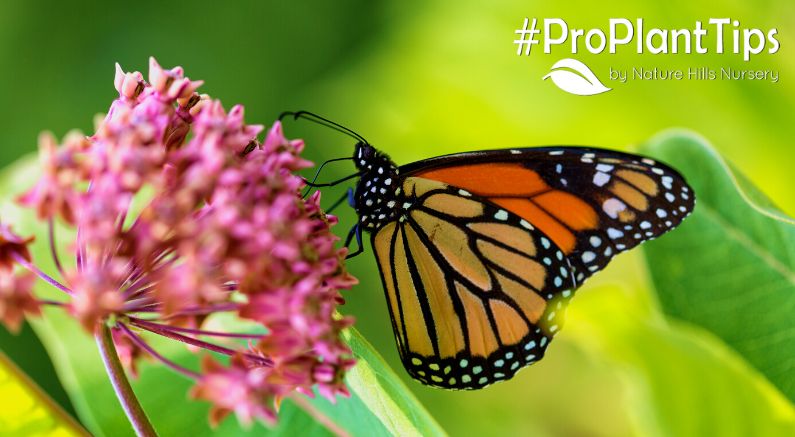
National Pollinator Week (June 20th-26th) is fast approaching and in our neck of the woods that is a reason to celebrate! We’re often asked how to best help the local pollinators and what can be done in gardens to attract more.

So, we at Nature Hills put our heads together and came up with 5 really good ways to bring the busy bees, beautiful butterflies, and maybe even a hummingbird or two to your garden!

Beyond planting their favorite plants and reducing your pesticide applications, here are the top 5 methods of increasing Pollinator activity in your yard!

#1 Create an Area with Some Wind Protection

It doesn’t have to be a lot so there’s no reason to go erecting rows and rows of trees and windbreak shrubs (however we’re strong believers that everyone should). Mostly what pollinators are looking for is a little protection from the stronger gusts.

I mean, who likes holding on for dear life while grabbing a snack?

You can accomplish this by choosing a protected location, a site out of the wind, or planting some strategically placed shrubs which provide some cover, look fantastic, and provide nectar - a win-win-win if you will!

  • Lilacs
  • Elderberries
  • Rose of Sharon
  • Butterfly Bush (Buddleia)
busehs offering wind protection

#2 Add a Water Feature

water feature for butterflies

It’s a small addition but our pollinator friends get thirsty too and having a nearby source of water really helps them out! This can be a birdbath, fountain, small pond, or any combination. The important part is to make sure there’s a large flat surface to accommodate butterflies, many of which are puddlers and bees, well they have little legs! Pollinators will come for the plants and stay for the ease of water and shelter!

Set up a shallow dish with some pebbles of varying sizes, clean water daily and even some slices of fruit - like oranges, sliced grapes and apples for them to sip the sugars from. You can also include clean sponges for them to lap up much-needed water! Keep the water clean and fresh to avoid spreading diseases.

#3 Use Native Plants

coneflower

I’m sure you’ve seen this advice before but it’s so important that it’d be impossible for us not to mention it here. Sure, almost all flowers will help out pollinators but natives - true natives for your region - have the added benefit of being their favorites! They’re the best options for local ecosystems, stand up to native climate and weather, and grow the best!

The specific plants will vary by region but some really common perennial favorites include the Common Milkweed, Purple Coneflower, and Asters. There are also plenty of bushes and shrubs like Red Chokeberry, Buttonbush, and American Cranberrybush Viburnum. If you’re looking for plants native to your region, I suggest reaching out to your local Agriculture Extension Office. They’ll have the very best options for your specific environments.

Not only are these plants more recognized by these pollinators, but many of their larvae feed on the leaves of native plants too! So include your favorite local species Host Plants to encourage more of them to fly around as adults later on!

#4 Include Plants For All Growing Seasons & Extended Blooms

Pollinators start coming out to collect nectar as soon as it’s warm enough outside to do so. The minimum temperature for Honeybee flight is 54º F and butterflies can’t even fly unless their body temperature is above 60º F. So it’s important to have some food options for them early in the spring all the way into late fall when they bundle back up for the winter or get ready to migrate (as Monarch butterflies do).

hyacinth
Fall planted bulbs like Daffodils, Hyacinths, Crocus, and Tulips are great early spring blooming options and don’t require much maintenance. Forsythias are known for their early spring flowers as well. Redbuds and Candytuft, Pasque Flowers, Dianthus (Garden Pinks) and Spring Beauty not only give you a breath of fresh air after a long harsh winter but your local bees and butterflies as well!

As for late-season bloomers, try adding Coreopsis, Rudbeckia, Asters, Joe Pye weed, and Russian Sage. Roses also work great as many will bloom from spring all the way until the first hard frost. If you’re wondering what to plant in your area, take your lead from nature and watch which plants seem to do well early in the spring and late into fall.

#5 Offer Nesting & Overwintering Habitats

bee habitat

Pollinators and beneficial insects need a place to take shelter during the winter months in order to complete their lifecycle. Some even need a helping hand finding locations to lay their eggs. Leafcutter bees and Mason bees seek out narrow tubes or hollow stems, while others burrow into the loose sandy soil or find a crack in your retaining wall.

Sure, you can go out and buy fancy pollinator houses or bee hotels (I mean there are some very cute butterfly and bee houses out there) but there are also plenty of cost-efficient ways to give the pollinators shelter too! For example, leave your grasses and perennials as is in the fall instead of rushing out to cut them down. Don’t remove all your fallen leaf litter and keep a few beds full of this free insulation for the winter. Add a layer of mulch around your plants, this helps the plants and gives beneficial insects somewhere to hang out during the winter months.

Then, in the spring, keep the grass, leaves, stems, and other debris in place a little longer than normal to give the pollinators a chance to wake up. Don’t be so hasty to run out and kill the early blooming Dandelions and flowering weeds in the turfgrass either. Many are also starting to participate in no-mow May, which allows the grass flowers and weeds to help feed the pollinators during the earliest days of spring.

Give Them a Helping Hand

butterfly on flower

Helping out the pollinators you already have and attracting more to your garden are two sides to the same coin. Accomplish one, and the other surely follow! Hopefully, these tips will help you out and don’t forget to thank your pollinators!

Do you enjoy our Blogs, #ProPlantTips for care and our Videos? Let us know by liking this one and subscribing to our channel. Make sure to turn on notifications to get updated about new content. We post regularly and we love growing our community of plant lovers!

hummingbird on flower

If you’re looking for specific advice and don’t see it on our channel, feel free to make requests in the comments or check out our #ProPlantTips blog – we have a lot of articles and helpful gardening hints available for you to peruse!

Thanks for caring about the pollinators – the world wouldn’t be the same without them!

Until next time - Happy Planting!

Previous Next

Frequently Asked Questions

How do I attract more pollinators to my garden?

There are five key ways to attract more pollinators to your garden: provide wind protection using shrubs like lilacs or butterfly bush, add a water feature with a shallow dish filled with pebbles and fresh water, plant native species suited to your region, offer blooming plants across all growing seasons, and create nesting and overwintering habitat. Native plants are especially valuable because local pollinators have evolved alongside them, making them far more attractive than non-native ornamentals. Start by adding a simple water station with clean water and fruit slices like oranges or grapes, then layer in native flowering shrubs and perennials to give pollinators every reason to stay.

What plants are best for attracting bees and butterflies to a flower garden?

Native plants are the top choice for attracting bees and butterflies, as they have evolved alongside local pollinators and are best adapted to your regional climate and conditions. Flowering shrubs like Lilacs, Elderberries, Rose of Sharon, and Butterfly Bush (Buddleia) are excellent options that provide both nectar and wind protection for visiting pollinators. To maximize results, combine native perennials and shrubs that bloom across all growing seasons so pollinators have a continuous food source from spring through fall. Visit naturehills.com to browse native plants suited to your specific region and start building a pollinator-friendly garden today.

How can I encourage more butterflies to visit my garden?

To attract more butterflies, focus on a combination of wind protection, water, and the right plants. Butterflies are puddlers, so set up a shallow dish with pebbles of varying sizes, fresh water, and slices of orange or apple for them to sip sugars from. Plant native flowering shrubs like Butterfly Bush (Buddleia), Lilacs, or Rose of Sharon in a sheltered spot out of strong winds to give butterflies a place to feed comfortably. Start by adding a shallow water dish and one or two native nectar shrubs this season, then build from there as you see what your local butterfly population responds to best.

What time of day are pollinators most active in the garden?

Most pollinators, especially bees and butterflies, are most active during the warmer parts of the day, typically between 10 AM and 4 PM when temperatures are comfortable and flowers are fully open. Hummingbirds tend to feed heavily in the early morning and again in the late afternoon before dusk. To make the most of peak pollinator activity, plan your garden observations and any necessary maintenance tasks for early morning or evening, and avoid applying any sprays or treatments during midday hours when pollinators are busiest.

Why do bees love sunflowers so much?

Bees are drawn to sunflowers because they offer an exceptional combination of abundant nectar and protein-rich pollen, making them one of the most efficient foraging stops a bee can make. Their large, open flower heads are easy to land on and navigate, and their bright yellow color falls squarely within the color spectrum that bees see best. For the strongest pollinator activity, plant sunflowers in full sun in USDA zones 2 through 11 and stagger your plantings every two to three weeks from late spring through midsummer to keep blooms coming all season long.

How do I choose the best native plants to attract pollinators in my area?

Choosing the best native plants for pollinators starts with identifying your USDA hardiness zone and selecting species that are true natives to your specific region, since local pollinators have co-evolved with these plants and prefer them over non-natives. Native plants are also better adapted to your local climate, soil, and weather, making them lower-maintenance and more reliable performers in your landscape. Visit naturehills.com and use the zone filter to browse native trees, shrubs, and perennials suited to your area, and aim to select varieties that bloom across different seasons to provide a continuous food source from early spring through fall.

How can I make my garden more pollinator friendly throughout the season?

To support pollinators throughout the entire season, focus on planting natives that bloom in succession from early spring through fall, ensuring there is always a food source available. Add a shallow water dish with pebbles of varying sizes, keeping it clean and refreshed daily to prevent disease. Reduce pesticide use, provide wind protection with flowering shrubs like lilacs or butterfly bush, and include nesting habitat so pollinators can overwinter safely. Start by identifying which native plants bloom in each season for your specific region and fill any gaps in your garden's flowering timeline.

Should I plant flowers in groups to attract more pollinators?

Yes, planting flowers in groups or clusters rather than scattered individuals makes it much easier for pollinators to locate and feed efficiently. Bees and butterflies are drawn to larger masses of color and scent, so aim for groupings of at least three to five plants of the same variety. To maximize visits throughout the season, layer your plantings so something is always in bloom from early spring through fall. Focus on native species for your region, as these are the top choices for local pollinators and will reward you with the most activity.

How do I attract pollinators to a small or container garden?

Even small spaces and container gardens can become pollinator havens with the right approach. Choose compact native flowering plants suited to your region, group containers together to create a more visible target for bees and butterflies, and place them in a sheltered spot out of strong winds. Add a shallow dish with pebbles and fresh water nearby to give pollinators a place to drink and rest. Rotate your plant selection to ensure blooms from early spring through fall so pollinators always have a reason to visit.

What can I add to my yard to support pollinators beyond just planting flowers?

There are several easy additions that make a big difference for pollinators beyond just the plants you grow. Add a shallow dish filled with pebbles of varying sizes, clean water, and even slices of orange or apple to give butterflies and bees a place to drink and puddle. Strategically placed shrubs like lilacs, elderberries, or butterfly bush provide wind protection and nectar while sheltering pollinators from strong gusts. Start with a simple water station and one or two windbreak shrubs to give your local pollinators the food, water, and shelter they need to thrive.