


Little Suzy Black - Eyed Susan
Rudbeckia fulgida var. speciosa 'Viette's Little Suzy'


Plant Sentry™ Protected
Your order is protected by our compliance system that:
- Prevents restricted plants from shipping to your state
- Ensures plants meet your state's agricultural requirements
- Protects gardens from invasive pests and diseases
Specifications
| Plant Characteristics | Cold hardy, Low Maintenance, Native, Flowering, Deer-resistant, Attracts Butterflies, Attracts pollinators, Heat Tolerant, Drought resistant, Container Friendly, Non-invasive, Fragrant |
|---|---|
| Hardiness Zone | 4a to 10b |
| Sunlight | Full sun, Partial shade |
| Height | |
| Width | |
| Watering Needs | Moderate |
| Preferred Soil | Clay, Loamy, Sandy |
| Growth Rate | Moderate |
| Growth Habit | Spreading, Upright |
| Plant Life Cycle | Annual, Biennial, Perennial |
| Blooms In | Fall, Summer |
| Flower Color | Yellow |
| Foliage Color | Green |
| Suitable Space | Outdoors |
| Plant Name | Daisy |
| Botanical Name | |
| Species | |
| Cultivar | |
| Class | Magnoliopsida |
| Does Not Ship To | AK, HI, ID, MT, PR |
Description
One of the nicest varieties of our beloved native Rudbeckia, Little Suzy Black-Eyed Susan (Rudbeckia fulgida var. speciosa 'Viette's Little Suzy') stays trim and tidy! These natural dwarfs are prolific bloomers! The showy display starts in mid-summer and lasts well into fall.
Each bloom features electric yellow petals encircling a dark brown disc that is composed of individual tiny flowers. Over the course of the season, seeds develop in the dark, brownish-purple centers.
Butterflies love the flat landing pad to feast on summertime nectar. Please keep the plants standing during your fall cleanup. You'll love the way the dried blooms catch and sculpt light, fluffy snowfall. Birds will also appreciate your thoughtfulness, as they find the valuable seed food source! Overwintering songbirds peck at the nutrient-rich seeds.
Little Suzy makes a big statement with brilliant color. The foliage is dark green and medium-textured, and the contrasting color "pops" the happy yellow blooms. Add the cut flowers to indoor arrangements. Don't worry, there'll be plenty to choose from, and more on the way! This special variety is well-known for the abundance and length of its flowering period.
You can call her the "Energizer Bunny" of blooms! And you won't need to fuss over this easy-care, low-maintenance selection. Little Suzy is durable, Xeric, heat tolerant, and cold-hardy. This giving plant earns a place of honor in your landscape design. Rely on her as a showy staple in your landscape design.
Planting and Application:
Enliven your mature foundation plantings with Little Suzy! They are perfectly suited for use in the front yard with their crisp and clean form. Great garden edging, they grow happily along the sunny hot portions of the landscape. Run a colorful ribbon of them all along your borders, or use them as facer plants to hide the bare stems of leggy shrubs.
Of course, you'll love them throughout your yard near the front of your planting beds. They make wonderful "Fillers" in large exterior containers. Or brighten up a walkway in a narrow planting bed. Add them on either side of your front door for a cheery greeting!
Create a fresh take on "Modern" plantings with an organic collection of many different Black-Eyed Susans in a rectangular raised bed. Play with height and color by planting a curated collection with other late-summer garden perennials.
These small plants beg you to loosen up and have a little fun! Why not create a classic Cottage Garden? Let them shine with Landscape Roses, Coneflowers, and Sedum groundcovers. Use these compact plants near the edge of your Butterfly Gardens and cut flower borders as well! This is a wonderful plant to include in a Children's Garden. They'll learn so much about life by watching the beautiful wings of visiting butterflies and helpful pollinators.
- Easy-Care Selection of a Native Plant
- Plenty of Cheerful, Golden-Yellow Flowers
- Dark Green Foliage & Tidy, Uniform Habit
- Starts Blooming Mid-Summer & Doesn't Quit Until Fall
- Feed Butterflies & Helpful to Pollinators & Birds Eat The Seeds
- Great in Cut Flower Arrangements & Excellent in Containers
#ProPlantTips for Care:
These are great plants for the first-time gardener! They are so easy to grow! Of course, their charm isn't lost on experienced plant lovers, either. They know a good thing when they see it! Plant Little Suzy Black-Eyed Susan in full sun for the best bloom production. They will tolerate partial shade, as long as they receive at least 4 hours of direct sunlight a day.
These prairie plants require well-drained soil types. If you have poorly drained soil, simply grow them in a raised bed or container. Pay attention to the water during the first season. Poke your finger into the soil near your plant. Skip watering if it feels moist. Check again the next day. Provide a medium amount of water as it starts to get dry. Give Little Suzy a medium amount of supplemental water if you don't receive adequate rainfall. She'll perform her best with regular water.
As you can, deadhead the spent flowers using a sharp pair of garden snips. You'll tidy the plant and encourage more blooming. In early spring, cut the dried stalks back to within an inch above ground level. Compost the stems for use in your Victory Garden. Or "chop and drop" to improve the quality of your soil over time. These perennials appreciate 3-4 inches of mulch over the entire root system for best results.
- Cold Hardy & Heat Tolerant
- Widely Adaptable To Any Well-Drained Soil
- Moderate to Low Moisture Needs
- Drought Tolerant Once Established
- Easy to Grow, Great for Beginners
- Deer Don't Tend to Bother This Plant
It's no secret that professional designers are on the hunt for this variety. If it's in stock on our site, place your order for Little Suzy Black-Eyed Susan today! Go ahead, make it your mission to make people smile as they walk past your home!
Planting & Care
Delivery and Shipping
Shipping Rates
Ships in 3-5 business days • Tracking provided • Weather protected
| Under $50 | $9.99 |
| $50 - $99.99 | $14.99 |
| $100 - $149.99 | $16.99 |
| $150 - $198.99 | $24.99 |
| $199+ | FREE |
✓ Zone-specific timing • ✓ Professional packaging • ✓ Health guarantee
Find on Page
Type to search specs, description, care, FAQ, and shipping.
Other Daisy varieties
-

Glitters Like Gold Black - Eyed Susan
Rudbeckia x 'Glitters Like Gold'
Regular price From $1999Unit price /Unavailable -

Rudbeckia fulgida var. sullivantii 'Goldsturm'
Regular price From $1999Unit price /Unavailable -

Prairie Glow Black - Eyed Susan
Rudbeckia triloba 'Prairie Glow'
Regular price $3974Unit price /Unavailable


My black-eyed Susan is healthy, strong and ready for planting. I've ordered a number of nursery stock from Nature Hills. Plants, shrubs, trees have all come well packaged, mature, and ready to plant.
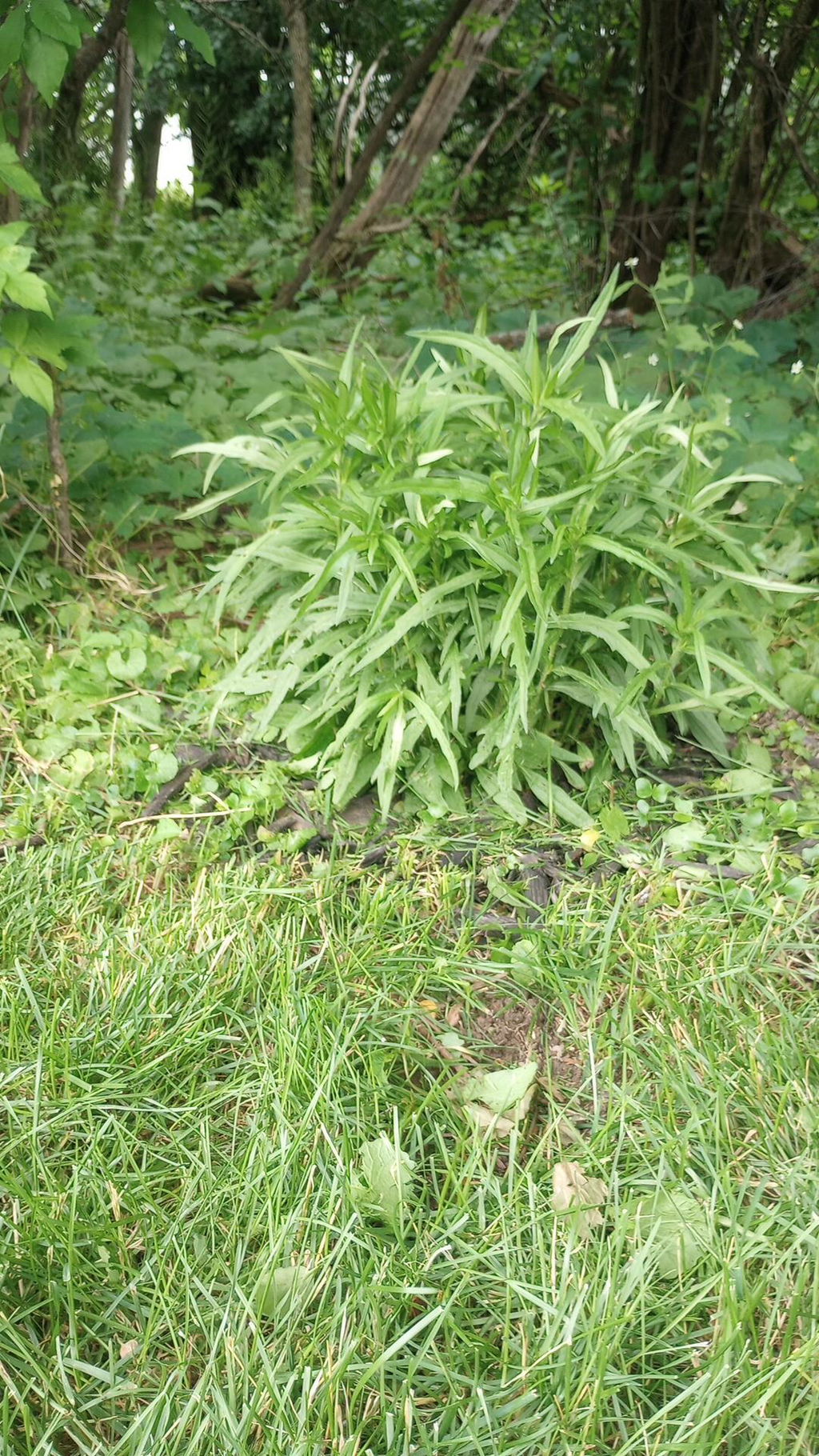
Scotty, it's great to hear Little Suzy arrived in solid shape and ready to go in the ground. Black-eyed Susans tend to hit their stride fast once planted, so you should see some good growth before long. We appreciate the continued trust, and we look forward to your next order.
Doing well.Perfect fit.
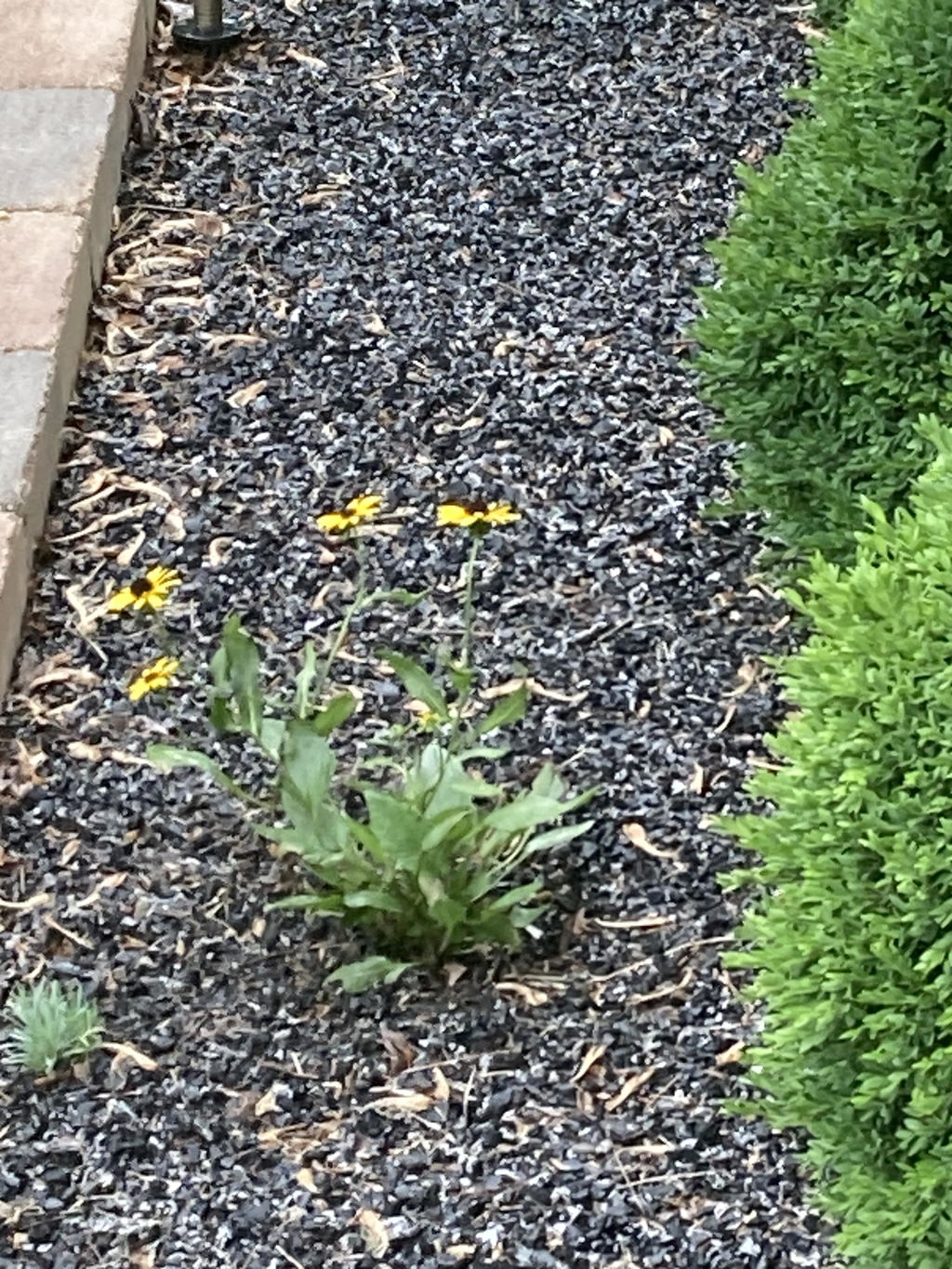
Compact plants that actually fit the space you have in mind make such a difference. Little Suzy is a great choice when you want all the charm of a classic Black-Eyed Susan without the spread. Thanks for the update, Andrea, glad it is settling in well.
Healthy plants delivered
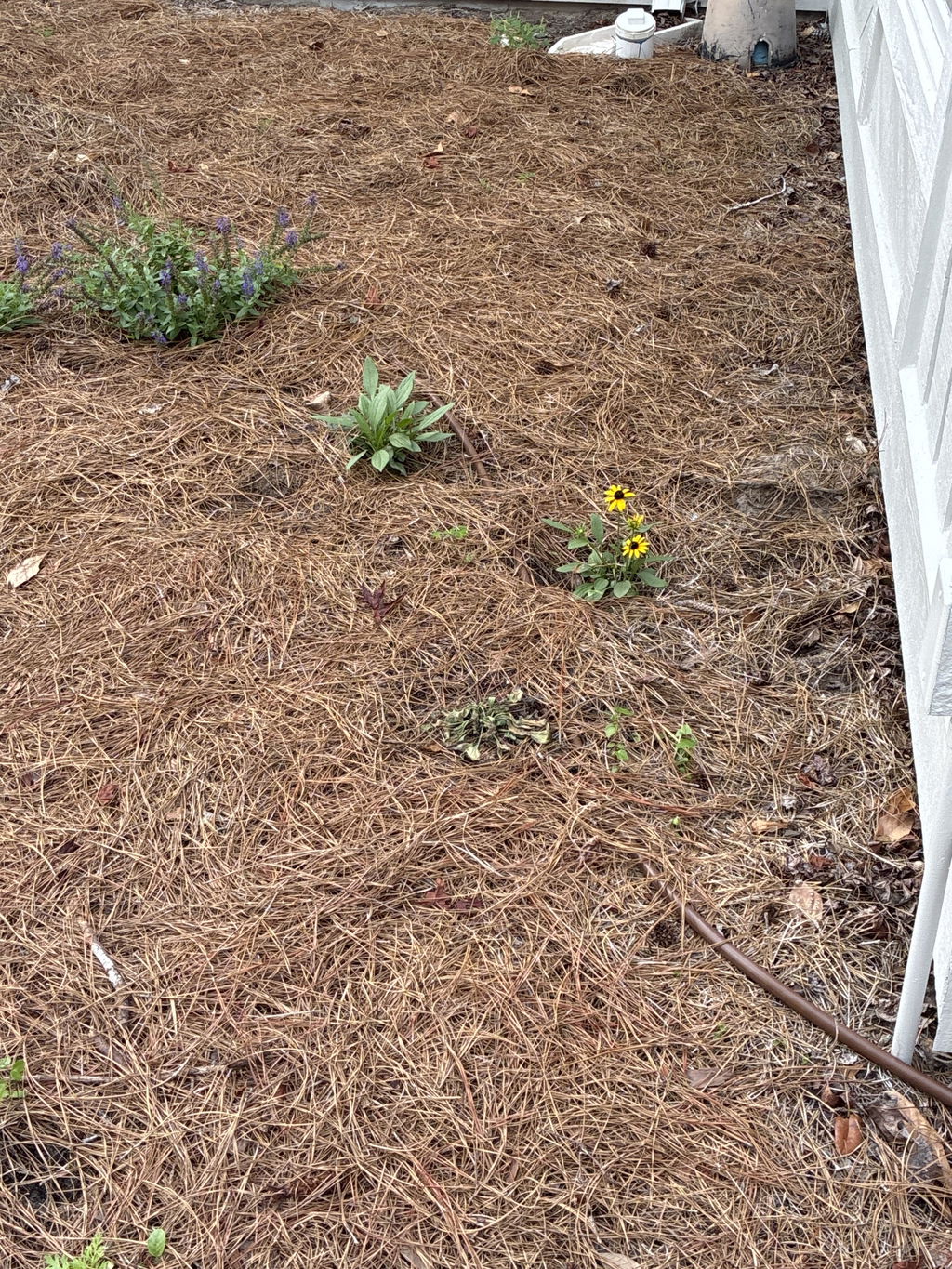
Healthy plants right out of the box is exactly what you want when ordering online, so it's great to hear Little Suzy arrived in good shape. She's a compact grower that tends to really hit her stride in the second season, so look forward to a nice show of those classic golden blooms. Thanks for the feedback, Carola.
Looking good! This one is getting established happily, and I look forward to seeing it grow next year.
Little Goldstar is a tough one once it gets its roots in, and it sounds like yours is off to a great start. Black-eyed Susans really do put on a show once they settle in, so next season should be rewarding. Thanks for sharing the update!
Limp when it arrived but perked up in a few days
Shipping stress is pretty common with Black-Eyed Susans, so it's great to hear she bounced back quickly. Once Little Suzy gets settled in the ground, she tends to be a tough, reliable bloomer. Thanks for giving her a chance to recover, Cheryl.
Both plants were packaged well and look great
Hearing that the plants arrived in good shape is always a good sign, Beth. Little Suzy Black-Eyed Susans tend to settle in quickly once they hit the ground, so you should see them take off before long. Thanks for sharing your experience!
By far, the plants are the healthiest I have ever received from an on-line company. Will definitely buy again.
Healthy plants right out of the box is exactly what we aim for, so it's good to know these Little Goldstar Black-Eyed Susans arrived in great shape. They're tough, cheerful plants once established, and they tend to reward you with even more blooms as they settle in over the seasons. We look forward to your next order, Kathleen.
Two plants are dead I called left a voicemail and sent an email on 6/4/2026 no reply
A bit small and wilted, doing alittle better after planting
Plant arrived healthy. Growing well in the garden
Little Suzy is a great compact grower, and it sounds like yours is settling in nicely. Thanks for the update, Carola. Once it gets established, expect those cheerful yellow blooms to really put on a show each summer.
Beautiful healthy plant
Hi Janell! Thank you so much for your kind words about our Little Suzy Black-Eyed Susan. We strive to ensure our plants arrive beautiful and healthy to your doorstep! Happy Planting - Nature Hills Customer Support
One of my friends recommended the Viette's Little Suzy when I complained of some of my daisys getting to tall. This plant is great as it stays short and blooms a bunch.
Dear Honk Honk,
Thank you so much for sharing your wonderful experience with Viettes Little Suzy Black-Eyed Susan! We're thrilled to hear that it has been a perfect fit for your garden, especially since you needed a shorter variety to add vibrant color without growing too tall. Your friend's recommendation was spot on!
If you ever want to extend the blooming season or promote more blossoms, lightly deadheading the spent flowers can encourage the plant to keep blooming robustly. Also, making sure it gets plenty of sunlight and well-drained soil will help maintain its happy, compact growth.
We appreciate your thoughtful review and hope Viettes Little Suzy continues to bring beauty and joy to your garden for seasons to come!
Rooting for your garden’s success,
Your Nature Hills Plant Care Team
One of my friends recommended the Viette's Little Suzy when I complained of some of my daisys getting to tall. This plant is great as it stays short and blooms a bunch.
Dear Honk H.,
Thank you so much for sharing your experience with Viettes Little Suzy Black-Eyed Susan! We're delighted to hear that this variety is meeting your needs—especially since it stays nicely compact and provides plenty of joyful blooms. It’s great that your friend’s recommendation helped you solve the issue of overly tall daisies in your garden.
If you ever want to enhance the health and blooming of your Black-Eyed Susan, make sure it receives full sun and the soil is well-drained. Deadheading spent blooms can also encourage longer blooming periods. You might find our detailed care guide on the NatureHills.com website helpful, which offers tips tailored to Black-Eyed Susans and other similar perennials.
Thanks again for your thoughtful review, and happy gardening!
Bloom on,
The Nature Hills Plant Knowledge Team
