


Quaking Aspen Tree
Populus tremuloides 'Quaking'


Plant Sentry™ Protected
Your order is protected by our compliance system that:
- Prevents restricted plants from shipping to your state
- Ensures plants meet your state's agricultural requirements
- Protects gardens from invasive pests and diseases
Specifications
| Hardiness Zone | 1a to 6b |
|---|---|
| Sunlight | Full sun |
| Height | |
| Width | |
| Growth Rate | Fast |
| Watering Needs | Moderate |
| Preferred Soil | Chalky, Clay, Loamy, Sandy |
| Blooms In | Spring |
| Plant Characteristics | Cold hardy, Native, Fast-growing, Fall Color/Interest |
| Botanical Name | |
| Does Not Ship To | AK, HI, ID, MT, PR, VI |
Description
Gorgeous Quaking Aspen Tree | Nature Hills
Bring the wild beauty of the mountains home with the Quaking Aspen Tree (Populus tremuloides) - a fast-growing, cold-hardy native with iconic white bark and fluttering heart-shaped leaves. This long-lived, pyramidal tree captures attention with its soothing motion and musical rustle, creating a living soundscape right in your meditation garden.
Often called America’s most widely distributed tree, Quaking Aspen (also known as Trembling Aspen) dances in the lightest breeze, its glossy green leaves shimmering like coins in sunlight. Come autumn, its foliage turns a brilliant, glowing yellow - sometimes edged with orange or red - turning your landscape into a breathtaking fall scene. With its smooth chalky-white bark and historical medicinal uses, Aspen is a tree of beauty, resilience, and legend!
Native to most of North America, this beloved pioneer species naturally colonizes open meadows and high elevations, supporting wildlife while adding drama, movement, and sound to your landscape design. There’s simply no substitute for the whispering grace of an Aspen grove!
Key Features
- Fast-growing native tree with heart-shaped leaves
- Distinctive white bark and pyramidal form
- Brilliant yellow-gold fall color
- Adds sound, motion, and texture to landscapes
- Cold hardy from USDA Zones 1-6
- Supports deer, elk, grouse, and butterflies
- Historically valued for medicinal and practical uses
- Forms natural groves through root suckers
Landscaping Uses
Perfect for natural landscapes, wildlife gardens, and serene backyard retreats, the Quaking Aspen Tree grows about 40-50 feet tall and 20-30 feet wide. Its soothing rustle and bright bark make it ideal for creating movement, light, and refreshing shade in the landscape. Learn more about using shade trees to cool your world.
- Use as a specimen plant or in naturalized groves
- Plant in clusters to form privacy screens or windbreaks and outdoor rooms
- Accent near water features or mountain-inspired landscapes
- Ideal for cabin, lakefront, or mountain-style designs
- Pair with Northern Red Oak or Deodar Cedar for a stunning mix of texture and color
Care & Maintenance
USDA Growing Zones: 2-6. This hardy, deciduous tree thrives in both cold climates and higher elevations. Learn the right way to water to keep your Aspen healthy and strong. Quaking Aspens are adaptable but prefer cool, moist, well-drained soils and full sun exposure.
- Planting Time: Spring or fall for best root establishment
- Sun Requirements: Full sun for best growth and color
- Soil Requirements: Adaptable to various soils; prefers moist, rich, well-drained soil but tolerates sandy or rocky conditions
- Moisture Needs: Moderate moisture; use the Finger Test to check soil dampness. Young trees need consistent watering their first year
- Mulch: Apply a 3–4 inch mulch layer to conserve moisture and regulate soil temperature
- Fertilization: Use compost or a balanced slow-release tree fertilizer in early spring
- Pruning: Prune in late winter to remove dead or damaged wood; suckers can be mowed or trimmed as needed (learn about pruning suckers)
- Special Perks: Cold-hardy, wildlife-friendly, pollution-tolerant, fast-growing, and low maintenance
Don’t forget to order your Nature Hills Root Booster for long-lasting root health and mycorrhizal support.
Let Your Landscape Quake With Beauty
Add life, sound, and motion to your garden with the timeless Quaking Aspen Tree. From its iconic white bark to its golden fall glow, it’s a true four-season treasure. Create your own peaceful Aspen grove and watch Ma Nature perform her magic daily. Order your Quaking Aspen Tree today from Nature Hills and let the whisper of its leaves bring tranquility to your yard for decades to come!
Planting & Care
Delivery and Shipping
Shipping Rates
Ships in 3-5 business days • Tracking provided • Weather protected
| Under $50 | $9.99 |
| $50 - $99.99 | $14.99 |
| $100 - $149.99 | $16.99 |
| $150 - $198.99 | $24.99 |
| $199+ | FREE |
✓ Zone-specific timing • ✓ Professional packaging • ✓ Health guarantee
Find on Page
Type to search specs, description, care, FAQ, and shipping.

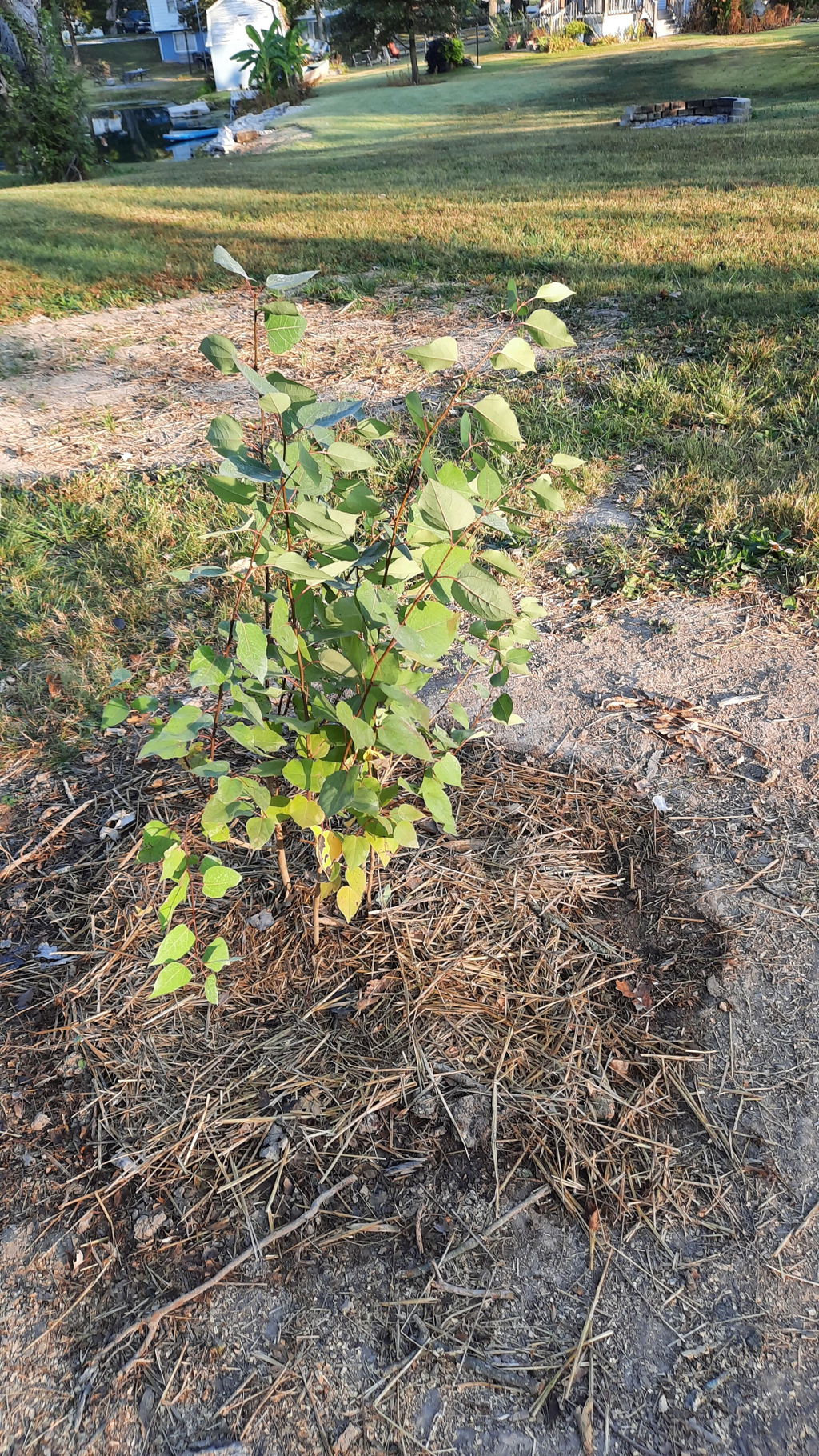
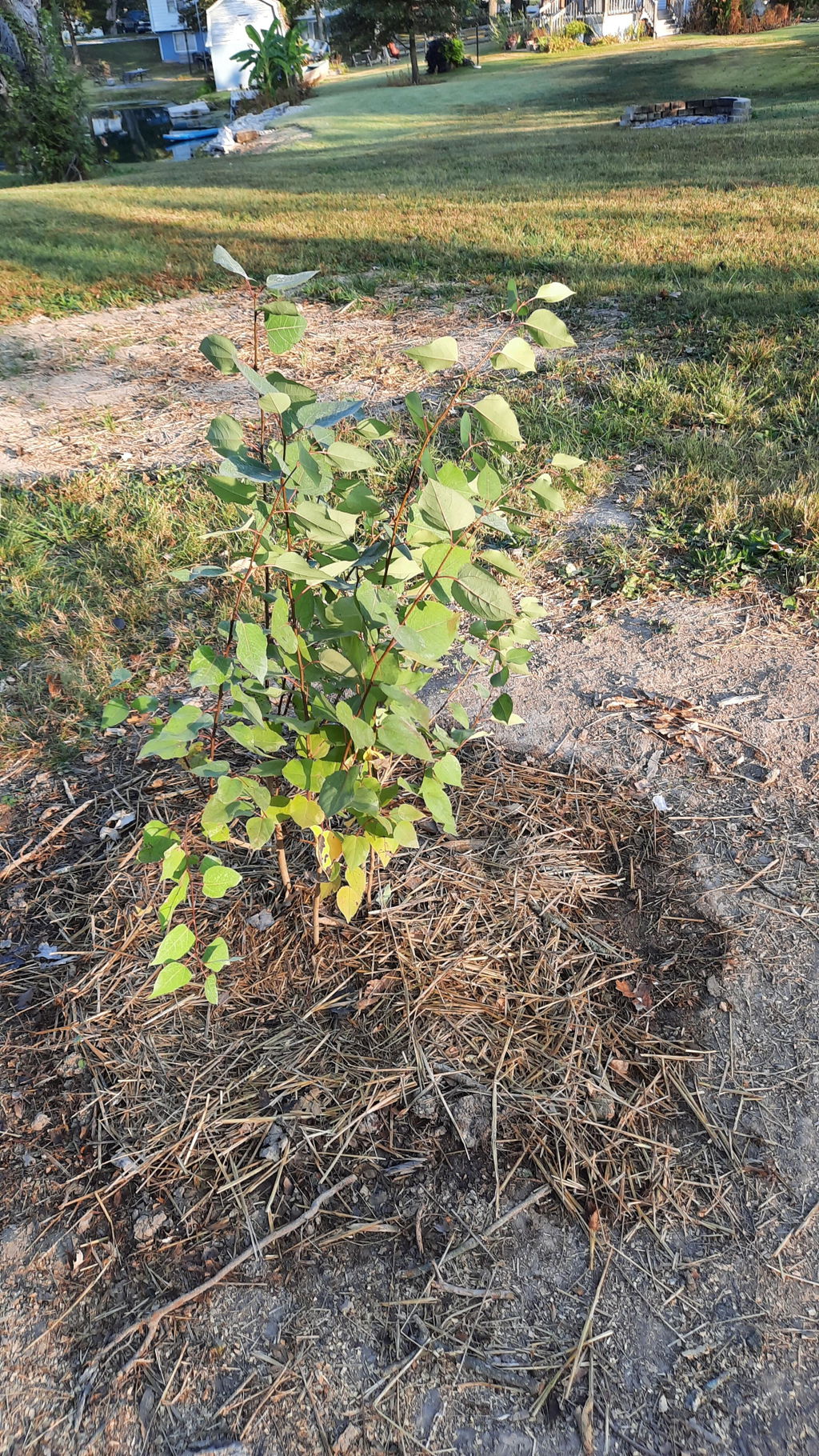
I was a little concerned about the white something on the leaves when they arrived, mold? I got my 2 groups planted. Can'twait for spring and I get to order some more
Hi Tere,
Thank you for your review on our Quaking Aspen Tree! We are glad to hear that you have planted your trees and we can't wait for you to see them in full bloom in the spring. If you ever have any questions, please email us at support@naturehills.com. Thank you for your support and happy gardening - Nature Hills Customer Support
Beautiful tree healthy bought as a mortal gift and they are thrilled.
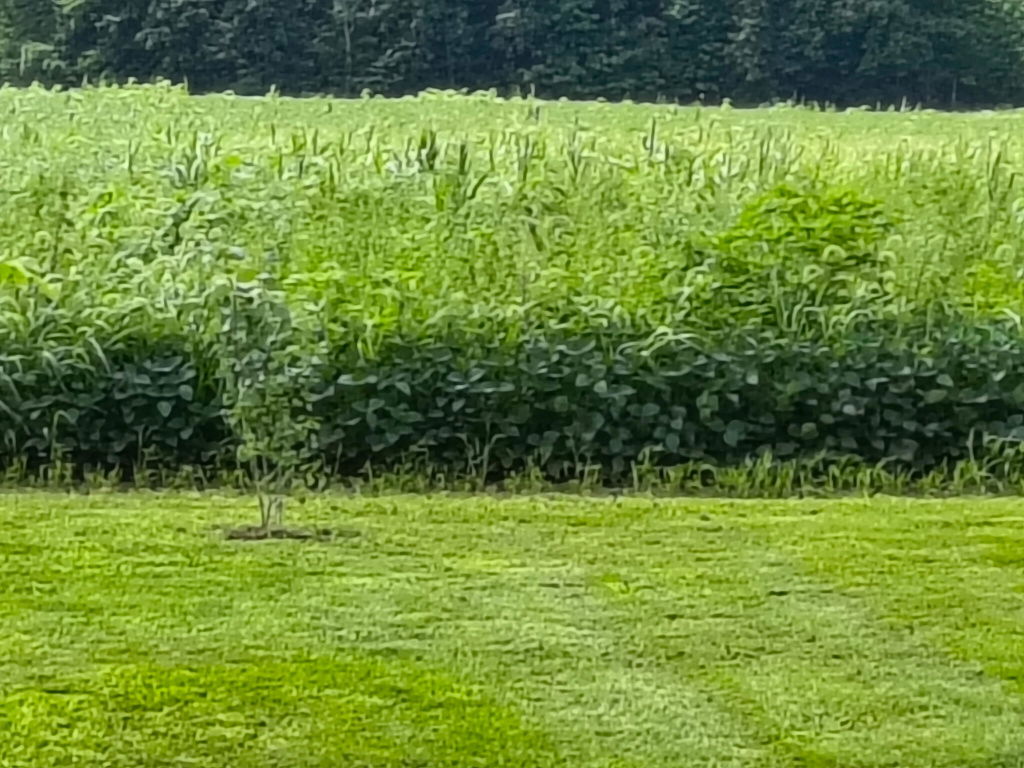
Hi Sheila, Thank you for the review, we appreciate it and you! We love seeing photos of our trees planted, thank you for sharing and thinking of us to provide this tree to your loved ones. Thanks again - Nature Hills Customer Support
I ordered a quaking Aspen and received it in excellent condition due to Nature Hill securing it well in the cardboard shipping box! I planted the tree on the same day that I received it but opted to wait until the evening when the temperature was cooler. Then, I gave the tree a little water and mulch. I am so happy because the tree has some new growth and is thriving well! Thank You , Nature Hill, for your excellent Planting Guide so my tree got a good start!
Hi Mary! We're thrilled to hear that your quaking Aspen tree arrived in excellent condition and that our planting guide was helpful in giving it a good start. We hope it continues to thrive in its new home. Thank you for choosing Nature Hill!
I bought this tree in 2020, after talking with customer service. We discussed that my area is out of the Aspens comfort zones 2-6 (I am zone 7 ). However, I am also at elevation of 2,000 feet above sea level, so the Aspen MAY survive ok. Well, here are photos of her 2 years old. Seems to be doing well! I did keep fencing around the tree for those years as we have many deer, rabbits. I do question if I should prune off smaller branches that grow about 1-2 ft from ground- should this be done this winter?
Dear Michelle,
Thank you so much for sharing your Aspen tree journey with us! It’s wonderful to hear that despite the zone challenge, your tree is thriving beautifully two years in the elevated North Georgia mountains—that’s a real testament to your care and the protection you’ve provided against deer and rabbits.
Regarding your question about pruning those lower branches: yes, it is generally a good idea to prune toward late winter before the new growth cycle begins. Removing the smaller branches 1-2 feet from the ground can help reduce the risk of disease and encourage a stronger, more upright structure for your Aspen. Just be sure to use clean, sharp tools and avoid cutting too far into the older wood.
If you’d like, we can also send you some detailed guides on Aspen care and winter pruning tips. Feel free to reach back anytime—supporting your growing success is what we love to do!
Wishing you happy planting,
The Nature Hills Plant Experts
Love my new quacking aspen tree. I planted it as soon as it arrived fed it root stimulator and water it on a regular schedule. The tree has new shoots and seems to be doing well.
Dear Bill P.,
Thank you so much for sharing your wonderful experience with your new quaking aspen tree! We’re thrilled to hear that it arrived safely and that you’re already seeing new growth thanks to your careful care with root stimulator and regular watering. Your attentive planting and care clearly show!
Aspens are such beautiful, vibrant trees, and with your ongoing nurturing, we’re confident yours will continue to thrive and bring joy to your landscape for years to come. If you ever have any questions about seasonal care tips, soil conditions, or pest prevention, please don’t hesitate to reach out. We’re here to support your journey for healthy, happy trees.
Keep up the great work, Bill—your tree is lucky to have such a dedicated gardener guiding it along!
Bloom on,
The Nature Hills Plant Knowledge Team
Look nice
Hello Jamie,
Thank you so much for sharing your feedback about the aspens! We're delighted they look nice and hope they bring a beautiful touch to your landscape. If you ever have any questions about caring for your aspens or need tips to keep them healthy and thriving, please don't hesitate to reach out. We’re here to support you every step of the way.
Growing with you,
Nature Hills Nursery – Your Trusted Plant Specialists
Look nice
Dear Jamie,
Thank you so much for taking the time to share your feedback! We're delighted to hear that your Aspens look nice – they truly are beautiful trees that bring a wonderful touch of nature to any landscape. If you ever have any questions about caring for them or want tips on helping them thrive through the seasons, don’t hesitate to reach out. We're always here to support your gardening journey!
Rooting for your garden’s success,
Your Nature Hills Plant Care Team
Can t wait to see the Fall color. Hopes it likes new Tennessee home
Hi Vanessa,
Thank you so much for sharing your excitement with us! Tennessee’s beautiful Fall colors are truly something to look forward to, and we’re delighted that your new home will soon be graced with such vibrant beauty. To help your plants thrive and showcase stunning foliage in the cooler months, be sure to check soil moisture regularly and give them a bit of extra mulching support as fall approaches. If you’d like, we’re here to recommend plants especially suited to Tennessee’s climate for even more dazzling autumn colors.
Feel free to reach out anytime—we love helping your garden flourish in its new Colorado home!
Wishing you happy planting,
The Nature Hills Plant Experts
Can t wait to see the Fall color. Hopes it likes new Tennessee home
Hi Vanessa,
Thank you so much for sharing your excitement about the Fall colors at your new Tennessee home! Tennessee’s climate can really bring vibrant and stunning hues in the autumn—your new landscaping is sure to be a beautiful display. To help your plants thrive and heat with seasonal changes, be sure to keep an eye on watering needs as temperatures shift, and fall fertilizing can make a big difference in color development. If you’d like, we’d be happy to recommend plant care tips specific to Tennessee or any plant varieties you’ve selected.
Wishing you happy planting,
The Nature Hills Plant Experts
Growing vigorously a month after transplant. Very nice. Enormous leaves as big as my hand.
Hello Joe,
Thank you so much for sharing your wonderful update about your plant’s growth! We’re delighted to hear that it is thriving and producing those impressive, hand-sized leaves just a month after transplanting. It's always rewarding to see healthy, vigorous plants taking hold so well. If you have any questions about ongoing care or want tips to keep your plant flourishing, don’t hesitate to reach out—we’re here to help!
Wishing you happy planting,
The Nature Hills Plant Experts
Growing vigorously a month after transplant. Very nice. Enormous leaves as big as my hand.
Hello Joe,
Thank you so much for sharing your wonderful update! It’s fantastic to hear that your plant is growing vigorously and thriving so well after just a month. Those large leaves must be quite an impressive sight! Your attentive care is clearly paying off.
If you have any questions about ongoing maintenance or would like tips on ensuring continued robust growth, feel free to reach out. We’re always here to help you nurture your plants every step of the way.
Wishing you happy planting,
The Nature Hills Plant Experts
Really healthy multi-trunk aspen! It was from a nursery in Wisconsin and was packaged extremely well. Very satisfied with the tree!
Hello Colby,
Thank you so much for taking the time to share your wonderful feedback! We're delighted to hear that your multi-trunk aspen arrived healthy and well-packaged from our Wisconsin nursery. We take great care in preparing each order to ensure every tree reaches you in the best possible condition. If you ever need tips on caring for your aspen or selecting the perfect spot in your landscape, please don’t hesitate to reach out—we’re always here to help.
Wishing you happy planting,
The Nature Hills Plant Experts
Good value
Dear Lawrence,
Thank you so much for taking the time to share your feedback! We're delighted to hear that you found our offerings to be a good value. If you ever have questions about planting tips, care instructions, or need help choosing what to grow next, please don’t hesitate to reach out—we’re here to support your gardening journey every step of the way.
Wishing you happy planting,
The Nature Hills Plant Experts
Good value
Dear Lawrence K.,
Thank you so much for your thoughtful feedback! We're delighted to hear that you found great value with your purchase. If you ever have questions about planting, care tips, or want recommendations for your next green addition, please don’t hesitate to reach out—we’re here to support your gardening journey every step of the way.
Wishing you happy planting,
The Nature Hills Plant Experts
Really healthy multi-trunk aspen! It was from a nursery in Wisconsin and was packaged extremely well. Very satisfied with the tree!
Dear Colby C.,
Thank you so much for sharing your wonderful experience! We're delighted to hear that your multi-trunk aspen arrived healthy and well-packaged, especially knowing it came all the way from Wisconsin. It’s great to know our efforts to ensure quality and safe delivery are hitting the mark. If you ever need tips on care or acclimating your new tree to its spot, feel free to reach out — we’re here to help it thrive for years to come.
Rooting for your garden’s success,
Your Nature Hills Plant Care Team
I ordered three quaking aspens and I was very surprised that they all came in one long box. The box was intact and looked like it had been handled very carefully. I pictured the trees would be a little more full or bloomed, not just a box of sticks basically. Perhaps I’m just a little uneducated when it comes to trees, but I was really excited to get some landscaping in my yard. My trees look kind of sad and lonely at the moment. I know good things take time so I’ll try to be patient, but I suppose I wanted a quicker result.
Hi,
Thank you so much for sharing your thoughts with us. We truly appreciate your honesty and understand how excited you were to see fuller quaking aspens right away. It’s completely natural to hope for quick, lush results when planting—it sounds like you had a beautiful vision for your yard!
Quaking aspens, like many deciduous trees shipped bare-root or dormant, often arrive looking more like sticks because they’re carefully shipped to protect their roots and ensure healthy growth when planted. Though they may seem “lonely” now, this state is actually ideal for acclimation. With proper planting and care, those little sticks will soon enthusiastically burst to life with leaves and new growth as the season progresses.
To support your new trees as they settle in, make sure to plant them in well-drained soil, water regularly (especially in the first growing season), and give them a quiet space to establish their roots. If you’d like, we can also send along some easy-to-follow care guides or advice tailored to quaking aspens that could help boost your confidence and enjoyment during this early phase.
We appreciate your trust in Nature Hills to help you bring beauty to your landscape, and we’re here to assist you every step of the way. Thank you again for sharing your experience and enthusiasm—your new aspens are on their way to becoming a stunning part of your yard!
Bloom on,
The Nature Hills Plant Knowledge Team
I ordered three quaking aspens and I was very surprised that they all came in one long box. The box was intact and looked like it had been handled very carefully. I pictured the trees would be a little more full or bloomed, not just a box of sticks basically. Perhaps I’m just a little uneducated when it comes to trees, but I was really excited to get some landscaping in my yard. My trees look kind of sad and lonely at the moment. I know good things take time so I’ll try to be patient, but I suppose I wanted a quicker result.
Hi,
Thank you so much for sharing your honest feedback with us. We truly understand your surprise and initial disappointment—receiving your quaking aspens as bare-root trees often looks a bit surprising at first since they’re shipped dormant for safe travel and to ensure their roots stay healthy.
Planting bare-root trees is actually a great way to establish strong, lasting growth even if they seem little 'sticks' at delivery. Give them time to awaken and sprout branches as the seasons progress—you’ll soon see fuller foliage and that beautiful quaking motion aspens are known for. Meanwhile, we’re happy to provide resources on properly planting and caring for your aspens to help them thrive quickly; you can find a helpful guide here: [Insert Planting Guide Link].
If you’d like additional tips tailored to your specific location or have any questions during this transition period, please don’t hesitate to reach out. We’re here to support you every step of the way—your landscaping dreams are worth the wait!
To greener days ahead,
Nature Hills Customer Care & Plant Support
Ordered three quaking aspen trees. They arrived very well packaged and had just started to bud. Couldn’t plant them immediately so I kept them in the garage for five days. Once planted they looked great. Now just waiting for them to grow. I’m very happy with the trees and the service.
Hi,
Thank you so much for taking the time to share your experience with your quaking aspen trees! We’re delighted to hear they arrived safely and that their buds were just beginning—such an exciting stage. Storing them in the garage for a few days before planting is perfectly understandable, and it sounds like your trees have settled in well. With the right care and patience, those aspens will surely thrive and add beautiful movement and color to your space.
If you ever seek tips on how to nurture them through seasonal changes or any other tree care questions, please don’t hesitate to reach out. We’re here to help you every step of the way!
Wishing you happy planting,
The Nature Hills Plant Experts
Ordered three quaking aspen trees. They arrived very well packaged and had just started to bud. Couldn’t plant them immediately so I kept them in the garage for five days. Once planted they looked great. Now just waiting for them to grow. I’m very happy with the trees and the service.
Hi,
Thank you so much for taking the time to share your experience with your quaking aspen trees! We're delighted to hear that they arrived well packaged and were already budding when they reached you. It’s great that you were able to keep them safely in your garage before planting, and that they looked great once in the ground. Patience is definitely key with aspens, so we’ll be rooting for the new growth in your garden!
If you have any questions down the road about care tips or helping your trees thrive, please don’t hesitate to reach out. We’re always here to support your planting journey.
Wishing you happy planting,
The Nature Hills Plant Experts
Planted as per directions and it is doing well despite me and the fact it snowed two days after I planted it!
Hi,
Thank you so much for sharing your experience with us! It’s wonderful to hear that your plant is doing well, especially with the Michigan snow making a cameo appearance right after you planted it. Frost or snow can be surprising for new plantings, but it sounds like you followed the directions beautifully, giving your plant a strong start despite the weather challenge.
If you’d like, we’re always here to help with tips on protecting plants from unexpected cold or how to best nurture your garden through early season fluctuations. Feel free to reach out anytime for advice or resources—it’s our joy to support your gardening journey every step of the way.
Bloom on,
The Nature Hills Plant Knowledge Team
Planted as per directions and it is doing well despite me and the fact it snowed two days after I planted it!
Dear Jeri,
Thank you so much for sharing your update with us! We’re delighted to hear that your planting is thriving, even with a snowy surprise shortly after. It’s fantastic that you followed the directions carefully—that definitely helps plants adapt to unexpected weather conditions.
If the cold spell continues, be sure to keep an eye on the soil moisture since sometimes winter-weather watering changes, and consider a light mulch layer to protect roots from freezing. Feel free to reach out anytime if you have questions or need advice on continuing care through the seasons.
Happy growing, and we’re cheering on your planting journey!
Wishing you happy planting,
The Nature Hills Plant Experts
A drive in the mountains made we want a tree that looks this great in my yard. The quaking aspen is so visible in so many ways that I just had to have one. I received a great specimen from Nature Hills and soon I will have it growing in my yard.
Hi Dandy,
Thank you so much for sharing your experience with the Quaking Aspen Tree! We’re delighted to hear that its stunning mountain scenery inspired you to bring that beauty into your own yard. Quaking aspens are truly special with their shimmering leaves and distinctive bark, and we’re thrilled you received a healthy specimen from us.
As your new aspens begin to settle in, be sure to plant them in a spot with full sun to partial shade and well-drained soil. They enjoy consistent moisture during their first few summers, so watering regularly will help your tree thrive. Don’t hesitate to check out our lifestyle care guides for helpful tips on nurturing aspens as they grow.
We’re rooting for your yard to be filled with that mountain-side charm in no time!
Growing with you,
Nature Hills Nursery – Your Trusted Plant Specialists
