Closed for Thanksgiving Nov 26 to 29. Orders placed Nov 25 to 30 ship starting Tuesday, Dec 1.

Shop With Confidence: FREE Growing & Glowing Guarantee

Free Shipping on Orders $199+

Care guide

Boston Fern Care

Boston fern is a tropical fern with long, arching fronds, grown as a houseplant or as a summer porch plant in shade. It wants bright to medium indirect light, high humidity and soil that stays evenly moist. Here is where to put it, how to water and feed it and how to bring it through winter.

Zones 10 to 11

Nephrolepis Exaltata 'Compacta' Compact Boston Fern

Where to Plant

Indoors, give Boston fern bright to medium indirect light, such as an east-facing window, and keep it out of direct sun, which can burn the fronds. It grows well at about 60 to 70 degrees F during the day. It needs high humidity: a kitchen or bathroom suits it, as does a room humidifier or a tray of wet pebbles with the pot bottom out of the water.

Pot it in a well-drained, peat-based mix high in organic matter that still holds moisture. As with other indoor ferns, use a pot with a drainage hole only slightly larger than the root mass. Boston fern grows about 2 to 3 feet tall and wide, with arching fronds up to 4 feet long, though size varies by kind. It shows off best in a hanging basket or on a plant stand. The compact kind has fronds about 15 to 18 inches long.

Outdoors, Boston fern is winter hardy only in zones 10 and 11 and, by some ratings, zone 9. There, grow it in full or partial shade, since it burns in the sun. In warm climates it can show invasive tendencies, and its long runners root where they touch the ground to form new plants. Elsewhere, it makes a seasonal porch or patio plant in shade once all danger of frost is past.

Watering Requirements

Keep the soil evenly moist but not soggy, and never let it dry out completely, or many fronds will turn brown and die. Evenly moist means the soil never gets very dry, not that it stays wet. As with other indoor ferns, water thoroughly until water drains from the bottom, empty the saucer after a few minutes, and water again when the surface begins to feel dry. Use room-temperature or lukewarm water, since cold water can damage tropical roots.

Outdoors, keeping a pot evenly moist in hot weather can be a challenge, especially in a small container. In the hottest months it may need water every day, depending on the size of the pot. Water in the morning if you can. If the fern gets too dry, set the root ball in a bucket of water for an hour. Fronds that turn yellow can be a sign of too much water. In winter, water less, since the plant rests and overwatering then can lead to root rot.

Pruning Tips

Like other ferns, Boston fern grows from spores instead of seeds. Rows of dark brown to black dots on the undersides of the leaflets are its spores, a normal part of the plant, not insects or disease.

Cut old or brown fronds off at the soil; this also encourages new fronds. Shake a hanging fern now and then to clear loose leaflets and debris, and give the pot a quarter or half turn each week so every side gets the same light.

Divide or repot crowded plants every few years in spring. Cut the root ball straight down with a sharp knife into halves or quarters, keeping as many fronds as you can on each piece. Long, thin runners also root where they touch the soil and form new plants.

Fertilizer Needs

Feed lightly while the fern is actively growing, in late spring and summer, with a liquid houseplant fertilizer mixed at half strength every 4 to 6 weeks. A slow-release houseplant fertilizer at half strength also works.

Too much fertilizer scorches the fronds, browning and drying them from the tips back. Feed little or nothing in winter. As with most indoor ferns, wait six months before feeding a new or freshly repotted plant.

Through the year

Spring Care

Spring is the time to divide or repot a crowded fern. As days lengthen and sunlight gets stronger, keep indoor plants out of direct sun, which can burn the fronds.

Once all danger of frost is past, a potted Boston fern can move outdoors to a shady porch or patio. Late frosts can still come, so be ready to cover it. Start light feeding in late spring, once it is actively growing.

Summer Care

Keep the soil evenly moist; outdoor pots may need water every day in the hottest weather. Feed every 4 to 6 weeks at half strength. Keep outdoor ferns in shade, since they burn in the sun. Indoors, do not hang a fern close to the ceiling, where the hotter, drier air can brown the frond tips.

Watch for scale and mealybugs indoors and slugs outdoors. The easiest fix for scale is to cut off the affected fronds. Scale and spider mites are more of a problem when the air around the plant is too dry. Pesticide sprays injure many ferns, so try hand picking or a brisk spray of water first.

Fall Care

Bring outdoor ferns in before frost, when night temperatures drop toward 50 degrees F and no later than the low 40s. A few days before the move, water well and let the pot drain. On a warm day, hose the plant down, spraying under the fronds, to wash off insects and loose leaves, let it dry, then shake it to drop loose leaflets.

A hard cut is not needed unless indoor space is short; just trim stragglers into shape. Stop feeding once the fern comes indoors for winter.

Winter Care

Keep Boston fern over winter as a houseplant in moderate, indirect light, or in a cool basement, garage or shed that stays above 40 degrees F. For cool storage, you can cut the fronds back to about 3 inches. Either way the plant rests, so water only when the soil is dry and feed little or nothing.

A paler color and some leaflet drop are normal over winter. If many leaflets drop, move the fern to a cooler spot and set the pot on a tray of wet gravel. Dry winter air can brown the tips and edges of the leaflets, so a room humidifier helps.

Boston Fern varieties

Shop all Indoor Ferns
  • New arrival

    Nephrolepis Exaltata 'Compacta' Compact Boston Fern

    Nephrolepis exaltata 'Compacta'

    Regular price $2899
  • Back in stock

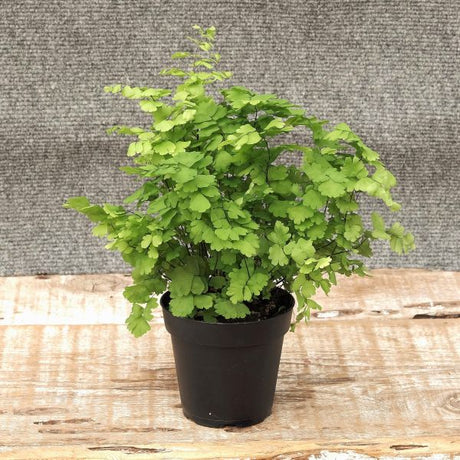
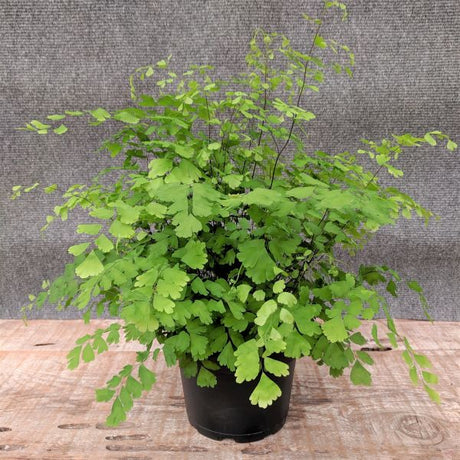
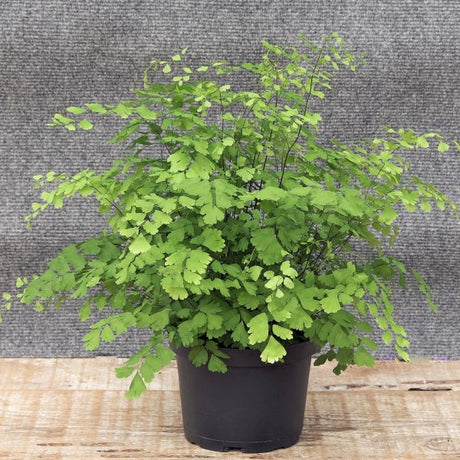
    Fragrans Maidenhair Fern (Adiantum raddianum 'Fragrans')

    Adiantum raddianum

    Regular price $4299