Shop With Confidence: FREE Growing & Glowing Guarantee

Free Shipping on Orders $199+

Care guide

False Aster Care

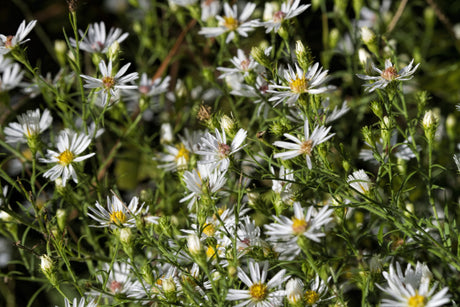
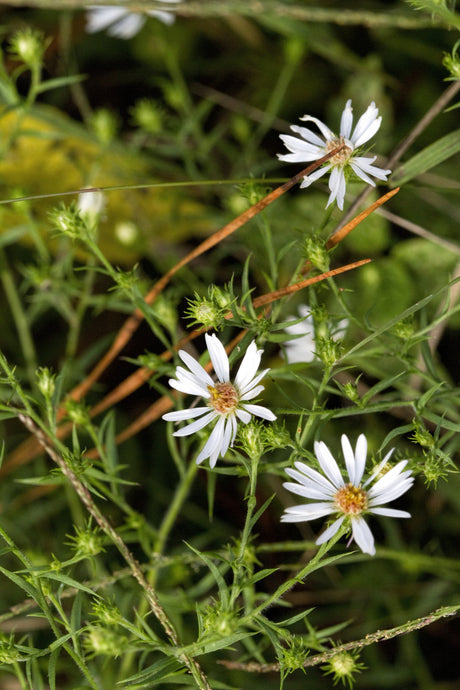
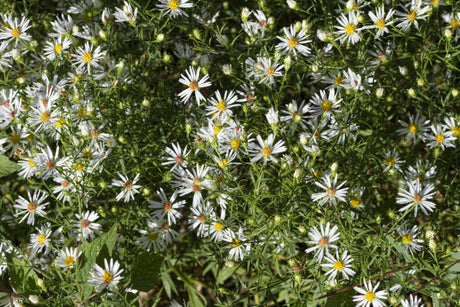
False aster is a native perennial with masses of small white daisies from late summer into fall. Here is where to plant it, how to cut it back by early summer for a shorter plant, when to divide it, and what to do with the stems in fall and winter.

Zones 4 to 9

Snowbank False Aster

Where to Plant

Plant false aster in full sun. It also grows in part shade, but stems grown in shade tend to flop and need support. Average, well-drained soil with medium moisture suits it best. It tolerates a wide range of soils, including clay and moderately dry soil, and handles occasional flooding. In the wild the species grows in wet meadows, marshes and along streams.

This compact white kind grows about 3 to 4 feet tall, while the wild species reaches 5 to 6 feet. It slowly spreads by creeping underground stems. Use it at the back of a border, in a cottage or cutting garden, or in a native plant garden.

Plant in spring. Perennials that bloom in late summer or fall may settle in with less interruption when planted in spring. Water the new plant well.

Watering Requirements

Water a new plant well at planting time. False aster grows best in soil with medium moisture that drains well.

It tolerates moderately dry soil, but plants in dry soil grow shorter and less vigorous, with less showy flowers. Water during dry spells for the best bloom. In very wet sites the stems tend to flop and may need staking.

Pruning Tips

To keep false aster shorter and reduce the need for support, cut the stems back before it flowers. Cut them back by about a third in late spring to early summer, or by half to two thirds in early summer, which controls height without delaying the flowers. A cut made in midsummer also limits height but delays the flowers.

This compact kind usually needs no staking. In part shade or rich, moist soil, give the stems support.

In fall, sturdy plants can be left standing over winter and cut back in early spring, before bees start flying. Cut floppy plants back to the ground. If a plant had powdery mildew, cut its stems to about 2 inches above the crown after frost and put the debris in the trash, not the compost.

Divide clumps in spring every 2 to 5 years to keep them vigorous and in bounds.

Fertilizer Needs

False aster grows well in average soil, so skip heavy feeding. Plants in rich, moist soil tend to flop and need support.

Fallen leaves raked around the plant as mulch break down and feed the soil naturally.

Through the year

Spring Care

In early spring, before bees start flying, cut back any old stems left standing over winter. Divide crowded clumps just before new growth starts. Plant new false aster once the ground can be worked, and water it well. From late spring to early summer, cut the stems back by about a third if you want a shorter plant.

Summer Care

Finish any cutting back by early summer, since a midsummer cut delays the flowers. Water during dry spells, because dry soil means shorter plants with less showy flowers. Flowers open from late summer. There are no serious insect pests, but watch for powdery mildew.

Fall Care

Flowers continue into early fall. Leave sturdy stems standing over winter, or cut floppy plants back to the ground. If a plant had powdery mildew, cut its stems to about 2 inches above the crown after frost and put the debris in the trash. After frost, spread about 1 inch of mulch around the plant, keeping it off the crown.

Winter Care

Stems left standing over winter help protect the crown and give shelter to pollinators and other wildlife. Keep mulch off the crown, since mulch piled on the crown can cause rot. Cut the old stems back in early spring, before bees start flying.

False Aster varieties

Shop all American Beauties®
  • Snowbank False Aster

    Boltonia asteroides var. latisquama 'Snowbank'

    Sale price $2438 Regular price $3251 25% off