


Poprocks® Petite Spirea
Spiraea japonica 'Odessa'


Plant Sentry™ Protected
Your order is protected by our compliance system that:
- Prevents restricted plants from shipping to your state
- Ensures plants meet your state's agricultural requirements
- Protects gardens from invasive pests and diseases
Specifications
| Plant Characteristics | Cold hardy, Low Maintenance, Compact/Dwarf, Flowering, Deer-resistant, Disease resistant, Attracts pollinators, Heat Tolerant, Drought resistant, Hedge/Screen, Container Friendly, Non-invasive |
|---|---|
| Hardiness Zone | 3a to 8b |
| Sunlight | Full sun |
| Height | |
| Width | |
| Watering Needs | Moderate |
| Preferred Soil | Chalky, Clay, Loamy, Peaty |
| Growth Rate | Moderate |
| Growth Habit | Bushy, Upright |
| Blooms In | Spring, Summer |
| Flower Color | Pink |
| Foliage Color | Green |
| Fragrant | Yes |
| Suitable Space | Outdoors |
| Botanical Name | |
| Species | |
| Cultivar | |
| Class | Magnoliopsida |
| Does Not Ship To | AK, HI, ID, MT, PR |
Description
A burst of refreshing effervescence for your garden! The Poprocks® Spirea (Spiraea japonica 'Odessa') is a bright and colorful shrub with a naturally compact and round form and amazing cold tolerance! Hot pinkish-purple blooms with a soda-pop spray of stamen give the flowers a fizzy appearance!
Staying as an easy to manage 2-3 feet in height and width, these round shrubs and neat and tidy, requiring little maintenance to keep them that way! The mounds are densely packed with dark green leaves, each with delicate toothy edges. The foliage becomes the perfect backdrop for the bubblegum pink flowers that form fizzy clusters at the tops of each of the many branches!
Poprocks® is not just eye-candy for you and your garden, but also for your many visiting butterflies and bees that will drop by for the refreshing nectar and pollen resources. The fruit punch-colored buds and flowers are just the icing on the cake for this easy-to-care-for shrub!
Planting and Application:
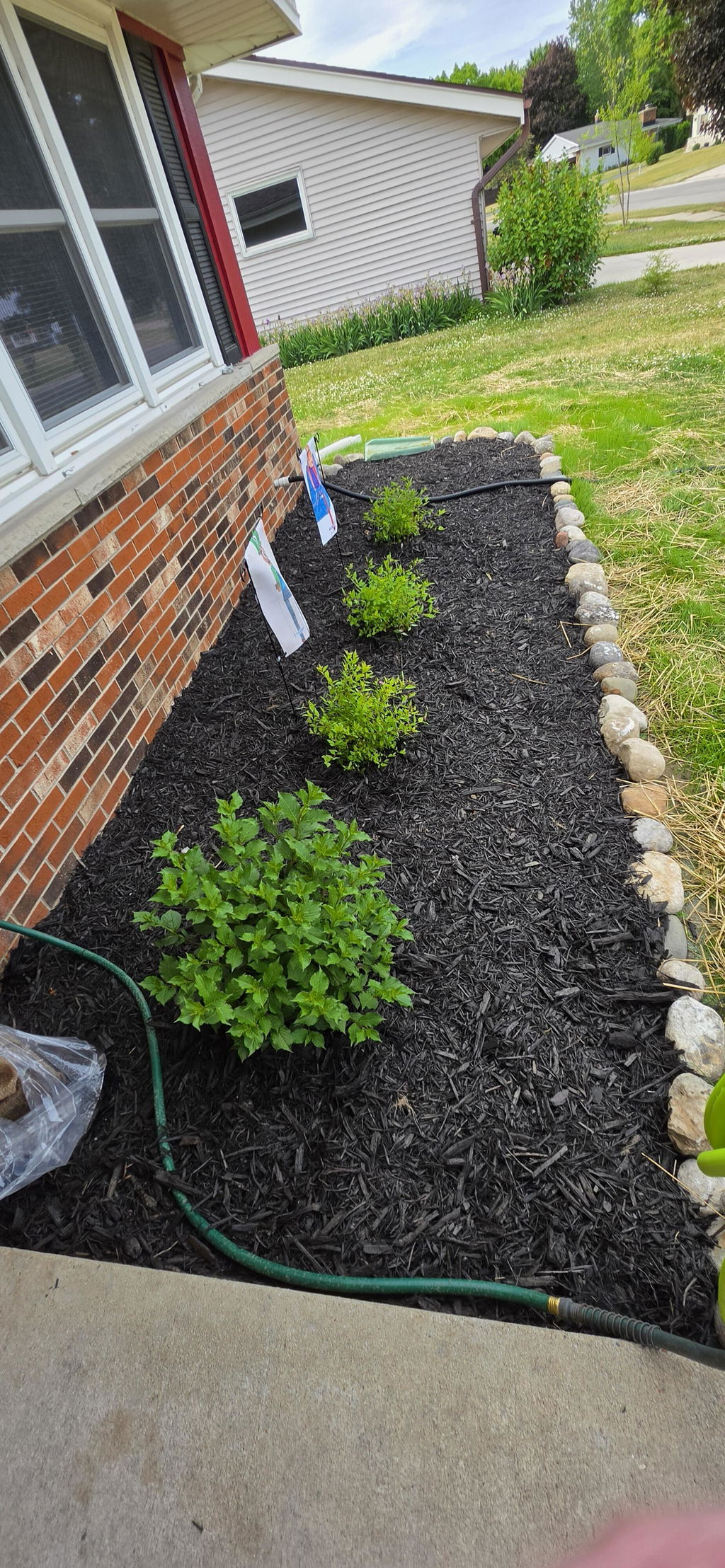
Poprocks® Spirea is an incredibly versatile and colorful shrub for use anywhere in the landscape! For a vivid pop of color, add a couple to your mixed-shrub borders, or elevate the color palette of a Cottage border! Pollinator gardens, rock gardens and even in large pots and planters anywhere you need a burst of juicy pink color!
Create low borders and rows along property lines and your foundation evergreens to boost curb appeal! Low borders along walkways or your driveway for a bright welcome home, or plant specimen plantings around mailboxes, highlight a fancy urn or sculpture, or around a flagpole or birdfeeder to make them stand out!
- Bright Lavender-Pink Fuzzy Bloom Clusters
- Deep Green Toothy Leaves
- Naturally Rounded Compact & Small
- Pollinator-Friendly
- Rows, Groupings, Container-Sized
#ProPlantTips for Care:
Spirea bushes love full sun, so provide at least 6 hours of direct sunlight a day. Easy care, low maintenance, they only need moderate annual fertilizer and average soil moisture. Provide a post-bloom shearing if desired to remove dead blooms and encourage a second flush of flowers.
- Full Sun - Minimum 6 Hours Direct Sunlight
- Moderately Moist Soil
- Prune Late Winter/Very Early Spring
- Cold Hardy
- Low Maintenance
Buy a Poprocks® Spirea for candy-colored blossoms and great, easy-care, compact form! Be sure to order enough of these hardy little shrubs at NatureHills.com to complete your next landscaping project!
Planting & Care
Delivery and Shipping
Shipping Rates
Ships in 3-5 business days • Tracking provided • Weather protected
| Under $50 | $9.99 |
| $50 - $99.99 | $14.99 |
| $100 - $149.99 | $16.99 |
| $150 - $198.99 | $24.99 |
| $199+ | FREE |
✓ Zone-specific timing • ✓ Professional packaging • ✓ Health guarantee
Find on Page
Type to search specs, description, care, FAQ, and shipping.
Other varieties
-

Double Play® Red Spiraea japonica 'SMNSJMFR' USPP 26,993
Regular price From $4312Unit price /Unavailable -

Spirea japonica DOUBLE PLAY Doozie 'NCSX2'
Regular price From $8258Unit price /Unavailable -

Glow Girl Spiraea betulifolia 'Tor Gold'
Regular price From $8258Unit price /Unavailable -

-

-

Double Play® Candy Corn® Spirea
Spiraea japonica 'NCSX1'
Regular price From $7293Unit price /Unavailable -

Double Play® Gold Spiraea japonica 'Yan' USPP 21,615
Regular price From $6706Unit price /Unavailable -

Spiraea x 'SMNSJSA' PP35,032
Regular price From $2649Unit price /Unavailable


Packed well, arrived healthy, wonderful foliage.
Goldmound Spirea ships so well when it is packaged carefully, and it sounds like yours made the trip in great shape. That foliage really is something in the growing season. Thanks for letting us know it arrived ready to go, Deborah. We hope it puts on a great show for you this year.
This plant grows like crazy. I have 2 in my flower bed. I pruned the branches to about6-8 inches last spring and theyve grown back as if I hadnt pruned! Bees love the compact flower clusters. Beautiful dark red fall color. The branches even change color with the seasons. Very easy to care for. Just plant and watch them grow,grow,grow! A must have for any beginning gardener.
Hello Gmamaroneck,
Thank you so much for sharing your wonderful experience with your Little Princess Spireas! We’re delighted to hear how vigorously they’ve grown and that our pruning tips helped them thrive so beautifully. It’s also fantastic that bees are loving the compact flower clusters—pollinator-friendly plants always add extra life to the garden. The rich fall colors and seasonal changes in branch color truly make these Spireas a joy year-round.
For continuing success, keep enjoying that minimal care approach; however, occasional pruning each spring helps maintain their shape and encourages new growth. Also, applying a balanced, slow-release fertilizer in early spring can give them an added boost for the growing season ahead.
Thank you once again for your thoughtful review. We’re so happy your garden has found such amazing companions in your Spirea plants—beginning gardeners and seasoned experts alike can truly appreciate their charm and ease of care!
Wishing you happy planting,
The Nature Hills Plant Experts
thumbs up
Hi Irie,
Thank you so much for your thumbs-up and kind words about the Little Princess Spirea! We're thrilled to hear you're enjoying your new plant. If you ever have any questions or need tips on care to keep your Spirea thriving—like ideal sunlight, watering schedules, or pruning advice—please don't hesitate to reach out. We're here to help you create a beautiful garden moment by moment.
Bloom on,
The Nature Hills Plant Knowledge Team
thumbs up
Hello irie,
Thank you so much for taking the time to share your thumbs up for the Little Princess Spirea! We’re thrilled to hear you’re happy with this charming plant—it truly is a delightful addition to any garden with its bright foliage and lovely blooms.
If you’re looking for tips to help your Spirea thrive, be sure to plant it in a sunny spot with well-drained soil, and regular watering especially during established growth will keep it vibrant. Feel free to reach out anytime if you want care advice or have questions about other plants to complement your garden.
Bloom on,
The Nature Hills Plant Knowledge Team
I have used this in every home since 1988 It is easier to contain than other plants when used near grass just mow it anywhere you don't want it - mowing frequently will kill it out you never need roundup on it. Removing spent foliage be fore the winter will kill it out so be careful or you will loose the plants you want.
This plant is extremely hardy. Water it, feed it, or don't it doesn't matter. I can prune it back after it flowers and it will quickly grow back and flower again. Last summer I did this 5 times. After it went dormant I cut it down to about 6 inches and it came back with gusto this year. It does set off new plants by growing from the wide spreading roots or from layered branches. These can carefully be cut from the mother plant and planted as a new plant. In reference to the above reported rogue spreading of the roots: This can easily be cured by cutting the roots (root pruning) at the end of September (in my area, Missouri) with a spade. Just make a vertical cut with the shovel around the drip zone of the bush. Step on the shovel straight down into the soil circling the plant. This will do two good things for you: Strengthen the root system by making it have more root fibers rather than a few long big ones, and obviously stop the plant from going where you don't want.
Hello Reflex,
Thank you so much for your thoughtful and thorough review of the Little Princess Spirea! We're delighted to hear how exceptionally hardy and resilient your plant has been, and it’s fantastic that it responds so well to pruning and even root pruning. Your detailed outline on managing spreading roots and promoting a healthy, vigorous root system is incredibly insightful and surely will help other gardeners maintain control while encouraging strong growth.
We truly appreciate you sharing your experience with layering and how easily new plants can be propagated from your Little Princess Spirea. It’s great advice, especially for gardeners looking to multiply their plants without purchasing additional specimens.
If you ever want to explore more pruning techniques or learn about ideal companion plants that thrive with spirea, feel free to check out our Plant Care Library on NatureHills.com or contact us for personalized tips.
Thanks again for being such a knowledgeable and engaged member of our gardening community—we’re rooting for you and your flourishing garden!
Rooting for your garden’s success,
Your Nature Hills Plant Care Team
This plant is extremely hardy. Water it, feed it, or don't it doesn't matter. I can prune it back after it flowers and it will quickly grow back and flower again. Last summer I did this 5 times. After it went dormant I cut it down to about 6 inches and it came back with gusto this year. It does set off new plants by growing from the wide spreading roots or from layered branches. These can carefully be cut from the mother plant and planted as a new plant. In reference to the above reported rogue spreading of the roots: This can easily be cured by cutting the roots (root pruning) at the end of September (in my area, Missouri) with a spade. Just make a vertical cut with the shovel around the drip zone of the bush. Step on the shovel straight down into the soil circling the plant. This will do two good things for you: Strengthen the root system by making it have more root fibers rather than a few long big ones, and obviously stop the plant from going where you don't want.
Hello reflex,
Thank you so much for sharing your detailed experience with the Little Princess Spirea! We're thrilled to hear how hardy and resilient your plant has been, as well as how well your pruning method encourages multiple bloom cycles throughout the season. Your tip about root pruning to control spreading while strengthening the root system is excellent and a great insight for other growers — especially for spotting amal locations with aggressive spreading habits.
If you’re ever interested, we also have guides on seasonal pruning and soil care, which might provide some additional ideas for keeping your spirea and other garden plants thriving. Please feel free to reach out anytime if you want more tips or plant recommendations tailored to your Missouri climate.
Rooting for your garden’s success,
Your Nature Hills Plant Care Team
I agree with the other reviewers that Princess Spirea is a hardy shrub that grows extremely well and almost anywhere. It's the 'almost anywhere' that has been a problem for me. It has been necessary for me to remove all the P.S. shrubs from the front of my house as P.S. has spread to inbetween the pavers in my driveway and the pavers alongside the side of my house, (about fifty feet away from the shrubs). They have woody stems and roots that are very long relative to the height of the plant. It is very difficult to remove them as the roots have grown underneath the pavers and my only choice, for the taller stems, is to remove the pavers, one by one, and then pull out the roots. They have also grown along the retaining wall and, sad to say, and against all of my refusal to use chemicals, I see no other way to destroy the P.S. in that area. So, think twice before planting P.S. anywhere near pavers. I have a three car driveway and it is a monumental task to hand weed. No landscaping company has wanted to attempt removal of the spirea. I only wish I had been instructed when I purchased the shrubs that they not be planted anywhere near pavers.
Dear mullajos,
Thank you so much for sharing your detailed experience with the Little Princess Spirea. We truly appreciate your thoughtful feedback and completely understand how challenging it must be to manage such persistent growth around your driveway pavers and retaining wall. Your insight about the spreading nature of Spirea, especially the woody roots causing root invasion well beyond the original planting area, is incredibly valuable for fellow gardeners to hear.
While the hardiness and versatility of Princess Spirea can be wonderful, your experience is a great reminder that some plants can become invasive or difficult to contain near sensitive structures. For future reference or other customers facing similar challenges, if spirea is planted near hardscaping, regularly pruning and root barrier installation can sometimes help limit spreading. We also recommend using root barriers that are designed to block lateral root growth and carefully monitoring the shrub spread throughout the growing season.
Given your current situation where chemical treatment seems the only feasible option, professional advice to spot treat roots—ensuring minimum impact on your landscape—might offer a reasonable balance, despite your understandable preference to avoid chemicals.
We’re sorry the challenges overshadowed your planting, and your comment to caution others planting near hardscape is a profoundly helpful note. If you would ever like guidance on alternative shrub choices suited for spaces near driveways or retaining walls that remain low spreading with easy maintenance, feel free to reach out!
Thanks again for sharing a very valuable perspective—your care for the beauty and moderation speaks volumes.
Wishing you happy planting,
The Nature Hills Plant Experts
I agree with the other reviewers that Princess Spirea is a hardy shrub that grows extremely well and almost anywhere. It's the 'almost anywhere' that has been a problem for me. It has been necessary for me to remove all the P.S. shrubs from the front of my house as P.S. has spread to inbetween the pavers in my driveway and the pavers alongside the side of my house, (about fifty feet away from the shrubs). They have woody stems and roots that are very long relative to the height of the plant. It is very difficult to remove them as the roots have grown underneath the pavers and my only choice, for the taller stems, is to remove the pavers, one by one, and then pull out the roots. They have also grown along the retaining wall and, sad to say, and against all of my refusal to use chemicals, I see no other way to destroy the P.S. in that area. So, think twice before planting P.S. anywhere near pavers. I have a three car driveway and it is a monumental task to hand weed. No landscaping company has wanted to attempt removal of the spirea. I only wish I had been instructed when I purchased the shrubs that they not be planted anywhere near pavers.
Dear Mullajos,
Thank you so much for sharing your honest and detailed experience with the Little Princess Spirea. We truly appreciate you taking the time to provide such valuable insights, as they help other gardeners make well-informed decisions!
It’s clear that the spirea’s tenacious growth caught you off guard, especially with its root system spreading beneath your pavers and along your retaining wall. We completely understand how challenging and discouraging this type of invasive growth can be — particularly since removal is so labor-intensive, and chemical options don’t feel like a comfortable choice.
For future planting, one helpful tip is to maintain at least a good three-foot buffer space between spireas and hardscape such as pavers or walls to prevent root invasion. Barriers or root membranes installed during planting can sometimes mitigate spreading as well. If cautious removal must be done again, carefully cutting the aerial stems and periodically cutting back new shoots can help exhaust the plant’s root energy over time. Also, regular follow-up weeding, even though a recursive task, minimizes large roots taking hold under paving.
We recognize that more specific guidance about site suitability and root habits should have been upfront at purchase, and your feedback will be passed along to improve product info for all our customers.
Please feel free to reach out if you’d like suggestions for alternative shrubs that offer beautiful, durable appeal with less invasive characteristics near landscaping features. We’re here to support you every step of your gardening journey.
Rooting for your garden’s success,
Your Nature Hills Plant Care Team
This plant grows great pretty much everywhere.I have nothing but good luck with this plant. They do great in the heat, and the sun, and every time they bloom, they are beautiful!
Hi Jessi,
Thank you so much for sharing your wonderful experience with the Little Princess Spirea! We're thrilled to hear that this resilient and charming shrub has thrived so well in your garden, and that its blooms continuously bring you joy. It’s always rewarding to know our plants do great in a variety of conditions, especially in heat and full sun, just as you described.
If you ever want to give your Spirea a little extra encouragement, we’ve found that a light prune immediately after flowering helps promote a healthy shape and more abundant blooms next season. Also, occasional watering during dry spells can keep it looking vibrant all summer long.
We appreciate you trusting us to provide such a dependable plant, and we're here if you have any questions or need tips on expanding your garden collection.
Bloom on,
The Nature Hills Plant Knowledge Team
This plant grows great pretty much everywhere.I have nothing but good luck with this plant. They do great in the heat, and the sun, and every time they bloom, they are beautiful!
Hi Jessi,
Thank you so much for sharing your wonderful experience with the Little Princess Spirea! We’re thrilled to hear that this hardy and beautiful plant thrives in your garden just as happily as it does in ours. Your success doing well with its heat and sun tolerance truly highlights what a fantastic choice this spirea is for many growing conditions.
If you ever want tips to keep those blooms looking spectacular or advice on companion plants that complement your Spirea, feel free to reach out. We love helping our gardeners cultivate gardens full of color and charm!
Rooting for your garden’s success,
Your Nature Hills Plant Care Team
This plant grows like crazy. I have 2 in my flower bed. I pruned the branches to about6-8 inches last spring and theyve grown back as if I hadnt pruned! Bees love the compact flower clusters. Beautiful dark red fall color. The branches even change color with the seasons. Very easy to care for. Just plant and watch them grow,grow,grow! A must have for any beginning gardener.
Hello gmamaroneck,
Thank you so much for sharing your wonderful experience with the Little Princess Spirea! We’re thrilled to hear how vigorously your plants have grown and that they continue to delight your garden with vibrant fall colors and lively flower clusters attracting bees. Your pruning success and ease of care insights are fantastic—this kind of feedback truly helps fellow gardeners feel confident about adding the Little Princess to their flower beds. If you’re ever interested, we have care guides on our website that offer tips on maintaining healthy spireas throughout each season. And keep enjoying those beautiful branch color changes—they really do add a unique touch all year long!
Wishing you happy planting,
The Nature Hills Plant Experts
