

Country Sweet Peach
Prunus persica 'Country Sweet'


Plant Sentry™ Protected
Your order is protected by our compliance system that:
- Prevents restricted plants from shipping to your state
- Ensures plants meet your state's agricultural requirements
- Protects gardens from invasive pests and diseases
Specifications
| Hardiness Zone | 5a to 9b |
|---|---|
| Sunlight | Full sun |
| Height | |
| Width | |
| Growth Rate | Fast |
| Preferred Soil | Clay, Loamy, Peaty, Sandy |
| Blooms In | Spring |
| Flower Color | Pink |
| Fragrant | Yes |
| Plant Characteristics | Cold hardy, Flowering, Edible, Self-pollinating, Ornamental Berries/Fruit, Attracts pollinators, Fall Color/Interest, Fast-growing |
| Botanical Name | |
| Does Not Ship To | AK, CA, HI, ID, MT, OR, PR, VI, WA |
Description
A True Summer Peach Worth the Wait
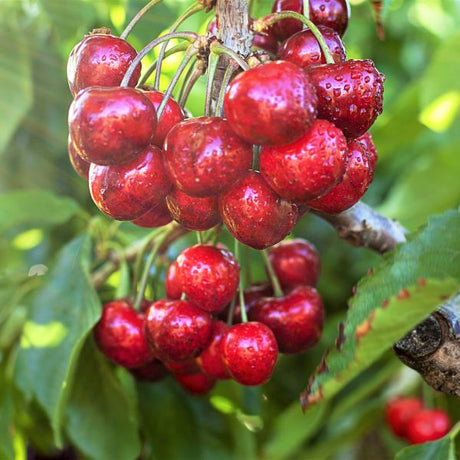
Country Sweet Peach (Prunus persica 'Country Sweet') is the kind of fruit that makes you understand why people plant orchards. The fruit is large, round, and almost entirely cloaked in deep dark scarlet-red skin with barely a hint of the yellow base color underneath. Bite in, and you get firm, fine-grained yellow flesh with a notably sweet, low-acid flavor that stands out even in a lineup of good peaches. It earns the name Country Sweet honestly.
This is a mid-early season variety, ripening around mid-July in most growing regions, putting it roughly five days ahead of the widely grown Redhaven. For home growers who want to extend their harvest window or who simply want ripe peaches as early as possible, that timing is a genuine advantage.
A Bold Tree for the Backyard Orchard
The tree itself has a spreading, moderately vigorous habit and grows to about 12 to 15 feet tall and wide when allowed to develop naturally. With proper annual pruning to maintain an open vase shape, it stays manageable for most home lots while still producing a full, productive canopy. In early spring, typically March, the tree erupts in large, showy pink blossoms well before the leaves emerge, providing one of the finest floral displays of any fruit tree you can grow. The dark green, lance-shaped foliage takes over through summer and often develops warm golden-yellow fall color before drop.
Country Sweet is self-fertile, meaning you do not need a second tree for pollination. However, planting a compatible peach variety nearby can improve fruit set in years when cold or rainy weather interferes with bee activity during bloom.
Chill Hours and Climate Fit
Country Sweet requires 800 to 900 chill hours, making it a strong fit for most of the temperate United States in zones 5 through 8. It thrives in the classic peach belt that stretches from the mid-Atlantic through the Midwest and into parts of the Plains, where winters are cold enough to meet its chilling requirement and summers are warm enough to develop full sugar content in the fruit. It is not suited to the Gulf Coast, the Pacific Northwest, or the Desert Southwest, where either insufficient chill hours or disease pressure and extreme heat work against success.
Getting the Most From Your Harvest
Fruit thinning is one of the highest-return tasks you can perform on any peach tree. Once fruit reaches marble size, remove all but one peach per four to six inches of branch. This concentrates the tree's energy into fewer, larger, sweeter fruits and protects branches from the weight of an overcrop. Country Sweet peaches are ready to pick when the background skin color shifts from green toward golden yellow and the fruit gives slightly under gentle pressure near the stem. The fragrance at that point is unmistakable.
Because this variety has semi-clingstone fruit, the flesh clings lightly to the pit, making it excellent for fresh eating and preserves, though freestone varieties are generally easier to slice for canning. Country Sweet is best enjoyed fresh at peak ripeness, grilled with a drizzle of honey, folded into a summer cobbler, or simply eaten over the sink before you make it back to the kitchen.
Planting & Care
Delivery and Shipping
Shipping Rates
Ships in 3-5 business days • Tracking provided • Weather protected
| Under $50 | $9.99 |
| $50 - $99.99 | $14.99 |
| $100 - $149.99 | $16.99 |
| $150 - $198.99 | $24.99 |
| $199+ | FREE |
✓ Zone-specific timing • ✓ Professional packaging • ✓ Health guarantee
Find on Page
Type to search specs, description, care, FAQ, and shipping.
Other Cherry varieties
-

-

-

Prunus avium 'Black Tartarian'
Regular price From $13838Unit price /Unavailable -

-

Ozark Premier Japanese Plum Tree
Prunus salicina 'Ozark Premier'
Regular price $5455Unit price /Unavailable -

Prunus cerasus 'Montmorency'
Regular price From $13611Unit price /Unavailable -

-


Tree came fast, well packed, and beautiful. We will definitely purchase again.
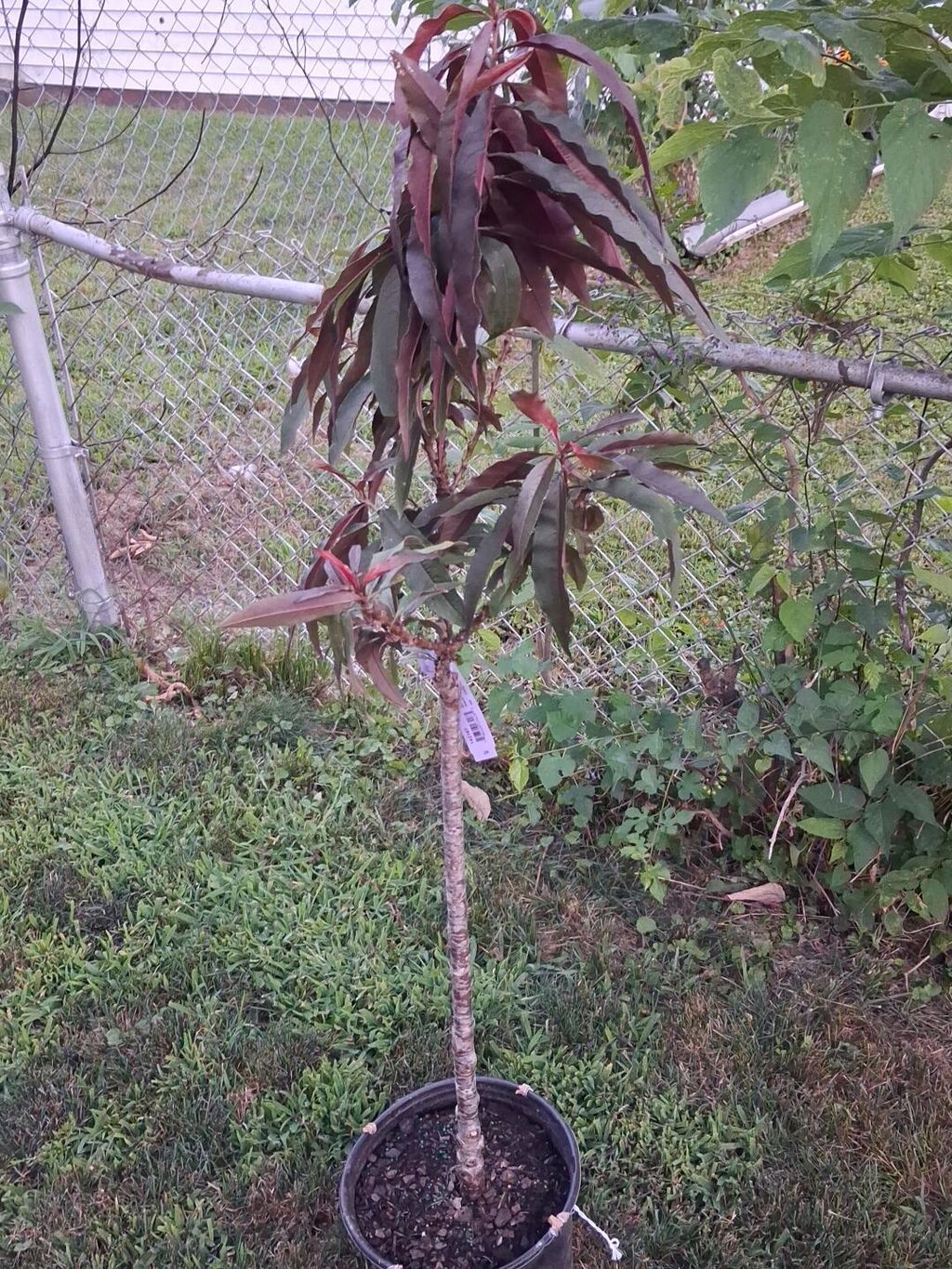
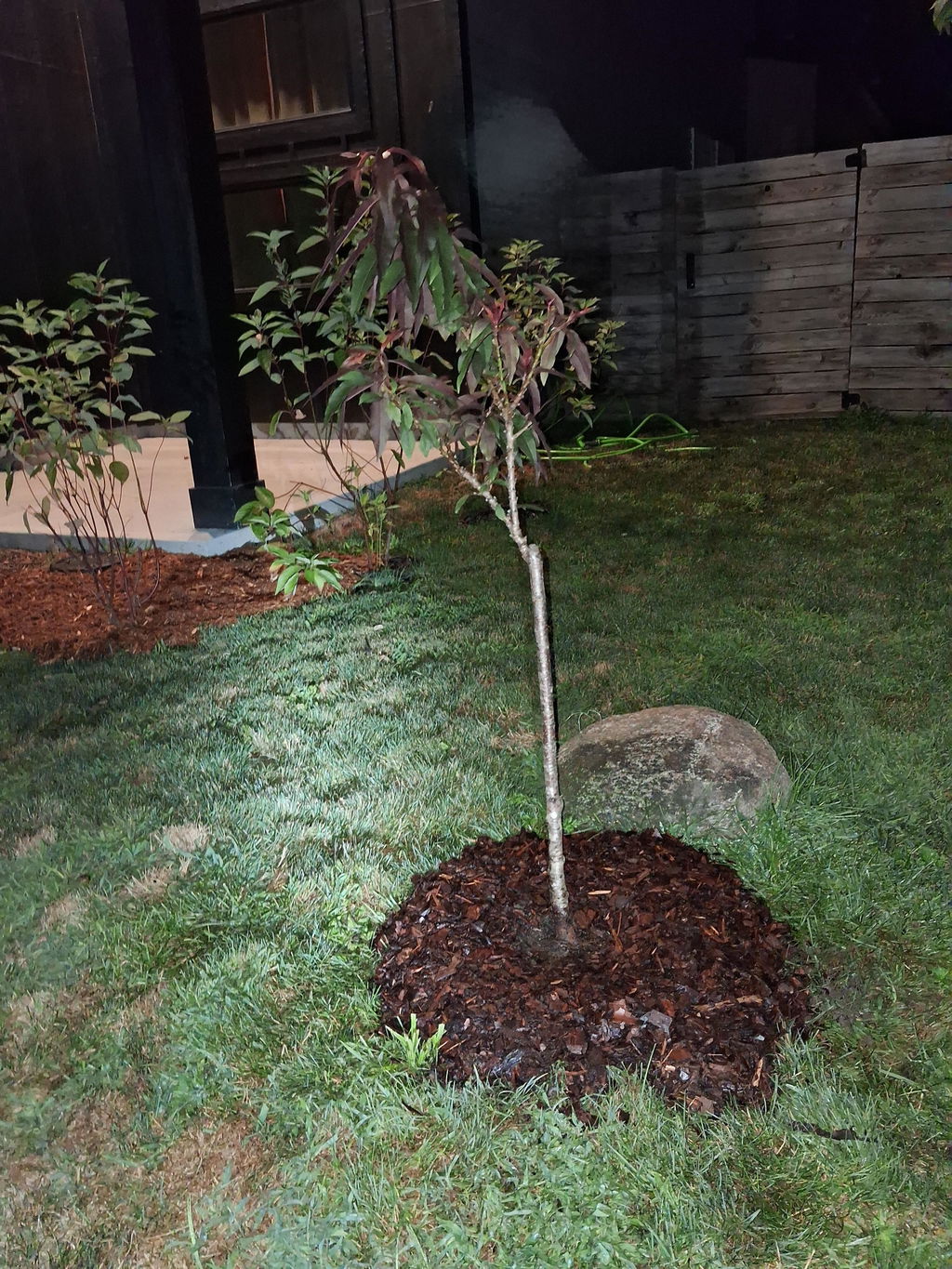
Bonfire Peach is a great one to have in the garden, and it sounds like yours arrived in good shape and ready to get growing. Thanks for the kind words, Richard. We look forward to growing with you again.
Está creciendo muy bonito ya tiene unos duraznitos chiquitos
Those first little peaches are always a great sign that the tree has settled in well. Thanks for sharing the update, Jose. Enjoy the harvest when they come in!
I paid full price for them. Now they go on sale, it looks like half of a tree the way they were caught.
Hi Sherry,
Thank you so much for sharing your thoughts with us. We truly appreciate your honesty and understand how disappointing it can be to receive a tree that doesn’t reflect the full, vibrant quality you hoped for—especially after paying full price. Our goal is always to provide healthy, sturdy plants, and your feedback helps us continually improve.
If the Bonfire peach trees appear smaller or less developed than expected, please reach out to our Customer Care team. We’d be happy to review your order details and see how we can support your tree’s thriving growth from here, whether through a replacement, discount, or helpful care tips tailored for Bonfire peaches.
Also, be sure to check our Plant Care Resources page, where you’ll find expert advice on how to nurture your new trees and encourage their natural blossom and fruit production.
We’re here for all your plant needs, and we want your garden to flourish!
Rooting for your garden’s success,
Your Nature Hills Plant Care Team
Nature Hills continues to amaze me on their shipping as well as quality of their plants and trees. Ordered 2 of these 2-3' trees (they are closer to 3'), and they arrived in a box about 5 feet high. Everything was secure and no damage (except one bud was damaged). They were wrapped together with plastic and twine with even my name attached to the bundle. The trees are bare rooted and are soaking outside for planting tomorrow morning. The trees aren't a single dead-looking sprig, but each has 3 offshoot branches, abundantly full of buds. Most are already showing life and greening. I look forward to being their "parent" in the two patio planters out back. So far, totally pleased with my purchase and with the quality of the trees.
Hi John,
Thank you so much for your wonderful review and for taking the time to share your experience with your Bonfire Peach Trees! We’re thrilled to hear that our shipping and packaging exceeded your expectations and that your trees arrived healthy and full of promising buds. It’s great to know our meticulous care in packaging — down to putting your name on the bundle — makes a positive difference, even if one little bud got a minor nick during transit.
Your nurturing approach with planting them in patio planters sounds perfect for Bonfire Peach Trees, as they truly flourish with appropriate care and plenty of sunlight. Sleep well knowing those offshoot branches promising green life are a fantastic sign their growth is off to a healthy start! If you ever want tips on fertilizing or seasonal care for peach trees to help ensure a bountiful harvest next season, feel free to reach out. We’re always here to support your garden growing journey.
Thanks again for trusting Nature Hills with your planting adventure and for being such a thoughtful plant parent already!
Rooting for your garden’s success,
Your Nature Hills Plant Care Team
Nature Hills continues to amaze me on their shipping as well as quality of their plants and trees. Ordered 2 of these 2-3' trees (they are closer to 3'), and they arrived in a box about 5 feet high. Everything was secure and no damage (except one bud was damaged). They were wrapped together with plastic and twine with even my name attached to the bundle. The trees are bare rooted and are soaking outside for planting tomorrow morning. The trees aren't a single dead-looking sprig, but each has 3 offshoot branches, abundantly full of buds. Most are already showing life and greening. I look forward to being their "parent" in the two patio planters out back. So far, totally pleased with my purchase and with the quality of the trees.
Hi John,
Thank you so much for your wonderful review and for sharing your experience in such detail! We’re absolutely delighted to hear that your Bonfire Peach Trees arrived healthy, sturdy, and well-packaged—even with the impressive size of the box. It’s great that the planting soak went smoothly and that you’re already seeing signs of life in the buds. With that early green push and your clearly attentive care, those trees should thrive beautifully on your patio.
If you haven’t already, you might find it helpful to check our Bonfire Peach Tree care guide on the site for tailored tips on watering, fertilizing, and protecting your trees through changing seasons. Also, since you mentioned the trees arriving bare-rooted, just keep them in a cool, shady spot until you plant them in late evening or early morning to reduce transplant stress.
Thanks once again for trusting Nature Hills with your backyard orchard dream. We can’t wait to hear how your planting journey progresses, so don’t hesitate to reach out if you ever need advice.
Wishing you happy planting,
The Nature Hills Plant Experts
I have the bonfire peach tree that I bought from Nature Hills last year and I just love this plant
Hi Geo,
Thank you so much for sharing your wonderful experience with your Bonfire Peach Tree! It’s delightful to hear how much you love this beautiful plant. The vibrant colors the Bonfire Peach Tree brings to any garden are truly special, and it’s great that it’s flourishing for you.
If you ever want tips on caring for your tree, such as pruning, fertilizing, or safeguarding it during cooler months to enhance its health and colors even more, feel free to reach out. We’re always here to help your garden thrive.
Bloom on,
The Nature Hills Plant Knowledge Team
I have this sitting on my patio during the summer month and I'm always getting asked about it!
Hello Patio,
Thank you so much for sharing your experience with your Bonfire Peach Tree! It’s wonderful to hear that it’s such a conversation starter on your patio—those vibrant hues definitely make it a standout. If you ever want to enhance its growth and fruit production, be sure to keep it in a spot with plenty of sunlight and water it consistently, especially during the hotter months. Additionally, pruning in late winter will help maintain its shape and encourage healthy new growth.
If you’d like more detailed care tips or troubleshooting advice, feel free to reach out anytime. We’re thrilled your Bonfire Peach is adding charm to your summer space!
Growing with you,
Nature Hills Nursery – Your Trusted Plant Specialists
I have this sitting on my patio during the summer month and I'm always getting asked about it!
Hello Patio,
Thank you so much for sharing your experience with your Bonfire Peach Tree! It’s wonderful to hear that it’s not only thriving on your patio but also catching the attention of your guests—that vibrant fruit and beautiful foliage really do make a great conversation starter.
Since you’re enjoying it through the summer months, just a quick tip: to keep your Bonfire Peach Tree healthy and maybe even boost its yield, be sure it gets plenty of sunlight—at least six to eight hours a day—and regular watering, especially during warm, dry spells. Also, occasional feeding with a balanced fertilizer can encourage strong growth and fruit production. If you ever want specific fertilization schedules or pruning advice, we have great resources on our website or feel free to reach out!
Thanks again for your thoughtful review—we truly appreciate your passion for gardening and are glad the Bonfire Peach Tree has found such a lovely home with you.
Rooting for your garden’s success,
Your Nature Hills Plant Care Team
I have the bonfire peach tree that I bought from Nature Hills last year and I just love this plant
Hello Geo,
Thank you so much for sharing your wonderful experience with the Bonfire Peach Tree! We’re delighted to hear that you love your tree—it truly is a beautiful and vibrant addition to any garden. Your enthusiasm inspires us!
If you’re interested in enhancing its growth or colors even further, remember that regular pruning in late winter and proper feeding with a balanced fertilizer can do wonders. Also, ensuring your Bonfire Peach Tree gets plenty of sunlight helps those lovely colors really pop. If you ever have questions on care techniques or want tips for maintaining fruit health, don’t hesitate to reach out.
Wishing you happy planting,
The Nature Hills Plant Experts
The Bonfire Peach tree is the best container plant I have ever had. Colorful and easy to care for.
Dear Gee Whiz,
Thank you so much for sharing your wonderful experience with the Bonfire Peach Tree! We’re thrilled to hear that it’s become your favorite container plant and that its vibrant colors plus low-maintenance nature are bringing joy to your space.
If you ever want tips on how to maximize fruit production or keep your Bonfire Peach thriving through the seasons, we’re always here to help. Many container growers find success by ensuring their tree gets at least six hours of direct sunlight daily, using well-draining soil, and maintaining consistent moisture without overwatering.
Thanks again for your kind feedback and happy gardening with your beautiful peach tree!
Bloom on,
The Nature Hills Plant Knowledge Team
The Bonfire Peach tree is the best container plant I have ever had. Colorful and easy to care for.
Dear Gee W.,
Thank you so much for sharing your wonderful feedback! We’re thrilled to hear that your Bonfire Peach Tree has become your favorite container plant. Its vibrant color and ease of care make it such a joy for gardening enthusiasts like you.
If you ever want to keep your peach tree thriving, make sure it gets plenty of sunlight and is watered regularly but with good drainage. Fertilizing in early spring can also encourage healthy growth and more colorful foliage. Feel free to reach out if you need anything else or want tips on enhancing your container garden—I’m here to help!
Wishing you happy planting,
The Nature Hills Plant Experts
