


Photo courtesy of Proven Winners - www.provenwinners.com
Fine Line® Buckthorn
Rhamnus frangula 'Ron Williams'


Plant Sentry™ Protected
Your order is protected by our compliance system that:
- Prevents restricted plants from shipping to your state
- Ensures plants meet your state's agricultural requirements
- Protects gardens from invasive pests and diseases
Specifications
| Plant Characteristics | Flowering, Attracts pollinators, Cold hardy, Evergreen, Drought resistant, Fast-growing, Non-invasive, Deer-resistant |
|---|---|
| Hardiness Zone | 2a to 7b |
| Sunlight | Full sun, Partial shade |
| Height | |
| Width | |
| Watering Needs | Moderate |
| Preferred Soil | Clay, Loamy, Sandy |
| Growth Rate | Moderate |
| Growth Habit | Spreading, Upright |
| Blooms In | Spring, Summer |
| Flower Color | Yellow |
| Foliage Color | Green |
| Pet Safety | Toxic to pets |
| Suitable Space | Outdoors |
| Plant Name | Buckthorn |
| Botanical Name | |
| Species | |
| Cultivar | |
| Class | Rosales |
| Does Not Ship To | AK, HI, ID, ME, MT, PR |
Description
Sophisticated Vertical Accent - Fine Line® Buckthorn
Does your landscape need a punch of interest? Try Fine Line® Buckthorn PP#14,791 (Rhamnus frangula 'Ron Williams'), it is a vastly improved cultivar of Fernleaf Buckthorn from the Proven Winners® collection.
Like a living exclamation point, Fine Line® becomes a magnificent architectural accent. With a strongly upright habit, it easily draws the eye. Use it to spotlight special features of your home or outdoor entertainment area.
You'll appreciate the versatility of this tall, narrow, feathery deciduous plant.
Create privacy in areas where space is at a premium. Fine Line® is a fantastic backdrop for any shrub border. The airy texture and formal habit make it excellent as a 'Thriller' in exterior containers.
The narrow form is beautifully juxtaposed with soft, lacy, green foliage. Overall, it gives the impression of soft strength.
It's beautiful all season long. The color turns golden-yellow in the fall, but only in years when the cooler weather comes on slowly.
Fine Line® provides a high-end, designer look, but it is so hardy and easy to grow. This drought-tolerant plant even does well in either sun or part sun conditions. It has few insect or disease problems. And deer tend to leave it alone. Please note, that the Buckthorn genus can be invasive in certain areas. The improved Fine Line® cultivar does produce some inconspicuous flowers in early spring. But, it produces very few fruit, and of those, only 2% of the seeds are viable.
However, we may not be able to ship into your state if it performs 'too well'. Birds do love to eat the small, dark fruit and it can spread in certain areas. Nature Hills uses Plant Sentry™, an online platform that blocks shipments of all invasive plants in vulnerable areas. We comply with every United States federal and state regulation for proper shipping of plant material.
Thank you for shopping with us and supporting the needs of your local ecosystem!
Fine Line® is an improved Buckthorn that features a wonderful texture and a handsome columnar shape. It's tough, adaptable, and gorgeous, easily adding height to landscaping without taking up a lot of horizontal space.
It's easy to understand why so many gardeners adore the Proven Winners® Fine Line®! Order yours from the environmentally sound growers at Nature Hills today.
How to Use Fine Line® Buckthorn in the Landscape
Use a single Fine Line® Buckthorn as a stunning specimen. It would suit any garden style, from Asian to Cottage to Contemporary.
Add another one and flank either side of your front door for an impressive display. Grow them in the ground, or plant them in luxe outdoor containers.
The foliage is wispy but dense. Use several to create a strategic privacy screen by spacing them 2 feet apart on center. Measure from the center of one to the center of the next.
You'll love the look and the durable nature of a Fine Line® hedge. Very little pruning is required to keep these columnar trees in check and full!
Create living walls of a special outdoor garden room, or shield your pool deck from prying eyes. Extend the height of your existing fence, or hide the neighbor's trash cans. You'll find plenty of ways to use this plant!
The soft, fine texture makes it an interesting backdrop for any shrub border. It's a perfect choice to add a welcome contrast to your landscape.
- Tall Sender Deciduous Shrubs
- Extremely Fine-Textured Foliage
- Lovely Golden Fall Foliage
- Excellent Hedge Shrub
- Amazing 'Thriller' in Container Arrangements
#ProPlantTips for Care
Plant your Fine Line® Buckthorn in partial sun or full sun for best results. They require well-drained soil, so plant in a raised bed or container if you have heavy soil that holds water.
Give a moderate amount of water on a regular basis during the first season. Once their root system is established in your landscape, they become drought tolerant.
Very little pruning is needed, but you can snip any errant branch any time of year. All plants do well with good air circulation.
- Full Sun & Partial Shade
- Well Drained Soil
- Moderate Moisture Needs
- Prune Any Time During Growing Season
- Very Easy To Grow
- Drought & Urban Tolerant
- Deer Tend to Leave Them Alone
This special plant gets rave reviews but must be selected with a little care. Let our system determine if this beautiful plant will work for you. Enjoy the Fine Line® Buckthorn Tree!
Planting & Care
Delivery and Shipping
Shipping Rates
Ships in 7-10 business days • Tracking provided • Weather protected
| Under $50 | $9.99 |
| $50 - $99.99 | $14.99 |
| $100 - $149.99 | $16.99 |
| $150 - $198.99 | $24.99 |
| $199+ | FREE |
✓ Zone-specific timing • ✓ Professional packaging • ✓ Health guarantee
Find on Page
Type to search specs, description, care, FAQ, and shipping.

I love my FineLine Buckthorn. It arrived looking beautiful. I put it in the ground within a couple of days. It is doing well. It has some growing to do to match the 4 that I already have but I'm happy to have a complete matching set.
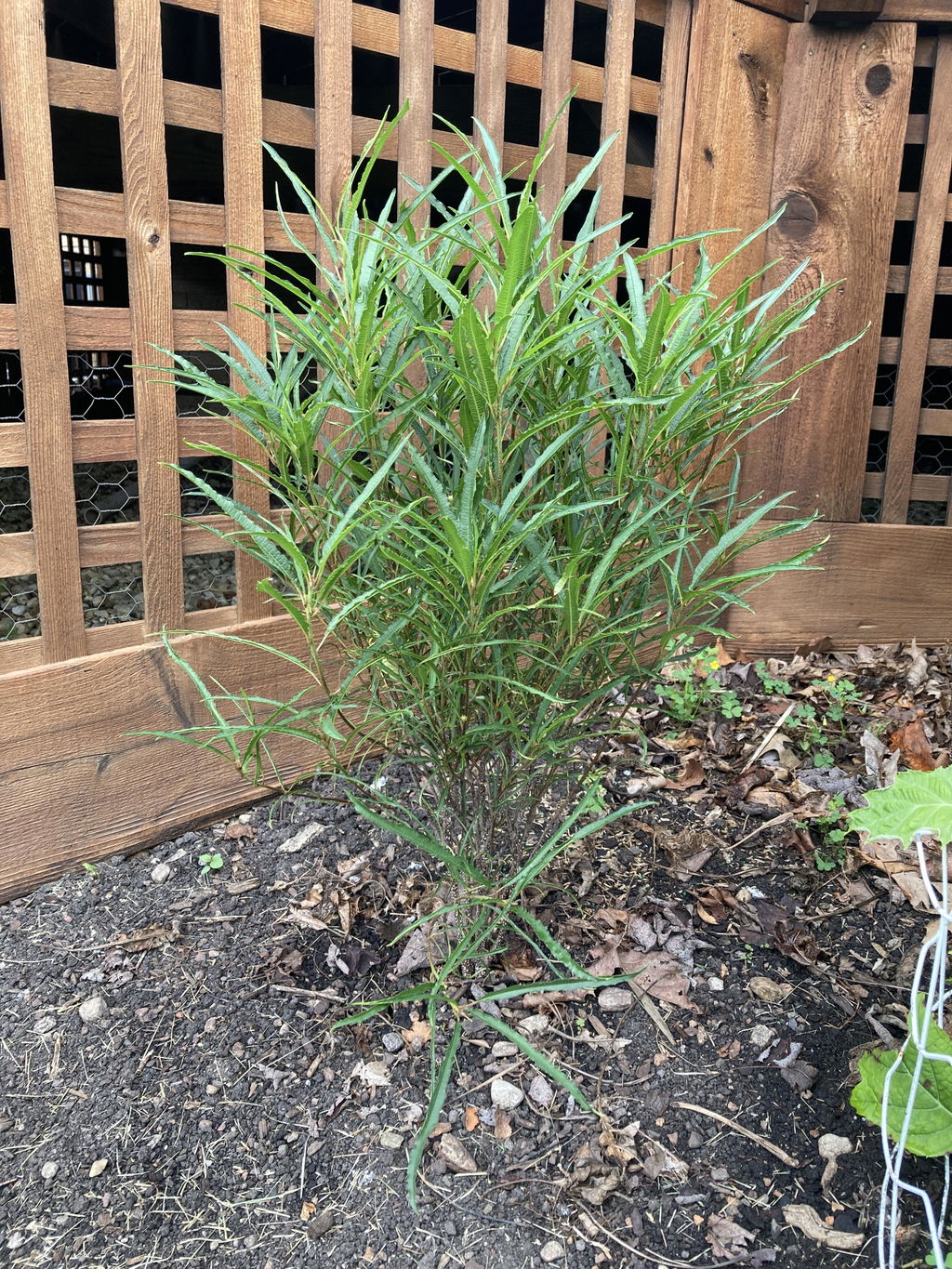
A complete matching set is such a satisfying thing to achieve in the garden. Fine Line is pretty consistent in its form and texture as it matures, so your new addition should blend right in with the others over a season or two. Thanks for planting with us, Kimberly. The Nature Hills Team
Lovely tree. Planting this week after a few weeks on our deck
Fine Line Buckthorn settles in well when given a little time to acclimate before planting, so it sounds like yours is off to a good start. Once it goes in the ground, keep the watering consistent through the first season and you should see it take off. Thanks for sharing, Virginia.
They are handled with care! Thank you!
The packaging of my plants was the best of any nursery I have ever ordered from. Great service and great delivery time.
Hearing that the packaging stood out after ordering from multiple nurseries really means a lot to us. We put a lot of care into how Fine Line Buckthorn ships, since it can be a finicky traveler. We hope it settles in beautifully and fills out that distinctive feathery texture you see at maturity. Thanks for the kind words, Pamela.
