
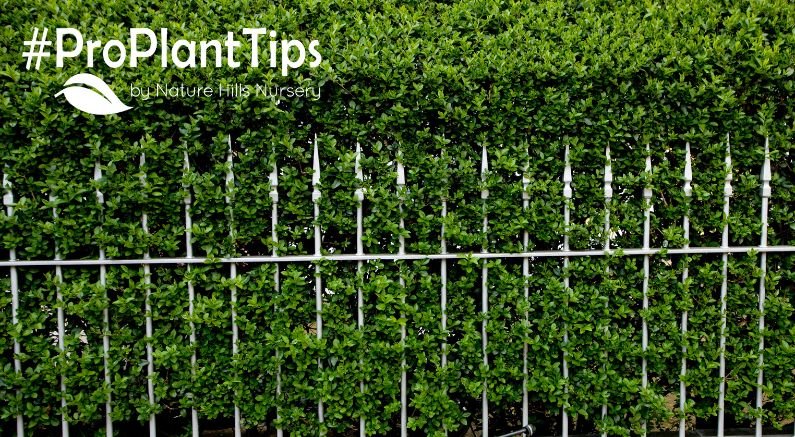

Looking for the best shrubs for hedges, specimens, privacy screens, or low-maintenance landscaping? Privet shrubs (Ligustrum spp.) have been garden favorites for centuries thanks to their versatility, fragrant flowers, and dense growth habit. These fast-growing, easy-care hedge plants thrive in a wide range of USDA zones, making them a popular choice for gardeners who want a classic yet adaptable hedge.
- Ligustrum Shrub Varieties
- Top 10 Privet At Nature Hills
- Landscaping Uses
- Care & Pruning
- Growing With Privet Pride!
Ligustrum Shrub Varieties
The Privet genus is a member of the Olive family. The common name Privet came about in the first century from the Roman author and naturalist, Pliny the Elder! Privet shrubs are native to Europe, Northern Africa, and Central Asia, and many varieties were used as herbal medicine and in flower arrangements alike.
Privet hedges tolerate windy, exposed sites and heavy pruning, performing well in urban settings where there is pollution. Privet grows well in sun or partially shaded areas, but will not do well in heavy, wet soils. Many of these plants are salt-tolerant, insect-resistant, urban environment-friendly, and drought-tolerant once established!
Find easy-care, fast-growing Privet shrubs for a wide range of USDA planting zones 4 to 10 at Nature Hills!
Top 10 Privet At Nature Hills

There are several other varieties of these fantastic shrubs, and we're sure one of them is the perfect Privet shrub for your landscape and growing zone!
1. Amur North River Privet
One of the most popular hedge shrub varieties in the U.S., the Amur North River Privet is loved for its fragrant white spring blooms, cold hardiness, and tidy upright form. Hardy in USDA zones 4 to 7, this adaptable shrub tolerates both full sun and partial shade, making it an easy choice for quick-growing, dependable hedges that look great clipped or left more natural at 12-15 feet tall and 8-10 feet wide.
2. California Privet Hedge
Create a Privet hedge with real personality by choosing the California Privet Hedge. Glossy, oval-shaped green leaves reveal an eye-catching yellow underside that glows in the sun. Hardy in USDA zones 5 to 8, this vigorous grower fills in fast, while its highly fragrant summer blooms draw in pollinators before setting berries for birds in fall. Growing 10-15 feet tall and wide at maturity.
3. Sunshine Ligustrum
Hot climates love the lemony-hued broad-leaved evergreen foliage for cheerful yellow foliage that remains sunny and golden all winter long. Hardy throughout USDA zones 6 to 10, Sunshine is a bright and colorful accent and low, rounded hedge for your landscape. Perfect for adding a pop of color amid mixed shrub borders or against dark home foundations.
4. Cheyenne Privet
One of Nature Hills' highest-rated Privets, Cheyenne was developed in the harsh climate of Wyoming, so it will thrive in Zones 4 - 8. When used as a formal hedge, these carefree, fast, and easy-to-grow plants will need pruning to keep them shaped up, neat, and tidy, but will also look great left informal and natural.
5. Waxleaf Privet

Very heat-tolerant broadleaved evergreen with glossy, deep-emerald leaves, the Wax Leaf or Waxleaf Privet is hardy throughout USDA growing zones 7 to 11! Filling the dense growth with drifts of fragrant white flowers and berries for birds when left unpruned, the fine-textured leaves are very conducive to shearing and shaping like all the rest.
6. First Editions® Straight Talk® Privet
The Straight Talk® Privet is space-saving and columnar in form and can potentially grow 10 - 12 feet in height with a spread of only 2 - 4 feet. Considered almost bullet-proof once established, Straight Talk® is an adaptable and small-footprint hedge! Use in narrow side yards, as punctuation marks in the mixed shrub border, or as a slim backdrop to your landscape beds.
7. Golden Vicary Privet
A showstopper for hedges, the Golden Vicary Privet glows with bright golden-yellow foliage that holds its color all season long. Hardy in USDA growing zones 5 to 8, this sun-loving shrub is a fast grower that quickly forms dense, 8-10 feet tall and wide glowing hedges or screens. In late spring, clusters of white flowers add fragrance and pollinator appeal, followed by berries for birds in fall. The cheerful color makes it an excellent backdrop for darker evergreens or flowering shrubs.
8. North Privet Hedge
Known as one of the fastest-growing hedge plants in the U.S., the North Privet Hedge boasts glossy green foliage, an upright 8-12 foot tall and 6-8 feet wide habit, and incredible adaptability. Hardy in USDA zones 4 to 7, this variety grows quickly into a full, dense wall of greenery that's perfect for privacy, noise reduction, and boundary definition. Its strong structure handles heavy shearing for formal hedges, while unpruned plants reward wildlife with flowers and berries.
9. Proven Winners® Golden Ticket® Privet
The first non-invasive Privet, the Proven Winners® Golden Ticket® offers peace of mind with its eco-friendly nature, 4-6 foot tall and wide size, and bright golden foliage. Hardy in USDA zones 5 to 8, this breakthrough shrub shines with vibrant yellow leaves, fragrant white blooms in spring, and a neat, rounded form. Its dense branching makes it perfect for hedges or stand-alone accents, all while supporting pollinators without the risk of spreading where it shouldn't.
10. Nantucket Privet
A refined and elegant 10-15 foot tall and wide hedge option, the Nantucket Privet forms a dense, glossy green screen that thrives in USDA growing zones 5 to 9. Its lustrous foliage is accented in late spring with fragrant clusters of white flowers, attracting pollinators before giving way to dark berries beloved by birds. Nantucket's versatile form makes it a top choice for seaside gardens, traditional landscapes, or as a timeless formal hedge.
Landscaping Uses
Privet shrubs are true multitaskers in the landscape, offering both beauty and function:
- Windbreaks, snow-drift barriers, and noise buffers
- Privacy and screening hedges for property definition
- Living walls and outdoor rooms
- Foundation plantings and garden backdrops
- Topiary specimens, shapes, and container accents
All this plus, pollinators adore their white spring flowers, and birds flock to their fall berries! You will get the most flowers and berries on unpruned hedges and informal plantings, where songbirds also love to nest and roost in the dense canopies.
Care & Pruning

These shrubs grow well in sun or partial shade, tolerate pruning, and adapt beautifully to urban conditions. They handle pollution, salt, and even drought once established
Privet shrubs are relatively low-maintenance once established. These broadleaf evergreens prefer well-drained soil and regular watering during their first season to help roots settle in. After that, they are tough, drought-tolerant performers.
For pruning, you'll want to decide if you'd like a formal or informal hedge. Formal hedges require routine shaping to keep them neat, while informal plantings can be left more natural to encourage flowers and berries for pollinators and wildlife. For tips on how and when to trim Privet hedges, visit our full guide on Privet hedge pruning.
Growing With Privet Pride!
Privet shrubs prove that classic never goes out of style! Whether you're shaping a manicured hedge, adding a splash of golden foliage, or giving pollinators a spring feast, there's a Ligustrum for every garden!
With their adaptability, fragrance, and timeless beauty, Privets remain one of the best shrubs for hedges, privacy, and year-round charm.
Happy Planting!


