Shop With Confidence: FREE Growing & Glowing Promise

Free Shipping on Orders $199+

Put Away Your Lawn Rake

Put Away Your Lawn Rake - Nature Hills Nursery

Nature Hills Nursery |

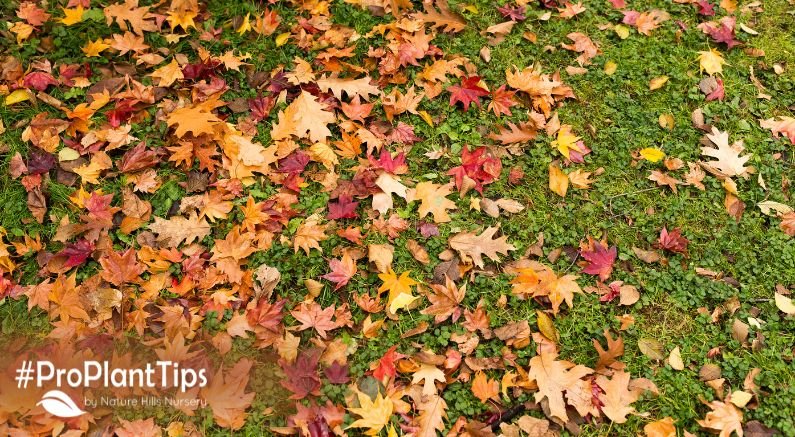
Here comes our new fall season and with it may come a lot of leaves.

There is no reason to bag or rake all of those leaves. Just use your lawn mower to shred them right up on your grass. The leaves may have moisture in them when they first fall, but a day or two later they are much drier. Once they are dry, run your lawnmower over your lawn and you can shred those leaves.

You do not need to use a mulching mower, or even put the mulching shied on the mower shoot, but just let the shredded leaves blow right over the top of your grass. Continue to mulch those leaves until they are done falling.

Then, apply a good quality commercial or organic lawn fertilizer at this time of the year. If you only fertilize your lawn one time of the year, now is that time. The fertilizer will break down the shredded leaves and add fertility to your grass as well as improve your soil. Brilliant!

Fall is also the very best time to eliminate weeds in your lawn too. Whether you use a commercial weed and feed, or perhaps use your favorite organic method of spot treating your lawn for weeds – be sure to do that now! Next spring you will not see any dandelions or other broadleaved weeds or the seeds they bring with them.

Save time by eliminating raking and removing leaves, improve your soil, while adding some nutrients to your grass at the same time.

Shredding your leaves this fall is a win-win for sure. Keep on shredding!

Previous Next

Frequently Asked Questions

How do you mulch fallen leaves with a lawn mower instead of raking them?

Wait a day or two after leaves fall so they dry out, then simply run your lawn mower over them and let the shredded pieces blow back onto the grass. You do not need a mulching mower or a mulching blade attachment for this to work effectively. Continue mowing over new leaves as they fall throughout the season, then finish with an application of a quality lawn fertilizer, which will help break down the shredded material and add nutrients to your soil.

How do you keep mulched leaf pieces from clumping together in your grass?

Wait a day or two after leaves fall before mowing, as freshly fallen leaves tend to hold moisture and clump together when shredded. Dry leaves break apart much more cleanly and disperse evenly across the lawn surface. Run your mower over the leaves and allow the shredded pieces to blow freely over the top of the grass rather than using a mulching shield, which helps prevent buildup in any one spot.

How do you clear leaves that have blown into your garden beds without disturbing the mulch?

For leaves that have accumulated in garden beds, a handheld leaf blower set to a low speed is your best tool, as it moves leaves without scattering mulch. You can also use a soft rake or your hands to gently gather the leaves toward the center of the bed or into the pathways between plants. Once collected, run your lawn mower over them to shred them, then return a thin layer back to the bed as additional organic mulch, or compost the rest. Aim to clear and redistribute bed leaves in late fall after most trees have dropped, so you only need to do the job once.

What happens to your lawn if you skip raking leaves and mulch them in place instead?

Skipping the rake and mulching leaves directly into your lawn with a standard mower is actually beneficial for your grass and soil. The shredded leaf material breaks down and adds organic matter and nutrients to the soil, especially when paired with a fall fertilizer application. Wait a day or two after leaves fall so they dry out, then mow over them and let the shredded pieces settle between grass blades. Follow up with a quality lawn fertilizer in the fall to accelerate decomposition and give your grass a strong foundation heading into winter.

How do you compost or dispose of yard waste when mulching leaves is not practical?

When mulching leaves directly on your lawn is not practical, composting is your best alternative. Build or use a compost bin and layer leaves with green materials like grass clippings or kitchen scraps in roughly a 3-to-1 brown-to-green ratio to encourage fast breakdown. Many municipalities also offer curbside yard waste pickup or drop-off sites where leaves and debris are composted on a large scale. If composting is not an option, check with your local waste management service for scheduled fall collection dates and bag leaves in biodegradable paper yard waste bags.

How should you clean and dry a lawn rake before storing it for the season?

This question falls outside the scope of what we cover here, as we actually recommend skipping the rake altogether this fall. Instead of raking and bagging leaves, simply wait one to two days after leaves fall for them to dry out, then run your lawn mower over them to shred them directly into your grass. Follow up with a quality lawn fertilizer to break down the shredded leaves and add nutrients to your soil. Put that rake away and let your mower do the work for you this season.

What is the best way to store a lawn rake so the tines do not rust or bend over winter?

Storing a lawn rake properly over winter will extend its life significantly. Hang it vertically on a wall hook or pegboard in a dry garage or shed with the tines facing inward toward the wall to prevent bending. Before storing, wipe metal tines clean of debris and apply a light coat of linseed oil or WD-40 to prevent rust. Keeping the rake off the ground and away from moisture is the single most important step you can take.

Should you hang a rake on a wall or store it flat on the floor in a shed or garage?

This question falls outside the scope of our lawn and leaf care guidance at Nature Hills. For rake storage specifically, hanging rakes on a wall mount or pegboard is generally the better option, as storing them flat on the floor can damage tines and create tripping hazards. That said, we encourage you to consider whether you need that rake at all this fall. Try running your mower over fallen leaves to shred them in place, then follow up with a fall fertilizer application to break down the debris and feed your lawn at the same time.

Can you leave a rake outside overnight or during wet weather without damaging it?

Most rakes can handle brief exposure to the elements, but leaving them outside regularly will shorten their lifespan, as moisture causes wooden handles to crack, warp, and rot over time. Metal tines can also rust when exposed to prolonged wet conditions. Store your rake in a shed or garage when not in use, and if the handle does get wet, allow it to dry fully before storing to prevent mildew and wood damage.

How do you remove rust from rake tines before putting a rake back into storage?

This question falls outside the scope of our lawn care content, but here is some practical guidance. Scrub rust from rake tines using steel wool or a wire brush, then apply white vinegar and let it sit for about an hour before scrubbing again. Once the rust is removed, dry the tines thoroughly and coat them lightly with linseed oil or WD-40 to prevent future rust before storing the rake in a dry location.