Shop With Confidence: FREE Growing & Glowing Promise

Free Shipping on Orders $199+

Pick your color…

Pick your color… - Nature Hills Nursery

Nature Hills Nursery |

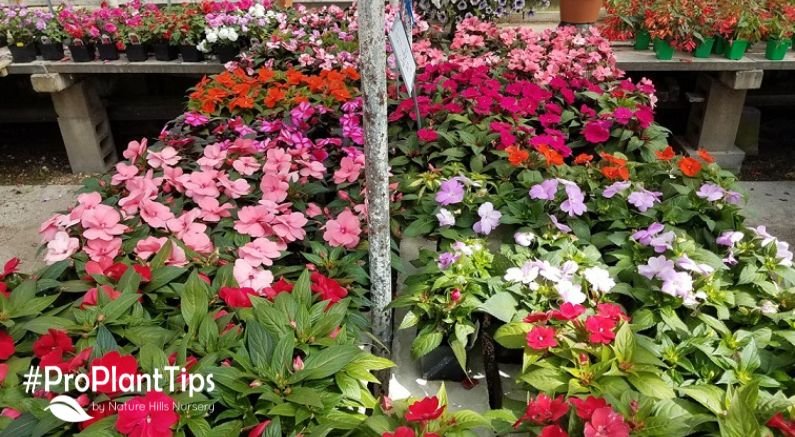
Annuals are a terrific way to put some color in your landscape. You don’t have to go crazy overboard to really punch up the front of your home.

Pick plants that work. Select plants that don’t need a lot of fussing with deadheading or have problems with disease or insects. Annuals planted in the ground will need less watering than the ones in containers as the season progresses. But in all cases, be consistent with food and water for the best show.

Then, pick your color palate. What color is going to show up nicely against the color of your home? Is your home dark brick, earth tones, or white? Will your plants be in sun or shade?

White and green can be very elegant. White and blue are a classic combo. How about white blue and yellow together? Red and yellow together is very showy and used a lot. Stick to colors that will complement and show up against the color of your home.

There are not any rules when it comes to adding color, but pick what colors you like. Then pick the plants that will work based upon that exposure. And last, be sure to fertilize your annuals as you plant them. Remember they have been bottle fed in the greenhouse, so they will be hungry once you plant them in the ground.

Deadhead, water, and fertilize for fresh looking annuals all season long.

Previous Next

Frequently Asked Questions

How do I choose a garden color palette that works with my yard's existing features?

When choosing a garden color palette, start by considering the color of your home's exterior and how your plant colors will show up against it. Dark brick and earth tones pair beautifully with white, yellow, or red, while white homes can handle almost any color combination. Classic pairings like white and blue, white and yellow, or the bold statement of red and yellow together are reliable starting points. Choose colors you love, then select the specific annuals that will thrive in your available sun or shade exposure.

How do I start planning a garden color scheme from scratch?

Start by looking at your home's exterior color and choosing annuals that will complement and stand out against it. Classic combinations include white and blue, white and yellow, or the bold pairing of red and yellow for a high-impact display. Once you settle on a color palette, select plants suited to your specific sun or shade exposure, then get them in the ground with a good starter fertilizer since greenhouse-grown annuals will be hungry after transplanting.

Which color combinations create the most impact in a flower bed?

Classic high-impact color combinations include red and yellow for a bold, showy display, white and blue for timeless elegance, or white, blue, and yellow together for a dynamic trio. White paired with green foliage also delivers a sophisticated, refined look that works especially well in shaded areas. Choose colors that will stand out against your home's exterior, whether it's dark brick, earth tones, or white siding. Start with two or three complementary colors, then select annuals suited to your sun or shade exposure to ensure the best seasonal performance.

How many colors can I use in one garden before it starts to look cluttered?

There are no strict rules about how many colors to use, but most successful garden designs stick to two or three colors for a cohesive, polished look. Classic pairings like white and blue, or red and yellow, create bold impact without visual chaos. Choose colors that complement the exterior of your home and use one dominant color with one or two accents to keep things intentional rather than scattered.

Should I plant warm colors, cool colors, or stick to a monochromatic scheme for my garden?

There are no strict rules when it comes to choosing a color scheme for your garden, so focus on what appeals to you and complements your home. Warm combinations like red and yellow make a bold, showy statement, while classic cool pairings like white and blue offer timeless elegance, and adding yellow to that mix creates a striking tricolor display. Consider the color of your home's exterior as your starting point, since darker brick and earth tones pair beautifully with bright warm hues, while white or light exteriors can handle almost any palette. Choose the colors you love, then select the specific annuals suited to your sun or shade exposure to bring that vision to life.

How do I plan my garden so something is blooming and colorful in every season?

Plan for continuous color by layering plants with staggered bloom times, starting with spring bulbs, transitioning into summer annuals, and finishing with fall-blooming perennials or ornamental grasses. Choose annuals that thrive in your specific light conditions, whether sun or shade, and select color combinations that complement your home's exterior for a polished, intentional look. Feed your annuals at planting time and maintain a consistent schedule of watering, deadheading, and fertilizing to keep them performing at their peak from the last frost through fall.

How do I choose plants that work together when designing a color-themed border?

When designing a color-themed border, start by considering the backdrop your home provides and choose colors that will pop against it. Classic combinations like white and blue, white and yellow, or red and yellow are proven performers that create visual impact. Stick to two or three colors at most to keep the design cohesive rather than chaotic. Choose annuals that share similar sun or shade requirements and maintenance needs, and fertilize them at planting time to get everyone off to a strong, even start.

How do I coordinate my garden colors with my house exterior, fence, or patio?

Start by observing the dominant colors of your home's exterior, fence, or hardscape, then choose plant colors that contrast or complement rather than clash. Dark brick and earth tones pair beautifully with whites, yellows, and blues, while white or light-colored homes can handle bolder combinations like red and yellow or the classic white and blue pairing. Avoid overthinking it: there are no strict rules, so choose colors you genuinely love and then select plants suited to your sun or shade exposure. Visit your local garden center with a photo of your home to compare bloom colors before you buy.

How can I use foliage color and texture to support and enhance my flower color choices?

Foliage color and texture play a powerful supporting role in any planting design. Silver or gray foliage like dusty miller brightens and unifies bold flower colors, while deep purple or bronze-leafed plants like coleus make yellows and oranges pop dramatically. Coarse, bold leaves create contrast when paired with fine-textured flowers, adding visual depth even when blooms are between cycles. Choose one or two foliage plants intentionally when you plan your color palette, treating them as the frame that makes your flower colors shine.

Which plants and flowers work best for creating a bold, high-energy garden color scheme?

For a bold, high-energy color scheme, go with classic combinations like red and yellow or white, blue, and yellow together, as these pairings create maximum visual impact from a distance. Choose annuals that are low-maintenance and resistant to disease and pests so you can focus on the show rather than constant upkeep. Plant them in the ground rather than containers to reduce watering demands as the season heats up, and fertilize at planting time since greenhouse-grown annuals are accustomed to regular feeding and will need that nutrition boost to thrive. Keep deadheading spent blooms and maintain a consistent watering and fertilizing schedule throughout the season to keep the display looking fresh and vibrant.