


Grape Crush New England Aster
Aster novi-belgii 'Grape Crush'


Plant Sentry™ Protected
Your order is protected by our compliance system that:
- Prevents restricted plants from shipping to your state
- Ensures plants meet your state's agricultural requirements
- Protects gardens from invasive pests and diseases
Specifications
| Hardiness Zone | 4a to 8b |
|---|---|
| Sunlight | Full sun |
| Height | |
| Width | |
| Growth Rate | Moderate |
| Watering Needs | Moderate |
| Preferred Soil | Clay, Loamy, Sandy |
| Landscape Use | Border, Patio, Mass Planting, Cutting Garden |
| Growth Habit | Trailing, Upright |
| Blooms In | Fall |
| Flower Color | Purple |
| Foliage Color | Green |
| Plant Life Cycle | Perennial |
| Plant Characteristics | Cold hardy, Native, Flowering, Attracts Butterflies, Attracts pollinators, Fall Color/Interest, Heat Tolerant, Drought resistant, Container Friendly |
| Botanical Name | |
| Does Not Ship To | AK, HI, ID, MT, PR, VI |
Description
Proven Winners® Grape Crush New England Aster!
Need a juicy burst of fall color? When summer fades, Grape Crush New England Aster (Aster novi-belgii 'Grape Crush') steps in to ignite the garden with rich, royal purple blooms! This compact, mounding perennial delivers dense clusters of vibrant daisy-like flowers in late summer through fall, creating a stunning contrast against its dark green, bushy foliage!
A must-have for pollinator gardens, this native beauty attracts butterflies, bees, and other beneficial insects, all while thriving with minimal care.
Why You'll Love Grape Crush New England Aster
- Bold, Deep Purple Blooms – Saturated grape-colored flowers make a statement in the fall garden.
- Late-Season Pollinator Magnet – A vital food source for butterflies, bees, and migrating Monarchs!
- Compact, Mounding Habit – Grows 24-30 inches tall and 30-36 inches wide, forming a dense, tidy bushy clump.
- Cold Hardy & Heat Tolerant – Thrives in USDA Zones 3-8, handling a range of climates with ease.
- Deer and Rabbit Resistant – Foliage is unappealing to browsing wildlife, ensuring reliable performance.
- Low Maintenance & Easy to Grow – Tolerates a variety of soils and requires little upkeep.
Where to Plant Grape Crush New England Aster
This bold, late-season bloomer fits beautifully into a variety of garden settings:
- Pollinator & Butterfly Gardens – One of the last nectar sources of the season, Asters are essential for Monarchs, bees, butterflies, and beneficial insects.
- Beds & Borders – Must-have for late-season color in Cottage Gardens, adding rich color and structure to mixed perennial beds.
- Wildflower & Native Plant Gardens – Supports local ecosystems and thrives among other native perennials.
- Mass Plantings & Naturalized Areas – Creates a dramatic sweep of color when planted in large groups.
- Moist Meadow & Rain Gardens – Prefers moist, well-draining soils, making it ideal for rain gardens.
Care & Maintenance
This resilient and reliable perennial thrives with minimal attention. Learn more about planting perennials and perennial care in our #ProPlantTips Garden Blog!
- Sunlight: Prefers full sun for best flowering but tolerates light shade.
- Soil: Adapts to loamy, sandy, or clay soils. Thrives in moist, well-draining conditions.
- Watering: Keep soil consistently moist, especially in dry spells.
- Mulching: A 3-4 inch deep layer of mulch helps retain moisture and regulate soil temperature.
- Pruning: Cut back in early summer to encourage a bushier, more compact habit. Trim back in late fall or early spring.
- Fertilizing: A light application of compost or slow-release fertilizer in spring supports healthy growth.
Add A Juicy Touch To Your Fall Garden!
The Grape Crush New England Aster is a showstopping fall perennial, bringing rich purple blooms, effortless beauty, and essential late-season nectar to your garden. Whether you want to support pollinators, brighten up your autumn landscape, or create a bold border display, this easy-care plant is the perfect choice.
Order yours today and enjoy a spectacular burst of deep purple in your garden this fall!
Planting & Care
Delivery and Shipping
Shipping Rates
Ships in 3-5 business days • Tracking provided • Weather protected
| Under $50 | $9.99 |
| $50 - $99.99 | $14.99 |
| $100 - $149.99 | $16.99 |
| $150 - $198.99 | $24.99 |
| $199+ | FREE |
✓ Zone-specific timing • ✓ Professional packaging • ✓ Health guarantee
Find on Page
Type to search specs, description, care, FAQ, and shipping.

The plants were packaged very well. They came looking very healthy. I wondered if they will bloom before winter this year.
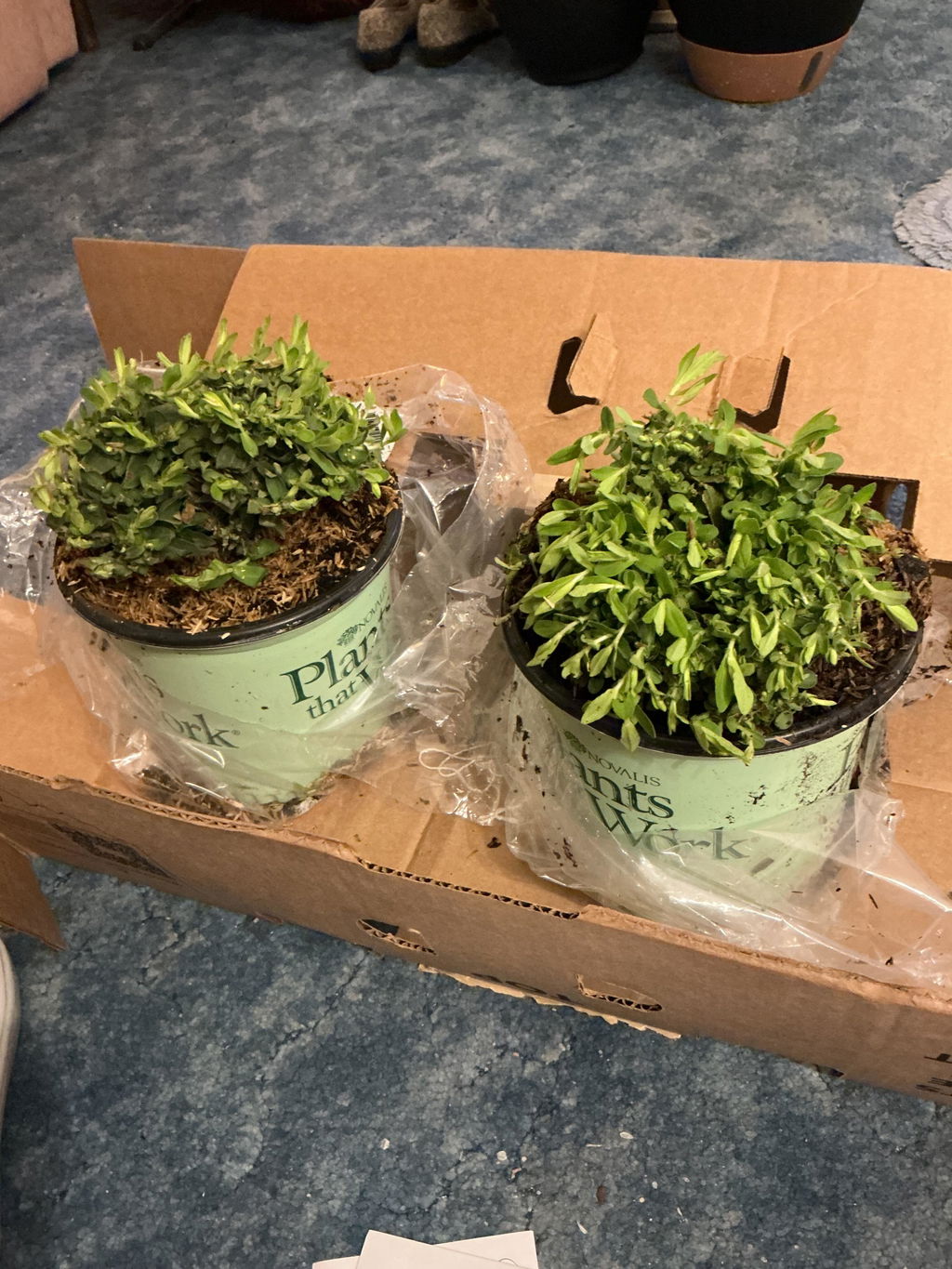
Healthy plants right out of the box is exactly what we aim for, Lineta. On the blooming question: New England Asters are fall bloomers by nature, so depending on your zone and how late in the season it is, you may still catch some flowers before frost. Either way, the roots will settle in well and the plants should put on a strong show next year.
I received the Grape Crush New England Aster and it was in Great condition. I'm very happy with the way it looks.
Grape Crush is such a reliable bloomer, and it's good to hear it arrived in solid shape. Once it settles in, you can expect those deep violet flowers to really draw in the late-season pollinators. Thanks for the note, Rick.
I have planted it and it’s doing great.just waiting for it to bloom I got it quickly and in good condition
Grape Crush aster is worth the wait once those blooms open. Glad it arrived in good shape and got settled in quickly. It tends to put on quite a show in fall, so keep an eye on it as the season shifts. Thanks for sharing the update, Marty.
