

Lemon Zest™ Japanese Forest Grass
Hakonechloa macra 'HakBri1'


Plant Sentry™ Protected
Your order is protected by our compliance system that:
- Prevents restricted plants from shipping to your state
- Ensures plants meet your state's agricultural requirements
- Protects gardens from invasive pests and diseases
Specifications
| Plant Characteristics | Cold hardy, Low Maintenance, Compact/Dwarf, Deer-resistant, Groundcover, Container Friendly |
|---|---|
| Hardiness Zone | 5a to 9b |
| Sunlight | Partial shade |
| Height | |
| Width | |
| Watering Needs | Moderate |
| Preferred Soil | Loamy, Peaty, Sandy |
| Growth Rate | Moderate |
| Growth Habit | Bushy, Compact, Trailing |
| Plant Life Cycle | Perennial |
| Blooms In | Fall, Summer |
| Flower Color | Yellow |
| Suitable Space | Outdoors |
| Plant Name | Grass |
| Botanical Name | |
| Species | |
| Cultivar | |
| Class | Poales |
| Does Not Ship To | AK, AZ, CA, HI, ID, MT, NV, OR, PR, UT, WA |
Description
Lemon Zest™ Japanese Forest Grass
Get ready to light up your shady garden corners with Lemon Zest™ Japanese Forest Grass PP#34,999 (Hakonechloa macra 'HakBri1')! This spectacular perennial grass shines with arching, cascading blades of bright golden-yellow foliage that almost glows, adding year-round elegance and movement to your landscape. Growing 1-2 feet tall and wide, it forms a graceful mound with an easy flow, perfect for creating texture and contrast among darker foliage plants.
A refined cultivar of the beloved Japanese Forest Grass, Lemon Zest™ brings even more vibrancy to the shade garden. Its long, narrow leaves sway beautifully in the breeze, softening hard edges and brightening woodland beds. Unlike many ornamental grasses, this one thrives in part shade, holding its golden hues all season without burning out. In fall, its foliage may develop subtle hints of orange, deepening its seasonal charm!
Key Features
Native to the woodlands of Japan, Hakonechloa macra has been treasured for centuries as one of the most graceful ornamental grasses.
- Bright golden-yellow cascading foliage
- Grows 1-2 feet tall and wide with a soft, flowing form
- Shade-tolerant ornamental grass
- Adds movement and elegance to shady beds and borders
- Low-maintenance and deer-resistant
Landscaping Uses
Its relatives in the Poaceae family include other well-loved garden grasses, but Japanese Forest Grass is unique for its shade tolerance and waterfall-like habit. A true showpiece plant, it has become a staple in modern and traditional gardens alike.
Lemon Zest™ Japanese Forest Grass is ideal for tucking into shady gardens where a splash of light is needed. Its compact size makes it versatile for edging, containers, and underplanting shrubs and trees.
- Perfect for shady borders and pathways
- Mass plantings for a glowing groundcover effect
- Container gardens for patios and porches
- Underplanting for Japanese Maple, Hydrangea, or Hostas
- Woodland gardens for contrast and texture
Care & Maintenance
Lemon Zest™ Japanese Forest Grass thrives in USDA zones 5-9. This herbaceous perennial is shade-loving and low-maintenance, making it a favorite for gardeners who want color and texture without constant fussing. It's naturally deer-resistant and slow-spreading, forming tidy clumps that stay neat year after year.
- Planting Time: Best planted in spring or early fall
- Sun Requirements: Prefers part shade to full shade; morning sun is fine, avoid hot afternoon sun
- Soil Requirements: Moist, well-drained, rich organic soil; dislikes poor drainage and compact clay
- Moisture Needs: Keep evenly moist, especially in the first year; try the Finger Test to check soil moisture
- Mulch: Apply a 3-4 inch layer of organic mulch to conserve moisture and protect roots
- Fertilization Needs: Apply compost in spring; avoid heavy fertilization, which reduces color intensity
- Pruning Info: Cut back old foliage in late winter or very early spring before new growth emerges
- Division Info: Can be divided every 3-4 years in spring to rejuvenate clumps or spread around the garden
- Special Perks: Deer-resistant, shade-tolerant, low-maintenance, great for erosion control on slopes
Don't forget to order your Nature Hills Root Booster for lifelong mycorrhizal root support.
A Glow Like No Other
If your garden needs a little lift, Lemon Zest™ Japanese Forest Grass is your golden ticket. With its glowing foliage, graceful form, and shade-loving nature, it's a plant that adds elegance everywhere it grows. Order yours today from Nature Hills and brighten up your shady spots with this one-of-a-kind grass!
Planting & Care
Delivery and Shipping
Shipping Rates
Ships in 3-5 business days • Tracking provided • Weather protected
| Under $50 | $9.99 |
| $50 - $99.99 | $14.99 |
| $100 - $149.99 | $16.99 |
| $150 - $198.99 | $24.99 |
| $199+ | FREE |
✓ Zone-specific timing • ✓ Professional packaging • ✓ Health guarantee
Find on Page
Type to search specs, description, care, FAQ, and shipping.

The new replacement plants arrived today. They are very healthy I appreciate you addressing my concerns
Dale
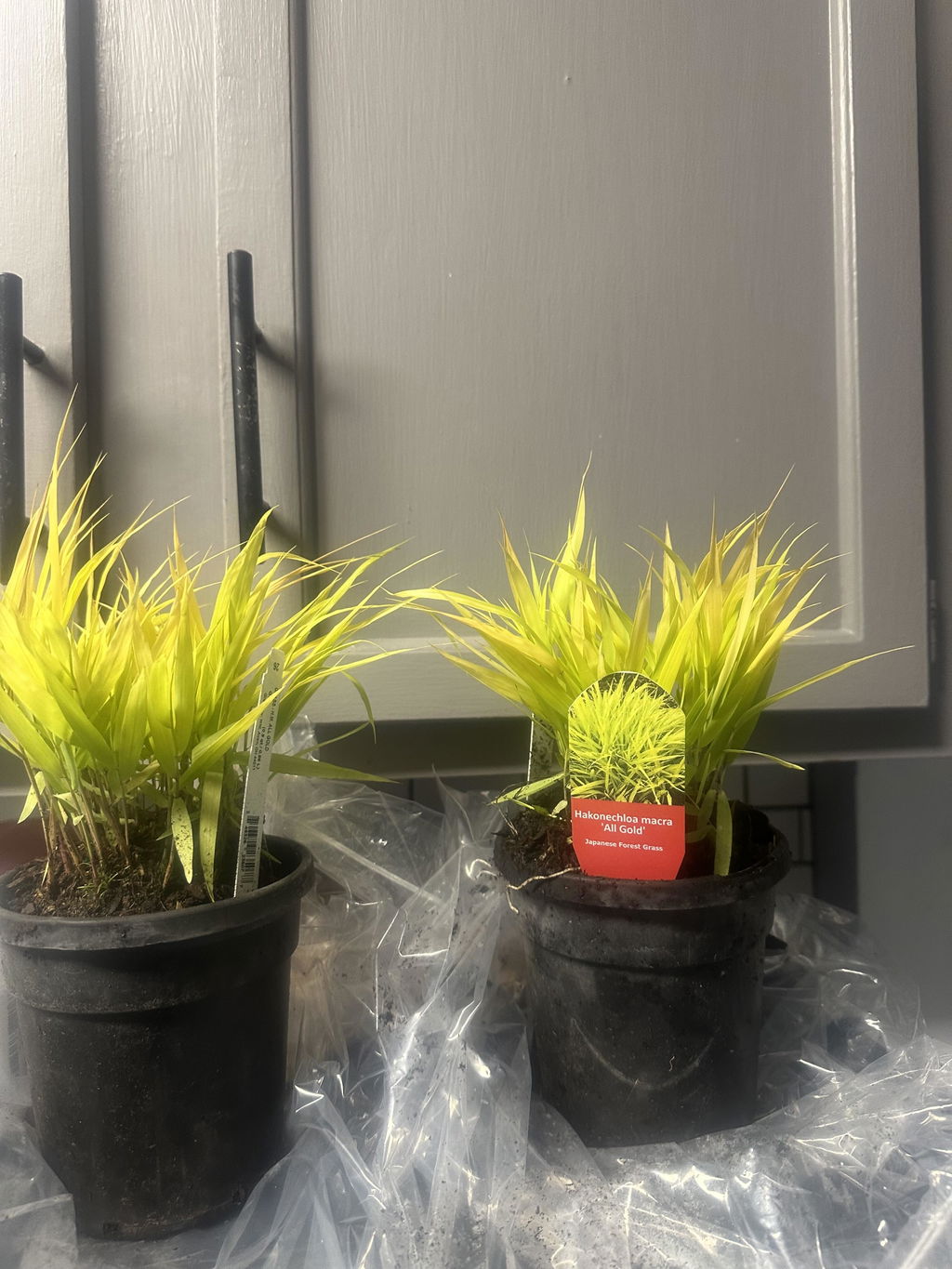
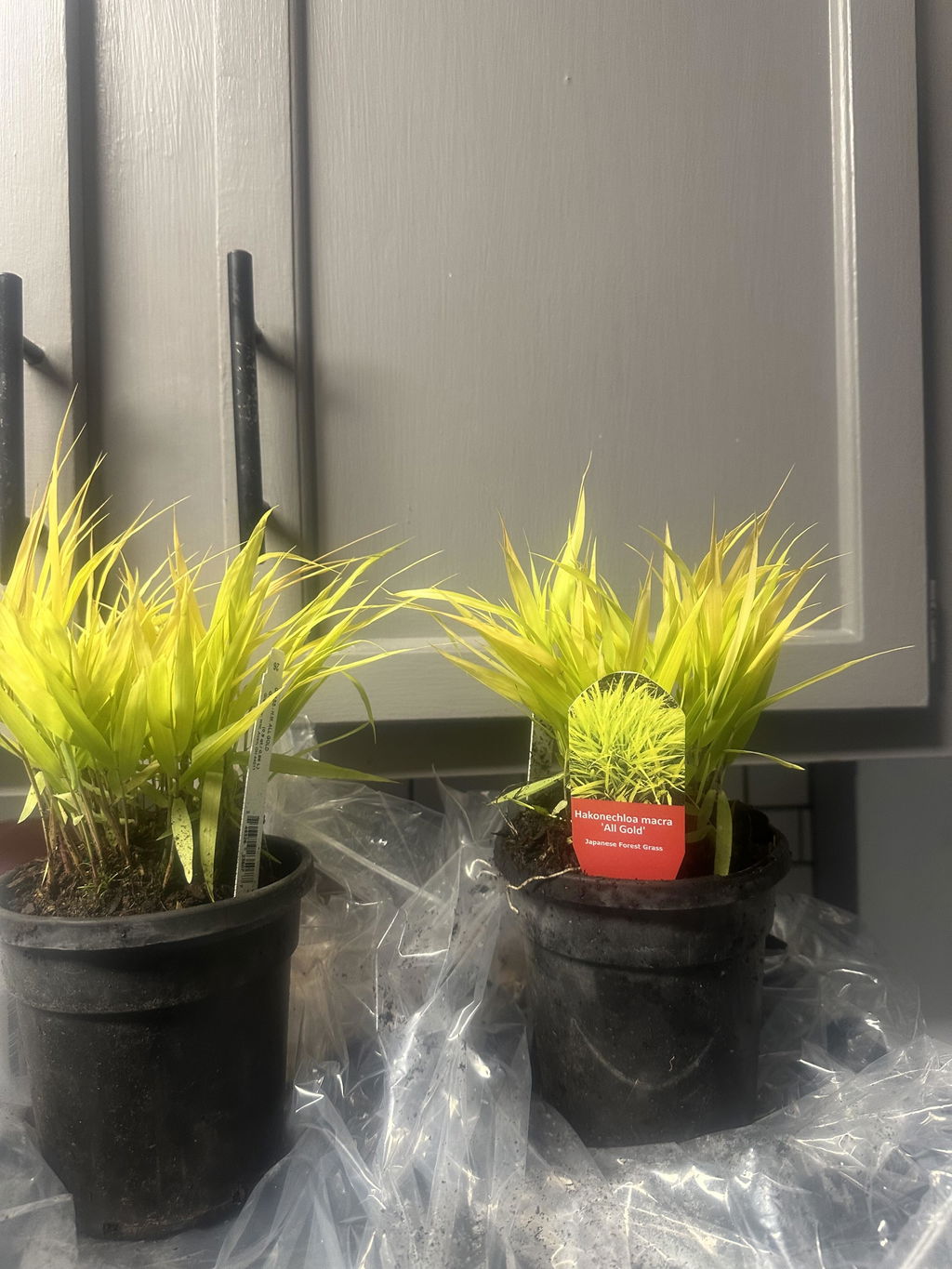
Glad the replacements arrived in good shape, Dale. All Gold Japanese Forest Grass is a real standout once it settles in, especially in a shadier spot where that golden color really pops. Thanks for giving us the chance to make things right.
Doing great.
Took a very long time to get here. Plants were well packaged but were small. I planted them immediately...hope they do well!
They are growing and are healthy😃
they arrived in good shape and are doing well.
All Gold Japanese Forest Grass can be a little finicky in transit, so it's good to hear yours arrived in solid shape and are settling in well. Thanks for letting us know, Patrick. If you ever have questions as they fill in, we're here to help.
Growing well right now. Winter is arriving soon. Interested in seeing if it survives until spring here at 3550 ft elevation. Zone 6/7
Hi Carol, Thank you for leaving us a lovely review! We are glad to hear that your All Gold Japanes Forest Grass is growing well in your landscape. With winter approaching, we would recommend to leave the old foliage standing throughout the entire winter. The dry, mounded leaves act as natural insulation, protecting the crown of the plant from harsh temperatures and wind. Do not cut it back until you see new growth emerging from the base next spring. Ensure that the plant goes into the deep freeze well-hydrated but not sitting in soggy soil. Consistent moisture during the fall is key to root survival through winter. We look forward to hearing about its success next spring! Thank you - Nature Hills Customer Support
