


Crimson Comet Buttonbush
Cephalanthus occidentalis 'SMCBM'


Plant Sentry™ Protected
Your order is protected by our compliance system that:
- Prevents restricted plants from shipping to your state
- Ensures plants meet your state's agricultural requirements
- Protects gardens from invasive pests and diseases
Specifications
| Plant Characteristics | Cold hardy, Native, Flowering, Wet Soils, Attracts Butterflies, Attracts Hummingbirds, Attracts pollinators, Hedge/Screen, Deer-resistant |
|---|---|
| Hardiness Zone | 5a to 9b |
| Sunlight | Full sun, Partial shade |
| Height | |
| Width | |
| Watering Needs | High |
| Preferred Soil | Chalky, Clay, Loamy, Peaty, Sandy |
| Growth Rate | Moderate |
| Growth Habit | Bushy, Spreading |
| Blooms In | Summer |
| Flower Color | White |
| Foliage Color | Green |
| Fragrant | Yes |
| Native | Yes |
| Native To |
Alabama,
Arizona,
Arkansas,
California,
Connecticut,
Florida,
Georgia,
Illinois,
Indiana,
Kentucky,
Louisiana,
Maine,
Maryland,
Massachusetts,
Minnesota,
Missouri,
Nebraska,
New Hampshire,
New Jersey,
New Mexico,
New York,
North Carolina,
Oklahoma,
Pennsylvania,
Rhode Island,
South Carolina,
Tennessee,
Texas,
Utah,
Vermont,
Virginia,
Wisconsin
+26 moreshow less |
| Pet Safety | Toxic to pets |
| Suitable Space | Outdoors |
| Botanical Name | |
| Species | |
| Cultivar | |
| Class | Lamiales |
| Does Not Ship To | AK, HI, ID, MT, PR |
Description
Showy Wildlife Crimson Comet Buttonbush
- Excellent Flowering Display
- White, Pom-Pom Blooms in Spring
- Flowers Smell Like Honey
- One of the Best Native Cultivars for Butterflies and Beneficial Pollinators
- Fun Red Fruit Feeds Songbirds
- Lush Foliage Provides Cover
- Brilliant Red Fall Color
- Thrives in Sun to Partial Shade
- Great Screening Plant
- Tolerates Wet Soil
- Full Sun or Partial Shade
- Can Be Kept in Large Containers for Many Years
- Seldom Severely Damaged by Deer
How nice to rely on native shrubs in your garden design. Thoughtful choices are a boon for your local ecology, and modern cultivars deliver exceptional ornamental features.
A perfect example of this innovative trend is Crimson Comet Buttonbush (Cephalanthus occidentalis 'SMCBM'). This widely adaptable, bog tolerant shrub is truly an incredible native selection loaded with flowers and fruit for butterflies, bees and birds.
Start off your season with some of the cutest flowers you'll ever see. Spherical, honey-scented, spiky little globes cover the mid-toned foliage.
They deliver plenty of nectar for local pollinators. So much, in fact, you should consider planting Buttonbush near your annual Victory Gardens to pump up your yields!
Multi-stemmed, informal shrubs grow to a great height and can be kept shorter if needed. Simply take out a few of the tallest stems in early spring, trimming them right down to the ground.
This selection blooms on new growth, so you and the honey bees will have plenty on hand. In fact, you might sneak a few for unforgettable indoor cut flower arrangements.
Because Crimson Comet Buttonbush tolerates "wet feet'' in soil that stays damp, it is a great option for a planned Rain Garden. Use them in low-lying areas that are slow to dry out after rain, or near your downspout.
Like our plant experts say...choose the right plant for the right spot! Let Buttonbush grow into a showy screen at the back of a water feature.
Look closely and you'll spy hummingbirds...there to sip nectar from the spring blooms. Hummingbirds also eat their share of tiny "no see 'ums" that are enticed by the unusual flowers, too.
Lush growth gives birds lots of shelter. In fall, the blooms have morphed into showy, round red fruit. Each of these is simply loaded with seeds that native songbirds love to eat!
Even the foliage is pretty in fall! The lance-shaped leaves looked dipped in red rogue for welcome fall color.
Enliven your space with this top choice. Order Crimson Comet Buttonbush from our native shrub specialists today!
Planting & Care
Delivery and Shipping
Shipping Rates
Ships in 3-5 business days • Tracking provided • Weather protected
| Under $50 | $9.99 |
| $50 - $99.99 | $14.99 |
| $100 - $149.99 | $16.99 |
| $150 - $198.99 | $24.99 |
| $199+ | FREE |
✓ Zone-specific timing • ✓ Professional packaging • ✓ Health guarantee
Find on Page
Type to search specs, description, care, FAQ, and shipping.

It came in great shape, and it’s still going strong several weeks later with minimal watering. I am in North Texas, zone 8a. I got it to go on the north side of my house in an area with poor drainage, and it doesn’t seem to mind.
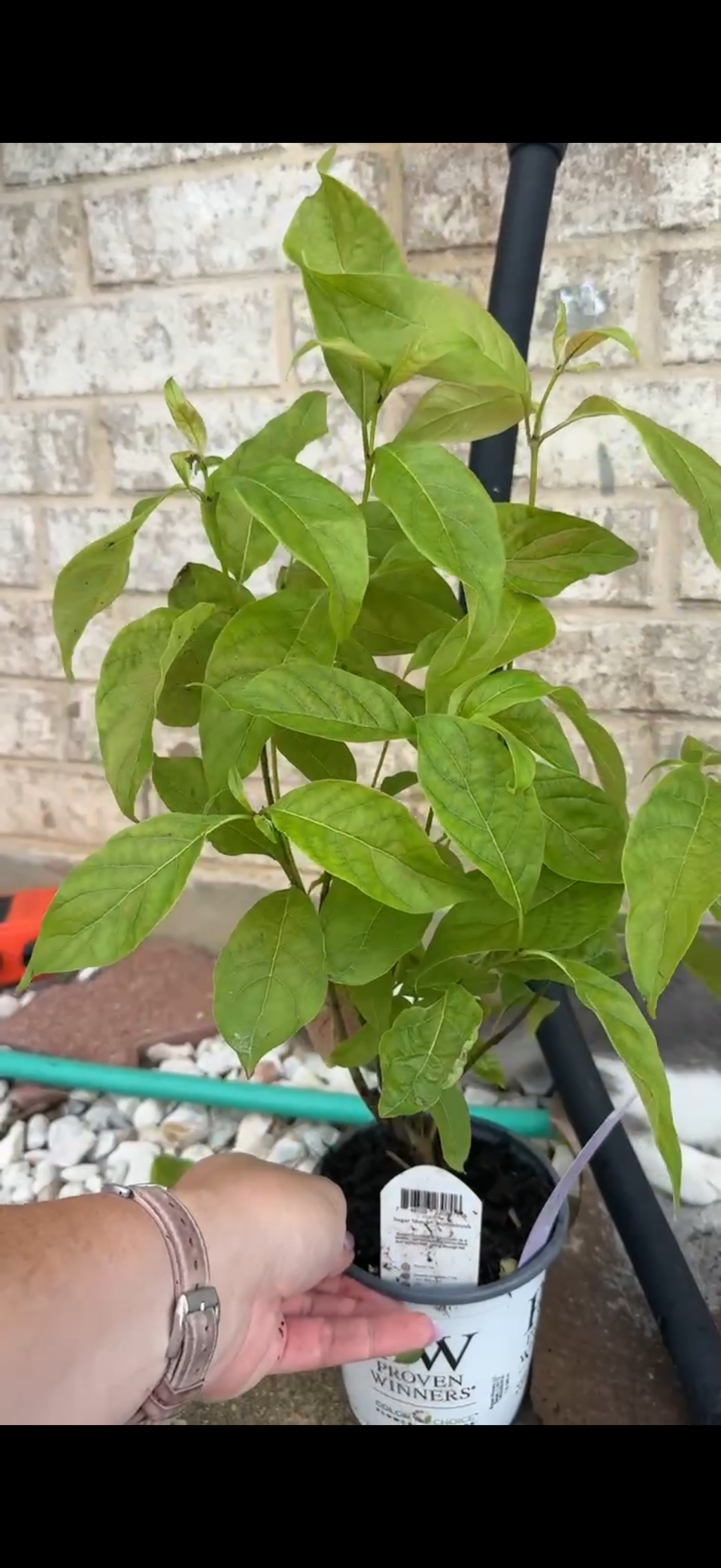
Sugar Shack Buttonbush is a great fit for exactly that kind of spot. It naturally grows along stream banks and pond edges, so poor drainage that would stress most shrubs is really no problem for it at all. Good to hear it settled in well through a North Texas summer, and the north-side placement should suit it for the long run. Thanks for sharing how you have it growing.
Found this bush on Nature Hills website and knew that it would fill a vacant spot along a wooden fence and liven up the patio area nicely. I amlooking forward to soon seeing vibrant fall foliage. Also, I hope that it will be blooming next spring. I also appreciate that it attracts pollinators and provides food for birds.
Buttonbush is such a good choice for a fence line, and the wildlife value really does pay off over time. The blooms typically arrive in summer rather than spring, so you may want to keep that in mind as you watch it settle in. Once it gets going, the round, spidery flowers are a real draw for bees and butterflies, and the seeds bring in the birds right behind them. Thanks for sharing how it is doing, Susan.
plant arrived looking a little worse for wear from long shipping, loss of 50% of leaves but perked up with watering and light. Hopefully it will flourish in el nino
Buttonbush is a tough plant at heart, and it sounds like yours proved that pretty quickly once it got some water and light. Shipping stress can knock the leaves back, especially on a longer journey, but a plant that perks up fast is usually a good sign for what is ahead. Thanks for giving it a chance to settle in, Samuel.
Arrived in good shape and seems to be doing well.
Buttonbush is a tough, adaptable shrub once it settles in, and it sounds like yours is off to a solid start. Thanks for the update, and we hope it fills in nicely for you this season.
Our buttonbush arrived quickly. The box was awesome! Bush was well protected!
Our buttonbush was quickly planted and do far is doing well. I will order from these guys again. They take the time to tell you what you need to know about their company and your plant! Good job for making us feel important!
Buttonbush is such a rewarding plant, and it sounds like yours is off to a solid start. The packaging does get a lot of thought on our end, so it's good to hear the plant arrived in good shape and ready to go in the ground. Thanks for the kind words, Vicki, and welcome to the Nature Hills family. We hope that buttonbush thrives for years to come.
Ordered three plants and all arrived in great shape, bigger than I expected. They are doing really well
Buttonbush is such a resilient plant once it gets established, and it sounds like yours are off to a strong start. If you have any moisture-prone spots in the yard, Sugar Shack thrives there and will reward you with those distinctive globe flowers that pollinators love. Thanks for sharing how they arrived, Sharon.
Waiting for cooler fall weather to plant. Very happy in a larger pot. Growing so quickly I pinched it back to shape it a bit.
Buttonbush is surprisingly vigorous once it gets going, so it sounds like yours is off to a great start. Pinching it back early is smart, it will encourage a fuller shape before it goes in the ground. When you do transplant in the fall, the cooler soil temps will give the roots a nice long stretch to establish before spring. Thanks for sharing the update, Geraldine.
I have many gardens. But this bush dead
Plant arrived in good condition. 2nd one I have purchased. 1st one is a year old and has doubled in size but has not blossomed yet.
Hi Rebecca,
Thank you so much for your wonderful feedback and for choosing our Button Bush Sugar Shack not just once, but twice! We’re delighted to hear the first plant has grown so beautifully over the past year—it’s a testament to your care and attention. It’s quite common for button bushes to focus energy on foliage growth before blossoming, especially in their early years. To encourage blooms, picking a sunny location with consistent moisture and perhaps a low-nitrogen fertilizer can sometimes help trigger flowering.
If you’d like, we can also share some detailed care tips tailored for your region or suggest the best timing to expect blossoms based on your local climate. Please feel free to reach out anytime for personalized advice!
Rooting for your garden’s success,
Your Nature Hills Plant Care Team
Plant arrived in good condition. 2nd one I have purchased. 1st one is a year old and has doubled in size but has not blossomed yet.
Dear Elizabeth,
Thank you so much for your thoughtful review and for returning to Nature Hills for your Buttonbush Sugar Shack purchase! We’re delighted to hear your plant arrived in good condition. It’s wonderful that your first plant has been thriving and growing steadily over this year—even if it hasn’t blossomed yet. Buttonbush plants sometimes take a bit of time, especially while they’re establishing themselves, before producing their unique, beautiful flowers.
If you’re hoping to encourage blooming, make sure your Buttonbush is planted in a spot with full to partial sun, with consistent moisture but well-drained soil. Fertilizing in early spring with a balanced fertilizer might also give it that extra boost for flowering. We’re always here to support you if you have any questions or want more detailed tips to help your plants flourish.
Thanks again for sharing your experience and trusting us with your gardening journey!
Bloom on,
The Nature Hills Plant Knowledge Team
